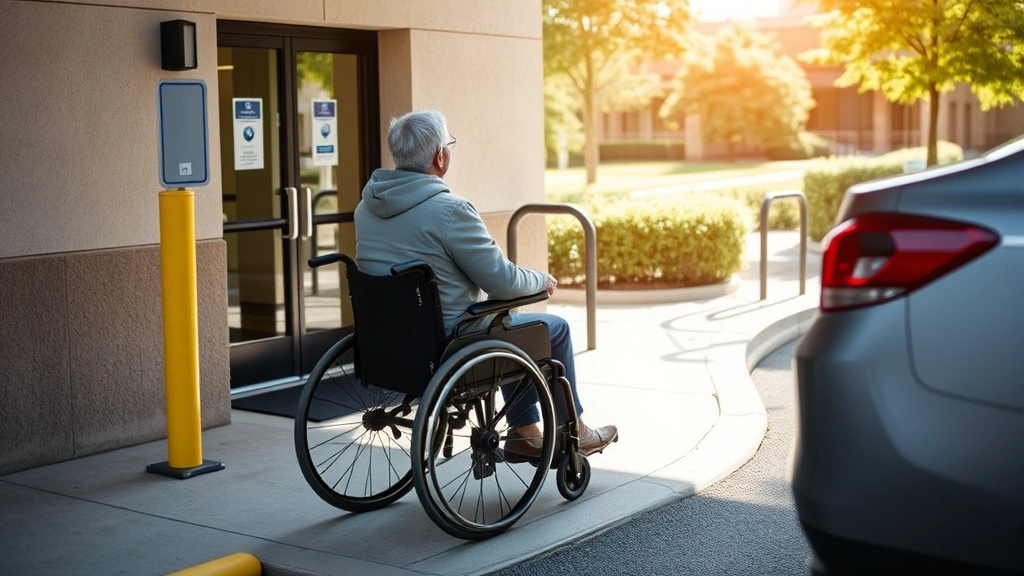
Doctor Letter for Apartment: Disability Verification Guide
When seeking housing accommodations due to a disability, a doctor’s letter confirming your medical condition is often the cornerstone of your request. Whether you need an accessible unit, reasonable modifications, or other housing adjustments, landlords and property managers typically require medical documentation that establishes the legitimacy of your disability and its connection to your accommodation needs. This guide explains what a disability verification letter is, why it matters for apartment applications, and how to obtain one that protects your rights under fair housing laws.
A disability confirmation letter from a healthcare provider serves as official evidence of your medical condition. Unlike casual conversations with your landlord, a formal letter from a licensed physician carries legal weight and demonstrates that your accommodation request is medically necessary, not arbitrary. This documentation is essential for triggering your rights under the Fair Housing Act and ensuring landlords cannot discriminate against you based on disability.
What Is a Disability Verification Letter?
A disability verification letter is a formal document written by a licensed healthcare provider—typically a physician, psychiatrist, psychologist, or other qualified medical professional—that confirms you have a disability and describes how that disability affects your daily functioning. In the context of apartment housing, this letter serves as proof that your need for accommodations is genuine and medically grounded.
This letter differs from a general medical note or treatment summary. It is specifically tailored to support a housing accommodation request and addresses the functional limitations created by your condition. For example, if you have severe anxiety disorder, the letter would explain how that condition limits your ability to live in standard housing without specific modifications, such as a ground-floor unit or proximity to exits.
The letter acts as your advocate in writing. It bridges the gap between your lived experience and what landlords need to understand to approve your request. Without it, you may face discrimination, denials, or unnecessary delays in securing safe, accessible housing.
Why Landlords Request This Documentation
Landlords are legally required to provide reasonable accommodations to tenants with disabilities. However, they are also entitled to verify that an accommodation request is legitimate. A doctor’s letter provides that verification. It confirms that you have a documented disability and that your requested accommodation is necessary and directly related to your condition. This protects both you and the landlord by creating a clear, documented trail of the accommodation process.
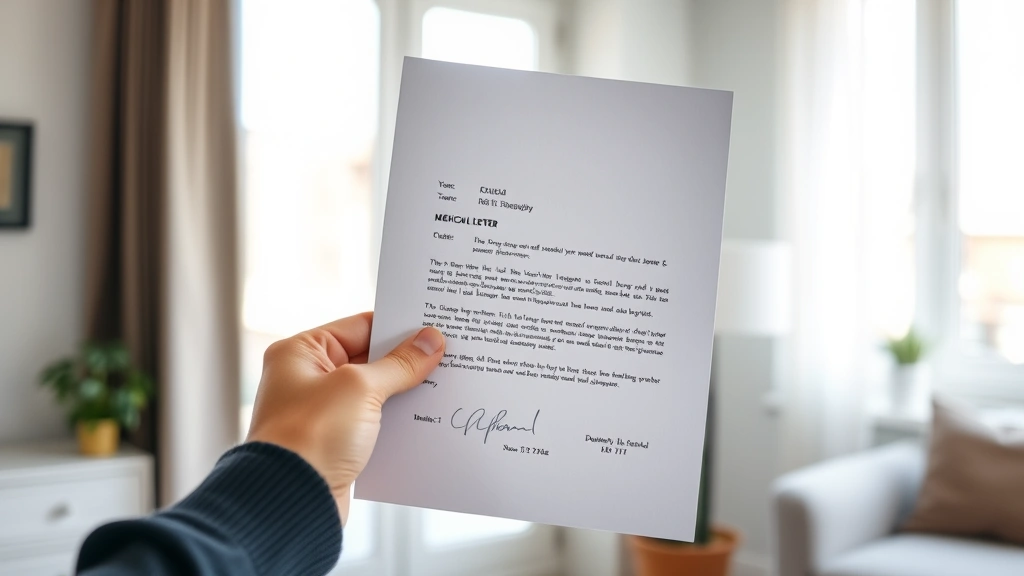
Legal Requirements and Fair Housing Laws
Your right to request housing accommodations is protected by federal law. The Fair Housing Act (FHA) and Section 504 of the Rehabilitation Act require landlords to make reasonable accommodations in rules, policies, practices, or services when necessary to afford a person with a disability equal opportunity to use and enjoy a dwelling.
According to the U.S. Department of Housing and Urban Development (HUD), a disability is defined as a physical or mental impairment that substantially limits one or more major life activities. This is intentionally broad and includes not only mobility disabilities but also mental health conditions, chronic illnesses, sensory impairments, and developmental disabilities.
The key legal principle is that you do not need to disclose your diagnosis, but landlords can request reliable documentation that you have a disability and that the accommodation is necessary. A letter from your healthcare provider satisfies this requirement. The letter should be from someone with direct knowledge of your condition—ideally someone who has evaluated or treated you.
HUD guidelines specify that medical evidence should come from a healthcare provider who is qualified to diagnose and treat your condition. The provider’s credentials and license must be verifiable. A letter from a family friend who is a doctor but has never examined you would not meet the standard. The Americans with Disabilities Act (ADA) website provides additional resources on housing rights and documentation standards.
What Your Letter Must Include
A legally sound disability verification letter should contain specific elements. While there is no mandated form, these components are essential:
1. Provider Credentials
The letter must be on official letterhead that includes the provider’s name, license number, credentials (MD, PhD, LCSW, etc.), and contact information. This allows the landlord to verify the provider’s legitimacy if needed. The letter should be signed and dated, with the provider’s signature matching their printed name.
2. Confirmation of Patient-Provider Relationship
The letter should state how long the provider has known you, how frequently you have been seen, and in what capacity (e.g., “I have treated Mr. Smith for the past two years in my psychiatry practice”). This establishes that the provider has direct knowledge of your condition and is not speculating.
3. Disability Diagnosis or Description
You can choose how much detail to include. Many people include the diagnosis (e.g., “generalized anxiety disorder”), while others prefer a functional description without naming the condition (e.g., “a mental health condition that significantly impacts the ability to manage daily stress and environmental triggers”). Both approaches are legally acceptable. The letter should confirm that this condition meets the legal definition of disability.
4. Functional Limitations
This is critical. The letter must describe how your disability limits your major life activities or how it creates barriers in a standard apartment setting. For instance: “Due to severe mobility impairment, the patient requires an accessible unit with no stairs, a roll-in shower, and accessible parking.” Or: “The patient’s PTSD causes significant anxiety in response to confined spaces and requires a unit with multiple exits and proximity to outdoor areas.”
5. Connection to Accommodation Request
The letter should explicitly state which accommodations are necessary to address your functional limitations. Examples include ground-floor units, modified bathrooms, accessible parking, emotional support animal housing, or lease modifications. The provider should explain why each accommodation is medically necessary.
6. Nexus Statement
Include a clear statement that confirms the accommodation is necessary because of the disability. For example: “The requested ground-floor unit with accessible parking is medically necessary to allow Ms. Jones to safely access her apartment and manage her mobility-related disability.”
A well-constructed letter might look like this structure: “I am writing to confirm that [Name] is my patient and has been under my care since [date]. [He/She/They] has a [condition/disability that substantially limits major life activities]. This condition requires [specific accommodation] to ensure safe and equal access to housing. This accommodation is medically necessary and directly related to [his/her/their] disability.”
How to Request One from Your Doctor
Obtaining a disability verification letter requires clear communication with your healthcare provider. Here’s how to approach the conversation:
Schedule an Appointment
Don’t try to request this via a phone call or email to your doctor’s office staff. Schedule a brief appointment to discuss your housing accommodation needs. This gives your provider time to consider your request thoughtfully and ensures you can answer any questions they have.
Explain Your Situation Clearly
Tell your provider that you are applying for an apartment and need a letter confirming your disability and the accommodations you require. Explain what accommodations you are requesting (e.g., accessible unit, ground floor, service animal housing). Be honest about how your condition affects your ability to live in standard housing.
Provide Specific Details
Share the specific functional limitations that necessitate your accommodation. Don’t assume your provider understands the practical barriers you face. For example, if you need a ground-floor unit due to arthritis, explain that climbing stairs causes severe pain and limits your ability to safely exit in an emergency.
Ask About Timeline and Process
Ask how long it will take for the letter to be prepared. Some offices can provide it within days; others may take weeks. Find out whether there is a fee (some providers charge for letters beyond standard care). Clarify the format—will it be mailed directly to you or to your landlord?
Provide a Template (Optional)
If you have found a template or example online that aligns with fair housing standards, you can share it with your provider. Many doctors appreciate guidance on what landlords expect. However, be clear that the letter must reflect your actual medical situation—templates are just guides for structure.
For related guidance on medical documentation, see our resource on disability letters for workplace accommodation, which covers similar documentation principles applicable to housing contexts.

Common Mistakes to Avoid
Using a Letter That’s Too Vague
A letter that simply states “This person has a disability” without describing functional limitations or specific accommodations will likely be rejected. Landlords need concrete information to understand why an accommodation is necessary. Work with your provider to ensure the letter includes specific details.
Requesting Accommodations Unrelated to Your Disability
Your letter should connect each accommodation directly to your disability. If you request a two-bedroom apartment but your disability doesn’t require it, that request may be denied. Stick to accommodations that are genuinely medically necessary.
Using an Outdated Letter
If your letter is more than a year old, landlords may question its relevance. If your condition has changed significantly or if you are applying to a new apartment, obtain a fresh letter. An updated letter demonstrates that your accommodation needs remain current.
Disclosing More Than Necessary
You have the right to privacy regarding your medical condition. A good letter confirms disability and necessity without unnecessary medical detail. You don’t need to list every symptom or treatment you’ve tried. Focus on functional impact and accommodation necessity.
Providing a Letter from an Unlicensed or Non-Treating Provider
Your letter must come from a licensed healthcare provider with direct knowledge of your condition. A letter from a friend who is a doctor, a wellness coach, or an online provider you’ve never met in person will not meet fair housing standards. Ensure your provider is licensed in your state and has treated you.
Failing to Request Accommodations in Writing
Always submit your accommodation request and supporting letter in writing—email or certified mail. Keep copies of everything. Verbal requests are harder to document if disputes arise. Written documentation creates a clear legal record of your request and the landlord’s response.
FAQ
Do I have to disclose my diagnosis in the letter?
No. You can request that your provider describe your functional limitations without naming your specific diagnosis. For example, instead of “bipolar disorder,” the letter could say “a mood disorder that significantly impacts emotional regulation and requires a quiet living environment.” However, some people choose to include their diagnosis for clarity. It’s your choice.
What if my doctor refuses to write a letter?
If your doctor refuses to document a disability you genuinely have, you may need to seek a second opinion from another qualified provider. If cost is a barrier, ask about payment plans. If you cannot afford a doctor, some disability rights organizations and legal aid clinics offer free or low-cost medical documentation services. The Job Accommodation Network (JAN) has resources on obtaining medical documentation.
Can my landlord demand more than a doctor’s letter?
Under fair housing law, a letter from a healthcare provider is the standard form of verification. Landlords cannot demand your medical records, require you to sign releases, or ask for detailed treatment histories. If a landlord requests more than reasonable verification, this may constitute illegal discrimination. Contact your local fair housing authority or disability rights organization if you encounter unreasonable demands.
How long is a disability letter valid?
There is no set expiration date, but letters older than one year may be questioned. If your condition or accommodation needs have changed, or if you are applying to a new apartment, obtain a current letter. If your condition is stable and unchanged, a slightly older letter may be acceptable, but it’s best to err on the side of current documentation.
Should the letter go directly to the landlord or to me?
Ask your provider to send the letter to you in a sealed envelope. You control when and how it is shared. This protects your privacy and allows you to submit it only if necessary. Some people submit the letter proactively; others wait until asked. Either approach is acceptable, but having the letter in hand gives you control over the process. For additional guidance on documentation for various contexts, review our article on flexible schedule accommodation letters, which addresses similar documentation principles.
What if my landlord rejects my accommodation request despite the letter?
If your landlord denies a reasonable accommodation request despite receiving a credible doctor’s letter, this may be illegal discrimination under the Fair Housing Act. Document the denial in writing, request a written explanation, and contact your state or local fair housing agency or HUD’s Office of Fair Housing and Equal Opportunity. You may also consult a disability rights attorney.
Can I get a disability letter online or through a telehealth provider?
Yes, if the telehealth provider is licensed in your state and has established a legitimate patient-provider relationship with you through evaluations and ongoing care. A single telehealth consultation with a stranger will not meet fair housing standards. The provider must have direct knowledge of your condition developed over time or through a thorough evaluation.
A disability verification letter from your doctor is a powerful tool in securing housing accommodations that allow you to live safely and independently. By understanding what should be included, how to request it, and how to use it effectively, you can advocate confidently for your rights under fair housing law. Remember that landlords are required to provide reasonable accommodations—your doctor’s letter simply provides the documentation that makes this requirement enforceable. If you face barriers or discrimination in this process, disability rights organizations and fair housing agencies are available to support you.