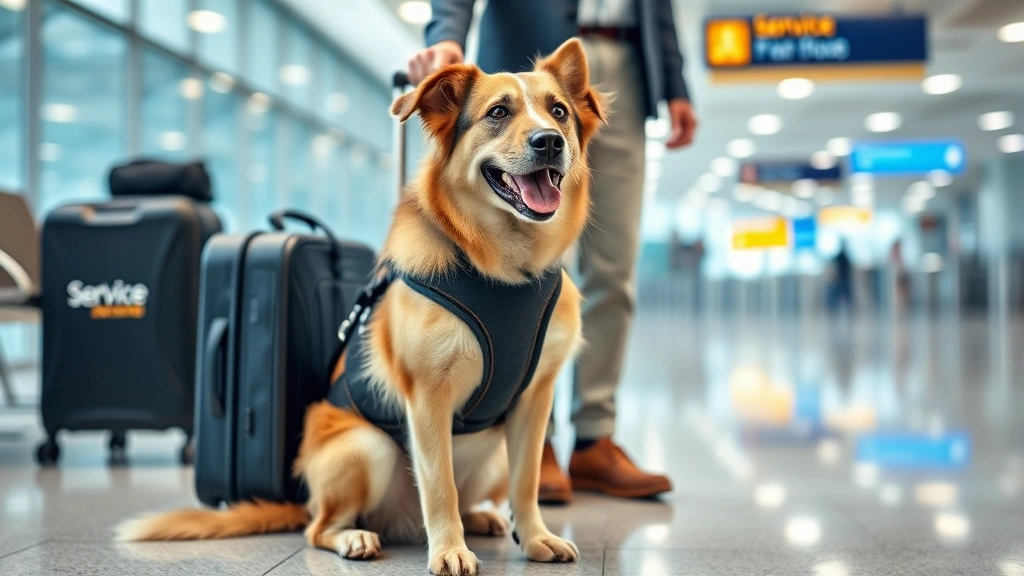
Official Guide to Service Animal Travel Documentation
Traveling with a service animal requires careful preparation and proper documentation to ensure smooth journeys across airlines, hotels, and transportation services. Service animals perform critical tasks for people with disabilities—from guiding individuals who are blind to alerting those with diabetes to dangerous blood sugar levels. Understanding what documentation you need, how to obtain it, and how to present it confidently can transform your travel experience from stressful to seamless.
This comprehensive guide covers everything you need to know about service animal travel documentation, including federal requirements, airline policies, international regulations, and practical tips for navigating airports and accommodations. Whether you’re planning a domestic flight or an international adventure, having the right paperwork and knowledge empowers you to travel independently and confidently with your service animal.
Understanding Service Animals vs. Emotional Support Animals
The distinction between service animals and emotional support animals (ESAs) is critical for travel purposes, as they receive different legal protections and documentation requirements. Under the Americans with Disabilities Act (ADA), a service animal is defined as a dog (or miniature horse in limited circumstances) that has been individually trained to perform specific tasks or do work for a person with a disability. These tasks are directly related to the person’s disability and might include guiding someone who is blind, alerting someone who is deaf, pulling a wheelchair, alerting to seizures, or reminding someone to take medication.
Emotional support animals, by contrast, provide comfort through their presence alone and are not trained to perform specific disability-related tasks. While ESAs receive housing protections under the Fair Housing Act, they do not have the same travel protections as service animals. Many airlines now require a valid ESA letter or additional documentation for emotional support animals, and some restrict them entirely from cabin travel.
Understanding this distinction matters because travel policies specifically reference service animals and may not apply to ESAs. If you have an emotional support animal and plan to travel, you’ll want to check individual airline policies and consider obtaining a service animal verification letter if your animal performs trained tasks.
Federal Travel Requirements for Service Animals
Federal law, specifically the Air Carrier Access Act (ACAA) and ADA regulations, provides protections for service animals traveling by air. Under these regulations, service animals are not considered pets and do not require special fees or advance notice for air travel. However, airlines may ask specific questions to verify that your animal qualifies as a service animal.
According to the U.S. Department of Transportation, airlines are permitted to ask only two questions:
- Is the animal a service animal required because of a disability?
- What work or task has the animal been trained to perform?
Airlines cannot ask for documentation, medical records, proof of training, or certification. However, having proper documentation available is wise because it helps establish legitimacy and can prevent delays or disputes at the gate. The Department of Transportation website provides detailed guidance on service animal air travel rights.
Service animals must be under your control at all times during travel, typically via harness, leash, or other restraint device. They must not pose a direct threat to health or safety, and they cannot disrupt the flight. If your service animal exhibits aggressive behavior or fails to follow basic commands, airlines may refuse transport.
Essential Documentation You’ll Need
While federal law doesn’t require documentation for air travel, having comprehensive paperwork significantly smooths your journey and demonstrates your animal’s legitimacy to skeptical staff. Here’s what you should prepare:
- Service Animal Verification Letter: A letter from your healthcare provider or the organization that trained your service animal confirming that you have a disability and that your animal is trained to perform specific tasks. This document should be on official letterhead and include the provider’s credentials.
- Training Certification: Documentation from the organization that trained your service animal, detailing the tasks trained and behavioral standards met. Organizations like Assistance Dogs International maintain registries of legitimate trainers.
- Vaccination Records: Current vaccination records, particularly rabies certification, which many hotels and some airlines may request. Keep these in a separate folder for easy access.
- Identification Items: A service animal vest, badge, or collar identifying your animal as a service animal. While not legally required, these items help the public understand your animal’s role and can prevent unwanted interactions.
- Airline-Specific Forms: Some airlines provide their own service animal documentation forms. Complete these in advance and submit them if requested, though airlines cannot require them.
- International Health Certificates: For international travel, obtain an International Health Certificate from your veterinarian, which is required by many countries regardless of your animal’s status.
Organize these documents in a clear folder or digital file that’s easily accessible during travel. Scan copies and store them on your phone as backup in case physical documents are lost or damaged.
Airline-Specific Documentation Requirements
While the ADA and ACAA set federal standards, individual airlines may have their own policies and documentation requests. It’s essential to contact your airline directly before traveling to understand their specific requirements and procedures.
Major U.S. Airlines: Airlines like Delta, United, American, and Southwest have all tightened service animal policies in recent years. Many now request advance notice and may ask you to complete a service animal form. Some airlines require this form to be submitted 48 hours before travel. Even though they cannot legally require documentation under federal law, submitting their forms proactively can prevent gate delays.
International Airlines: Foreign carriers may have stricter requirements. Some require advance notification, veterinary health certificates, and additional documentation. Always contact your airline at least two weeks before international travel to clarify their service animal policies.
Low-Cost Carriers: Budget airlines may have more restrictive policies. Some require service animal documentation, advance notice, and specific forms. Review their websites carefully or call their customer service lines to confirm requirements.
Keep records of all communications with airlines, including confirmation numbers, names of representatives you spoke with, and dates of conversations. This documentation protects you if disputes arise.

International Travel Considerations
Traveling internationally with a service animal involves additional complexity due to varying regulations across countries. Unlike domestic U.S. travel, many countries require advance documentation and have specific entry requirements for animals.
Required International Documents:
- International Health Certificate: Issued by your veterinarian, this certificate confirms your animal’s health status, vaccinations (particularly rabies), and that the animal is free from infectious diseases. This document is typically valid for one year and must be obtained within 10 days of travel for most countries.
- Microchip Documentation: Many countries require animals to be microchipped. Ensure your service animal is microchipped and registered with an international registry like HomeAgain or AKC Reunite.
- Import Permits: Some countries require advance import permits for animals. Contact the destination country’s embassy or agricultural department at least 6-8 weeks before travel to determine if permits are necessary.
- Quarantine Information: Certain countries, particularly Australia, New Zealand, and the United Kingdom, have strict quarantine requirements. Research these thoroughly, as they may make service animal travel impractical.
- Service Animal Recognition Letter: Some countries may not recognize the ADA definition of service animals. Carry a letter from your healthcare provider explaining your animal’s role and the tasks it performs, translated into the destination country’s primary language if possible.
Contact the destination country’s customs and agricultural authorities directly, as requirements vary significantly and change frequently. The USDA APHIS website provides guidance on traveling with animals internationally.
Hotel and Ground Transportation Documentation
Beyond airlines, you’ll encounter service animal documentation requests at hotels, car rental companies, and ground transportation services. While service animals are protected under the ADA in public accommodations, having documentation available facilitates smoother check-ins and prevents disputes.
Hotel Documentation: When booking, mention that you’ll be traveling with a service animal. Upon arrival, staff may ask clarifying questions about your animal’s status. Having a brief letter from your healthcare provider or a training organization can quickly establish legitimacy. Many hotels maintain no-pet policies but must accommodate service animals at no additional charge. Documentation helps staff understand this distinction and prevents them from treating your service animal as a pet.
Ground Transportation: Ride-sharing services like Uber and Lyft have specific service animal policies. While drivers must accommodate service animals, having documentation available can prevent cancellations or disputes. Similarly, rental car companies and public transportation systems may request verification of your animal’s status.
Restaurants and Public Venues: While service animals must be allowed in public accommodations under the ADA, carrying a brief identification card or vest helps prevent confrontations. Documentation isn’t legally required, but it’s practically valuable.
Presenting Your Documentation at Travel Checkpoints
Knowing how to present your documentation is as important as having it. Preparation and professionalism significantly reduce friction at security checkpoints and airline gates.
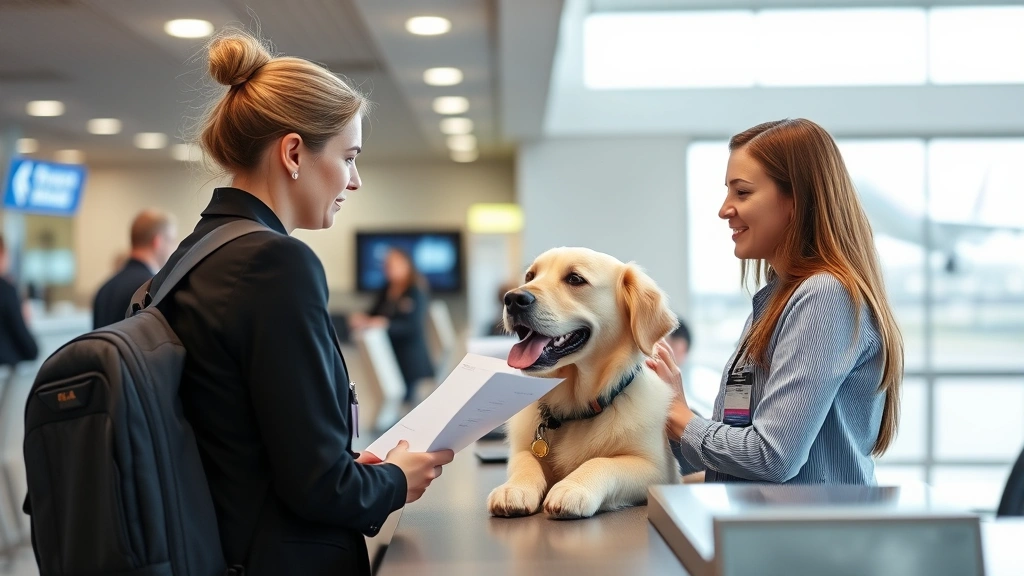
At Airport Security: TSA officers are trained to recognize service animals. When you approach security, clearly state that you’re traveling with a service animal. Keep your documentation easily accessible but don’t volunteer it unless specifically asked. Your service animal will likely be screened separately, and you may be asked to demonstrate that your animal responds to your commands. TSA allows service animals through security screening on-leash or in harness.
At Airline Gates: If gate staff ask questions, answer the two permitted questions clearly and concisely. If they ask for documentation, you can provide it, though you’re not legally required to. Remain calm and professional. If you encounter resistance, ask to speak with a supervisor and reference the Air Carrier Access Act.
At International Borders: Present all required documents proactively to customs officials. Have your International Health Certificate, microchip documentation, and any import permits readily available. Be prepared for your animal to be physically examined.
General Tips: Keep all documents in a clear folder or travel pouch. Have digital copies on your phone. Wear your service animal identification vest or use a leash clearly labeled “Service Animal.” Maintain composure and professionalism—confrontational behavior can result in denial of travel. If you experience discrimination, document the interaction (date, time, names, what was said) and report it to the appropriate agency.
Common Documentation Mistakes to Avoid
Many service animal handlers inadvertently create problems through documentation or presentation mistakes. Awareness helps you avoid these pitfalls:
- Using Online “Certification” Services: Websites offering instant service animal certifications or registration are scams. Legitimate service animal status comes from training organizations or healthcare provider verification, not from purchasing certificates. Using fraudulent documentation can result in denied travel and potential legal consequences.
- Confusing ESA Letters with Service Animal Documentation: An emotional support animal letter does not establish service animal status. If your animal performs trained tasks, obtain proper service animal documentation instead.
- Outdated or Vague Documentation: Ensure your documentation is current and specific. A letter stating “My patient has a disability” is weaker than one detailing specific trained tasks. Update documentation annually or as needed.
- Misrepresenting Pet Animals: Attempting to pass off a pet as a service animal through fraudulent documentation violates federal law and harms legitimate service animal handlers by increasing skepticism and restrictions.
- Failing to Update Travel Carriers: Airlines and hotels change policies frequently. What was acceptable last year may not be this year. Always verify current requirements before each trip.
- Not Having Backup Documentation: If your physical documents are lost or damaged, having digital copies on your phone is invaluable. Scan all important documents.
- Inadequate Vaccination Records: Keep vaccination records current. Some travel destinations or accommodations may refuse entry without proof of current vaccinations.
Being honest, thorough, and organized with your documentation protects your rights and smooths your travel experience. The ADA provides official guidance on service animal documentation and rights.
FAQ
Do I legally need documentation for my service animal to fly?
No. Federal law does not require documentation for service animals on flights. However, airlines may ask two specific questions to verify status, and having documentation available can prevent disputes and delays. It’s practically valuable even if not legally required.
What’s the difference between a service animal letter and an ESA letter?
A service animal letter confirms that an animal has been trained to perform specific disability-related tasks. An ESA letter confirms that an animal provides emotional support through its presence. Service animals receive travel protections; ESAs generally do not.
Can I get a service animal certification online?
Online “certifications” are not legitimate. Service animal status comes from actual training by recognized organizations or verification from your healthcare provider. Legitimate training organizations are members of groups like Assistance Dogs International.
What documentation do I need for international travel with my service animal?
International travel requires an International Health Certificate from your veterinarian, microchip documentation, current vaccinations, and potentially import permits depending on the destination country. Contact the destination country’s customs authority at least 6-8 weeks before travel.
Can airlines charge me a fee for my service animal?
No. Service animals are not pets and cannot be charged pet fees under federal law. If an airline charges you, document this interaction and file a complaint with the Department of Transportation.
What if an airline refuses to allow my service animal to travel?
Airlines can refuse service animals only if they pose a direct threat or are not under control. If you believe you’ve experienced discrimination, document the interaction and file a complaint with the Department of Transportation’s Aviation Consumer Protection Division.
Do I need documentation for my service animal at hotels?
Not legally, but having documentation available can facilitate check-in. Hotels must accommodate service animals under the ADA without additional fees. If you encounter resistance, reference the ADA and offer to provide documentation.
What should I do if my service animal’s documentation is lost during travel?
This is why having digital copies on your phone is essential. If you lose physical documents, contact your healthcare provider, training organization, or veterinarian to request emergency copies or letters confirming your animal’s status.
Are there specific requirements for service animal documentation format?
No official format is required by law. However, documentation should be on official letterhead, include the provider’s credentials and contact information, specify your disability and your animal’s trained tasks, and be dated within the past year.
Can I use the same documentation for both domestic and international travel?
Your service animal verification letter works for both, but international travel additionally requires an International Health Certificate, which is specific to that trip and issued by your veterinarian shortly before departure.