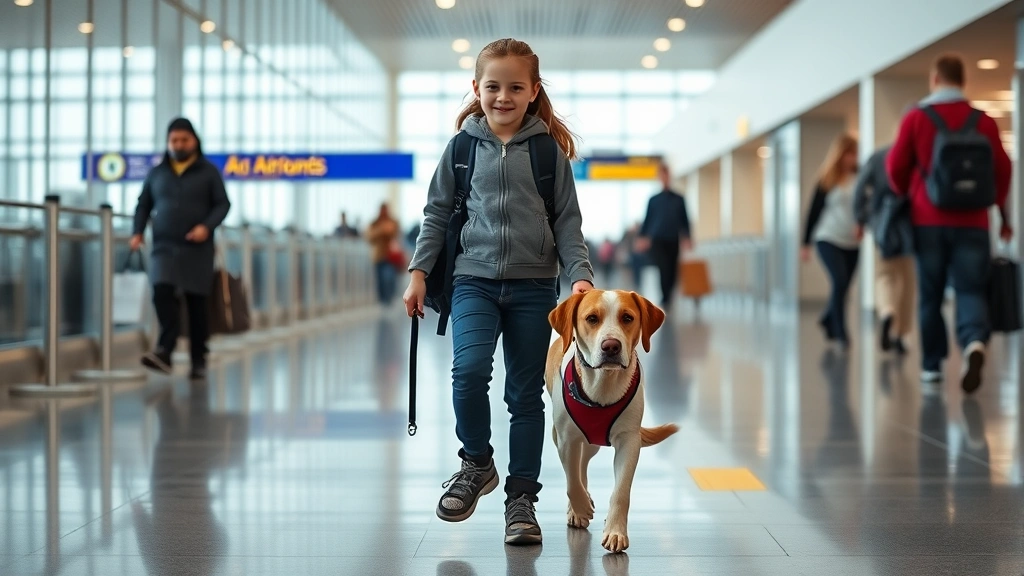
Service Animal Travel Docs for School: Expert Tips
Traveling with a service animal while attending school presents unique documentation challenges that require careful planning and understanding of both educational and transportation regulations. Whether your service animal accompanies you on campus, during field trips, or on longer school-related travel, having the right documentation ensures smooth transitions and protects your rights under the Americans with Disabilities Act (ADA). This comprehensive guide walks you through the essential documents, preparation strategies, and best practices for traveling with your service animal as a student.
Service animals perform critical tasks for individuals with disabilities, from guiding those with visual impairments to alerting individuals to medical emergencies. Schools must accommodate these animals under federal law, but documentation requirements vary depending on your destination, mode of transportation, and the specific school policies. Understanding what paperwork you need—and how to obtain it—removes barriers to your mobility and educational participation.

Understanding Service Animal Documentation Requirements
The ADA defines service animals narrowly: dogs (and in some cases miniature horses) individually trained to perform specific tasks for people with disabilities. Unlike emotional support animals, service animals have public access rights, meaning they can accompany handlers in schools, libraries, restaurants, and other public spaces. However, schools and transportation providers may request proof of disability letter from doctor to verify the legitimacy of your service animal.
Documentation serves multiple purposes: it establishes your disability, confirms your service animal’s training, and demonstrates the necessity of the animal’s presence. Schools cannot demand a specific format or excessive documentation, but they can ask two legally permissible questions: (1) Is this a service animal required because of a disability? (2) What work or task has the animal been trained to perform? Written verification through a general disability confirmation letter strengthens your position when disputes arise.
Federal regulations distinguish between service animals and pets. Your school may require documentation proving your animal completed formal training from an accredited service animal organization. Some schools request a letter on organizational letterhead, while others accept independent trainer verification. The key is having documentation that clearly states the animal’s training status and the specific tasks it performs related to your disability.
Essential Documents for School Travel
Before traveling with your service animal as a student, compile a comprehensive documentation package. This package becomes your first line of defense if questioned by school officials, transportation staff, or airline personnel.
Primary Documentation:
- Disability Verification Letter: A disability verification for school from your healthcare provider confirms your disability and the necessity of your service animal. This letter should include your diagnosis (or functional limitations without disclosing diagnosis), the service animal’s role, and how the animal mitigates your disability.
- Service Animal Training Certificate: Documentation from the organization or trainer who trained your service animal. This certificate should list specific tasks the animal performs and confirm the animal’s behavioral standards.
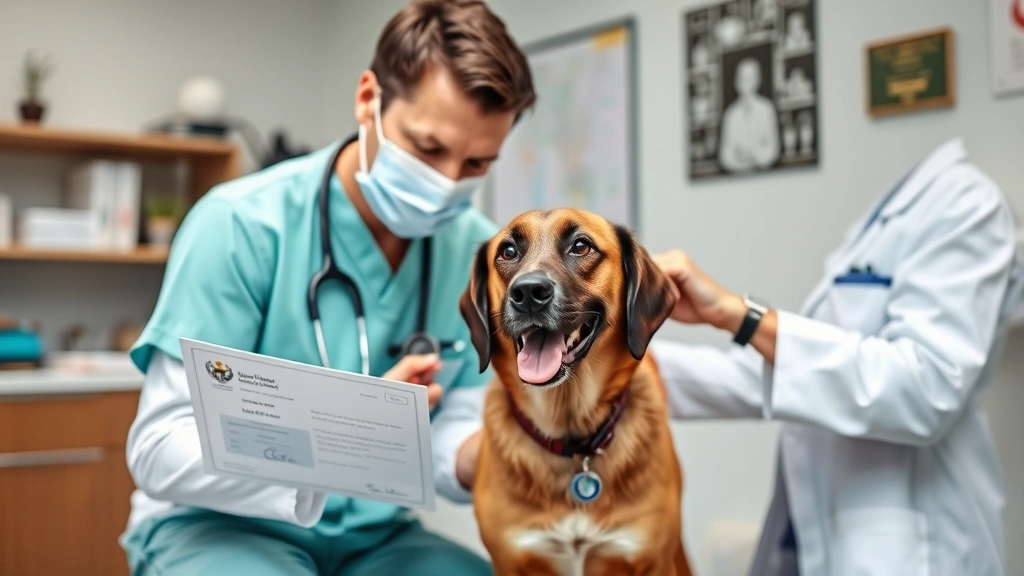
- Vaccination and Health Records: Current rabies vaccination, health certificate (especially for air travel), and microchip documentation. These records prove your animal is healthy and safe to be around others.
- School Accommodation Letter: Request a letter from your school’s disability services office confirming your service animal’s accommodation status on campus. This internal documentation supports your case during travel.
- Identification Materials: While the ADA does not require service animal vests or IDs, having a professional vest and ID card can reduce questioning. Some service animal organizations provide official identification.
Supporting Documentation:
- Copies of relevant ADA regulations and school policies regarding service animals
- Previous accommodation approvals or letters from disability services offices at other institutions
- Behavioral assessment reports from your service animal’s trainer
- Insurance documentation (liability coverage for your service animal)
Keep originals in a secure location and travel with certified copies. Digital backups stored in cloud services ensure you can access documentation even if physical copies are lost or damaged.
Preparing for Air Travel with Your Service Animal
Air travel with a service animal requires the most extensive documentation and advance planning. The Department of Transportation (DOT) has specific regulations distinct from ADA requirements.
Air Travel Documentation Steps:
- Contact Your Airline 48 Hours Before Travel: Call the airline’s disability services department and provide your name, flight information, and service animal details. Request their specific documentation requirements in writing.
- Complete Airline Forms: Most airlines require a DOT Service Animal In-Cabin Declaration Form or equivalent. This form asks about your disability, the animal’s training, and behavioral incidents. Ensure your documentation supports honest, complete answers.
- Obtain a Health Certificate: Your veterinarian must issue a health certificate dated within 10 days of travel. This document certifies your animal is healthy and current on vaccinations. International flights may require additional health documentation.
- Provide Training Verification: Airlines may request proof that your service animal completed formal training. A letter from your trainer or service animal organization on official letterhead satisfies this requirement.
- Prepare Your Disability Documentation: Have your disability verification letter accessible. Airlines cannot ask for specific diagnoses but can request reasonable documentation proving your disability and the animal’s necessity.
The DOT has strengthened regulations to prevent fraud, particularly regarding emotional support animals misrepresented as service animals. Having thorough, legitimate documentation protects your credibility and ensures smooth boarding.
Important Note: The DOT’s final rule (effective January 2021) allows airlines to require advance notice, limit service animals to dogs (no longer miniature horses in cabins), and establish behavioral standards. Your documentation must demonstrate your animal meets these heightened standards.
Campus and Ground Transportation Documentation
While air travel has the most stringent requirements, campus and ground transportation (buses, trains, ride-shares) also require appropriate documentation.
Campus Transportation:
Your school’s transportation system should have policies accommodating service animals. Request a copy of these policies and ensure your disability services office provides written confirmation of your service animal’s status. Some schools issue identification badges for service animals using campus transportation. Keep this documentation accessible during every trip.
Public Transit:
Most public transportation systems follow ADA guidelines, allowing service animals on buses, trains, and subway systems without additional documentation. However, carrying your disability verification letter and service animal training certificate prevents disputes with transit staff who may not be fully trained on ADA requirements. Visit the ADA’s service animal requirements page for detailed transit policies.
Ride-Share Services:
Services like Uber and Lyft allow service animals, though some drivers refuse service. Document these incidents and report them to the service provider. Your disability verification letter provides evidence of your rights if you file a complaint. Keep screenshots of your ride history and driver information.
International Travel Considerations
Traveling internationally with your service animal requires significantly more documentation due to varying regulations across countries.
Essential International Documentation:
- Passport or Travel Document for Your Animal: Some countries require service animal passports or specific identification documents.
- Import/Export Permits: Contact the destination country’s agriculture or customs department for import requirements. Many countries require advance notification and special permits.
- Health Certificates: Your veterinarian must issue health certificates compliant with the destination country’s requirements, often including specific vaccinations and testing.
- Microchip Documentation: International travel typically requires ISO 11784/11785 microchip standards. Ensure your animal’s microchip meets international standards.
- Translated Documentation: Have your disability verification letter and service animal training certificate professionally translated into the destination language.
- Airline-Specific Forms: International carriers often have additional requirements beyond domestic standards. Request all documentation in advance.
Contact your destination country’s USDA APHIS office or equivalent agency for specific import requirements. Some countries restrict certain dog breeds or require quarantine periods, even for service animals.
Managing Documentation During Field Trips
School field trips present unique documentation challenges. Your service animal may travel off-campus to museums, historical sites, outdoor locations, and other educational venues.
Pre-Trip Documentation:
- Provide the school’s field trip coordinator with a copy of your disability verification letter and service animal documentation at least two weeks before the trip.
- Request written confirmation that the destination venue will accommodate your service animal. The school should facilitate this communication.
- Discuss any special considerations (crowded spaces, unfamiliar environments, specific behavioral expectations) with your service animal’s trainer and the school coordinator.
During the Trip:
- Carry copies of all documentation in a waterproof bag or folder.
- Brief any substitute teachers or trip chaperones about your service animal’s presence and tasks.
- Be prepared to explain your service animal’s role to venue staff using your documentation as support.
Addressing Access Denials:
If a venue denies your service animal access despite school notification, document the incident with names, dates, and specific statements. Report this to your school’s disability services office and the venue’s management. Your documentation provides evidence of discrimination. The EEOC provides guidance on filing discrimination complaints if necessary.
Some field trip destinations may have legitimate safety concerns (sterile laboratory environments, active construction sites). Your school should work with you and the venue to find alternative accommodations or participation methods rather than simply denying access.
Keep detailed records of all field trip communications, confirmations, and any access issues. This documentation protects you if disputes arise and helps identify patterns of discrimination.
FAQ
Can schools require a vest or ID for my service animal?
No. The ADA does not require service animals to wear vests, harnesses, or identification. However, wearing professional identification can reduce questioning during travel. Your school cannot mandate this, but it may be strategically helpful.
What if my service animal is not from an accredited organization?
The ADA does not require service animals to come from accredited organizations. Independent trainers and owner-trainers are legally valid, provided the animal is trained to perform specific disability-related tasks. Your documentation should clearly describe the training and tasks regardless of the trainer’s organizational affiliation.
Do I need to disclose my disability diagnosis in documentation?
No. Your disability verification letter should describe your functional limitations and how your service animal mitigates them, but you are not required to disclose your specific diagnosis. However, schools may ask general questions about how the animal assists you.
Can my school charge me extra fees for my service animal’s travel?
No. Under the ADA, schools cannot charge additional fees for service animal accommodations, including travel expenses. If your school attempts to charge you, this violates federal law. Document this request and contact your state’s disability rights organization.
What should I do if airline staff questions my service animal?
Remain calm and present your documentation. If staff denies boarding despite valid documentation, request a supervisor and ask for the denial in writing. Document names, employee IDs, and times. Contact the airline’s corporate disability services office after your flight. File a complaint with the Department of Transportation if necessary.
How far in advance should I notify my school about service animal travel?
Notify your school’s disability services office as soon as travel is planned, ideally at least two weeks before departure. For international travel, provide notice four to six weeks in advance to allow time for documentation gathering and destination country coordination.
Is my service animal documentation valid indefinitely?
Disability verification letters typically remain valid for the duration of your disability. However, veterinary health certificates expire annually, and service animal training certifications may require renewal depending on the issuing organization. Update your documentation package yearly and before any major travel.
What if my service animal has a behavioral incident during travel?
Immediately document the incident, including what occurred, environmental factors, and any injuries or property damage. Report it to your school and the transportation provider. Work with your service animal’s trainer to address the behavior before future travel. Airlines and schools can remove service animals that pose genuine safety threats, but documentation of the incident is crucial for protecting your rights and demonstrating the incident’s context.