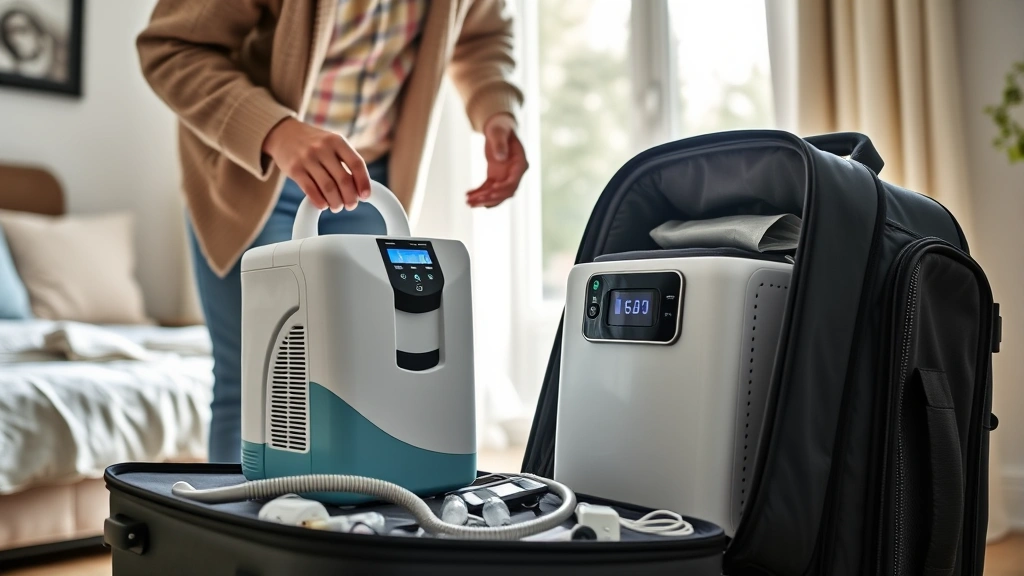
Travel With Medical Equipment: Housing Letter Tips
Traveling with medical equipment presents unique challenges, especially when you’re managing a chronic condition or mobility limitation. Whether you use oxygen concentrators, CPAP machines, dialysis equipment, wheelchairs, or other essential devices, coordinating travel logistics with your housing situation requires careful planning and proper documentation. A well-crafted medical equipment travel letter from your healthcare provider can serve as critical evidence when communicating with landlords, housing authorities, or travel providers about your accommodation needs during extended trips or relocations.
This comprehensive guide walks you through the purpose, components, and best practices for obtaining and using a medical equipment travel letter for housing-related situations. Understanding how to document your equipment needs ensures you maintain access to essential care while traveling and protects your housing rights under fair housing laws and the Americans with Disabilities Act (ADA).
Understanding Medical Equipment Travel Letters
A medical equipment travel letter is a formal document from a licensed healthcare provider that verifies your need for specific medical devices during travel or temporary relocation. This letter serves as official medical documentation that your equipment is medically necessary, not optional or convenience-based. Unlike general medical accommodation letters, travel-specific letters emphasize portability, power requirements, storage needs, and operational specifications relevant to housing environments.
The letter bridges communication between your medical team and housing providers who may have questions about your equipment’s safety, electrical demands, noise levels, or maintenance requirements. Many landlords and property managers have legitimate concerns about specialized medical equipment—particularly regarding electrical capacity, fire safety, water damage risks, or lease terms—and a properly documented letter addresses these concerns professionally and legally.
Housing providers cannot deny you accommodations based on medical equipment needs; however, they may request verification that the equipment is medically necessary. Your letter provides this verification while establishing your right to maintain essential health equipment in your residence under fair housing protections.
Why Housing Providers Need This Documentation
Property managers and landlords increasingly request medical documentation before approving equipment-related housing modifications or lease exceptions. Several practical reasons justify this request:
- Electrical and Safety Compliance: High-powered equipment like dialysis machines or oxygen concentrators may require dedicated circuits or surge protection. Landlords need to understand electrical demands to ensure building safety codes are met and insurance coverage remains valid.
- Noise and Vibration Concerns: Some medical equipment operates continuously or cycles regularly, potentially affecting neighbors. Documentation helps distinguish medical necessity from tenant preference.
- Water Damage Liability: Humidified oxygen systems or other water-dependent equipment may pose moisture-related risks. Landlords want assurance that equipment use follows manufacturer guidelines and includes proper safeguards.
- Lease Modification Justification: When equipment requires exceptions to standard lease terms—such as allowing 24-hour operation, exempting from quiet hours, or permitting structural modifications—documentation establishes legal justification for these exceptions.
- Insurance and Liability: Property insurers may require medical documentation before approving modifications or exemptions related to medical equipment use.
- Reasonable Accommodation Standards: Under fair housing law, housing providers can request verification that an accommodation is necessary. Your letter fulfills this legal requirement.
Understanding these concerns helps you approach your housing provider professionally and increases the likelihood of swift accommodation approval.
Essential Components of an Effective Letter
A comprehensive medical equipment travel letter includes several key elements that make it legally defensible and practically useful for housing situations:
- Healthcare Provider Credentials: The letter must be written on official letterhead from a licensed physician, nurse practitioner, physician assistant, or other qualified healthcare provider. Include the provider’s full name, medical license number, contact information, and signature. This establishes authority and allows housing providers to verify the letter’s authenticity if needed.
- Your Patient Identification: Include your full legal name, date of birth, and patient ID number if applicable. This prevents confusion if multiple patients share similar names.
- Specific Equipment Description: List each piece of equipment by brand name and model number. For example: “Inogen One G5 portable oxygen concentrator” rather than simply “oxygen equipment.” Specific descriptions demonstrate medical precision and help housing providers understand exactly what you’ll be operating.
- Medical Necessity Statement: Explicitly state that the equipment is medically necessary for your health, mobility, or independence. Include your diagnosis or relevant medical condition, though you can keep this general (e.g., “chronic obstructive pulmonary disease” rather than detailed medical history).
- Functional Limitations Addressed: Describe how the equipment addresses your specific limitations. For example: “This oxygen concentrator enables the patient to maintain adequate oxygen saturation during sleep, allowing safe rest and reducing cardiovascular strain.”
- Operational Requirements: Include practical details relevant to housing:
- Power requirements (watts, voltage, continuous vs. intermittent use)
- Electrical outlet needs (standard 120V, dedicated circuit, backup power)
- Space requirements for safe operation
- Noise level (in decibels if applicable)
- Frequency and duration of use (24/7, nighttime only, intermittent)
- Maintenance requirements (humidifier filling, filter changes, cleaning)
- Any water or humidity needs
- Temperature or environmental requirements
- Travel Duration and Frequency: Specify whether you need the equipment for short trips, extended stays, or permanent relocation. This helps housing providers understand the scope of accommodation needed.
- Safety and Liability Information: Address common concerns by noting that you will operate equipment according to manufacturer guidelines, maintain proper training, and follow all safety protocols. If applicable, mention that equipment meets relevant safety standards (FDA approval, UL certification, etc.).
- Provider Availability: Include your healthcare provider’s contact information and indicate their willingness to answer questions from the housing provider. This demonstrates transparency and builds confidence in the documentation.
- Date and Signature: The letter must be dated and signed by the healthcare provider. Undated or unsigned letters carry minimal legal weight.
A strong letter balances medical specificity with practical housing relevance, addressing both why you need the equipment (medical necessity) and how you’ll use it responsibly (operational details).
Medical Equipment Categories and Travel Considerations
Different types of medical equipment present distinct housing considerations:
Oxygen Equipment: Oxygen concentrators, portable tanks, and liquid oxygen systems require electrical power (concentrators), storage space, and humidity management. Letters should address fire safety protocols and clarify that modern equipment includes safety features. If traveling between locations, specify whether you’ll use portable versus stationary equipment at each site.
CPAP and Sleep Apnea Devices: These require standard electrical outlets and humidified air delivery. Travel letters should clarify that equipment is quiet and operates only during sleep hours, addressing landlord concerns about noise or water damage from humidifiers.
Dialysis Equipment: Home dialysis machines require dedicated electrical circuits, water line access, and drain capabilities. These letters must be detailed about electrical demands, water quality needs, and any structural modifications required. They may reference your medical hardship circumstances if relocation is medically necessary.
Mobility Equipment: Wheelchairs, walkers, and mobility aids require accessible pathways and may necessitate structural modifications like ramps or widened doorways. Letters should address that these modifications represent necessary accessibility, not optional upgrades.
Ventilators and Respiratory Support: These critical devices require backup power systems, emergency protocols, and trained caregivers. Travel letters for ventilator-dependent individuals should address emergency procedures and equipment redundancy plans.
Infusion Pumps and IV Equipment: These require clean, secure storage and electrical access. Letters should address infection control protocols and clarify that equipment poses minimal risk to other residents when properly maintained.
Nebulizers and Respiratory Therapy Equipment: These require electrical outlets and water access. Letters can address that equipment creates minimal noise and operates on standard residential electrical systems.
How to Request the Letter From Your Doctor
Approaching your healthcare provider with a specific request increases the likelihood of receiving a comprehensive, useful letter. Follow these steps:
Schedule a Specific Appointment: Rather than requesting the letter during a routine visit, schedule a dedicated appointment or call specifically to discuss documentation needs. This gives your provider adequate time to thoughtfully prepare the letter.
Provide Context: Explain your specific situation. Are you relocating? Traveling for an extended period? Facing housing provider questions about your equipment? Does your new housing have electrical limitations? Specific context helps your provider understand what information matters most.
Share the Housing Provider’s Questions: If your landlord or property manager has requested specific information, bring those questions to your appointment. Your provider can address concerns directly, streamlining the accommodation approval process.
Offer a Template or Example: You can provide examples of what you’re looking for without being prescriptive. This helps your provider understand the format and information level that would be useful. Many providers appreciate guidance about practical details (power requirements, noise levels) that differ from standard medical documentation.
Request Multiple Copies: Ask for several signed, dated copies on letterhead. You may need one for your current landlord, another for a new housing provider, and additional copies for your records or future reference.
Clarify the Purpose: Explain whether the letter is for housing accommodation, airline travel, temporary relocation, or another specific purpose. Different contexts may warrant slightly different emphasis in the letter.
Allow Adequate Time: Don’t request a letter for an urgent housing deadline if you’re scheduling weeks away. Give your provider 1-2 weeks to prepare thoughtful documentation.
A professional, specific request significantly increases the chances of receiving a comprehensive letter that actually addresses your housing provider’s concerns.

Using Your Letter for Housing Situations
Once you have your medical equipment travel letter, use it strategically in housing-related communications:
Proactive Disclosure: When applying for new housing or notifying a current landlord about equipment needs, provide your letter proactively rather than waiting for questions. This demonstrates transparency and allows the housing provider to make informed decisions without suspicion or delay.
Addressing Lease Modifications: If your equipment requires exceptions to standard lease terms—such as exemption from quiet hours, permission for 24-hour operation, or allowance for electrical modifications—attach your letter to the modification request. The letter explains why these exceptions are medically necessary rather than tenant preference.
Responding to Safety Concerns: If a housing provider raises safety or operational concerns, your letter provides professional medical response. For example, if concerned about electrical overload, your letter specifies exact power requirements that can be verified against building capacity.
Documentation for Disputes: If a housing provider wrongfully denies equipment-related accommodations or threatens eviction over necessary medical equipment, your letter serves as evidence of medical necessity. This documentation strengthens your position in fair housing complaints or legal proceedings.
Travel and Temporary Housing: When booking hotels, vacation rentals, or temporary housing, include your letter with your reservation. Many accommodations will proactively arrange necessary electrical access, outlets, or space once they understand the equipment’s medical necessity.
Coordinating with Utility Companies: If your equipment requires special electrical arrangements, your letter can support requests for dedicated circuits or upgraded service to your unit. Some utility companies will prioritize upgrades for medical equipment when proper documentation is provided.
Insurance and Liability: Provide your letter to your renters or homeowners insurance carrier. Some policies require documentation of medical equipment, and your letter demonstrates that you’re maintaining necessary health equipment responsibly.
Legal Protections and Fair Housing Rights
Understanding your legal rights protects you when housing providers question your medical equipment needs. Several federal laws provide protection:
The Fair Housing Act: Under the Fair Housing Act (HUD), housing providers cannot discriminate based on disability. This includes disability-related equipment needs. Denying housing because of necessary medical equipment, or charging additional fees for equipment-related accommodations, violates fair housing law. Your medical letter provides documentation of disability-related need.
The Americans with Disabilities Act (ADA): The ADA requires that housing providers make reasonable accommodations for individuals with disabilities. Medical equipment necessary for health and independence qualifies as a reasonable accommodation. Housing providers must accommodate your equipment unless doing so creates undue financial or administrative burden—a high legal standard rarely met.
Section 504 of the Rehabilitation Act: Similar to the ADA, Section 504 requires reasonable accommodations in housing that receives federal funding. Your medical letter documents the necessity of your accommodation request.
State and Local Disability Laws: Many states and municipalities provide additional protections beyond federal law. Some states prohibit disability discrimination more broadly or require faster accommodation timelines. Research your local laws for additional protections.
If a housing provider denies your equipment-related accommodation request despite proper documentation, you can file a complaint with HUD’s Office of Fair Housing and Equal Opportunity or consult with a disability rights attorney. Your medical letter serves as critical evidence that the accommodation was necessary and the denial was unjustified.
Documentation Best Practices: Keep copies of all correspondence with your housing provider, including your accommodation requests and their responses. Maintain your medical letter in a safe location and create digital backups. If you need to escalate a dispute, this documentation demonstrates your good-faith effort to communicate and cooperate.
FAQ
Can a housing provider refuse my medical equipment?
No. Under fair housing law, housing providers cannot refuse to accommodate medically necessary equipment. They may request verification of medical necessity—which your letter provides—but cannot deny the accommodation based on inconvenience, cost, or general policy. Refusing necessary medical equipment constitutes disability discrimination.
What if my housing provider says my equipment is too loud or uses too much electricity?
Your medical letter should address these specific concerns by documenting actual noise levels and electrical requirements. If your provider claims equipment violates building codes or safety standards, request a professional inspection. Most modern medical equipment meets safety standards and operates within standard residential electrical capacity. If legitimate safety concerns exist, your provider must work with you to find a reasonable solution rather than simply denying accommodation.
Do I need a letter for every housing situation, or can I use the same letter multiple times?
You can use the same letter multiple times if it remains current and relevant. However, if your equipment changes, your medical condition evolves, or your housing situation significantly differs, request an updated letter. A letter from 5+ years ago may raise questions about current medical necessity. Most healthcare providers will update letters for free or minimal cost if you’ve remained their patient.
What if my healthcare provider refuses to write the letter?
If your current provider refuses, discuss why and address their concerns. Some providers worry about liability or are unfamiliar with accommodation documentation. Explain that you’re simply requesting verification of medical necessity. If they remain unwilling, consider requesting the letter from a specialist who treats your condition or from a different provider within your healthcare system. You have the right to medical documentation of your own care. If your provider fundamentally refuses to document medically necessary treatment, that may indicate a problematic provider relationship worth reconsidering.
Can my letter be used for travel, or is it only for housing?
A medical equipment travel letter can serve multiple purposes. Airlines, hotels, and transportation services may request the same documentation. One comprehensive letter can address both housing and travel needs. However, if you’re traveling internationally, some countries may require additional documentation or equipment certification. Check destination requirements separately.
How long is my letter valid?
Most medical letters remain valid for 1-2 years, though this varies. If your equipment or medical condition changes significantly, request an updated letter. Some housing providers may question letters older than 2-3 years. When in doubt, ask your provider to date the letter and clarify its validity period.
Should I mention my specific diagnosis in the letter?
Your letter should reference your diagnosis or medical condition at a general level (e.g., “chronic obstructive pulmonary disease” or “mobility limitation”) because this establishes medical legitimacy. However, you don’t need to share extensive medical history with housing providers. A brief diagnosis statement is sufficient. If you’re concerned about privacy, discuss this with your healthcare provider—they can frame the letter to protect your privacy while still documenting medical necessity.
What if my housing provider requests to speak directly with my doctor?
Your healthcare provider can speak with your housing provider if you authorize it. Some providers prefer written communication; others are happy to answer questions directly. Include your provider’s contact information in the letter and indicate their willingness to answer questions. This transparency often resolves concerns quickly and demonstrates that your documentation is legitimate, not fabricated.
Can I be charged additional rent or fees because of my medical equipment?
No. Fair housing law prohibits charging additional fees for disability-related accommodations, including medical equipment. Your housing provider cannot impose “equipment fees” or higher rent based on your medical equipment needs. If they attempt to do so, this constitutes discrimination and can be reported to fair housing authorities.