
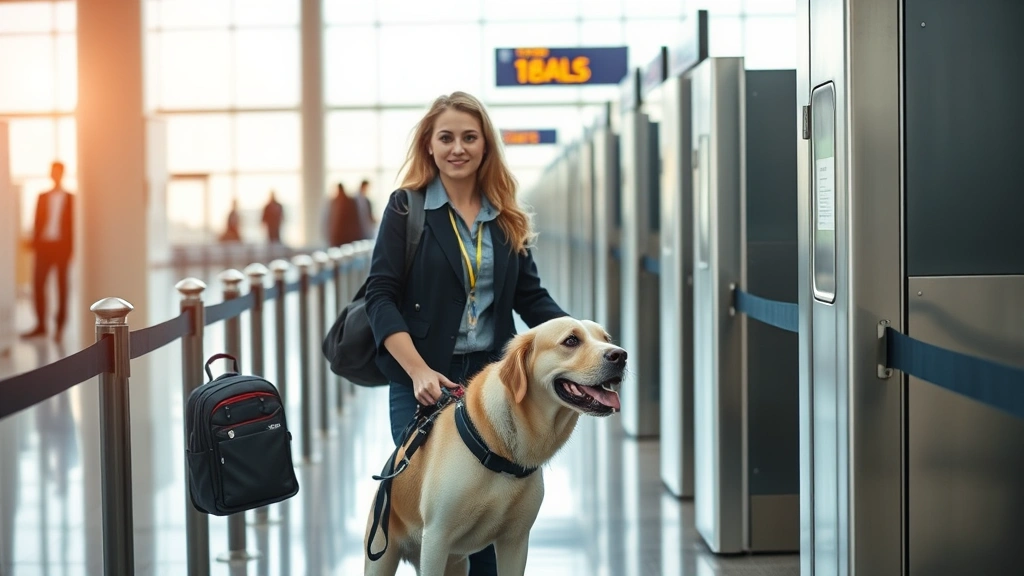
Service Animal Travel Documentation: A Telehealth Guide to Flying and Transportation
Traveling with a service animal requires meticulous documentation and advance planning. Whether you’re flying domestically, crossing international borders, or using public transportation, having the right paperwork—obtained efficiently through telehealth—can make the difference between a seamless journey and significant delays. Service animals perform critical tasks for individuals with disabilities, from guiding those with visual impairments to alerting diabetics to dangerous blood sugar levels. However, airlines, hotels, and transportation authorities require specific documentation to verify your animal’s status and ensure compliance with federal regulations.
Telehealth has revolutionized how individuals obtain service animal documentation, allowing you to connect with licensed healthcare providers from home without lengthy in-person appointments. This guide explores the essential documents needed for service animal travel, how telehealth streamlines the verification process, and what to expect when navigating airports, hotels, and interstate transportation with your certified companion.
Understanding Service Animals vs. Emotional Support Animals
The distinction between a service animal and an emotional support animal letter for apartment purposes is critical for travel documentation. Under the Americans with Disabilities Act (ADA), a service animal is a dog (or miniature horse) individually trained to perform specific tasks or do work directly related to a person’s disability. These tasks might include mobility assistance, seizure alert, psychiatric crisis intervention, or diabetes management.
Emotional support animals (ESAs), by contrast, provide comfort through companionship alone and are not trained to perform specific disability-related tasks. This distinction matters significantly for travel. The ADA and Department of Transportation regulations provide robust protections for service animals traveling by air, allowing them to accompany handlers in the aircraft cabin at no charge. ESAs, however, are not granted the same travel privileges and may be subject to standard pet policies, including fees and crate requirements.
When obtaining travel documentation through telehealth, healthcare providers must clearly establish whether your animal qualifies as a service animal based on your disability and the specific tasks it performs. This distinction directly impacts which documentation you’ll need and which travel accommodations you can legally request.
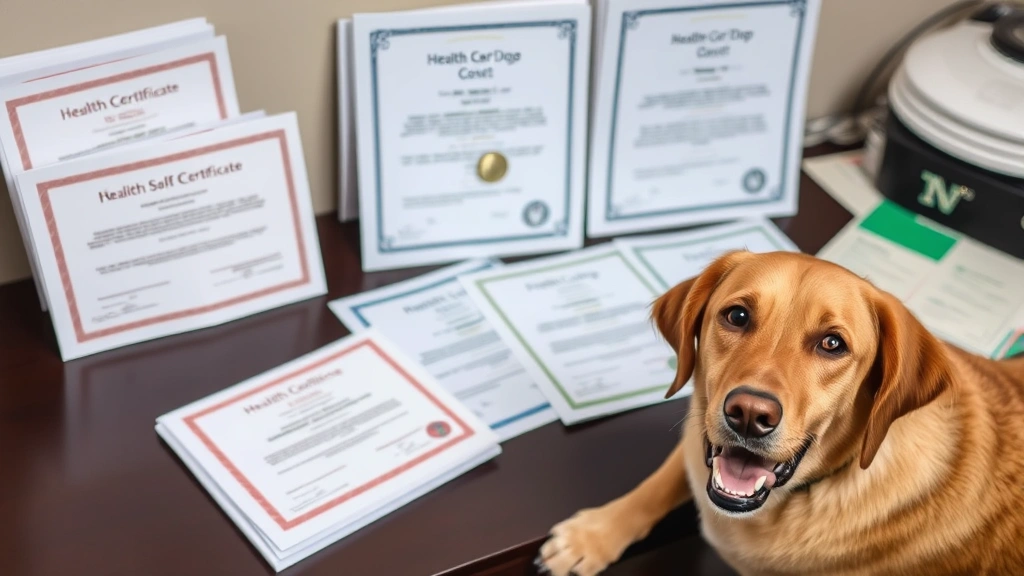
Federal Requirements for Service Animal Travel Documentation
The U.S. Department of Transportation and the ADA define specific requirements for service animal travel. While the ADA doesn’t mandate a specific form or certification, airlines may request documentation to verify your animal’s legitimacy, particularly if the animal’s disability-related purpose isn’t immediately obvious.
The DOT’s Air Carrier Access Act (ACAA) allows airlines to request a DOT Service Animal Air Travel Form (Form 1) up to 48 hours before departure. This form must be completed by a licensed healthcare provider and confirms that your animal is trained to perform disability-related tasks. Importantly, the form cannot ask what specific tasks your animal performs—only whether it performs tasks related to your disability.
Beyond the DOT form, documentation should include:
- Proof of vaccination and health clearance from a licensed veterinarian
- Animal identification documents such as microchip registration and photos
- Training certification from a recognized service animal organization (if applicable)
- Letter from a licensed healthcare provider confirming your disability and the animal’s service status
- International health certificates for travel outside the United States
Telehealth providers can generate the healthcare provider letter component efficiently, often within 24 hours, eliminating the need for time-consuming in-person appointments.
Telehealth Consultations for Travel Verification
Telehealth platforms have democratized access to healthcare provider verification for service animal travel. Instead of scheduling an in-person appointment weeks in advance, you can now connect with licensed physicians, psychiatrists, or nurse practitioners via video consultation and receive documentation the same day or within 48 hours.
During a telehealth consultation for service animal travel verification, the healthcare provider will:
- Review your medical history and current disability diagnosis
- Discuss the specific tasks your service animal performs
- Verify the animal’s training and behavioral reliability
- Assess your functional limitations and how the animal mitigates them
- Complete the DOT Service Animal Air Travel Form or custom letter
The advantage of telehealth is convenience and speed. You don’t need to arrange transportation, take time off work, or wait weeks for an appointment. Video consultations work equally well for documenting service animals—the provider can ask all necessary questions, review relevant medical records, and make determinations about your disability and the animal’s service status.
When choosing a telehealth provider for service animal documentation, ensure they:
- Hold a current, active medical license in your state
- Have experience with disability documentation and service animals
- Understand federal travel requirements and ADA standards
- Provide documentation that meets airline and TSA standards
- Offer quick turnaround times for travel planning
Reputable telehealth platforms specializing in accommodation letters and disability documentation typically verify provider credentials and ensure compliance with state medical licensing requirements.
TSA and Airline Documentation Standards
The Transportation Security Administration (TSA) has specific protocols for screening service animals at airport security checkpoints. Service animals are not required to pass through metal detectors or X-ray machines; instead, they’re screened using alternative methods. However, TSA officers may ask questions to verify your animal’s service status, and having proper documentation expedites this process.
When you arrive at airport security, inform the TSA officer that you’re traveling with a service animal. You may be asked:
- What is your disability? (You’re not required to disclose specifics; you can simply state it’s a mobility disability, psychiatric disability, etc.)
- What task does your animal perform? (For example: “My dog alerts me to seizures” or “My dog helps me navigate when I cannot see.”)
- Is your animal a dog? (TSA recognizes dogs and miniature horses only)
While TSA doesn’t legally require specific documentation, having a housing accommodation letter or DOT form from a healthcare provider strengthens your position if TSA questions your animal’s legitimacy. This is especially important if your service animal doesn’t have obvious visual indicators of its training or if you have an invisible disability.
Each airline has slightly different requirements, though all must comply with federal law. Most major carriers (United, American, Delta, Southwest, etc.) require:
- Advance notice of travel with a service animal (usually 24-48 hours)
- Confirmation that the animal is a trained service dog or miniature horse
- A completed DOT Service Animal Air Travel Form if requested
- Current health and vaccination records
Airlines cannot charge fees for service animals, cannot require them to sit in specific seats, and cannot force them into carriers or crates. They must allow the animal to remain with you throughout the flight in the cabin.
International Travel with Service Animals
International travel with a service animal is significantly more complex than domestic flights. Each country has different regulations regarding service animal entry, quarantine requirements, and documentation standards. Some nations require advance permits, health certificates, and even specialized training certifications recognized by their government.
Common international documentation requirements include:
- International Health Certificate (Form APHIS 7001) for travel to most countries outside the U.S.
- Microchip documentation proving your animal’s identification
- Rabies vaccination certificate (required by nearly all countries)
- Country-specific permits or import licenses obtained weeks in advance
- Veterinary health examination completed within 10 days of travel
- Airline-specific forms for international routes
When traveling internationally with a service animal, consult the U.S. Department of Agriculture’s APHIS Pet Travel page and contact your destination country’s embassy or veterinary authorities. Additionally, your telehealth provider can issue a letter confirming your disability and the animal’s service status, which may be required by customs officials.
Some countries don’t recognize the U.S. ADA and may treat service animals as pets, requiring them to be crated and charged accordingly. Research your destination thoroughly before booking international flights.
Hotel and Ground Transportation Requirements
Beyond air travel, service animals frequently accompany handlers in hotels, rental cars, ride-shares, and public transit. While the ADA requires hotels to allow service animals in all guest areas, documentation may still be requested, particularly if the animal’s disability-related purpose isn’t immediately apparent.
When checking into a hotel with a service animal:
- Inform the front desk that you’re traveling with a service animal, not a pet
- Have your documentation available if asked
- Hotels cannot charge pet fees for service animals
- Your animal can accompany you to restaurants, elevators, and other guest areas
- Hotels cannot require your animal to stay in a crate or be left alone
For ground transportation, Uber and Lyft explicitly allow service animals at no charge. Amtrak and other public transit systems have specific service animal policies that generally align with federal ADA standards. Having documentation from a workplace accommodation letter for employer or healthcare provider can help if any transportation provider questions your animal’s status.
Rental car companies typically allow service animals without additional charges. When booking, mention you’ll be traveling with a service animal so the company can note your reservation appropriately.
Preparing Your Documentation Package
To travel smoothly with your service animal, create a comprehensive documentation package and keep copies in multiple locations: your phone, a physical folder, and your email.
Essential documents to include:
- DOT Service Animal Air Travel Form (Form 1) completed by your healthcare provider
- Healthcare provider letter on official letterhead confirming your disability and the animal’s service status
- Veterinary health certificate dated within 10 days of travel
- Vaccination records, particularly rabies certification
- Microchip registration documentation
- Photos of your service animal (clear, current images from multiple angles)
- Animal identification documents (breed, color, distinguishing marks)
- Training certification (if available from a recognized organization)
- Airline confirmation of your reservation with service animal notation
- International health certificate (for international travel)
When preparing these documents, work with your telehealth provider to ensure the healthcare letter and DOT form are completed accurately and on official letterhead. Telehealth platforms specializing in remote work accommodation letters and disability documentation understand federal travel standards and can generate compliant paperwork.
Keep your documentation organized and easily accessible during travel. TSA, airline staff, and hotel personnel may request verification, and having everything readily available prevents delays and complications.
Frequently Asked Questions
Can I obtain service animal documentation entirely through telehealth?
Yes. Licensed healthcare providers can conduct video consultations, review your medical history, verify your disability, confirm your animal’s training and tasks, and complete DOT forms and healthcare provider letters entirely through telehealth. The provider must be licensed in your state and have legitimate clinical interaction with you.
How quickly can I get service animal travel documentation?
Telehealth providers specializing in disability documentation can often complete the process within 24-48 hours. Some offer same-day service for urgent travel needs. Traditional in-person appointments typically take weeks to schedule.
Does my service animal need special airline approval?
You should notify your airline 24-48 hours before travel that you’re flying with a service animal. While you don’t need pre-approval, advance notice allows the airline to accommodate your needs. Be prepared to present documentation if requested.
What if an airline refuses to allow my service animal in the cabin?
Airlines cannot refuse cabin access to legitimate service animals. If this occurs, reference the Department of Transportation’s Air Carrier Access Act regulations and provide your documentation. Contact the airline’s disability services department or file a complaint with the DOT if necessary.
Are emotional support animals covered by the same travel rules as service animals?
No. ESAs are not granted cabin access on airplanes and are subject to standard pet policies, including crates and fees. Only service animals trained to perform disability-related tasks receive ADA and ACAA protections for air travel.
Can I get documentation if my service animal doesn’t have formal training certification?
Yes. The ADA doesn’t require formal certification or training from recognized organizations. If your animal performs disability-related tasks—whether trained formally or through individual conditioning—a healthcare provider can document its service animal status. However, having some training documentation strengthens your case.
What happens if TSA questions my service animal at security?
Remain calm and factual. Explain your disability (without oversharing) and describe the tasks your animal performs. Present your documentation. If TSA denies your animal cabin access, this is rare for legitimate service animals; contact the TSA’s Disability Services office or file a complaint if this occurs.
Do international countries recognize U.S. service animal documentation?
Not automatically. Each country has its own regulations. Your U.S. documentation is a starting point, but you’ll likely need country-specific permits, health certificates, and possibly microchip registration recognized internationally. Contact your destination country’s agricultural or customs department for specific requirements.