
Traveling with Service Animals: Legal Documentation Guide
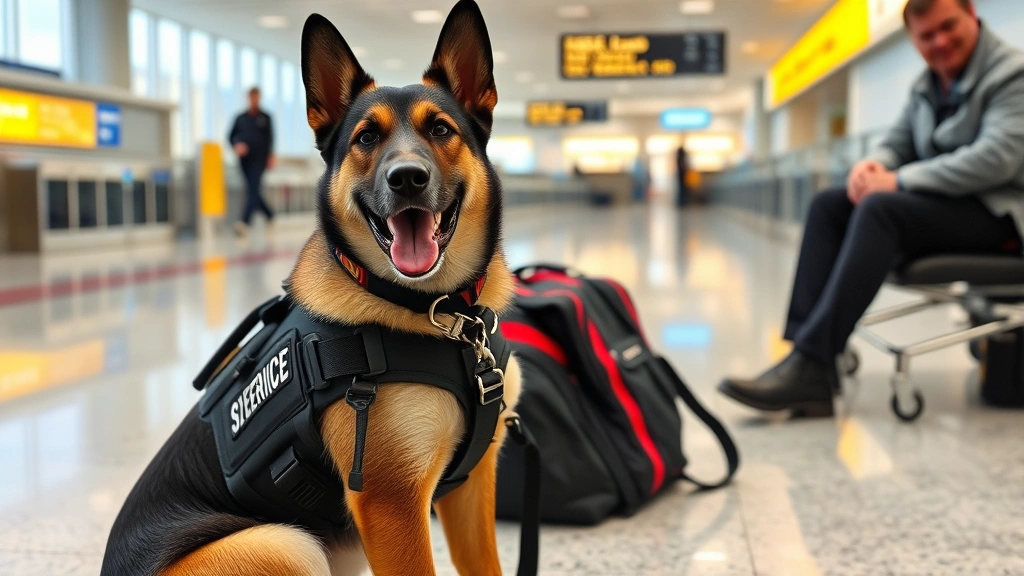
Traveling with a service animal requires careful planning and proper legal documentation to ensure smooth journeys across different transportation modes and destinations. Service animals—dogs and, in rare cases, miniature horses—perform critical tasks for individuals with disabilities, including guiding people who are blind, alerting those with hearing loss, retrieving items, detecting seizures, and providing mobility assistance. When traveling, your service animal may encounter various regulatory requirements, security protocols, and access questions from transportation providers and accommodations. Understanding your legal rights and maintaining comprehensive documentation protects both you and your animal, reducing stress and preventing unnecessary denials of access.
The legal framework governing service animal travel spans multiple federal laws, including the Americans with Disabilities Act (ADA), the Air Carrier Access Act (ACAA), and the Fair Housing Act (FHA). Each transportation method—air, rail, bus, and automobile—has distinct requirements and documentation standards. Hotels, cruise ships, and rental properties also have specific service animal policies governed by federal disability rights laws. This comprehensive guide walks you through the documentation requirements, legal protections, and practical strategies for traveling confidently with your service animal, whether domestically or internationally.
Understanding Service Animal Legal Status
Under the ADA, a service animal is a dog trained to perform specific tasks or work for a person with a disability. The ADA does not require service animals to wear vests, ID cards, or carry documentation papers. However, this does not mean documentation is unnecessary for travel—many transportation providers and accommodations require verification beyond the ADA’s minimal legal threshold. The distinction between a service animal and an emotional support animal (ESA) is critical: emotional support animals provide comfort through companionship but are not trained to perform disability-related tasks, and they receive different legal protections depending on the context.
Service animals are allowed in all public spaces where the public is normally permitted, including planes, trains, buses, hotels, and restaurants. However, transportation providers and facilities may ask two specific questions to verify service animal status: (1) Is the dog a service animal required because of a disability? and (2) What work or task has the dog been trained to perform? You are not required to provide formal documentation or identification, but having comprehensive records strengthens your position if disputes arise. Many travelers find that providing documentation voluntarily prevents confrontations and streamlines the process.
The ADA’s minimal documentation requirement creates a gray zone where transportation providers and accommodations sometimes demand more than the law requires. Airlines, for example, may request veterinary health certificates (required by USDA for health and safety), but they cannot require proof of training or certification from the service animal organization. Understanding this distinction prevents you from providing unnecessary personal medical information or surrendering privacy rights while still complying with legitimate regulatory requirements.
Essential Documentation for Air Travel
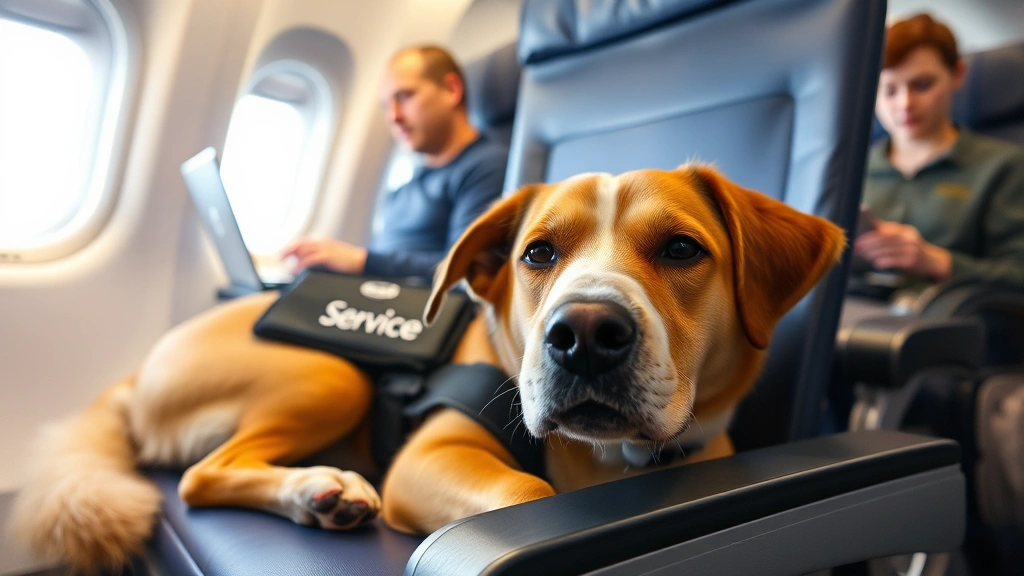
Air travel with a service animal requires coordination with the airline at least 48 hours before departure. The Air Carrier Access Act (ACAA) mandates that airlines allow service animals in the cabin free of charge, without requiring pet fees or advance notice (though notifying the airline is strongly recommended). However, airlines are permitted to require specific documentation that goes beyond the ADA’s baseline requirements.
Required Documentation for Airlines:
- Veterinary Health Certificate: Most airlines require a health certificate issued by a licensed veterinarian within 10 days of travel, confirming the animal is fit to fly and free from contagious diseases. This is a USDA requirement, not an ADA requirement, but airlines enforce it.
- Vaccination Records: Current rabies vaccination documentation is typically required by airlines and may be requested by destination countries or states.
- Airline Service Animal Form: Many carriers (United, American, Delta, Southwest) provide their own service animal declaration forms that you complete and return before travel. These forms ask about the animal’s behavior, training, and your disability—but you can decline to answer disability-specific questions on privacy grounds.
- Proof of Training (Optional but Recommended): While airlines cannot legally require certification, providing documentation from a recognized service dog organization (Assistance Dogs International, International Association of Canine Professionals) can preempt disputes. This documentation should confirm task training, not your specific disability.
Create a professional accommodation letter that describes your service animal’s training and tasks without disclosing your disability diagnosis. Airlines sometimes misuse medical information, so keep documentation focused on the animal’s function rather than your condition. Keep digital copies of all documents in cloud storage and carry printed copies in your carry-on bag.
If an airline denies boarding or requests documentation beyond what is legally required, ask for the specific regulation or policy in writing. Request the airline’s disability accommodations contact and file a complaint with the U.S. Department of Transportation if the denial appears discriminatory. Document the date, time, airline staff member’s name, and exact reason for denial.
Land and Water Transportation Requirements
Service animals on trains, buses, and other ground transportation have different documentation requirements than air travel. Amtrak allows service animals in sleeping cars, coach seats, and accessible accommodations at no additional charge. Unlike airlines, Amtrak does not require advance notification or formal documentation, though providing information voluntarily can prevent boarding disputes. The Americans with Disabilities Act requires all public transportation systems to allow service animals, but documentation standards vary by provider.
Documentation for Different Transportation Types:
- Intercity Buses: Greyhound and similar carriers allow service animals in the cabin but may request verification. A simple letter confirming service animal status and training is typically sufficient. No health certificates are required for ground transportation.
- Public Transit: Local buses and trains must accommodate service animals under the ADA but rarely request documentation. Carrying a simple service animal ID or vest can prevent casual harassment from other passengers, though these are not legally required.
- Cruise Ships: Cruise lines have stricter requirements than other transportation. Most major cruise lines require advance notice, health certificates, and sometimes proof of training. Some lines restrict service animals to specific cabins. Contact the cruise line’s disability services department at least 30 days before boarding to understand their specific policies.
- Rental Cars: Car rental companies must accommodate service animals under the ADA and FHA. No special documentation is required, though notifying the company in advance prevents misunderstandings. Service animals cannot be charged pet fees.
For land and water transportation, maintain a portable documentation package including a veterinary health certificate, vaccination records, and a brief letter describing your service animal’s tasks. This documentation is primarily defensive—it protects you if a transportation provider challenges your access rights.
Accommodations and Housing During Travel
Hotels, vacation rentals, and other temporary accommodations must allow service animals under the Fair Housing Act and ADA, regardless of their pet policies. However, documentation standards differ from transportation. Housing accommodations must be provided without pet fees or deposits, and service animals cannot be isolated from your room or restricted to certain areas based on pet policies.
When booking accommodations, identify yourself as traveling with a service animal and provide basic information about the animal’s behavior and training. Many hotels request a simple form confirming the animal is a service dog and describing its tasks. You are not required to disclose your disability or provide medical documentation. If a hotel requests your disability diagnosis or demands proof of disability, politely decline and offer task-based information instead: “My service dog is trained to alert me to blood pressure changes and retrieve medication. The dog does not bark excessively and is fully housetrained.”
Some accommodations incorrectly classify service animals as pets and attempt to charge fees or require additional deposits. Firmly correct this misunderstanding by referencing the ADA and FHA. If the accommodation persists, escalate to the manager, file a complaint with HUD’s Fair Housing office, or contact a disability rights organization in that state.
For international travel, research destination country requirements well in advance. Some countries require import permits, additional health certifications, or quarantine periods for service animals. Comprehensive medical and behavioral documentation becomes essential when crossing international borders. Contact the destination country’s agriculture and customs departments at least 60 days before travel to understand their specific requirements.
International Travel Considerations
Traveling internationally with a service animal significantly increases documentation requirements. While the ADA protects you in the United States, other countries have different service animal laws, quarantine requirements, and import regulations. The European Union recognizes service dogs and generally allows them in public spaces, but documentation and training standards vary by member country.
International Documentation Essentials:
- Microchip Documentation: Most countries require service animals to be microchipped for identification and tracking. Obtain microchip information and ensure it is registered internationally.
- Health Certificates: Obtain an International Health Certificate (Form AAFCO) from a licensed veterinarian, confirming vaccinations, health status, and fitness for travel. This document is recognized by most countries’ customs and agriculture departments.
- Import Permits: Many countries require advance import permits for service animals. Contact the destination country’s agriculture ministry or customs agency to determine specific requirements and obtain necessary paperwork.
- Training Documentation: International travel may require proof of training from recognized service dog organizations. Obtain formal training certification if traveling to countries with strict service animal standards.
- Rabies Titer Test: Some countries require a rabies titer test (blood test confirming rabies immunity) performed at least 30 days before travel. This is more stringent than standard vaccination records.
Schedule a veterinary appointment 8-12 weeks before international travel to begin the documentation process. Some veterinarians specialize in international health certificates and can guide you through country-specific requirements. Maintain all original documents in waterproof carriers and keep digital copies accessible online.
Handling Documentation Disputes
Despite having proper documentation, you may encounter transportation providers or accommodations that deny access or request inappropriate information. Understanding your legal rights and documentation strategy helps you respond effectively without surrendering privacy or legal protections.
Common Documentation Disputes and Responses:
- Demands for Disability Diagnosis: You are never required to disclose your specific disability. Respond: “I’m not required to disclose my medical diagnosis, but I can confirm my service dog is trained to perform specific tasks related to my disability.”
- Requests for Certification or Licensing: The ADA does not require service animal certification or licensing. If challenged, explain: “The ADA does not require service animals to be certified or licensed. I can describe my dog’s training and tasks, but certification is not a legal requirement.”
- Denial Based on Animal Behavior: If a provider claims your service animal is disruptive, ask for specific examples. If the animal has legitimately misbehaved, you can be denied access, but isolated incidents do not justify blanket denial. Request the provider’s specific policy in writing.
- Inappropriate Documentation Requests: If a provider requests documentation that appears discriminatory (asking for certification when others are not asked, demanding disability proof, charging fees), document the request, staff member’s name, and date. File a complaint with the appropriate federal agency.
When disputes arise, remain calm and factual. Provide clear, brief explanations of your legal rights without becoming defensive. If the provider continues to deny access despite your documentation and explanations, ask for the decision in writing and contact the appropriate federal enforcement agency: EEOC for employment-related discrimination, HUD for housing discrimination, or the Department of Transportation for airline and transportation disputes.
The Job Accommodation Network (JAN) provides free consultation on disability accommodation disputes and can help you understand your rights and develop response strategies. Many disability rights organizations also provide legal guidance for service animal access disputes.
FAQ
Do I need to carry legal documentation for my service animal when traveling?
The ADA does not legally require documentation, but carrying comprehensive records—veterinary health certificates, vaccination proof, and a professional letter describing your service animal’s training—significantly simplifies travel. Documentation is particularly essential for air travel, international travel, and accommodations that may question your service animal’s legitimacy.
What is the difference between a service animal and an emotional support animal for travel purposes?
Service animals are trained to perform specific disability-related tasks and receive legal protection across all transportation and accommodations under the ADA and ACAA. Emotional support animals provide comfort through companionship but are not trained to perform tasks. ESAs have limited legal protections during air travel and may be charged pet fees by most transportation providers and accommodations.
Can airlines require proof of service animal training or certification?
Airlines cannot legally require certification under the ACAA, as the ADA does not mandate service animal certification. However, they can require veterinary health certificates (USDA requirement) and may request information about the animal’s training and behavior. Providing voluntary documentation from a recognized service dog organization can prevent disputes, but you cannot be required to obtain certification.
What documentation do I need for international service animal travel?
International travel requires a veterinary health certificate (Form AAFCO), current vaccination records (especially rabies), microchip documentation, and import permits from the destination country. Some countries require rabies titer tests and proof of training. Contact the destination country’s agriculture and customs departments 60+ days before travel to understand specific requirements.
Can a hotel charge me a pet fee for my service animal?
No. Under the Fair Housing Act and ADA, hotels cannot charge pet fees, deposits, or rent for service animals. If a hotel attempts to charge fees, explain that service animals are not pets and are legally protected accommodations. If the hotel persists, contact HUD’s Fair Housing office or a disability rights organization.
What should I do if a transportation provider denies me access with my service animal?
Request the specific regulation or policy justifying the denial in writing. Document the date, time, staff member’s name, and reason. If the denial appears discriminatory, file a complaint with the appropriate federal agency (DOT for airlines, EEOC for employment, HUD for housing). Contact a disability rights organization or attorney for guidance on your specific situation.
Are service animal vests and ID cards legally required?
No. Vests and ID cards are not legally required by the ADA. However, many travelers find them helpful for preventing casual harassment from other passengers or staff members. Using a vest or ID is optional and should be based on your comfort level and travel circumstances.