
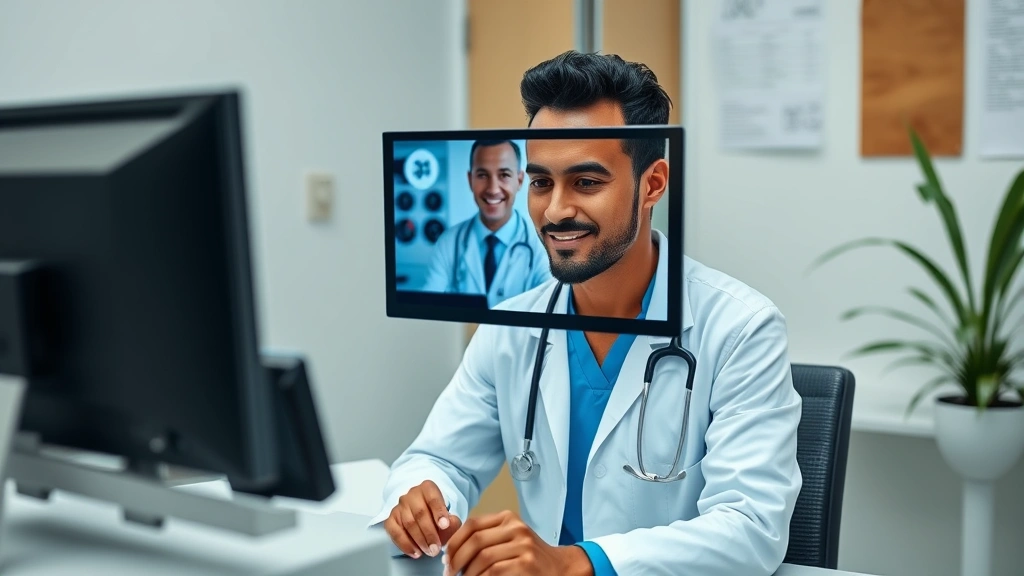
Telehealth Doctor Notes: Valid for Work Accommodations?
The rise of telehealth has transformed how millions access medical care. Virtual appointments offer convenience, accessibility, and often faster scheduling than in-person visits. But when it comes to workplace accommodations, many employees and employers wonder: Are telehealth doctor notes legally valid for requesting workplace accommodations? The short answer is yes—but with important nuances that affect credibility, enforceability, and employer acceptance.
Telehealth-generated medical documentation can absolutely support workplace accommodation requests under the Americans with Disabilities Act (ADA) and state disability laws. However, the validity depends on several factors: the qualifications of the telehealth provider, the depth of the clinical evaluation, your employer’s policies, and whether the documentation meets legal standards for functional limitation assessment. Understanding these distinctions helps you secure the accommodations you need without unnecessary friction.
This guide explores the legal standing of telehealth doctor notes, best practices for obtaining them, and strategies for ensuring your accommodation request succeeds.
Legal Validity of Telehealth Doctor Notes
Telehealth doctor notes are legally recognized as valid medical documentation in most U.S. jurisdictions, provided they come from a licensed healthcare provider operating within their scope of practice. The ADA does not distinguish between in-person and virtual medical evaluations—what matters is the credentials of the provider and the quality of the clinical assessment.
According to guidance from the EEOC’s enforcement guidance on disability discrimination, employers must evaluate medical documentation based on its reliability and whether it adequately describes functional limitations. A telehealth note from a licensed physician, nurse practitioner, or physician assistant can meet these standards if it includes:
- The provider’s credentials and license number
- Specific diagnosis or functional limitations (not vague descriptions)
- Duration of the condition (temporary or permanent)
- How the condition affects major life activities or job functions
- Recommended accommodations with clinical rationale
The legal framework supporting telehealth documentation includes state medical practice acts, which generally allow licensed providers to conduct virtual evaluations and issue medical certifications. Most states now explicitly permit telehealth prescriptions and medical documentation when a proper provider-patient relationship exists.
EEOC & ADA Standards for Medical Documentation
The Equal Employment Opportunity Commission (EEOC) has clarified that reasonable accommodation requests require sufficient medical documentation to establish a disability under the ADA. This documentation must show that an employee has a physical or mental impairment that substantially limits a major life activity.
For workplace accommodations specifically, your telehealth doctor note should address:
- Functional Limitations: Describe how your condition affects your ability to perform essential job functions (standing, typing, concentrating, attending meetings, etc.).
- Objective vs. Subjective Information: While telehealth can capture subjective symptoms, employers often value notes that reference objective findings (test results, clinical observations, measurable metrics).
- Accommodation Nexus: Explain why each requested accommodation is necessary and how it addresses your specific limitations.
- Provider Authority: The note must be from someone with expertise in your condition. A telehealth primary care doctor can recommend accommodations, but a specialist’s note carries more weight for complex conditions.
The ADA requires that accommodations be reasonable—meaning effective without causing undue hardship to the employer. Your telehealth doctor note strengthens your request by demonstrating medical necessity, not just preference.

” alt=”Professional healthcare provider conducting a telehealth video consultation with patient on computer screen in home office setting”>
Telehealth Limitations & Employer Concerns
Despite legal validity, telehealth-generated documentation faces real-world skepticism from some employers and HR departments. Understanding these concerns helps you address them proactively.
Common Employer Concerns:
- Lack of Physical Examination: Some employers assume telehealth providers cannot adequately assess conditions without in-person examination. While this isn’t always true, it’s a perception you may encounter.
- Unfamiliarity with the Provider: Employers may question whether a telehealth provider truly knows your medical history, especially if it’s your first virtual visit.
- Quality Inconsistency: Not all telehealth platforms maintain the same standards. Notes from less-regulated platforms may carry less credibility.
- Speed of Diagnosis: Employers sometimes view rapid telehealth diagnoses with skepticism, assuming thorough evaluation requires more time.
- Prescription Pill Mills Perception: Unfair as it is, some employers associate telehealth with low-quality care, conflating legitimate virtual medicine with unethical practices.
The reality is that many telehealth providers deliver excellent care and comprehensive evaluations. Board-certified physicians conducting video consultations can thoroughly assess functional limitations, review medical history, and recommend appropriate accommodations. However, perception matters in workplace dynamics.
How to Strengthen Your Telehealth Documentation
If you’re obtaining a light duty work restriction letter from a doctor or other workplace accommodation letter via telehealth, follow these strategies to maximize credibility:
1. Choose a Reputable Telehealth Platform
Use established platforms with licensed, board-certified providers. Platforms like Teladoc, MDLIVE, Amwell, and major health systems’ telehealth programs maintain higher standards than unknown services. When your note comes from a recognized healthcare entity, employers take it more seriously.
2. Establish an Ongoing Relationship
Avoid one-off consultations if possible. If you have an existing relationship with a telehealth provider who knows your history, that note carries significantly more weight than a stranger’s assessment. Return patients benefit from continuity of care that strengthens documentation.
3. Request Detailed, Specific Notes
Ask your provider to include:
- Their full credentials (MD, DO, NP, PA) and license information
- Specific functional limitations with examples (e.g., “unable to stand for more than 30 minutes without pain” rather than “has back pain”)
- How limitations affect work performance
- Duration (acute vs. chronic condition)
- Clinical reasoning for recommended accommodations
- Prognosis and whether accommodations are temporary or ongoing
4. Combine with Supporting Documentation
Strengthen a telehealth note by pairing it with:
- Recent lab results, imaging reports, or diagnostic test results
- Prescriptions from your provider (demonstrates ongoing treatment)
- Records from specialists you see in-person
- Objective records of your condition (hospital discharge summaries, therapy notes, etc.)
This multi-source approach reduces reliance on a single telehealth evaluation.
5. Ensure Proper Formatting and Letterhead
Your accommodation request is stronger when the telehealth note arrives on official letterhead with the provider’s contact information, credentials, and license number clearly displayed. This professional presentation signals legitimacy to employers.
Improving Employer Acceptance
Even with solid telehealth documentation, you can take steps to smooth the accommodation request process with your employer.
Frame the Request Strategically
When submitting your medical disability documentation, provide context:
- Explain your provider’s qualifications and why they’re appropriate for your condition
- Note any in-person specialist care you’re also receiving
- Emphasize that telehealth is standard medical practice, not a shortcut
- Focus on functional limitations and accommodation necessity, not the delivery method
Offer to Provide Additional Information
Tell your HR department: “I’m happy to provide additional medical records, submit to an independent medical examination, or discuss my condition further to clarify any questions about my accommodation needs.” This openness reduces employer defensiveness.
Know Your Rights Under ADA and FMLA
Employers cannot legally reject your accommodation request solely because documentation came from telehealth. The ADA and FMLA medical certification requirements don’t exclude virtual providers. If your employer refuses without valid reason, you may have legal recourse. The Job Accommodation Network (JAN) offers free guidance on this.
Request Reasonable Accommodations in Writing
Submit your accommodation request in writing with your telehealth note attached. This creates a documented record and triggers your employer’s legal obligation to engage in the interactive process. Written requests are harder to dismiss casually.
FAQ
Can an employer reject my accommodation request because my doctor’s note is from telehealth?
No. Under the ADA, employers cannot reject accommodation requests based on the delivery method of medical documentation. What matters is whether the note comes from a licensed provider and adequately documents functional limitations. However, employers can request clarification or additional information if the documentation is unclear or incomplete.
Do I need in-person medical records to support a telehealth note?
Not necessarily, but they help. A single, comprehensive telehealth note from a qualified provider can stand alone. However, combining it with records from specialists, lab results, or other objective evidence strengthens your request and reduces employer skepticism.
What if my employer asks me to see their doctor for a second opinion?
Employers have the right to request independent medical examinations at their expense, but only for job-related reasons and only if they follow ADA procedures. Telehealth documentation doesn’t change this right. If requested, comply—it’s a standard part of the accommodation process.
Are telehealth notes valid for FMLA certification?
Yes. The Department of Labor permits FMLA medical certifications from telehealth providers, provided they’re licensed and conduct proper evaluations. Telehealth-based FMLA medical certification letters are legally valid.
How specific should my telehealth doctor’s note be?
Very specific. Vague notes (“patient has anxiety”) are weaker than detailed ones (“patient experiences panic attacks triggered by crowded spaces, limiting ability to attend in-person meetings; remote work accommodation recommended”). Ask your provider to explain the connection between your condition and your requested accommodations.
What if I don’t have a telehealth relationship and need a note quickly?
Many telehealth platforms offer same-day or next-day appointments. However, rushed evaluations may produce weaker documentation. If possible, schedule appointments with established providers who know your history, or consider seeing a specialist in-person for conditions requiring detailed assessment. Quality documentation is worth the wait.
Can I use a telehealth note from another state?
Yes, as long as the provider is licensed in a U.S. state and the telehealth platform complies with interstate medical practice regulations. Most major platforms handle multi-state licensing. Your employer cannot reject the note based on the provider’s location.
Should I tell my employer I got my doctor’s note from telehealth?
You don’t need to volunteer this information, but you shouldn’t hide it. If asked, be honest: “I obtained this from a board-certified physician via telehealth, which is standard medical practice.” Honesty builds trust; deception undermines your credibility.