Handicap Placard Letter: Expert Guidance Essentials
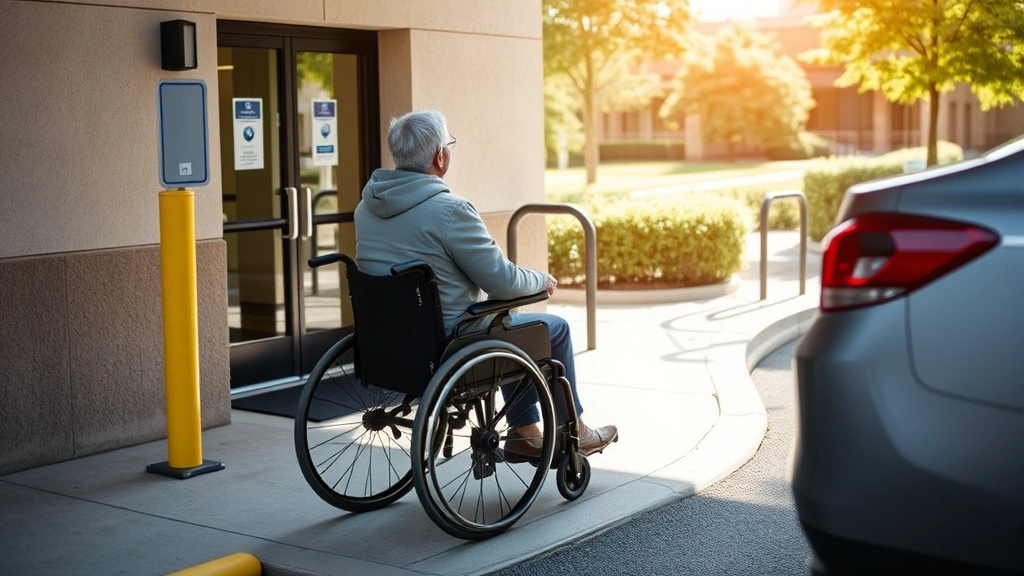
A handicap placard certification letter is a critical medical document that verifies your mobility limitations and authorizes you to use designated accessible parking spaces. This letter, issued by a licensed healthcare provider, serves as official proof of your disability-related parking needs and is required by most state Department of Motor Vehicle (DMV) offices to issue or renew a handicap placard. Whether you’re experiencing temporary mobility challenges from surgery, chronic pain conditions, or permanent disabilities affecting walking or standing, understanding how to obtain this certification is essential for maintaining your independence and accessing public spaces safely.
The process of obtaining a handicap placard certification letter involves working with your healthcare provider to document your functional limitations, submitting the letter to your state’s DMV along with an application, and receiving your placard. This guide walks you through each step, explains what medical professionals need to include in the letter, and provides practical advice for ensuring your application is approved quickly and smoothly.
What Is a Handicap Placard Certification Letter
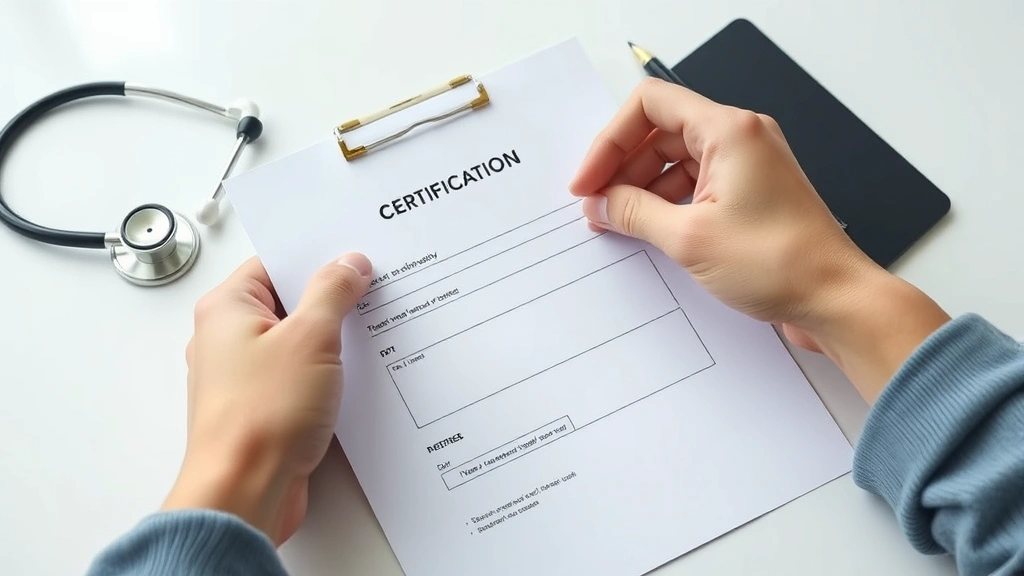
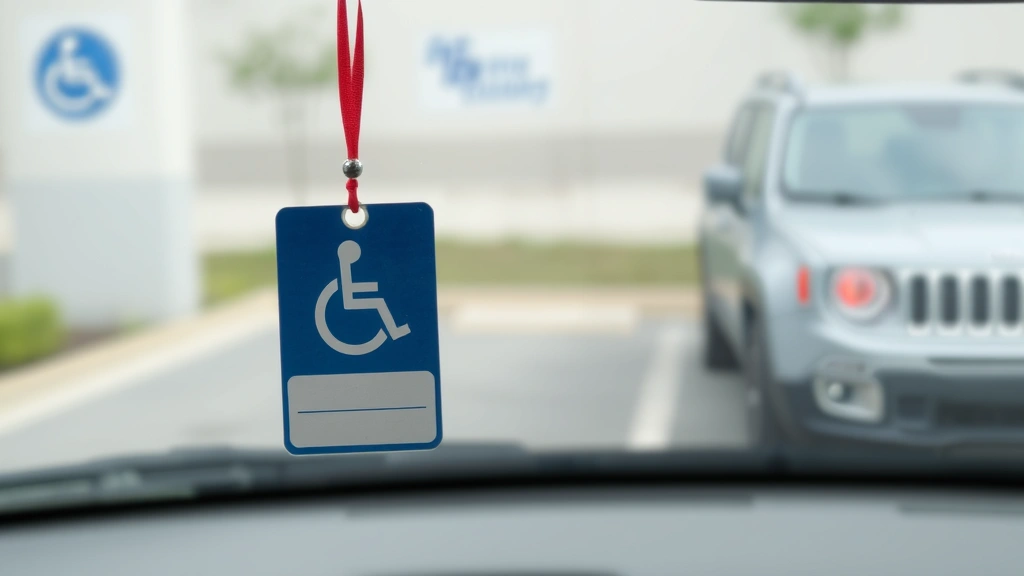
A handicap placard certification letter is an official medical document signed by a licensed physician, physician assistant, nurse practitioner, or other qualified healthcare provider that confirms you have a mobility-related disability. This letter serves as the medical foundation for your application to receive a handicap placard—a permit that allows you to park in designated accessible spaces reserved for people with disabilities. The placard itself is a hanging device or windshield decal that you display in your vehicle to indicate you have authorized mobility needs.
The certification letter is fundamentally different from a general general disability confirmation letter because it specifically addresses parking-related mobility limitations. It must document functional impairments that directly affect your ability to walk, stand, or access parking areas. States use this letter to verify that you meet their specific criteria for placard eligibility before issuing the permit.
Handicap placards are temporary or permanent depending on your condition. Temporary placards typically last 6 months and are issued for conditions like post-surgical recovery or acute injuries. Permanent placards are for lifelong disabilities and usually require renewal every 3-10 years depending on your state’s regulations. Your healthcare provider’s letter will specify whether your condition warrants temporary or permanent placard status.
Eligibility Requirements for Handicap Placards
Eligibility for a handicap placard varies slightly by state, but all states follow ADA (Americans with Disabilities Act) guidelines as a baseline. You generally qualify if you have a mobility disability that significantly limits your ability to walk or stand. Common qualifying conditions include:
- Permanent mobility impairments: Spinal cord injuries, cerebral palsy, multiple sclerosis, severe arthritis, or amputation
- Chronic pain conditions: Fibromyalgia, severe osteoarthritis, or degenerative disc disease affecting walking ability
- Cardiovascular or respiratory conditions: COPD, congestive heart failure, or severe asthma limiting exertion
- Neurological disorders: Parkinson’s disease, stroke recovery, or other conditions affecting balance and mobility
- Orthopedic injuries: Post-surgical recovery, fractures requiring weight-bearing restrictions, or joint replacements
- Intellectual or developmental disabilities: Conditions affecting safe independent navigation in parking areas
- Vision impairments: Severe visual disabilities that limit independent movement in parking environments
Your healthcare provider must document that your condition causes substantial functional limitation in walking or standing for extended periods. Most states require that you cannot walk more than 50-100 feet without significant assistance, pain, or risk of serious harm. Your letter must clearly establish this functional limitation connection to justify the placard.
Step-by-Step Process to Obtain Your Letter
Step 1: Schedule an Appointment With Your Healthcare Provider
Contact your primary care physician, specialist, or other licensed healthcare provider who is familiar with your medical condition and can document your functional limitations. If you don’t have an established provider, you may need to schedule an initial consultation. Explain that you need a handicap placard certification letter and ask if they can provide one. Many providers have experience with these letters and may have a template or form specific to your state.
Step 2: Gather Your Medical Documentation
Before your appointment, compile relevant medical records that support your mobility limitations. This includes diagnostic reports, imaging results, specialist evaluations, treatment history, and current medication lists. Having this documentation readily available helps your provider write a comprehensive and persuasive letter that clearly establishes your eligibility.
Step 3: Discuss Your Functional Limitations During Your Visit
During your appointment, clearly describe how your condition affects your daily mobility. Explain specific limitations like difficulty walking long distances, inability to stand for more than a few minutes, pain with ambulation, balance issues, or fatigue that makes parking far away dangerous. Provide concrete examples: “I can only walk about 50 feet before experiencing severe pain” or “I have balance issues that make navigating parking lots unsafe.” Your provider uses this information to write a detailed and specific letter rather than a generic one.
Step 4: Request the Specific Certification Letter
Ask your provider to write a letter that includes all required elements for your state’s DMV. You can provide your state’s DMV form or requirements to ensure compliance. Many states have specific language or formatting requirements, and providing these guidelines helps your provider create a letter that will be accepted without revision.
Step 5: Obtain the Signed Letter
Request that your provider print the letter on official letterhead, sign it, and include their license number, credentials, and contact information. The letter must be an original signed document—photocopies or electronic versions without a wet signature are typically not accepted by DMV offices. Ask when the letter will be ready and whether it will be mailed to you or available for pickup.

What Your Certification Letter Must Include
Your handicap placard certification letter must contain specific medical and legal information to be accepted by your state’s DMV. While requirements vary by state, most require the following elements:
- Provider credentials: The healthcare provider’s full name, license number, state of licensure, medical specialty, and contact information
- Official letterhead: The letter must be printed on the provider’s official medical practice letterhead
- Your identification information: Your full name, date of birth, driver’s license number, and address
- Diagnosis or condition: The medical condition or diagnosis that causes your mobility limitation (though some states allow functional description only)
- Functional limitations: Specific description of how your condition limits your ability to walk or stand, including distance or duration limitations
- Medical necessity statement: A clear statement that a handicap placard is medically necessary for your safety and independence
- Duration statement: Whether your condition is temporary or permanent, and expected duration if temporary
- Provider signature: An original handwritten signature (not a digital signature or typed name)
- Date of letter: The date the letter was written
For a more comprehensive understanding of functional documentation, review our guide on functional limitation verification letters, which explains how to document specific mobility restrictions clearly.
Working With Your Healthcare Provider
Building a strong relationship with your healthcare provider is essential for obtaining an effective handicap placard certification letter. Here are strategies for successful collaboration:
Be Honest and Specific About Your Limitations
Provide detailed, truthful information about how your condition affects your mobility. Exaggerating symptoms or fabricating limitations not only undermines the integrity of the process but can result in legal consequences if discovered. Your provider needs accurate information to write a legitimate letter that reflects your actual functional limitations.
Provide Relevant Medical Documentation
Bring copies of recent test results, specialist reports, imaging studies, or other documentation that supports your functional limitations. This evidence helps your provider write a more persuasive letter with specific medical backing rather than relying solely on your verbal description.
Ask for a doctor-signed handicap placard certification letter Format
Request that your provider format the letter according to your state’s DMV requirements. Provide your state’s official form or guidelines if available. This ensures the letter meets all legal requirements and reduces the chance of rejection or requests for revision.
Clarify Temporary vs. Permanent Status
Discuss with your provider whether your condition warrants a temporary or permanent placard. Temporary placards are appropriate for conditions expected to improve (post-surgery, acute injury), while permanent placards suit lifelong disabilities. Your provider should clearly state this in the letter with expected duration for temporary conditions.
Follow Up if Your Provider Seems Reluctant
If your provider expresses hesitation about writing the letter, ask them to explain their concerns. Perhaps they need more information about your functional limitations or want additional testing. Address their concerns professionally. If they still refuse despite legitimate medical need, consider seeking a second opinion from another qualified provider.
Submitting to Your State DMV
Once you have your certification letter, submitting it to your state DMV is the next critical step. The process varies by state, but generally follows these guidelines:
Contact Your State DMV
Visit your state’s DMV website or call their office to obtain the specific handicap placard application form and current requirements. Each state has different forms, procedures, and submission methods. Some states accept online applications, while others require in-person visits or mail submissions. Your state DMV website will provide clear instructions on how to apply.
Complete the Application Form
Fill out your state’s official handicap placard application form completely and accurately. Include your personal information, driver’s license number, vehicle information, and attach or include your certification letter. Some states require notarization of the application or letter, so check your state’s specific requirements before submitting.
Submit With Required Documentation
Submit your application along with your original signed certification letter, a copy of your driver’s license, and any other documents required by your state. Keep copies of everything you submit for your records. If submitting by mail, use certified mail with return receipt to confirm delivery.
Pay Any Required Fees
Most states charge a small fee for issuing or renewing handicap placards, typically $5-$25. Some states waive fees for disabled veterans or certain disability categories. Check your state’s fee structure and include payment with your application if required.
Wait for Processing and Approval
Processing times vary from a few days to several weeks depending on your state’s DMV workload. Most states will mail your placard to you once approved. Track your application status through your state’s DMV website if they offer online tracking. If you don’t receive your placard within the expected timeframe, contact the DMV to check on your application status.
Common Challenges and Solutions
Challenge: Your Healthcare Provider Refuses to Write the Letter
Solution: If your established provider refuses despite your legitimate medical need, seek a second opinion from another qualified healthcare provider. You have the right to medical care from willing providers. Document your functional limitations clearly for the new provider to help them understand your need for the placard.
Challenge: Your DMV Rejects Your Letter as Incomplete
Solution: Contact the DMV to learn specifically what information is missing. Common issues include missing provider credentials, no clear functional limitation statement, or lack of provider signature. Request that your healthcare provider revise the letter to include the missing elements. Submit the revised letter promptly to avoid delays.
Challenge: Your Condition Is Temporary and You’re Unsure of Duration
Solution: Ask your healthcare provider for their best estimate of recovery time. Even if uncertain, they can state something like “expected recovery period of 3-6 months” or “minimum 6-month temporary placard needed.” This gives you time to reapply if your recovery takes longer than initially expected.
Challenge: You Don’t Have an Established Healthcare Provider
Solution: Schedule an initial appointment with a primary care physician, urgent care clinic, or specialist relevant to your condition. Explain your need for a handicap placard letter. Many providers will write the letter after evaluating your condition, even if you’re new to their practice. Bring all relevant medical records from previous providers to support your case.
Challenge: Your Placard Application Takes Longer Than Expected
Solution: Contact your state DMV directly to check your application status. Ask if additional information is needed. If significant delays occur, request temporary accommodations or ask about interim solutions. Some states issue temporary placards while permanent ones are being processed.
FAQ
How long does it take to get a handicap placard after submitting my letter?
Processing times vary by state, typically ranging from 3 days to 3 weeks. Some states offer expedited processing for an additional fee. Check your state DMV’s website for specific timeframes and track your application online if available.
Can I use my certification letter to get a placard in a different state?
Most states accept handicap placards from other states for temporary reciprocal use (usually 30-90 days). However, to get a permanent placard in a new state, you’ll typically need a new certification letter from a licensed provider in that state, as states have varying requirements and want current medical documentation.
What happens if my condition improves and I no longer need the placard?
You can voluntarily surrender your placard to your DMV at any time. If your placard expires, simply don’t renew it. Continuing to use a placard when you no longer qualify is illegal and can result in fines or penalties.
Do I need to renew my handicap placard certification letter?
Yes, most states require periodic renewal of handicap placards and their supporting medical documentation. Temporary placards typically expire after 6 months, while permanent placards usually require renewal every 3-10 years depending on your state. Your DMV will notify you when renewal is needed.
Can I get a handicap placard letter from a telehealth provider?
Many states now accept letters from licensed telehealth providers, but requirements vary. Check your state DMV’s specific rules about telehealth documentation. Some states require at least one in-person evaluation, while others fully accept telehealth providers who are properly licensed in your state.
What’s the difference between a handicap placard and a license plate?
Handicap placards are temporary or permanent hanging permits you display in your windshield and can transfer between vehicles. Permanent license plates are specific to one vehicle and don’t transfer. Both require the same medical certification letter. Choose based on whether you need flexibility to use different vehicles or have one primary vehicle.
Is there a cost to get a handicap placard certification letter from my doctor?
Many healthcare providers write certification letters at no additional cost as part of standard patient care. However, some providers charge an office visit fee or a separate documentation fee ($25-$100). Ask about costs when you schedule your appointment so you’re not surprised.
Can a nurse practitioner or physician assistant write a handicap placard certification letter?
Yes, most states accept letters from licensed nurse practitioners, physician assistants, and other qualified healthcare providers, not just physicians. Check your state’s specific requirements, but generally any licensed provider who can document your functional limitations can write the letter.