
How to Obtain an Alternative Testing Environment Letter
Students with disabilities, learning differences, anxiety disorders, attention deficit conditions, and other medical conditions often require accommodations during examinations to demonstrate their true academic abilities. An alternative testing environment letter is a formal medical documentation that authorizes your school or testing organization to provide you with a separate, controlled space for taking exams—away from standard classroom settings. This accommodation can include reduced distractions, extended time, frequent breaks, assistive technology, or other modifications that level the playing field for students whose disabilities impact their test-taking performance.
Whether you’re preparing for standardized tests like the SAT or ACT, professional licensing exams, or in-class assessments, understanding how to obtain proper medical documentation is essential. This guide walks you through the process, explains what healthcare providers need to include in your letter, and helps you navigate the accommodation request process with confidence and clarity.
What Is an Alternative Testing Environment Letter?
An alternative testing environment letter is formal medical documentation written by a licensed healthcare provider that recommends accommodations for test-taking. This letter serves as evidence that you have a documented disability or medical condition that substantially limits your ability to take exams under standard conditions. The letter becomes the foundation for your accommodation request and must meet specific criteria set by your school’s disability services office or the testing organization.
Unlike a general medical note, an alternative testing environment letter must specifically address how your condition impacts your test-taking abilities and what environmental modifications would help you perform fairly. It’s not simply stating that you have a diagnosis—it’s demonstrating the functional limitations that warrant accommodation. The letter carries significant weight in the accommodation approval process and should be thorough, professional, and clinically sound.
These letters are commonly used for standardized testing (SAT, ACT, GRE, GMAT, MCAT, LSAT), professional licensing exams (bar exams, nursing boards, medical certifications), and academic institution exams (college midterms, finals, placement tests). Each testing body has slightly different requirements, but the core elements remain consistent.
Who Qualifies for Alternative Testing Accommodations?
Under the Americans with Disabilities Act (ADA) and Section 504 of the Rehabilitation Act, you may qualify for alternative testing accommodations if you have a documented disability that substantially limits a major life activity. Major life activities include learning, thinking, concentrating, and taking standardized tests. Qualifying conditions include:
- Learning disabilities (dyslexia, dyscalculia, dysgraphia)
- Attention disorders (ADHD, ADD)
- Anxiety disorders (generalized anxiety, test anxiety, social anxiety)
- Autism spectrum disorder
- Physical disabilities (mobility impairments, chronic pain, visual or hearing impairments)
- Psychiatric conditions (depression, bipolar disorder, PTSD)
- Chronic health conditions (fibromyalgia, chronic fatigue syndrome, diabetes)
- Neurological conditions (traumatic brain injury, epilepsy, migraine disorders)
- Sensory disabilities (blindness, deafness, low vision)
The key factor is demonstrating that your condition creates a functional limitation during testing that warrants accommodation. You don’t need a rare diagnosis—you need documented evidence that your condition impacts your ability to take exams under standard conditions.
Steps to Obtain Your Letter
Step 1: Schedule an Appointment With Your Healthcare Provider
Contact your primary care physician, psychiatrist, psychologist, neurologist, or other relevant specialist. Be specific about what you need: an alternative testing environment accommodation letter. Some providers are familiar with these requests; others may need guidance. If your regular provider seems unfamiliar with the process, ask if they can consult with your school’s disability services office about requirements.
Step 2: Prepare Documentation of Your Diagnosis
Gather existing medical records, test results, and prior evaluations that support your diagnosis. For learning disabilities, this typically includes psychoeducational testing. For ADHD, it includes clinical assessments and sometimes neuropsychological testing. For mental health conditions, it includes clinical notes documenting your diagnosis and treatment history. For physical or chronic conditions, it includes relevant medical records and specialist evaluations.
Step 3: Communicate Your Specific Needs
Tell your healthcare provider exactly what accommodations you’re requesting—extended time, separate testing room, frequent breaks, use of a computer, reader, scribe, or other modifications. Explain how your condition impacts each of these areas. For example: “My ADHD makes it difficult to maintain focus in a busy classroom environment, so I need a quiet, separate testing space and permission to take brief breaks every 30 minutes.”
Step 4: Request the Letter in Writing
Some providers will write the letter during your appointment; others prefer written requests. Provide a written request that includes your name, date of birth, the specific accommodation you need, and the testing context (SAT, college exams, professional licensure, etc.). You can also provide your school’s disability services contact information so your provider can reach out with questions.
Step 5: Review and Submit
Once you receive the letter, review it carefully to ensure it includes all required elements (see below). Make copies for your records and submit it to your school’s disability services office or directly to the testing organization, following their specific submission procedures.
What Must Be Included in the Letter
A legally defensible alternative testing environment letter must include specific elements to be accepted by schools and testing organizations. Here’s what your healthcare provider should include:
- Provider credentials: The provider’s name, title, license number, contact information, and date the letter was written
- Your identifying information: Your full name, date of birth, and the date you were evaluated
- Clear diagnosis: A specific diagnosis or diagnostic impression (not vague descriptions like “has issues with focus”)
- Basis for diagnosis: How the diagnosis was established (testing, clinical observation, medical records, duration of treatment)
- Functional limitations: Specific ways your condition impacts your ability to take tests in standard environments (concentration difficulties, anxiety symptoms, physical limitations, sensory challenges)
- Testing impact statement: An explicit statement explaining how your condition substantially limits your test-taking ability
- Specific accommodations: Clearly listed recommended accommodations (extended time, separate room, breaks, etc.) with rationale for each
- Duration: How long the accommodation should remain valid (typically 1-3 years)
- Professional signature: The provider’s original signature or digital signature verification
- Letterhead: Official provider or clinic letterhead
The letter should be written in professional medical language and directly connect your functional limitations to the recommended accommodations. Vague letters that don’t explain the connection between your condition and the accommodation request are frequently denied.
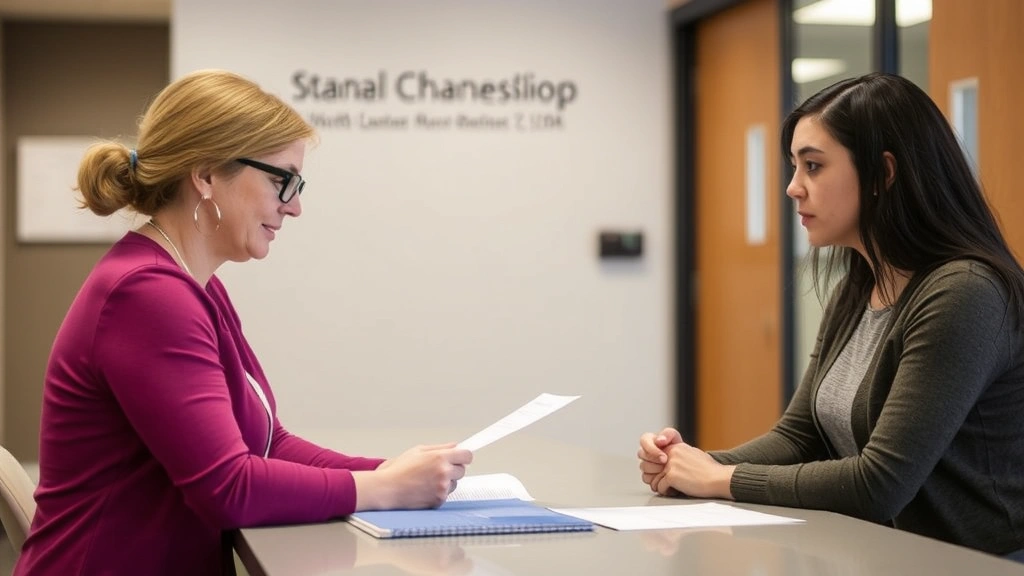
” alt=”Healthcare provider discussing testing accommodations with student during medical evaluation appointment”>
Working With Your Healthcare Provider
Your relationship with your healthcare provider is crucial to obtaining effective accommodation documentation. Here are strategies for successful collaboration:
Choose the Right Provider
Your provider should have relevant expertise. For learning disabilities, a psychologist or educational specialist is ideal. For ADHD, a psychiatrist or developmental pediatrician works well. For anxiety or mental health conditions, a psychologist or psychiatrist is appropriate. For physical conditions, your specialist in that area (neurologist, rheumatologist, orthopedist) should write the letter. Some providers are more experienced with accommodation letters than others—don’t hesitate to ask if they’ve written similar letters before.
Be Clear and Specific
Explain exactly how your condition affects your test-taking. Rather than saying “I have ADHD,” explain: “My ADHD causes difficulty maintaining attention for extended periods, particularly in high-distraction environments. I also experience time-blindness, which means I lose track of time during exams and need frequent breaks to refocus.” Specificity strengthens your case.
Provide Context
Share your testing history. If you’ve taken practice tests or exams and struggled, explain what happened. If you’ve used accommodations before and they helped, mention that. If you have a history of academic success with accommodations but struggle without them, that’s important context that supports your request.
Offer Guidance Documents
Many schools and testing organizations publish guidance on what they require in accommodation letters. Provide these to your healthcare provider. The College Board (SAT) and ACT both have detailed requirements. If your provider understands exactly what’s needed, they can write a more effective letter.
Ask Questions
If your provider seems uncertain about any aspect, ask for clarification. Would they be willing to consult with your school’s disability services office? Can they provide additional testing or evaluation if needed? Are they willing to revise the letter if it’s rejected and provide more specific information?
Submitting Your Documentation
Once you have your alternative testing environment letter, the submission process varies by institution:
For Standardized Tests (SAT, ACT, GRE, etc.)
Contact the testing organization’s accommodations office directly. Most require online submission through their accommodation request portal. You’ll typically need to provide your letter, documentation of diagnosis, and a completed accommodations request form. Processing times vary, so submit well in advance of your test date—typically 4-8 weeks before testing.
For College or University Exams
Submit your letter to your school’s disability services office or office for students with disabilities. They’ll review your documentation, verify you have a qualifying disability, and authorize accommodations across your academic career. You won’t need to resubmit for every exam once you’re registered with disability services.
For Professional Licensing Exams
Each licensing body has different procedures. The NABP (pharmacy boards), state bar associations, nursing boards, and medical boards all have accommodation policies. Research your specific exam’s requirements and submit according to their timeline.
Documentation Tips
Keep copies of everything you submit. Request written confirmation of receipt. Follow up if you don’t hear back within the stated timeframe. If your request is denied, ask for specific reasons—often you can address deficiencies by having your provider submit additional information or clarification.
Common Challenges and Solutions
Challenge: Your Provider Refuses to Write the Letter
Solution: Explain that this is standard medical documentation for students with disabilities. If they still refuse, seek a second opinion from another provider with relevant expertise. You have the right to request documentation of your disability from qualified healthcare professionals.
Challenge: The Letter Is Rejected by the School or Testing Organization
Solution: Request specific feedback on why it was denied. Common reasons include insufficient detail about functional limitations, vague language, outdated evaluation, or missing required elements. Ask your provider to revise and resubmit with the specific improvements requested.
Challenge: Your Diagnosis Is Recent, and You Don’t Have Extensive Documentation
Solution: Recent diagnoses are acceptable if properly documented. Your provider should explain the diagnostic process, any testing completed, and clinical observations supporting the diagnosis. If additional evaluation would strengthen your case, ask if your provider recommends psychological testing, neuropsychological evaluation, or other assessments.
Challenge: You’ve Never Been Formally Evaluated, Only Suspected You Have a Disability
Solution: Seek a formal evaluation before requesting accommodations. Contact your school’s disability services office—many schools offer free or low-cost evaluations for students. A psychoeducational evaluation for learning disabilities or ADHD assessment takes several hours but provides the documentation you need.
Challenge: Your Provider Writes a Generic Letter Without Specific Details
Solution: Request a revision. Explain that the letter needs to specifically connect your functional limitations to each accommodation you’re requesting. Provide your provider with examples of stronger letters or your school’s specific requirements.
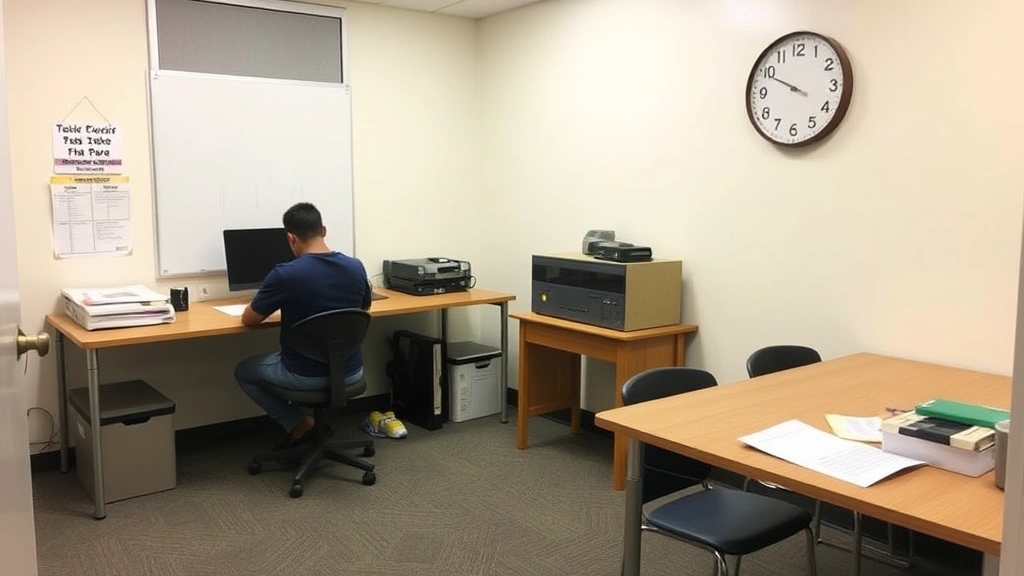
” alt=”Student in quiet testing room with accommodations for alternative testing environment”>
Obtaining an alternative testing environment letter is an important step toward academic fairness and success. With proper medical documentation, you can access the accommodations you need to demonstrate your true abilities. Don’t hesitate to reach out to your healthcare provider, your school’s disability services office, or organizations like the Job Accommodation Network (JAN) for guidance through this process.
Remember: requesting accommodations is not cheating or taking shortcuts. It’s leveling the playing field for students whose disabilities create barriers to test performance. With the right documentation and support, you can take tests in an environment where you can truly succeed.
FAQ
How long does it take to get an alternative testing environment letter?
It typically takes 1-4 weeks from your appointment request to receiving the letter, depending on your provider’s schedule and how quickly they can compile your medical records. Start the process 6-8 weeks before you need the letter to allow time for revisions or additional evaluation if needed.
Can I use a letter from a provider I saw years ago?
Most testing organizations and schools require evaluations from within the past 3 years. If your last evaluation is older, you may need a new one or at least an updated letter from your provider confirming your diagnosis and functional limitations remain the same. Ask your testing organization or school for their specific recency requirements.
Do I need a letter for every exam I take?
No. Once you’re registered with your school’s disability services office, your accommodations apply to all exams at that institution. For standardized tests, you typically submit once per testing application (one letter for SAT, one for ACT, one for GRE, etc.). For professional licensing exams, each exam board has its own process.
What if my provider doesn’t know how to write an accommodation letter?
Offer to provide guidance. Share your school’s requirements or the testing organization’s specifications. Many providers are willing to learn this process. You can also ask if they’d be comfortable consulting with your school’s disability services coordinator, who can explain exactly what’s needed.
Can I get accommodations without a formal diagnosis?
Most schools and testing organizations require a documented diagnosis. However, if you have significant functional limitations but haven’t been formally evaluated, you can request an evaluation through your school’s disability services office. Many schools offer free evaluations to students.
What accommodations can I request?
Common accommodations include extended time (time-and-a-half or double time), separate testing room, frequent breaks, use of a computer, reader, scribe, large print materials, or use of assistive technology. Your provider should recommend accommodations based on your specific functional limitations. The testing organization or school has final approval authority.
Is my alternative testing environment letter confidential?
Your medical records are protected under HIPAA and your school’s FERPA policies. Your letter is shared only with authorized disability services personnel and testing administrators. Your classmates and teachers don’t learn about your accommodations unless you choose to disclose.
What if I’m denied accommodations after submitting my letter?
Request a detailed explanation of why your request was denied. Common reasons include insufficient documentation of functional limitations, outdated evaluation, or not meeting the organization’s definition of disability. You can appeal the decision, often with additional medical information or a request for reconsideration. Contact your school’s disability services office or the testing organization’s accommodations appeals process.