Doctor Letter for Housing: Essential Landlord Guide
A doctor letter for housing accommodation is a critical document that bridges the gap between a tenant’s medical needs and a landlord’s legal obligations. Whether you’re a tenant seeking reasonable accommodations or a landlord evaluating a request, understanding what constitutes a valid physician letter is essential for compliance with fair housing laws and ensuring a respectful living environment.
Housing accommodations protected under the Fair Housing Act and state disability laws require proper medical documentation. A well-crafted doctor letter demonstrates the functional limitations necessitating specific modifications, unit transfers, or policy exceptions. This guide walks you through everything landlords and tenants need to know about medical letters for housing accommodations.
Landlords who understand the requirements for evaluating these letters can process requests efficiently while protecting their properties. Tenants who know how to obtain proper documentation can advocate effectively for their needs and ensure their requests are taken seriously.

What Is a Doctor Letter for Housing Accommodation?
A doctor letter for housing accommodation is a formal statement from a licensed healthcare provider that documents a tenant’s disability-related need for specific living arrangements or modifications. Unlike casual medical notes, these letters serve as legal evidence that an accommodation is necessary due to a disability and is directly related to the tenant’s functional limitations.
The letter acts as the cornerstone of a reasonable accommodation request under the Fair Housing Act. It provides landlords with the medical basis needed to evaluate whether the requested accommodation is legitimate and necessary. This documentation protects both parties: tenants receive accommodations they genuinely need, and landlords can distinguish legitimate requests from those that may not meet legal standards.
Housing accommodations might include ground-floor units for mobility impairments, allergen-free environments for severe respiratory conditions, accessible parking spaces, emotional support animal permissions, or lease modifications related to medical treatment schedules. The doctor letter explains why these specific accommodations are medically necessary.
It’s important to note that a doctor letter differs from an emotional support animal letter for apartment housing, though both serve similar legal purposes. ESA letters specifically address the need for an animal to mitigate disability symptoms, while general housing accommodation letters may address physical modifications or policy exceptions.

Legal Requirements and Fair Housing Standards
The Fair Housing Act, administered by HUD (Department of Housing and Urban Development), prohibits discrimination based on disability and requires landlords to make reasonable accommodations in rules, policies, practices, and services when necessary to afford a person with a disability equal opportunity to use and enjoy a dwelling.
Under the Americans with Disabilities Act (ADA) and Fair Housing Act, landlords must accept reliable documentation of disability. The letter from a healthcare provider is considered reliable documentation when it comes from someone with personal knowledge of the tenant’s condition. The provider doesn’t need to be a psychiatrist or physician—licensed mental health professionals, nurse practitioners, and physician assistants can provide valid letters.
Landlords cannot require specific medical diagnoses or demand extensive medical records. They can only ask questions necessary to establish that: (1) the person has a disability, (2) the disability-related need for the accommodation is apparent or already known, or (3) the disability-related need is not apparent or already known, in which case they can request reliable documentation of the disability-related need for the accommodation.
State and local laws may provide additional protections beyond federal requirements. Some jurisdictions have stricter standards for documentation or additional categories of protected disabilities. Understanding your local fair housing laws is crucial for both landlords and tenants.
The ADA’s disability rights guide provides comprehensive information about housing rights and accommodations. Landlords should also consult resources from fair housing organizations to ensure compliance.
Essential Components of a Valid Medical Letter
A legally defensible doctor letter for housing accommodation should include specific elements that establish the legitimacy of the accommodation request:
- Provider Credentials: The letter must be on official letterhead with the provider’s name, license number, contact information, and credentials. This establishes the writer’s authority to make medical assessments.
- Patient Identification: Clear identification of the tenant, including full name and preferably a date of birth or lease reference. The provider must have a treatment relationship with the patient.
- Disability Statement: A clear statement that the individual has a disability as defined by the Fair Housing Act. This doesn’t require a specific diagnosis but should explain functional limitations.
- Functional Limitations: Detailed explanation of how the disability limits major life activities. For example: “Patient experiences severe anxiety in crowded environments and requires a ground-floor unit to minimize elevator exposure.”
- Accommodation Nexus: A direct connection between the functional limitation and the requested accommodation. The letter should explain why this specific accommodation is necessary to mitigate the disability’s effects.
- Medical Necessity: A statement that the accommodation is medically necessary, not merely convenient or preferable. The letter should reflect clinical judgment, not the patient’s wishes alone.
- Provider Signature and Date: Original signature and date confirming the provider’s personal knowledge of the patient’s condition. Digital signatures are acceptable when compliant with state law.
The letter should be concise but comprehensive—typically one to two pages. It should avoid excessive medical jargon while maintaining clinical accuracy. Vague statements like “patient needs accommodation due to disability” are insufficient; the letter must explain the specific functional limitations and how the accommodation addresses them.
For tenants seeking accommodations, understanding these components helps ensure your doctor’s letter will be accepted. For landlords, knowing what to expect helps you evaluate whether a letter meets the legal standard for reliable documentation.
Common Housing Accommodations and Documentation
Different types of housing accommodations require slightly different approaches to documentation:
Ground-Floor Units: Letters should explain mobility limitations, pain with stairs, or functional impairments requiring ground-level access. Documentation should address why elevators or multiple flights are problematic.
Accessible Parking: Letters must connect mobility impairment to the need for close parking. Conditions like arthritis, MS, or cardiac conditions that limit walking distance are typically well-documented with medical letters.
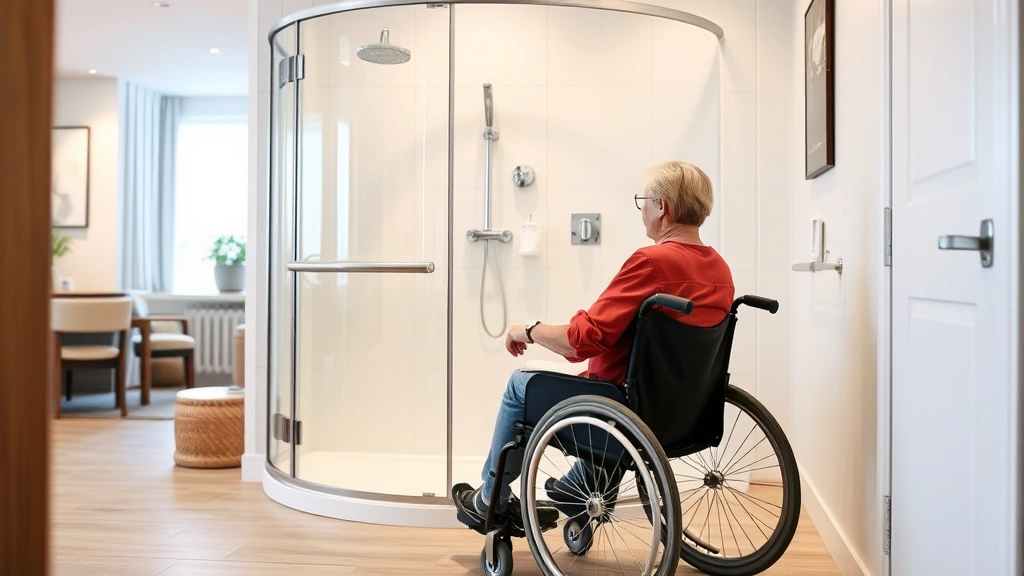
Unit Modifications: Requests for grab bars, accessible bathrooms, or other physical modifications require letters explaining specific functional limitations that make standard fixtures unsafe or inaccessible.
Emotional Support Animals: These letters specifically address how an animal mitigates disability symptoms. Learn more about how to get an ESA letter with quick approval to understand this specialized documentation type.
Allergen-Free Housing: Letters for severe allergies or asthma should document specific environmental triggers and explain why standard units with shared ventilation systems are unsuitable. The letter should reference the severity of reactions and medical necessity.
Policy Exceptions: Requests to waive pet policies, extend lease terms for medical treatment, or modify payment schedules need letters explaining how the policy exception directly relates to disability mitigation.
For medical housing accommodation doctor-signed letters, ensure the documentation specifically addresses your requested accommodation type.
How Landlords Should Evaluate Medical Letters
Landlords have a responsibility to evaluate medical letters carefully while respecting tenant privacy and avoiding discrimination. Here’s a framework for proper evaluation:
Verify Authenticity: Confirm the provider’s credentials by checking state medical boards or professional licensing databases. Call the provider’s office to verify the letterhead is legitimate. However, you cannot contact the provider to discuss the patient’s medical condition without written consent, as this violates HIPAA privacy rules.
Assess Sufficiency: Determine whether the letter contains the essential components listed above. Does it establish a disability? Does it explain functional limitations? Does it connect the accommodation to the disability?
Evaluate Reasonableness: Consider whether the requested accommodation is reasonable and feasible. You may deny an accommodation request if it imposes an undue financial or administrative burden, but this is a high legal bar. Most housing accommodations are considered reasonable.
Maintain Documentation: Keep copies of all accommodation requests and supporting letters in a secure file. This protects you legally if the accommodation is later questioned and demonstrates your good-faith compliance efforts.
Communicate Clearly: If a letter is insufficient, explain specifically what information is missing. For example: “The letter establishes a disability but doesn’t explain why a ground-floor unit is necessary. Please ask your provider to clarify how stairs affect your condition.”
Process Timely: Fair Housing laws require landlords to respond to accommodation requests promptly. Unnecessary delays can constitute discrimination. Establish a clear timeline for requests and responses.
Landlords should never request information beyond what’s necessary to evaluate the accommodation. Asking for full medical records, specific diagnoses (unless directly relevant), or psychiatric evaluations goes beyond legal authority.
Red Flags and Verification Concerns
While most accommodation requests are legitimate, landlords should be aware of potential issues:
Generic Template Letters: Letters that appear copied from online templates without specific patient information are unreliable. Legitimate medical letters address the individual’s specific condition and functional limitations.
Unverifiable Providers: Letters from providers who cannot be verified through state licensing boards should be questioned. Request additional documentation or suggest the tenant obtain a letter from a licensed, verifiable provider.
Vague Functional Limitations: Statements like “patient has anxiety and needs accommodation” without explaining functional limitations are insufficient. The letter should describe specific limitations affecting housing needs.
Inappropriate Provider Relationships: Letters from providers who haven’t examined the patient or who lack ongoing treatment relationships may not constitute reliable documentation. However, a single evaluation specifically for documentation purposes can be legitimate.
Misaligned Accommodations: If the stated disability doesn’t logically connect to the requested accommodation, question the necessity. For example, a letter stating “patient has depression” without explaining why this necessitates a specific unit modification should prompt clarification.
Multiple Unrelated Requests: Tenants requesting numerous accommodations that don’t seem connected to documented disabilities may warrant scrutiny. However, people with disabilities often need multiple accommodations, so this alone isn’t disqualifying.
Remember that skepticism must be balanced with legal compliance. Disability documentation can legitimately vary in appearance and detail. When in doubt, consult fair housing resources or legal counsel rather than denying requests outright.
The Accommodation Request Process
Understanding the proper process protects both tenants and landlords:
For Tenants: Begin by notifying your landlord in writing that you’re requesting a reasonable accommodation. You don’t need to use specific language or forms, but written documentation is crucial. Clearly state what accommodation you need and why. Include your doctor’s letter with this initial request.
Understand the difference between ESA and service animal letters if your accommodation involves an animal, as requirements differ slightly.
Be prepared to provide clarification if your initial letter is deemed insufficient. Work cooperatively with your landlord to address any gaps in documentation. Keep copies of all correspondence.
For Landlords: Upon receiving an accommodation request with medical documentation, review the letter against the essential components listed above. If sufficient, approve the accommodation and document your approval in writing. If insufficient, explain specifically what additional information is needed.
Allow reasonable time for tenants to obtain additional documentation—typically 10-14 days. Once you approve an accommodation, implement it promptly and ensure all staff are aware of the arrangement.
For Both Parties: Recognize that accommodation requests are a normal part of fair housing compliance. They should be handled professionally, respectfully, and confidentially. Medical information shared during this process is private and should not be discussed with other tenants or staff beyond those who need to know for implementation purposes.
Consult the Job Accommodation Network (JAN), which provides resources on accommodation requests, and EEOC guidance on disability documentation standards.
If disputes arise about whether an accommodation is necessary or reasonable, both parties should consider mediation through local fair housing agencies before escalating to legal action. Many disputes can be resolved through clear communication and good-faith negotiation.
FAQ
Can a landlord require a specific medical diagnosis in a housing accommodation letter?
No. Landlords can only ask whether the person has a disability and whether the accommodation is disability-related. They cannot require disclosure of the specific diagnosis. A letter explaining functional limitations without naming a diagnosis is sufficient.
What if my doctor won’t write a housing accommodation letter?
If your current provider is unwilling, you may need to seek a second opinion from another licensed healthcare provider. Some providers are unfamiliar with accommodation letter requirements; sharing this guide with them may help. Alternatively, specialized services like medical housing accommodation doctor-signed services can connect you with providers experienced in this documentation.
How long is a doctor letter for housing accommodation valid?
There’s no standard expiration date. A letter remains valid as long as the accommodation need persists. Landlords cannot require annual renewal of accommodation letters unless the disability itself is temporary or the letter specifically states an expiration date. If your condition changes significantly, you may need an updated letter.
Can landlords charge extra rent for accommodations?
No. Fair Housing laws prohibit charging additional rent for reasonable accommodations, even if the accommodation involves cost to the landlord. Modifications and policy exceptions must be provided at no additional charge.
What if a tenant requests an accommodation that seems unreasonable?
Landlords can deny accommodations only if they impose an undue financial or administrative burden. Most housing accommodations are considered reasonable and must be approved. If you believe an accommodation is unreasonable, document your reasoning carefully and consult fair housing legal resources before denying.
Can emotional support animals be denied with a proper doctor letter?
No. If a proper ESA letter documents that an animal mitigates disability symptoms, landlords must approve it regardless of pet policies. Learn more about emotional support animal letters for apartments to understand these specific requirements.
What should I do if I suspect a fraudulent accommodation letter?
Document your concerns specifically. Verify the provider’s credentials through state licensing boards. If you have legitimate concerns about fraud, consult fair housing legal counsel. Never simply deny a request based on suspicion; follow proper verification procedures.