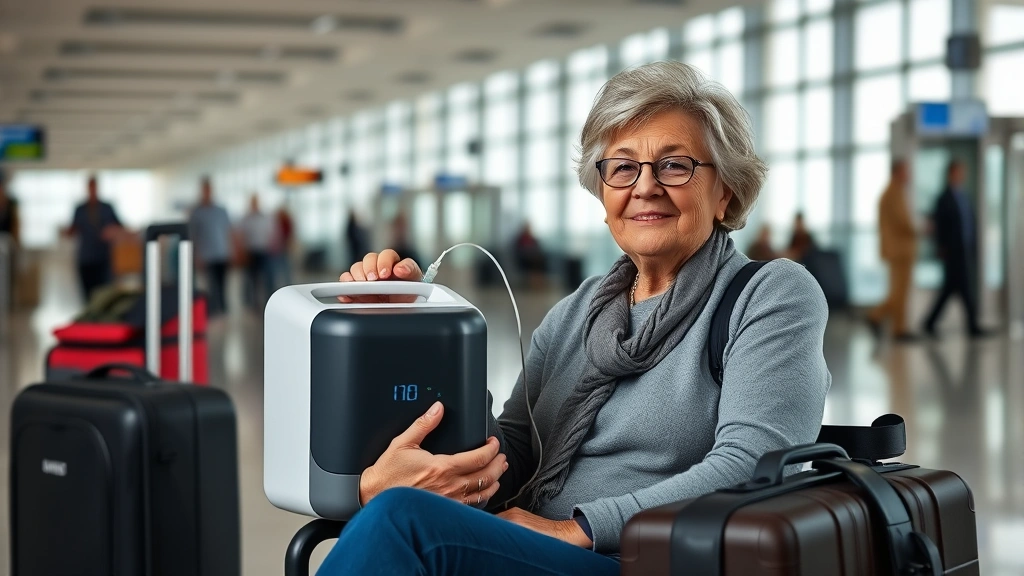
Affordable Airline Oxygen: Doctor Note Tips for Travel
Traveling with a respiratory condition or oxygen dependency can feel overwhelming, especially when navigating airline policies and medical documentation requirements. Many people with chronic lung disease, COPD, pulmonary hypertension, or other conditions requiring supplemental oxygen worry about affordability, accessibility, and whether they’ll be approved to bring their own oxygen or rent from airline vendors. The good news: a well-written doctor’s note for airline oxygen is your most powerful tool for securing affordable options and ensuring smooth travel.
Airlines have specific medical documentation requirements for passengers requiring oxygen during flight. Understanding what information your doctor needs to include, how to request the right letter, and how to present it effectively can save you hundreds of dollars and eliminate travel stress. This guide walks you through everything you need to know about obtaining an affordable airline oxygen doctor’s note.
Why Airlines Require Doctor’s Notes for Oxygen
The Federal Aviation Administration (FAA) and individual airlines maintain strict medical documentation policies for passengers with oxygen requirements. These aren’t obstacles—they’re safety protocols designed to protect you and other passengers. Airlines need physician verification because:
- Safety compliance: Oxygen is a controlled substance in-flight. Airlines must confirm medical necessity and proper usage to prevent safety incidents.
- Equipment standards: Your doctor’s note validates that your condition requires FAA-approved oxygen delivery systems, not personal devices that may malfunction at altitude.
- In-flight medical support: Crew members need to understand your oxygen requirements to provide appropriate assistance during the flight.
- Insurance and liability: Airlines require medical documentation to manage liability and ensure they’re providing appropriate accommodations under ADA guidelines.
A comprehensive doctor’s note serves as your medical authorization and can significantly impact whether airlines offer you rental oxygen at reduced rates or allow you to bring your own equipment. The more detailed and professional your documentation, the smoother your travel experience.
Essential Information Your Doctor’s Note Must Include
Not all doctor’s notes are created equal. Airlines have specific requirements for medical documentation related to oxygen. When requesting a letter from your physician, ensure it includes these critical elements:
- Patient identification: Your full legal name, date of birth, and passport number (if international travel). This must match your airline ticket exactly.
- Diagnosis: The specific medical condition requiring supplemental oxygen (COPD, pulmonary hypertension, interstitial lung disease, etc.).
- Oxygen prescription details: Prescribed oxygen flow rate in liters per minute (LPM), whether needed continuously or only during activity/sleep, and the duration of needed oxygen therapy.
- Altitude considerations: Whether your oxygen needs change at altitude and what adjustments may be necessary during flight (most aircraft cabin pressure equals 8,000 feet elevation).
- Equipment specifications: Type of oxygen delivery system you use (portable concentrator, liquid oxygen, compressed gas cylinder), brand name, and model number if applicable.
- Functional limitations: Brief description of how your condition affects your ability to travel without oxygen support.
- Duration of need: Whether oxygen is needed for the entire flight, only during takeoff/landing, or specific portions of travel.
- Physician credentials: Doctor’s printed name, specialty (pulmonologist preferred), medical license number, clinic/hospital name, phone number, and signature. The letter should be on official letterhead.
- Date of examination: When the doctor last evaluated your oxygen needs (ideally within 30 days of travel for maximum airline acceptance).
- Insurance information: Optional but helpful—note if oxygen is covered by your health insurance, which may affect rental costs.
The more specific your doctor’s note, the less likely airlines will request additional documentation, and the more likely they’ll offer you the most affordable rental or approval options.

How to Request the Right Medical Documentation
Simply asking your doctor for “a note about my oxygen” won’t cut it. You need to be proactive and specific in your request. Here’s how:
- Schedule an appointment specifically for travel documentation. Don’t try to squeeze this into a routine visit. Respiratory specialists need time to review your records, confirm current oxygen prescription, and address altitude-related adjustments.
- Provide your doctor with airline requirements. Many physicians aren’t familiar with specific airline oxygen policies. Contact your airline(s) before your appointment and ask for their medical documentation requirements. Provide this information to your doctor—it helps them write a letter that meets exact specifications.
- Request a template or example. Ask if your doctor’s office has a standard medical documentation template for airline travel. If not, you can find examples from major airlines’ websites or ask your pulmonologist if they’ve written similar letters before.
- Mention your travel dates and airlines. Specific information helps your doctor note the urgency and allows them to include date-specific details.
- Ask about portable oxygen concentrator compatibility. If you plan to bring your own equipment, ask your doctor to confirm it meets airline standards and is appropriate for your condition.
- Request multiple copies. Ask for at least three original, signed copies. Airlines sometimes require one, travel insurance may need one, and you should keep one for your records.
- Confirm the letter will be on official letterhead. Airlines won’t accept notes on plain paper or without official credentials and contact information.
If your regular primary care physician isn’t comfortable writing detailed travel medical documentation, ask for a referral to a pulmonologist or respiratory specialist. These specialists understand oxygen requirements and airline protocols better and can provide more comprehensive letters.
Cost-Saving Strategies for Airline Oxygen
A well-documented doctor’s note can directly reduce your travel oxygen costs. Here are affordable options and how your medical letter helps secure them:
- Airline rental oxygen discounts: Some airlines offer reduced rates for passengers with comprehensive medical documentation. A detailed doctor’s note showing medical necessity can qualify you for discounted rental rates (typically $50-150 per flight instead of $200-400).
- Bringing your own portable concentrator: If your doctor’s letter confirms your equipment is FAA-approved and appropriate for your oxygen needs, you can avoid rental fees entirely. Many airlines allow one portable oxygen concentrator at no charge with proper medical documentation. Check our guide on accommodation letters for documentation strategies.
- Insurance coverage: Some health insurance plans cover airline oxygen rental if your doctor’s note documents medical necessity. Your letter is the key to insurance approval.
- Oxygen refill stops: Your doctor’s note can justify stopping at oxygen refill stations during layovers, which may be cheaper than airline rentals for long trips.
- Continuous positive airway pressure (CPAP) accommodation: If you use CPAP with oxygen, your doctor’s letter can secure approval to use your device in-flight, avoiding expensive rental combinations.
- Advance airline approval: Submit your doctor’s note to airlines 2-4 weeks before travel. This allows time for approval and often results in better pricing and smoother boarding.
Budget airlines and international carriers sometimes charge premium rates for medical equipment. Your doctor’s documentation strengthens your case for requesting fee waivers or discounts based on medical hardship.

Presentation Tips for Your Doctor’s Letter
How you present your medical documentation matters as much as the content. Follow these professional practices:
- Keep it in a clear folder: Use a labeled folder or clear document holder so your letter is easy to locate during check-in.
- Arrive early for check-in: Give airline staff plenty of time to review your documentation. Rushing may result in incomplete review or higher fees.
- Provide copies proactively: Hand your letter to the ticket agent before they ask. This shows you’re organized and prepared, which often results in better customer service and sometimes fee reductions.
- Have backup copies: Keep digital copies on your phone and email them to yourself. If your original is misplaced, you can print another quickly.
- Highlight key information: Use a highlighter to mark your oxygen flow rate, duration needed, and equipment type. This helps busy staff quickly understand your needs.
- Include a summary sheet: Create a one-page summary with your name, flight date, oxygen requirements, and equipment type. Attach it to your doctor’s letter as a quick reference.
Professional presentation demonstrates you’re a responsible traveler with legitimate medical needs, which often results in more favorable treatment and potentially lower costs.
Common Mistakes to Avoid
Many travelers inadvertently create problems by making these mistakes with their oxygen documentation:
- Outdated letters: Airlines may reject letters older than 30-60 days. Get a fresh letter if your previous one is older than this.
- Vague oxygen prescriptions: “Oxygen as needed” isn’t specific enough. Your letter must state exact liters per minute and when oxygen is needed.
- Missing altitude information: Failing to address how your oxygen needs change at 8,000 feet elevation can result in airline rejection or inappropriate oxygen allocation.
- Incomplete physician information: If your doctor’s contact information isn’t on the letter, airlines can’t verify its authenticity.
- Using letters from non-specialists: While any licensed physician can write the letter, pulmonologists and respiratory specialists carry more weight with airlines.
- Waiting until the last minute: Submitting medical documentation days before travel leaves no time for airline review or fee negotiation.
- Not matching name formats: Ensure your name on the doctor’s letter matches your airline ticket exactly, including middle initials.
- Forgetting international requirements: International flights may require additional documentation from your destination country. Confirm requirements early.
These common errors can delay your travel, result in unexpected costs, or even prevent you from boarding. Careful attention to detail prevents these problems.
FAQ
How much does airline oxygen cost without a doctor’s note?
Most airlines charge $200-400 per segment (one-way flight) for oxygen rental without medical documentation. With a proper doctor’s note, you may qualify for 50% discounts or bring your own equipment free. A well-written letter can save $300-800 per round-trip flight.
Can I use my home oxygen equipment on an airplane?
No. FAA regulations prohibit personal oxygen tanks or most liquid oxygen systems on aircraft. However, FAA-approved portable oxygen concentrators are allowed with proper medical documentation. Your doctor’s note should confirm your concentrator model is FAA-approved. Visit FAA.gov for approved device lists.
How far in advance should I submit my doctor’s note to the airline?
Submit medical documentation 2-4 weeks before travel. This allows time for airline review, fee adjustment, and equipment coordination. Last-minute submissions may result in higher fees or denial of advance approval.
Do I need a new doctor’s note for each flight?
Most airlines accept the same letter for round-trip flights if both are within 60 days. For trips longer than 60 days or separate bookings, request a new letter. International flights may require additional documentation from destination countries.
What if my doctor refuses to write a detailed letter?
Explain that airlines require specific medical information for safety and insurance purposes. If your doctor is unwilling, ask for a referral to a pulmonologist who specializes in travel medicine. Many respiratory specialists are familiar with airline requirements and write these letters regularly. Consider exploring disability verification letter services that work with licensed physicians.
Can I appeal airline oxygen fees if I have medical documentation?
Yes. If you believe your fee is excessive or unfair, contact the airline’s customer relations department with your doctor’s letter. Provide evidence of your medical need and request a fee review. Many airlines will reduce charges for passengers with comprehensive documentation. The Department of Transportation can also help with airline disputes.
Are airline oxygen costs covered by insurance?
Some health insurance plans cover in-flight oxygen rental if your doctor documents medical necessity in a formal letter. Submit your doctor’s note and airline invoice to your insurance company for reimbursement consideration. Check your policy or contact your insurer before travel. Your physician’s letter is essential for insurance claims.
What’s the difference between portable oxygen concentrators and airline rental oxygen?
Portable concentrators (like Inogen or ResMed models) extract oxygen from cabin air and are allowed on aircraft with FAA approval and medical documentation. Airline rental oxygen uses compressed gas cylinders or liquid oxygen systems, which are safer for medical oversight and typically provide higher oxygen concentrations. Your doctor can recommend which option is appropriate for your condition.
Disclaimer: This article provides educational information about airline oxygen documentation. It is not medical advice. Always consult with your healthcare provider about your specific oxygen needs and travel requirements. Airlines and FAA regulations change; confirm current requirements with your carrier before travel. For medical accommodation letters, consider working with licensed healthcare providers or services that connect you with qualified physicians. See our guide on disability letter costs for more information.