

Airline Oxygen Needs? Doctor-Approved Guide to Medical Documentation
Traveling by air with a respiratory condition that requires supplemental oxygen can feel daunting, but with proper medical documentation and preparation, thousands of passengers safely fly with oxygen support each year. Airlines have specific protocols for passengers traveling with medical oxygen, and your physician’s documentation is the cornerstone of a smooth travel experience. Understanding what airlines need, how to obtain the right letters, and what to expect during your journey empowers you to travel confidently.
Whether you have COPD, pulmonary fibrosis, severe asthma, or another condition requiring oxygen, the Federal Aviation Administration (FAA) and individual airlines recognize medical oxygen as essential equipment. However, the process requires advance notice, proper medical certification, and coordination between your healthcare provider, the airline, and oxygen service providers. This comprehensive guide walks you through every step of securing airline oxygen approval and traveling safely.
Understanding FAA and Airline Oxygen Requirements
The Federal Aviation Administration regulates how medical oxygen can be transported and used on commercial aircraft. According to FAA guidelines, passengers requiring supplemental oxygen must notify their airline at least 48 hours before departure. Airlines cannot legally deny boarding based on oxygen use, but they do require advance notice and proper documentation to ensure passenger safety and regulatory compliance.
Different airlines have varying policies regarding oxygen equipment, oxygen concentrators, and liquid oxygen systems. Some airlines allow passengers to bring their own FAA-approved portable oxygen concentrators (POCs), while others require passengers to use airline-provided oxygen or coordinate with medical equipment rental companies. The key distinction is understanding whether your specific oxygen equipment meets FAA standards for in-flight use.
Your functional limitation verification letter serves as proof that you have a legitimate medical need for oxygen during flight. This documentation protects you legally and ensures the airline understands your condition requires this accommodation. Without proper documentation, you may face delays, denial of boarding, or complications at security checkpoints.
The Americans with Disabilities Act (ADA) protects your right to reasonable accommodations during air travel, including oxygen support. Airlines must provide accommodations unless doing so creates undue hardship or safety concerns. Your physician’s letter is the foundation of your ADA accommodation request.
What Your Doctor’s Note Must Include
A comprehensive airline oxygen letter from your physician must contain specific medical and technical information that satisfies both FAA requirements and airline policies. Generic letters stating “patient needs oxygen” are insufficient; airlines and TSA agents need detailed documentation that demonstrates medical necessity and safety clearance.
Essential components of your physician’s letter include:
- Your complete medical diagnosis — The specific respiratory condition requiring oxygen (COPD, pulmonary fibrosis, cystic fibrosis, severe asthma, heart failure with pulmonary component, etc.)
- Current oxygen prescription details — Prescribed flow rate in liters per minute (LPM), whether continuous or as-needed, duration of use, and any activity restrictions
- Functional limitations statement — How your condition affects your ability to travel, breathe at altitude, and tolerate the reduced cabin pressure environment
- Equipment specifications — If using a portable oxygen concentrator, the exact model, manufacturer, FAA approval status, and battery life
- Physician attestation — Clear statement that you are medically cleared for air travel and require supplemental oxygen during the flight
- Prescription validity period — Most airlines accept letters valid for 12 months from the date of issue
- Physician contact information — Name, credentials, medical license number, clinic/hospital name, phone number, and fax
- Signature and date — Original physician signature (not stamped or electronic without verification of authenticity)
The letter should be written on official medical letterhead and address the airline directly or state it is for “air travel accommodation purposes.” Avoid vague language; instead of “patient may need oxygen,” write “patient requires continuous supplemental oxygen at 2 LPM during flight due to [diagnosis].”
Obtaining Your Physician’s Letter
Securing a proper airline oxygen letter requires proactive communication with your healthcare provider. Many patients assume their doctor will automatically provide this documentation, but you often need to request it specifically and provide clear guidance about what airlines require.
Steps to obtain your letter:
- Contact your pulmonologist or primary care physician — Schedule an appointment or call to discuss your air travel plans. If you see a pulmonary specialist, they are ideal for this letter since they have detailed knowledge of your respiratory condition.
- Request the letter in writing — Email or give your doctor a written request stating: “I need a physician’s letter documenting my medical need for supplemental oxygen during air travel. The letter should include my diagnosis, current oxygen prescription, equipment specifications, and clearance for flying.”
- Provide airline-specific requirements — If you know which airline you’re flying, research their specific oxygen documentation requirements and share this with your doctor’s office. Most airlines post these requirements online.
- Allow adequate time — Request the letter at least 2-3 weeks before your flight. Doctor’s offices often have delays in processing special requests.
- Confirm letter contents — Before your appointment or after receiving the letter, review it carefully to ensure all required information is included. If elements are missing, ask your doctor to revise it.
- Obtain multiple copies — Request 3-4 printed copies on letterhead. Keep originals in your carry-on bag, checked luggage, and at home.
If your regular physician is unfamiliar with airline oxygen requirements, consider seeking a doctor note for official accommodation from a pulmonary specialist or telemedicine service that specializes in travel medical documentation. Services like Arvix Health connect you with licensed physicians experienced in writing accommodation letters that meet airline standards.
Coordinating With Your Airline
Once you have your physician’s letter, contact your airline directly to initiate the oxygen accommodation request. This step is critical and should happen 48 hours to 2 weeks before your flight, depending on the airline’s policy.
Key coordination steps:
- Call the airline’s disability services or special assistance line — Do not call general customer service. Airlines have dedicated teams for medical accommodations. Request to speak with someone who handles oxygen requests specifically.
- Provide flight details — Give your confirmation number, flight date, departure and arrival cities, and number of passengers traveling with you.
- Describe your oxygen needs — Explain your condition, required flow rate, and whether you’re bringing your own equipment or need airline-provided oxygen.
- Ask about their specific requirements — Inquire whether they accept portable oxygen concentrators, what model numbers are approved, battery life requirements, and whether you need additional documentation beyond your physician’s letter.
- Confirm oxygen availability — If using airline oxygen, confirm that oxygen will be available for your specific flight segments, including connections.
- Request written confirmation — Ask the airline to email you confirmation that your oxygen accommodation has been approved and recorded in your reservation.
- Arrange ground transportation — Coordinate with medical equipment companies or the airline regarding oxygen availability during boarding, deplaning, and ground time.
Different airlines have different policies. Some major carriers like United, American, Delta, and Southwest have established procedures for oxygen passengers, but regional carriers and international airlines may have more restrictive policies. Confirm everything in writing.
Oxygen Equipment and TSA Regulations
Understanding what oxygen equipment is permitted on aircraft and how TSA handles medical oxygen is essential for stress-free travel. The TSA has specific rules for medical oxygen that differ from standard prohibited items.
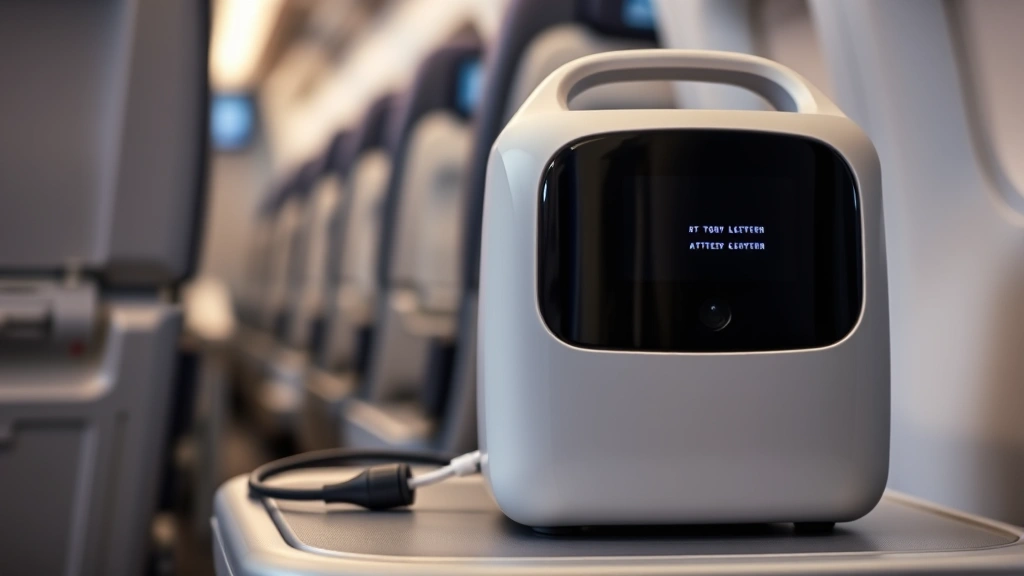
Portable Oxygen Concentrators (POCs): Most airlines accept FAA-approved POCs for in-flight use. These battery-powered devices extract oxygen from cabin air and are considered safer than compressed oxygen cylinders. Popular models include the Inogen One, Philips Respironics SimplyGo, and DeVilbiss iGo. Your physician’s letter should specify your POC model and confirm it meets FAA standards.
Compressed Oxygen Cylinders: Traditional compressed oxygen in metal cylinders is generally prohibited on passenger aircraft due to fire risk. However, some airlines allow passengers to bring empty cylinders that will be filled with airline-provided oxygen. Verify this with your specific airline before packing.
Liquid Oxygen Systems: Portable liquid oxygen systems are prohibited on commercial aircraft. If you currently use liquid oxygen at home, you must transition to a POC or compressed cylinder system for travel.
TSA PreCheck and standard security screening processes recognize medical oxygen as an essential medical device. Inform TSA officers at the security checkpoint that you’re traveling with medical oxygen. Portable oxygen concentrators do not require special TSA notification and can pass through security screening like other medical equipment.
Pack your POC in your carry-on bag, never checked luggage. Batteries must be able to power your device for the duration of your flight plus connection time. Many passengers carry backup batteries or a second POC for longer journeys. Confirm your equipment’s battery life with the manufacturer and plan accordingly.
Before Your Flight: Essential Checklist
Proper preparation ensures your air travel with oxygen accommodations proceeds smoothly. Create a detailed checklist 1-2 weeks before your flight to confirm all arrangements are in place.
Medical Documentation:
- Physician’s letter in carry-on bag (original or certified copy)
- Backup copy in checked luggage
- Copy of your oxygen prescription from your pharmacy
- List of your current medications
- Insurance card and medical information
- Contact information for your pulmonologist or primary care physician
Equipment and Supplies:
- Portable oxygen concentrator fully charged
- Backup batteries (fully charged)
- AC and DC power cords for your POC
- Nasal cannula or mask (backup tubing)
- Portable oxygen tank (if using backup system)
- Equipment instruction manual or quick reference guide
- Humidifier bottles (if your device uses them)
Airline Coordination:
- Confirmation email from airline approving oxygen accommodation
- Airline disability services contact number
- Confirmation of ground oxygen availability at connection points
- Advance seat selection (aisle seat recommended for easier oxygen access)
- Notification to the airline of any equipment changes close to departure
Pre-Flight Logistics:
- Arrange airport transportation that accommodates medical equipment
- Plan arrival time allowing extra time for security screening and oxygen setup
- Identify wheelchair or mobility assistance if needed
- Confirm oxygen availability at your destination airport and accommodations
- Obtain medical leave documentation if your employer requires it for time off
Common Challenges and Solutions
Even with proper documentation, oxygen passengers sometimes encounter obstacles. Understanding common issues and solutions helps you advocate effectively for your rights.
Challenge: Airline denies oxygen accommodation despite advance notice
Solution: Airlines cannot legally deny oxygen accommodation if you provide proper medical documentation and advance notice. If this occurs, cite ADA protections, request to speak with airline management, and provide your physician’s letter again. Contact your state’s disability rights organization or file a complaint with the Department of Transportation if the airline refuses to accommodate you.
Challenge: Ground crew unfamiliar with oxygen policies
Solution: Bring copies of your physician’s letter and the airline’s oxygen policy (printed from their website) to show gate agents and ground crew. Calmly explain your medical need and reference the airline’s own policies. Request to speak with a supervisor if frontline staff are uncooperative.
Challenge: Portable oxygen concentrator battery dies during flight
Solution: Confirm with your airline before flying whether they provide in-flight charging or backup oxygen. Carry backup batteries and a fully charged second device if your flights exceed your primary POC’s battery life. Some airlines allow passengers to charge devices during layovers in airport lounges or customer service areas.
Challenge: Connection airport lacks oxygen services
Solution: Contact each airport’s medical services or customer assistance desk weeks before travel to confirm oxygen availability during layovers. If an airport cannot provide oxygen, request a longer connection time to allow you to rest, or consider rerouting through airports with better medical support.
Challenge: Physician refuses to write airline oxygen letter
Solution: Explain to your doctor that this is a standard accommodation request and your right under the ADA. If your current physician is unwilling, seek a second opinion from a pulmonary specialist. Telemedicine services specializing in accommodation letters can provide documentation if your regular doctor is unavailable.

FAQ
Can airlines refuse to let me fly with oxygen?
No. Under the ADA, airlines cannot deny boarding based on oxygen use if you provide proper medical documentation and advance notice. However, airlines can require specific equipment, advance notification, and may have safety protocols you must follow.
How long is a physician’s airline oxygen letter valid?
Most airlines accept letters valid for 12 months from the physician’s signature date. Check your specific airline’s policy, as some may require more recent letters (within 6 months). If your medical condition changes significantly, request an updated letter.
Can I bring my own oxygen concentrator or must I use the airline’s oxygen?
If you have an FAA-approved portable oxygen concentrator, most airlines allow you to bring and use your own device. This is often preferable because you’re familiar with your equipment and don’t depend on airline oxygen availability. Confirm your specific POC model is on your airline’s approved list.
What happens if I don’t notify the airline in advance?
You risk being denied boarding, delayed significantly, or forced to use suboptimal oxygen solutions. Airlines reserve the right to require advance notice for medical oxygen. Notify them 48 hours to 2 weeks before your flight to ensure accommodations are arranged.
Do I need TSA PreCheck or a special TSA pass for medical oxygen?
No. Medical oxygen is recognized as essential medical equipment and does not require special TSA clearance. Inform TSA officers at security that you’re traveling with medical oxygen, and it will be screened like other medical devices.
Can I use my home oxygen setup while traveling?
Home oxygen systems (liquid oxygen, large concentrators, or compressed cylinders) are not permitted on aircraft. You must transition to a portable oxygen concentrator or compressed cylinder system approved for air travel. Discuss this transition with your pulmonologist to ensure your portable device meets your oxygen needs.
What if my connection is short and I need oxygen between flights?
Contact the connection airport’s medical services or customer assistance department in advance to arrange ground oxygen. Many major airports have oxygen services available in terminals. Alternatively, request a longer layover to allow time for oxygen setup without rushing.
Is supplemental oxygen covered by travel insurance?
Some travel insurance policies cover medical oxygen, but coverage varies widely. Review your policy details or contact your insurance provider before purchasing. Oxygen equipment rental companies often work directly with insurance to minimize out-of-pocket costs.
Can I travel internationally with my portable oxygen concentrator?
Yes, but international travel requires additional coordination. Different countries have varying regulations. Contact your international airline and destination country’s aviation authority for specific requirements. Your physician’s letter should address international travel specifically.
What should I do if I experience oxygen equipment failure during my trip?
Contact your airline crew immediately if traveling. At your destination, contact local medical services or oxygen equipment rental companies. Keep emergency contact numbers for oxygen providers at your destination, and consider purchasing travel insurance that covers medical equipment replacement.