
Doctor Note for School: Ensure It’s Signed Properly
A properly signed doctor note is one of the most critical documents your child can present to their school when requesting academic accommodations. Whether your student needs extended test time, attendance flexibility, or modified coursework due to a medical condition, the doctor’s signature transforms a simple note into a legally recognized accommodation request. Without proper documentation and verification, schools may deny your request or delay implementing necessary supports.
The stakes are high. An improperly signed or incomplete medical note can derail your child’s academic progress and leave them without essential accommodations for weeks or months. Understanding what makes a doctor note valid, how to obtain one, and what elements must be present ensures your accommodation request moves through the school system smoothly and receives the attention it deserves.
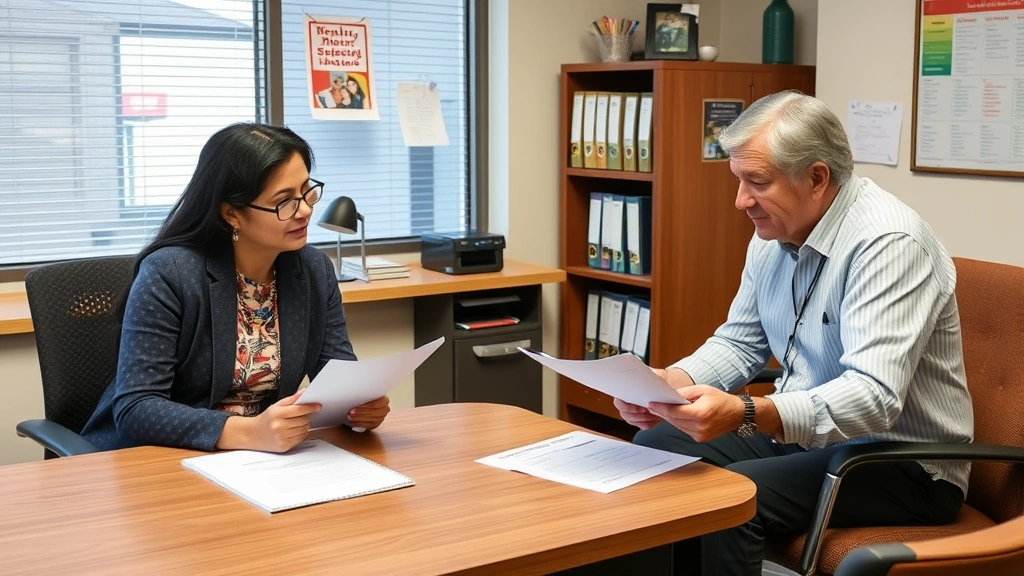
What Makes a Doctor Note Valid for School Accommodations
Schools operate under strict federal guidelines, particularly the Americans with Disabilities Act (ADA) and Section 504 of the Rehabilitation Act. These laws require schools to provide reasonable accommodations to students with documented disabilities or medical conditions. A valid doctor note serves as the medical evidence that triggers this legal obligation.
A valid doctor note for school accommodations must come from a licensed healthcare provider who has personally evaluated your child. This includes physicians (MDs), nurse practitioners (NPs), physician assistants (PAs), and sometimes psychologists or specialists, depending on the condition. The note must clearly document the medical diagnosis, functional limitations, and specific accommodations needed. Generic notes without these details carry little weight in school accommodation decisions.
Schools distinguish between casual medical notes (like those for missing gym class) and formal accommodation documentation. A note stating “Johnny has asthma and needs to sit out of PE” differs significantly from a comprehensive assessment linking asthma severity to specific functional limitations requiring classroom modifications. The latter is what schools need to legally implement accommodations under ADA guidelines.

Essential Elements of a Properly Signed Doctor Note
A complete, properly signed doctor note for school accommodations must include several non-negotiable elements:
- Doctor’s Letterhead: Official stationery with the provider’s name, medical license number, practice address, and contact information. This establishes credibility and allows schools to verify the provider’s legitimacy.
- Date of Evaluation: The date your child was examined. Notes based on outdated evaluations (typically more than one year old) may be rejected or require updating.
- Student’s Full Name and Date of Birth: Ensures the note applies specifically to your child and prevents administrative confusion.
- Clear Medical Diagnosis: The specific condition or conditions requiring accommodations, written in clinical terminology when appropriate.
- Functional Limitations: How the medical condition impacts your child’s ability to learn, concentrate, attend class, or participate in standard academic activities.
- Specific Accommodation Requests: Concrete, measurable accommodations such as “extended time on exams (time-and-a-half),” “permission to leave class for medical breaks,” or “modified attendance policy due to medical appointments.”
- Doctor’s Signature: An actual signature (not typed) from the licensed provider, along with their printed name and credentials.
- Contact Information: Phone number or fax where the school can reach the doctor if they have questions about the note’s contents.
Schools may use their own accommodation request forms that doctors must complete. If your school provides a form, ask your doctor to use it rather than submitting a generic letter. Forms ensure all required information is captured and make the school’s review process more efficient.
The Doctor’s Signature: Legal and Practical Requirements
The doctor’s signature is the linchpin of the entire document. In legal terms, a signature indicates that the provider personally reviewed the information, agrees with the assessment, and takes professional responsibility for the statements made. Schools cannot implement accommodations based on unsigned or electronically forged notes.
Original signatures are preferred by most schools, though many now accept electronic signatures (e-signatures) from verified medical providers. If your doctor uses electronic health record systems, they typically generate digitally signed PDFs that are legally valid. When submitting digitally signed notes, ensure the signature appears in the document and includes the provider’s name and credentials.
Some schools still request original ink signatures on paper copies. If this is the case, ask your doctor’s office to print the note, have the doctor sign it in person, and mail or hand-deliver it to your school. Keep a copy for your records.
Typed signatures or digital copies of signatures are NOT acceptable for formal accommodation documentation. Similarly, notes signed by office staff members rather than the treating provider will be rejected. The actual healthcare provider must sign, not their receptionist or nurse.
If your doctor is unavailable to sign immediately, ask when you can expect the completed note. Most offices return signed accommodation letters within 3-5 business days. For urgent situations, explain the timeline to your doctor’s office—many will prioritize school-related documentation.
Common Mistakes That Invalidate School Doctor Notes
Many families unknowingly submit doctor notes that schools cannot legally use. Understanding common pitfalls prevents delays:
- Missing Doctor Credentials: The note doesn’t identify the provider’s license type (MD, DO, NP, PA) or license number, making it impossible for schools to verify legitimacy.
- Vague Functional Limitations: Notes stating “student has anxiety” without explaining how anxiety affects classroom performance or concentration don’t provide sufficient basis for accommodations.
- Outdated Evaluations: Notes based on assessments older than 12-24 months may be considered stale, especially for conditions that change over time or after new treatments begin.
- Unsigned or Partially Signed: Notes with typed signatures, initialed but not fully signed, or signed by office staff rather than the doctor are legally invalid.
- Lack of Specificity in Accommodations: Rather than requesting “help with schoolwork,” effective notes specify “extended time on written assignments (50% additional time) and use of text-to-speech technology.”
- No Contact Information: Schools may need to clarify information with the doctor. Notes without phone numbers or fax prevent follow-up communication.
- Student Information Mismatch: The note lists a different name, date of birth, or school than your actual child, causing administrative rejection.
- Handwriting Illegibility: While handwritten notes are acceptable, illegible writing creates confusion about diagnoses, accommodations, or the doctor’s identity.
How to Request a Signed Doctor Note from Your Physician
The process of obtaining a properly signed doctor note requires clear communication with your healthcare provider. Here’s how to do it effectively:
Step 1: Provide Written Request Call or visit your doctor’s office and request a formal accommodation letter for school. Be specific: “I need a signed doctor’s note documenting my child’s [condition] and requesting specific classroom accommodations.” Provide your school’s name and your child’s grade level.
Step 2: Use Your School’s Form if Available Ask your school for their official accommodation request form. Many schools provide specific documents that doctors must complete. Providing this form to your doctor ensures all required information is included and eliminates back-and-forth corrections.
Step 3: Specify Needed Accommodations Don’t leave this to guesswork. Tell your doctor exactly what accommodations your child needs: “We’re requesting extended testing time, permission to take tests in a separate, quiet room, and flexibility with attendance due to medical appointments.” Your doctor can then document whether these are medically necessary and appropriate.
Step 4: Request Timeline Ask when the note will be ready. If you need it urgently (within days), communicate this clearly. School accommodation deadlines often require documentation quickly, and advance notice helps your doctor’s office prioritize your request.
Step 5: Clarify Delivery Method Confirm whether your doctor’s office will mail, fax, or email the note, or if you should pick it up in person. For time-sensitive situations, picking up a paper copy directly ensures you have it immediately.
Step 6: Review Before Submitting to School When you receive the note, review it carefully. Verify that your child’s name, date of birth, and diagnosis are correct, that all requested accommodations are listed, and that the doctor’s signature and credentials are present. If anything is missing or incorrect, contact the doctor’s office for corrections before submitting to school.
Digital vs. Paper: Signature Options for School Submission
Modern healthcare increasingly relies on digital documentation, and schools are adapting to accept electronic submissions. Understanding your options ensures smooth delivery:
Electronic Signatures (E-signatures): If your doctor uses an electronic health record system, they can generate a digitally signed PDF. These signatures are legally binding and widely accepted by schools. The PDF will show the provider’s signature, name, credentials, and timestamp. Simply email or upload this document to your school’s accommodation coordinator.
Paper Signatures: Some families and schools still prefer original paper copies. Ask your doctor’s office to print the note, have the provider sign it in blue ink (to distinguish from photocopies), and request a paper copy for your records. You can then scan and email a copy to your school while keeping the original.
Faxed Signatures: Many doctor’s offices fax accommodation letters directly to schools. This is efficient and creates a timestamped record of submission. Provide your school’s fax number when requesting the note, and ask the doctor’s office to confirm successful transmission.
Hybrid Approach: Some families submit a digital copy to meet the school’s initial deadline, then follow up with an original paper copy for the school’s official file. This ensures both speed and documentation completeness.
Before submitting, confirm your school’s preferred submission method and format. Some schools require original signatures; others accept electronic signatures. Asking upfront prevents resubmission delays.
Working with Your School’s Accommodations Process
Submitting a properly signed doctor note is step one. Understanding how schools process this documentation ensures your child receives accommodations promptly.
Most schools have a 504 Plan coordinator or special education administrator who reviews accommodation requests. This person evaluates your doctor’s note against school policies and federal accommodation guidelines. They may request clarification from your doctor if the note lacks specific details.
After receiving your note, the school typically schedules a meeting with you to discuss and formalize accommodations. This is not optional—schools must involve parents in developing accommodation plans. Bring a copy of the doctor’s note to this meeting for reference.
During the meeting, the school will document specific accommodations in a formal 504 Plan (for general accommodations) or Individualized Education Plan (IEP) (if your child qualifies for special education). These plans outline exactly what accommodations your child receives, who implements them, and how progress is monitored.
If your school denies accommodations despite your doctor’s note, you have rights. The ADA.gov website provides resources on disability rights in schools. You can also contact your state’s Department of Education or request a due process hearing if disputes arise.
For ongoing support, consider obtaining a disability verification letter that can be used across multiple settings. Some families also explore comprehensive accommodation documentation that covers multiple areas of need.
FAQ
How long is a doctor’s note valid for school accommodations?
Most schools accept doctor’s notes dated within the past 12 months. For conditions that are stable and unchanged, notes may be valid for up to 24 months. However, if your child’s condition worsens or treatment changes, request an updated note. Schools may also request updated documentation annually or when accommodations are being reviewed.
Can a nurse practitioner or physician assistant sign school accommodation notes?
Yes. Licensed Nurse Practitioners (NPs) and Physician Assistants (PAs) can sign accommodation documentation, provided they are state-licensed and have personally evaluated your child. However, some schools may prefer notes from MDs or DOs. If you’re unsure, ask your school whether they accept notes from NPs or PAs.
What if my doctor refuses to sign the note or says it’s not medically necessary?
This is a legitimate medical judgment. If your doctor believes accommodations aren’t medically necessary, they shouldn’t sign documentation claiming otherwise. In this situation, either seek a second opinion from another provider or have a conversation with your doctor about why they believe certain accommodations aren’t appropriate. If you disagree with your doctor’s assessment, you have the right to seek care from another healthcare provider.
Can I submit a note from my child’s pediatrician if the accommodation relates to a condition managed by a specialist?
Ideally, accommodation notes should come from the provider most familiar with your child’s condition. If your child sees a specialist for a specific diagnosis (like a neurologist for seizure disorders), a note from that specialist carries more weight. However, pediatricians can sign notes if they have adequate knowledge of your child’s condition and functional limitations. When possible, coordinate between your pediatrician and specialist to ensure comprehensive documentation.
What happens if the school loses or misplaces my doctor’s note?
Keep copies for yourself. After submitting the note, ask the school’s accommodations coordinator to confirm receipt in writing (email is fine). If the school claims they never received it, you have documentation of submission. Request that your doctor send another copy immediately. Having backup copies prevents delays in implementing accommodations.
Can I use a telehealth doctor’s note for school accommodations?
Yes, provided the telehealth provider is licensed in your state and has conducted a legitimate evaluation of your child. The note must include the provider’s credentials, license number, and a proper signature (digital or otherwise). Some schools may question telehealth notes, but they are legally valid. If your school raises concerns, provide your doctor’s license verification and explain that telehealth is a standard, regulated practice.
Do I need separate notes for 504 Plan accommodations and medical excuses?
Not necessarily. A comprehensive accommodation note can serve both purposes. However, schools often distinguish between documents. A formal accommodation request letter should detail functional limitations and specific accommodations needed. A simple medical excuse (“excused from PE due to injury”) is different. When requesting your note, clarify whether you need accommodation documentation, medical excuses for specific absences, or both.
What if my child’s condition is mental health-related? Will schools accept notes from therapists or psychiatrists?
Yes. Licensed psychologists, psychiatrists, clinical social workers, and licensed counselors can all sign accommodation documentation for mental health conditions. Schools must honor these notes just as they would notes from medical doctors. Mental health conditions are disabilities under the ADA and qualify for accommodations when they significantly limit major life activities like learning or concentration.
Can I request accommodations without a doctor’s note?
Schools are not legally required to provide accommodations without medical documentation. While you can request accommodations informally, schools have no obligation to implement them without evidence of a disability or medical condition. A properly signed doctor’s note is the most efficient path to obtaining accommodations. For students without access to healthcare, schools may conduct their own evaluations, but this process is slower and less certain.
This article is for informational purposes and does not constitute medical or legal advice. Consult with your healthcare provider and school administration regarding your specific situation.