
Get a Doctor’s Note: Quick School Accommodations
Navigating academic life with a medical condition or disability can feel overwhelming, especially when you need accommodations to succeed in your classes. A doctor’s note for school accommodations is one of the most direct pathways to receiving the support you deserve. Whether you’re managing chronic pain, anxiety, ADHD, hearing loss, or any other condition that impacts your ability to learn, the right medical documentation can unlock essential accommodations like extended test time, reduced course loads, flexible attendance policies, and alternative testing formats.
The challenge many students face is the timeline: traditional healthcare visits can take weeks to schedule, and waiting for documentation can delay your ability to access accommodations when you need them most. Understanding how to obtain a doctor’s note quickly, what information it should contain, and how to submit it to your school’s disability services office can make the difference between struggling silently and thriving academically.
This guide walks you through the entire process—from understanding what schools require, to obtaining fast medical documentation, to advocating for yourself within your institution’s accommodation system.
What Schools Need: Doctor’s Note Requirements
Schools don’t accept just any doctor’s note—they need specific documentation that demonstrates your functional limitations and how they affect your ability to participate in academic activities. Under the Americans with Disabilities Act (ADA) and Section 504 of the Rehabilitation Act, colleges and universities are required to provide reasonable accommodations to students with documented disabilities.
The key word is documented. Your school’s disability services office (sometimes called the Office of Accessibility, Student Disability Services, or Accessibility Services) will review your medical documentation to determine eligibility and appropriate accommodations.
Most institutions require:
- Diagnosis or condition name (or functional limitations if privacy is a concern)
- Date of diagnosis and how long you’ve had the condition
- Functional limitations specifically—how the condition affects your ability to see, hear, walk, concentrate, remember information, or complete academic tasks
- Current treatment (medications, therapy, devices, or other management strategies)
- Specific accommodation recommendations from your healthcare provider
- Healthcare provider credentials (name, license number, contact information, signature, and date)
- Letterhead or official documentation from a licensed medical professional
The provider writing your note should be qualified to diagnose and treat your condition. This typically means a physician, psychiatrist, psychologist, nurse practitioner, or other licensed healthcare provider with relevant expertise.
Getting a Doctor’s Note Fast
If you need medical documentation quickly, you have several options:
Option 1: Telehealth Providers Specializing in Accommodation Letters
Services like Arvix Health offer expedited medical academic accommodation letters fast through licensed healthcare providers. These platforms connect you with doctors who understand exactly what schools need and can provide documentation within 24–48 hours. This is ideal if you’re on a tight timeline or your regular healthcare provider is unavailable.
Option 2: Contact Your Current Healthcare Provider
If you already have a doctor or therapist, reach out directly and explain your timeline. Many providers can prioritize your request and provide documentation within a few business days. Be specific about what your school requires and offer to provide the disability services office’s documentation guidelines.
Option 3: University Health Services
If you’re a student, your school likely has an on-campus health center. Visiting a provider there can sometimes expedite the process since they’re familiar with your institution’s specific requirements. However, be aware that wait times can vary.
Option 4: Urgent Care or Walk-In Clinics
For acute conditions or if you need documentation immediately, some urgent care facilities can provide medical notes quickly. However, they may not have your full medical history, so this option works best if you’re seeking accommodation for a recent injury or acute illness.
What Makes the Process Fast
The fastest documentation comes from providers or services that: (1) specialize in accommodation letters and understand school requirements, (2) have streamlined intake and verification processes, (3) can conduct assessments via telehealth, and (4) have rapid turnaround times. Telehealth services often win on speed because they eliminate scheduling delays and can work outside traditional office hours.

What Your Medical Documentation Should Include
A complete accommodation letter should be thorough enough that your school’s disability services office can act on it without requesting additional information. Vague or incomplete notes often result in delays or denials.
Essential Components
1. Your Identifying Information
Your full name, student ID (if available), date of birth, and contact information. This ensures the documentation is clearly linked to you.
2. The Healthcare Provider’s Credentials
The provider’s full name, title, license number, specialty, and the state in which they’re licensed. Include their contact information and signature. Schools verify credentials, especially for complex cases, so accurate information is critical.
3. Diagnosis and History
The condition or disability, date of diagnosis, and how long you’ve been under the provider’s care. If you prefer not to disclose your specific diagnosis, you can describe functional limitations instead (e.g., “significant difficulty concentrating for extended periods” rather than “ADHD”). However, many schools prefer diagnosis information for clarity.
4. Functional Limitations
This is the most important section. Describe specifically how your condition affects your ability to: attend class, take exams under standard conditions, read and process written information, concentrate during lectures, participate in group work, or complete assignments. Use concrete examples when possible (e.g., “Due to chronic migraine, bright fluorescent lighting triggers severe headaches that prevent concentration. Student requires a low-stimulation testing environment.”)
5. Current Treatment and Prognosis
List medications, therapies, devices, or other treatments you’re using. Mention whether your condition is stable, improving, or fluctuating. This helps schools understand your ongoing needs.
6. Specific Accommodation Recommendations
The provider should recommend specific accommodations based on your functional limitations. Examples include: extended test time (50% or 100%), separate testing location, use of assistive technology, flexible attendance, reduced course load, alternative assignment formats, or service animal accommodation. The more specific, the better.
7. Signature and Date
The note must be signed and dated by the licensed healthcare provider. Electronic signatures are typically acceptable.
Sample Language
A well-written accommodation letter might include: “Based on my clinical evaluation and ongoing treatment of [Student Name], I confirm a diagnosis of [Condition]. This condition significantly impacts [Student’s] ability to [specific academic function]. I recommend the following accommodations to provide equal access to academic programs: [list accommodations]. These accommodations are medically necessary and appropriate for [Student’s] condition.”
Submitting to Disability Services
Once you have your doctor’s note, the next step is submitting it to your school’s disability services office. Timing and process matter.
Find Your Disability Services Office
Search your school’s website for “disability services,” “student accessibility,” “accessible education,” or “accommodations office.” Most colleges have a dedicated office; some high schools do too. Contact them directly to confirm the submission process and any specific forms they require.
Prepare a Complete Submission Package
Don’t just send your doctor’s note. Include a cover letter that briefly explains your situation and accommodation request. Provide your contact information and preferred communication method. If your school has an accommodation request form, complete it thoroughly. The more organized your submission, the faster the office can process it.
Submit Strategically
Submit your documentation early in the semester or academic year, well before exams or critical deadlines. If you’re requesting accommodations mid-semester, explain the urgency. Some schools require documentation within a certain timeframe before accommodations take effect.
Follow Up
After submitting, follow up within a week to confirm receipt. Ask about the timeline for a decision and whether they need any additional information. Keep records of all communications.
Understand Your Rights
Under the EEOC’s disability discrimination guidelines, schools cannot discriminate based on disability and must provide reasonable accommodations. If your request is denied, you have the right to appeal or file a complaint. Many schools have an appeals process; don’t hesitate to use it if you believe the denial is unjustified.
Common School Accommodations Explained
Understanding what accommodations are available helps you and your healthcare provider request the right ones.
Extended Test Time
The most common accommodation. Typically 50% extra time (1.5 hours for a 1-hour exam) or 100% extra time (double). Useful for students with processing disorders, chronic pain, anxiety, vision impairments, or conditions affecting concentration.
Separate Testing Location
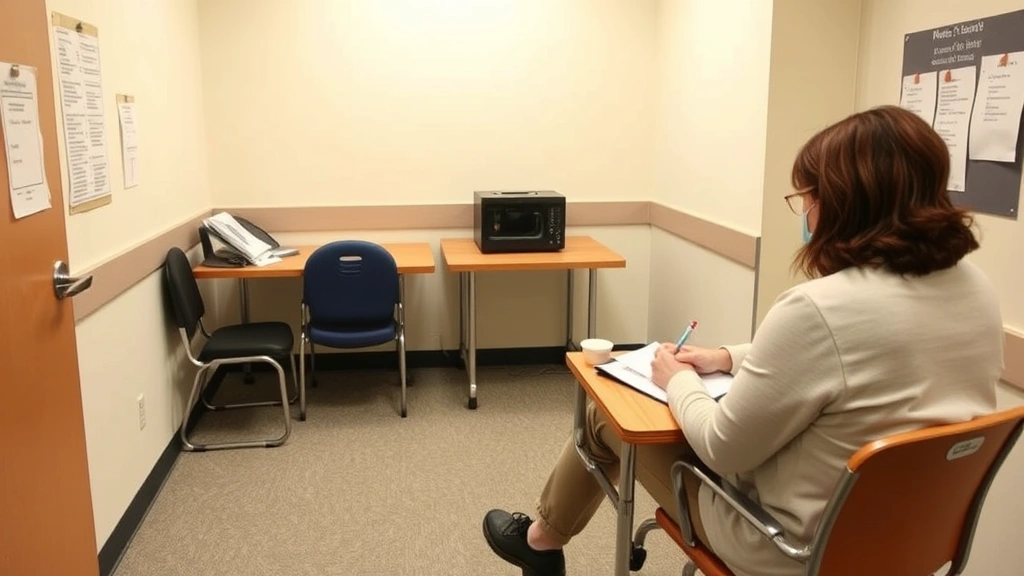
Allows you to test in a quiet, low-distraction environment rather than a large exam hall. Beneficial for anxiety, ADHD, hearing loss, or anyone distracted by ambient noise.
Reduced Course Load
Taking fewer classes per semester to manage fatigue, pain, or mental health symptoms. Doesn’t delay graduation if planned strategically with your academic advisor.
Flexible Attendance
Permission to miss classes without penalty due to medical appointments, flare-ups, or conditions affecting daily functioning. Often paired with access to recorded lectures or notes.
Alternative Testing Formats
Options like oral exams, projects, papers, or take-home exams instead of traditional written tests. Helpful for dyslexia, writing disorders, or test anxiety.
Assistive Technology
Text-to-speech software, speech-to-text tools, digital note-taking, or other technology to level the academic playing field.
Note-Taking Assistance
A peer note-taker or permission to record lectures so you can focus on participation rather than transcription.
Service Animal Accommodation
If you have a service animal or emotional support animal, your school should allow it in classrooms and housing. Proper documentation is essential.
Housing Accommodations
Priority housing, single-occupancy dorms, accessible facilities, or pet-friendly housing if you have a service or emotional support animal.
Timeline and Expectations
Best-Case Scenario: 1–2 Weeks
If you submit a complete, well-documented accommodation letter early in the semester, disability services can typically approve accommodations within 1–2 weeks. Some schools are even faster.
Typical Timeline: 2–4 Weeks
Most schools take 2–4 weeks to review documentation, verify credentials, and issue an accommodation letter to you and your instructors. This is normal and expected.
Delayed Timeline: 4+ Weeks
If documentation is incomplete, credentials can’t be verified, or the office is backlogged, processing can take longer. This is why submitting early and completely is critical.
Mid-Semester Accommodations
If you request accommodations after the semester starts, most schools will honor them going forward but may not retroactively apply them to past exams or assignments. Always submit as early as possible.
What Happens After Approval
Once approved, disability services will issue you an accommodation letter. You’re responsible for providing this to your instructors (usually within the first week of class). Some schools do this automatically; others require student initiative. Keep a copy for your records and bring it to each class.
Your instructors must honor approved accommodations. If they refuse or seem reluctant, contact disability services immediately. This is a legal requirement, not an optional favor.
FAQ
How fast can I get a doctor’s note for school accommodations?
Using specialized telehealth services like medical accommodation letter providers, you can obtain documentation within 24–48 hours. Traditional healthcare visits may take 1–2 weeks to schedule plus processing time. For urgent timelines, telehealth is fastest.
Can I use any doctor’s note, or does it have to be from a specific type of provider?
The provider must be licensed and qualified to diagnose and treat your condition. This includes physicians, psychiatrists, psychologists, nurse practitioners, and other licensed healthcare professionals. Your school may have specific requirements, so check with disability services first.
Do I have to disclose my diagnosis to my school?
Not necessarily. You can describe functional limitations instead of providing a specific diagnosis. For example, “difficulty concentrating for extended periods” instead of “ADHD.” However, some schools prefer diagnosis information for clarity. Discuss this with your healthcare provider when requesting documentation.
What if my school denies my accommodation request?
You have the right to appeal. Request a meeting with the disability services director to discuss the denial. If the issue isn’t resolved, you can file a complaint with your state’s Office for Civil Rights or consult with a disability rights attorney. The Job Accommodation Network (JAN) also provides free guidance on disability accommodations.
Can I get accommodations for mental health conditions like anxiety or depression?
Yes. Mental health conditions are disabilities under the ADA and Section 504. If your anxiety, depression, or other mental health condition significantly impacts your ability to attend class, concentrate, or complete coursework, you qualify for accommodations. You’ll need documentation from a mental health professional (psychiatrist, psychologist, licensed counselor, or therapist).
What if I don’t have a healthcare provider right now?
You can use telehealth services to connect with a licensed provider who can evaluate your condition and provide accommodation documentation. Services like online medical providers specialize in this and make the process accessible and affordable.
How long do accommodations last?
Accommodations typically last for the academic year in which they’re approved. You’ll need to resubmit documentation each year, though disability services often allow you to carry forward previous documentation if your condition hasn’t changed. Check your school’s specific policy.
Can my school revoke accommodations if I don’t use them?
No. Having accommodations available doesn’t require you to use them. Some students have accommodations they don’t always utilize, and that’s perfectly acceptable. Your accommodation is a right, not an obligation.
What if I need a disability verification letter for financial aid or other purposes beyond school accommodations?
Your school’s disability services office may provide a general disability letter for other purposes. Alternatively, you can request one from your healthcare provider. Some situations require specific documentation—check with the relevant office (financial aid, housing, etc.) about their requirements.
How do I balance privacy and transparency when submitting medical documentation?
You can request that your healthcare provider focus on functional limitations rather than specific diagnoses. You also have the right to limit who sees your medical information. Disability services staff are bound by confidentiality laws (FERPA), so your documentation is protected. Discuss privacy preferences with your provider when requesting the letter.