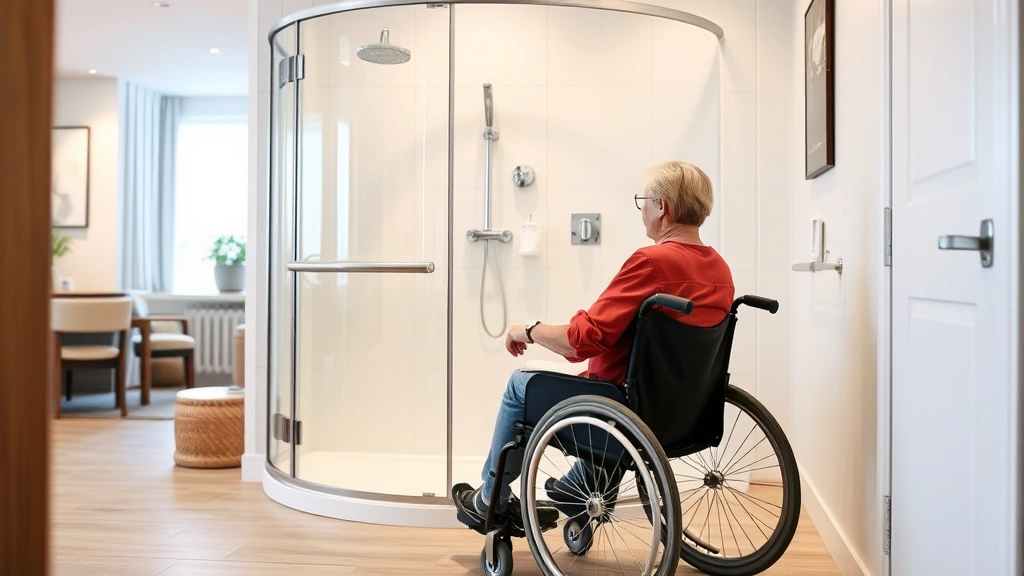
Doctor Note for School Accommodations for Housing: A Complete Guide
Students with disabilities, chronic illnesses, or mental health conditions often need specialized housing accommodations to succeed academically. A doctor note for school accommodations related to housing can be a critical document that bridges your medical needs with your educational institution’s support services. Whether you require ground-floor housing due to mobility limitations, allergen-free environments for respiratory conditions, or proximity to campus health services, understanding how to obtain and present medical documentation is essential.
Many students don’t realize that housing accommodations fall under the same legal protections as classroom accommodations. The Americans with Disabilities Act (ADA) and Section 504 of the Rehabilitation Act require educational institutions to provide equal access to student housing. A properly documented doctor note strengthens your accommodation request and ensures your school takes your needs seriously.
This guide walks you through everything you need to know about obtaining medical documentation for housing accommodations, what information must be included, and how to present your case effectively to your school’s disability services office.
Understanding Housing Accommodations in School
Housing accommodations are modifications or adjustments to your on-campus or off-campus housing situation that enable you to participate fully in student life and academics. These accommodations are legally distinct from classroom accommodations, though they’re equally important under disability law. Your school’s residential life office, often working with the disability services department, manages these requests.
Common housing accommodation needs include single rooms for students who need quiet environments for mental health conditions, ground-floor units for those with mobility impairments, housing near accessible entrances, allergen-free rooms for students with severe allergies or asthma, and priority housing selection to ensure medical needs are met. Some students also need housing close to campus health services or in buildings with elevators and accessible bathrooms.
The key legal principle is that schools cannot deny you equal access to housing based on disability. However, your school will request medical documentation to understand your functional limitations and justify the accommodation. A doctor note serves as the foundation for this entire process. Unlike a general disability confirmation, a housing accommodation letter must specifically address how your condition affects your ability to live safely and successfully in standard housing.
It’s important to understand that obtaining a housing accommodation letter official is different from requesting other types of medical documentation. Your doctor needs to explain the nexus between your medical condition and your specific housing needs, demonstrating that the accommodation is medically necessary rather than merely preferable.
What Should Be in Your Doctor Note
A strong doctor note for school housing accommodations includes several critical elements. First, it should clearly state your diagnosis or medical condition in language your school can understand. The note doesn’t need to be lengthy, but it must be specific enough to justify the accommodation you’re requesting.
Your doctor should describe your functional limitations—how your condition affects your daily living activities. For example, if you have anxiety, the note might explain that your symptoms are exacerbated by shared spaces, requiring a single room. If you have mobility issues, it should describe your limitations with stairs, walking distances, or using certain facilities. The more specific the functional description, the harder it is for your school to deny your request.
The note must explicitly state the recommended accommodation and explain why it’s medically necessary. Rather than saying “the student needs single housing,” an effective note explains: “Due to [condition], the student experiences [specific symptoms or limitations] that are significantly reduced by [specific accommodation]. Standard housing would prevent the student from [academic function/daily living activity].”
Your doctor should also address the temporary or ongoing nature of the accommodation. Some housing needs are permanent (such as mobility accommodations), while others may be temporary (such as housing near health services during recovery from an acute condition). Your school needs this clarity to plan appropriately.
The note should be written on official letterhead, dated, and signed by a licensed healthcare provider who has examined you or reviewed your medical records. Telehealth doctors can provide this documentation, though in-person evaluation is preferable. The provider should be qualified to diagnose or treat your specific condition—a psychiatrist for mental health conditions, a pulmonologist for respiratory conditions, and so on.
Consider including information about how the accommodation will support your academic success. Schools are more responsive when they understand that housing accommodations directly enable classroom participation and academic achievement. A note that connects housing needs to educational outcomes is more persuasive than one that focuses solely on comfort.
Key elements your doctor note must include:
- Your diagnosis or medical condition
- Specific functional limitations related to housing
- The recommended accommodation and why it’s medically necessary
- How your condition affects academic participation without the accommodation
- Duration of the accommodation need (temporary or ongoing)
- Doctor’s credentials, letterhead, signature, and date

Types of Housing Accommodations Schools Provide
Understanding what accommodations are actually available at your school helps you frame your request appropriately. Most colleges and universities can provide single rooms, though this is sometimes limited by housing availability. Ground-floor or accessible units are standard at schools with ADA compliance infrastructure. Many schools also offer housing priority, allowing students with documented needs to select housing before the general population.
Allergen-free housing is increasingly common, particularly for students with severe asthma or anaphylactic allergies. These units restrict certain products or materials and may be designated as fragrance-free or pet-free. Proximity accommodations—placing you in housing near accessible entrances, health services, or dining facilities—are frequently granted for mobility, sensory, or chronic illness needs.
Some schools offer modified housing arrangements, such as allowing emotional support animals or service animals in housing that typically prohibits pets. Understanding the difference between an ESA and service animal letter is crucial here, as schools handle these differently. A legitimate ESA letter for apartment approval may be required for housing, distinct from service animal documentation.
Less commonly, schools may provide housing with specific accessibility features, such as units with accessible bathrooms, kitchens, or climate control for students with environmental sensitivities. Some institutions offer housing in quieter residence halls or buildings with fewer noise disturbances for students with sensory processing issues or anxiety disorders.
Your doctor note should be tailored to the specific accommodations your school can realistically provide. Research your school’s housing policies and accessibility features before requesting your note. This ensures your doctor recommends accommodations that are both medically appropriate and actually available.
How to Request and Present Your Documentation
The process of obtaining and presenting your doctor note requires strategic timing and proper channels. Start by contacting your school’s disability services office (often called the Office of Disability Services, Student Accessibility Services, or similar). Ask them what documentation they need for housing accommodations and whether they have specific forms your doctor should complete.
Many schools provide accommodation request forms that your doctor can fill out alongside a letter. These forms standardize the information schools need and make the evaluation process faster. If your school doesn’t have a form, a letter from your doctor is acceptable, but ensure it includes all elements discussed above.
Timing matters significantly. Submit your documentation as early as possible—ideally before housing selection begins. Many schools complete housing accommodations on a first-come, first-served basis or prioritize requests received early. Submitting late in the housing cycle may result in limited options or denial due to housing unavailability.
When presenting your documentation, include a cover letter explaining your accommodation request. Be specific: “I am requesting single housing due to my documented anxiety disorder, which causes sleep disturbance and difficulty concentrating in shared spaces. This accommodation will enable me to participate fully in my academic program.” This contextualizes your medical documentation and makes the request feel complete.
Follow up with disability services after submitting. Ask when you can expect a decision and what the next steps are. If your request is denied, ask for the specific reason and whether you can provide additional documentation or clarification. Schools must provide a process for appealing accommodation denials.
Keep copies of everything you submit. Maintain a timeline of when you submitted documentation, when you received responses, and what was decided. This documentation protects you if disputes arise and helps you demonstrate good-faith effort to obtain accommodations.
Common Challenges and How to Overcome Them
Many students encounter pushback when requesting housing accommodations. Schools sometimes claim accommodations are unavailable, deny requests due to insufficient documentation, or suggest accommodations that don’t actually meet your needs. Understanding common challenges helps you prepare effective responses.
Insufficient documentation: Your school may claim your doctor note doesn’t provide enough detail. If this happens, ask specifically what information is missing and request your doctor provide additional documentation. A follow-up letter addressing the school’s specific questions is often sufficient without requiring a completely new evaluation.
Denial due to housing unavailability: Schools cannot deny accommodations solely because they’re inconvenient. If your school claims no single rooms are available, they must explain what alternative accommodations they’re offering or when single rooms will become available. You may have grounds to appeal if the denial is based purely on resource constraints.
Accommodation deemed unnecessary: Some schools question whether accommodations are truly medically necessary. Combat this by ensuring your doctor note explicitly connects your condition to functional limitations and explains how the accommodation addresses those specific limitations. Your note should make clear that without the accommodation, you cannot participate equally in campus life.
Preference versus necessity confusion: Schools sometimes dismiss accommodation requests as mere preferences. Your doctor note must distinguish between what you prefer and what you medically need. The language matters: “necessary for the student to” is stronger than “would help the student.”
If you encounter persistent denial or inadequate accommodations, contact your school’s ADA Office or file a complaint with the Department of Education’s Office for Civil Rights (OCR). Many schools become more responsive when they understand that denial may trigger regulatory investigation.
Working with Your School’s Disability Services
Successful housing accommodations depend on effective communication between you, your doctor, and your school’s disability services office. Building this relationship from the start improves outcomes significantly.
When you first contact disability services, ask detailed questions about their process, timeline, and documentation requirements. Some schools have specific forms; others accept standard letters. Understanding their preferences helps you provide exactly what they need. Ask whether they need medical records or just a letter, whether your doctor needs to be local or can be anywhere, and what timeline they follow for housing decisions.
Share your doctor note with disability services in the format they request. Some schools prefer official letterhead mailed directly from the provider’s office (to verify authenticity), while others accept digital copies. Ask about their preference and ensure your doctor complies.
Maintain professional communication throughout. Disability services staff are often overworked and managing hundreds of accommodation requests. Being respectful, providing complete documentation, and following their timelines makes your case more likely to succeed. If you need to follow up, reference your previous communication and include your student ID for easy tracking.
If your initial request is denied, ask for a meeting with the disability services coordinator to discuss alternatives. Sometimes misunderstandings about your needs or available options can be resolved through conversation. Bring your doctor’s letter and be prepared to explain how your condition affects housing.
Remember that your school is legally obligated to provide reasonable accommodations. A proper doctor note demonstrating medical necessity makes your request difficult to deny. If you believe your school is acting discriminatorily, contact the Equal Employment Opportunity Commission (EEOC) or your state’s disability rights organization for guidance on filing complaints.
For students also navigating medical accommodation for remote work ADA issues or other educational accommodations, coordinate all your documentation with disability services. A comprehensive accommodation plan addressing classroom, housing, and other needs is more persuasive than isolated requests.
Special Considerations for Different Conditions
Different medical conditions require slightly different approaches to housing accommodation requests. Mental health conditions like anxiety, depression, or PTSD often benefit from single-room accommodations that reduce overstimulation. Your doctor note should describe how shared spaces trigger symptoms and how isolation reduces symptom severity.
Mobility impairments or chronic pain conditions typically require ground-floor housing, proximity to accessible entrances, or buildings with elevators. Your doctor note should specify distance limitations and explain why climbing stairs or walking long distances would prevent academic participation.
Students with respiratory conditions or severe allergies need allergen-free housing. Your doctor note should document specific allergen sensitivities and explain health consequences of exposure. If you have anaphylactic allergies, documentation of this severity strengthens your request significantly.
Neurodivergent students (autism, ADHD) may need quiet housing away from high-traffic areas. Your doctor note should explain sensory sensitivities and how overstimulation affects focus, sleep, and academic performance. For students requiring legitimate ESA letters for apartment approval, documentation of psychiatric disability supporting the animal’s role is essential.
Immunocompromised students may need housing with reduced shared facilities or priority access to housing that minimizes exposure to illness. This category has become increasingly important post-COVID, and schools are generally responsive to immunological documentation.

FAQ
Can any doctor write a housing accommodation letter, or does it need to be a specialist?
Your primary care doctor can write a housing accommodation letter if they’re familiar with your condition and functional limitations. However, a specialist (psychiatrist for mental health, pulmonologist for respiratory conditions, etc.) often carries more weight with schools. If your primary care doctor is writing the letter, ensure they have detailed knowledge of your condition and can speak specifically to housing-related functional limitations.
How long does it typically take schools to respond to housing accommodation requests?
Response times vary widely. Some schools respond within weeks; others take months. Schools typically have a deadline (often 30-60 days before housing selection) for submitting documentation. Submit early and follow up if you don’t hear back within two weeks. Ask your disability services office for their typical timeline when you submit your request.
What if my school denies my housing accommodation request?
Request a meeting with disability services to discuss why the request was denied. Ask whether additional documentation would help or whether alternative accommodations are available. If you believe the denial is discriminatory or based on insufficient consideration of your medical needs, you can file a complaint with your school’s HUD Fair Housing Office or the Office for Civil Rights.
Can I request housing accommodations if I’m living off-campus?
Housing accommodations typically apply to on-campus housing managed by your school. If you’re living off-campus, your school generally isn’t required to provide accommodations. However, if you’re interested in on-campus housing for the next year, you can request accommodations as part of the housing selection process. Some schools also require off-campus landlords to honor reasonable accommodations under fair housing law.
Should I disclose my diagnosis to my roommate if I have a single room accommodation?
This is entirely your choice. You don’t need to disclose your medical condition to anyone except your school’s disability services office. Your accommodation is private medical information. If you prefer to explain your single room to your roommate (if applicable to your situation), you can share as much or as little as you’re comfortable with.
What’s the difference between a housing accommodation and an ESA letter?
A housing accommodation letter addresses your general medical needs related to living space (single room, ground floor, allergen-free, etc.). An ESA letter specifically documents an emotional support animal as a reasonable accommodation. These can overlap—you might request both housing accommodations and ESA housing allowance. The difference between ESA and service animal letters is also important; schools handle these very differently under housing policy.
Can my school require me to pay extra for housing accommodations?
No. Schools cannot charge extra fees for reasonable accommodations. If your accommodation requires a single room or premium location, you pay the standard housing rate, not an upgraded rate. Charging for accommodations violates fair housing law and the ADA. If your school attempts this, contact disability services management or file a complaint with the Office for Civil Rights.
How do I know if my accommodation request is reasonable?
A reasonable accommodation is one that addresses your documented functional limitations without fundamentally altering your school’s operations or imposing undue financial burden. Single rooms, ground-floor housing, and proximity accommodations are generally considered reasonable. Requests that completely restructure campus housing or require construction are less likely to be granted. Your disability services office can advise whether your specific request is typical and reasonable.