
Financial Hardship Letter for School: Doctor’s Advice
A financial hardship letter from a doctor can be a powerful tool for students facing unexpected medical expenses, treatment costs, or health-related financial crises. When medical conditions create genuine financial strain, educational institutions often have processes to provide tuition relief, fee waivers, or payment plan modifications. However, schools typically require professional documentation—specifically a letter from your healthcare provider—to verify that your hardship is medically legitimate and not simply a matter of poor budgeting.
This comprehensive guide explains how to obtain a financial hardship medical letter, what it should contain, and how to present it effectively to your school’s financial aid office or administration. Whether you’re dealing with unexpected treatment costs, chronic illness management expenses, or disability-related financial strain, understanding the documentation process can help you access the support you need to continue your education.
What Is a Financial Hardship Medical Letter?
A financial hardship medical letter is a formal document written by a licensed healthcare provider that confirms a student’s medical condition has created or significantly contributed to financial difficulty. Unlike a standard sick note or disability verification letter, this document specifically addresses the financial impact of medical care or health conditions on your ability to pay for education.
The letter serves as objective, professional evidence that your hardship claim is rooted in legitimate medical expenses or health-related circumstances rather than poor financial planning. Schools recognize that some students face circumstances beyond their control—unexpected surgeries, chronic disease management, mental health treatment, mobility equipment, specialized therapies, and other medical needs can quickly deplete savings or create debt.
This documentation helps your school understand the full context of your situation when evaluating requests for tuition reduction, fee waivers, emergency grants, or modified payment plans. Medical professionals carry credibility with educational institutions, and their written assessment can be the difference between a denied request and meaningful financial relief.
Why Schools Require Doctor Documentation
Educational institutions handle hundreds or thousands of financial hardship requests annually. Without proper documentation, schools would struggle to distinguish between legitimate medical emergencies and other financial challenges. Doctor documentation serves several critical functions:
- Verification of medical legitimacy: A licensed physician’s letterhead and signature confirm that your claimed condition actually exists and requires treatment.
- Professional assessment: Doctors can articulate the specific costs and ongoing nature of your medical needs in ways that strengthen your application.
- Compliance with institutional policies: Most schools have formal policies requiring third-party verification for financial hardship claims, particularly those exceeding certain thresholds.
- Fair allocation of limited resources: Schools often have limited emergency funds; documentation helps ensure these resources reach students with the greatest documented need.
- Legal protection: Documentation protects both students and institutions by creating a clear record of the basis for financial decisions.
Schools understand that medical hardship is different from other financial challenges. A healthcare provider’s letter demonstrates that you’re not asking for special treatment—you’re asking for consideration of circumstances that genuinely prevent you from meeting your financial obligations while pursuing your education.

Key Components of an Effective Letter
An effective financial hardship medical letter includes specific elements that make it most persuasive to your school’s decision-makers. Here’s what should be included:
- Healthcare provider credentials: The letter should be written on official letterhead with the doctor’s name, title, license number, contact information, and practice address. This establishes the writer’s authority and allows your school to verify their credentials if needed.
- Your basic information: Include your full name, date of birth, student ID number (if known), and the dates you’ve been under the provider’s care.
- Clear diagnosis statement: The letter should name your medical condition(s) in clear language. You don’t need to include every symptom, but the condition should be specifically identified.
- Description of financial impact: Explain how the condition directly creates financial hardship. This might include ongoing treatment costs, medication expenses, specialist visits, medical equipment, therapy sessions, or lost income due to medical appointments or disability.
- Anticipated duration: Will this financial strain be temporary (several months) or longer-term (years)? This helps schools understand the scope of support needed.
- Professional assessment: The doctor should briefly note why they believe this financial strain significantly impacts your ability to pursue education.
- Signature and date: The letter must be signed and dated by the healthcare provider. Electronic signatures are typically acceptable.
- Contact information: Include a phone number or email where your school can reach the provider if they have questions.
The tone should be professional and straightforward. Your doctor isn’t advocating for you—they’re simply confirming medical facts and their professional assessment of financial impact. This neutrality actually makes the letter more credible to school administrators.
Medical Conditions That Qualify
Virtually any medical condition can create financial hardship if treatment costs are substantial. However, some conditions more commonly lead to documented financial strain:
- Chronic illnesses: Diabetes, autoimmune conditions, chronic pain disorders, and other ongoing conditions require regular specialist visits, medications, and sometimes medical equipment.
- Mental health conditions: Therapy, psychiatric medications, and intensive outpatient programs can create significant ongoing costs.
- Mobility disabilities: Wheelchair users, people with cerebral palsy, and those with other mobility conditions often face expenses for equipment, accessibility modifications, and specialized care.
- Serious acute conditions: Cancer treatment, major surgery, hospitalization, or other acute medical events can create temporary but severe financial strain.
- Neurological conditions: ADHD, autism spectrum disorder, learning disabilities, and other neurological conditions may require specialized testing, tutoring, medication, or therapy.
- Sensory disabilities: Blindness, deafness, and low vision create costs for assistive technology, interpreters, and specialized services.
- Reproductive health: Fertility treatment, pregnancy-related complications, or other reproductive health needs can be extremely costly.
- Infectious disease treatment: HIV care, hepatitis treatment, and other infectious disease management may require expensive medications and frequent monitoring.
The key is that the condition must genuinely create financial impact. A doctor wouldn’t write a letter claiming financial hardship for a condition that requires minimal treatment or is fully covered by insurance. Your healthcare provider will honestly assess whether your specific situation warrants this documentation.
How to Request This Letter From Your Doctor
Requesting a financial hardship medical letter requires tact and clear communication. Here’s the best approach:
- Schedule a dedicated appointment: Don’t ask for this letter during a routine visit. Call ahead and explain that you need a letter documenting the financial impact of your medical condition for your school. This gives your doctor time to prepare and think through the request seriously.
- Explain your specific situation: Tell your doctor clearly that your school requires medical documentation to support a financial hardship claim. Explain what expenses you’re facing—medication costs, specialist visits, therapy sessions, medical equipment, or lost income due to medical needs.
- Provide a template or example: Many schools have specific letter formats or requirements. If your school has provided guidelines, share them with your doctor. If not, you can reference our disability verification letter examples as a general model for professional medical documentation.
- Be honest about your situation: Doctors respect honesty. If you’re genuinely struggling financially due to medical needs, say so directly. Your doctor can only write an accurate letter if they understand your true circumstances.
- Ask about timeline: When will the letter be ready? Some offices can provide it immediately; others need several days. Plan accordingly if you have a deadline.
- Clarify what it will include: Ask your doctor what specific points they’ll address in the letter. Make sure they understand you need documentation of financial impact, not just medical diagnosis.
- Offer to provide written information: Some patients find it helpful to write down their medical expenses, treatment schedule, and financial impact before the appointment. This helps the doctor provide comprehensive documentation.
Most healthcare providers are willing to write this documentation. They understand that medical expenses create real hardship for students, and they want to support your ability to continue your education. The key is making your request professional, specific, and straightforward.
If your primary care doctor is unfamiliar with your condition’s financial impact, consider asking a specialist who treats your condition regularly. A psychiatrist treating your anxiety disorder, an endocrinologist managing your diabetes, or a rheumatologist overseeing your lupus treatment may have clearer perspective on ongoing costs than a generalist.
Presenting Your Letter to Your School
Once you have your financial hardship medical letter, the next step is presenting it effectively to your school. Here’s how to maximize its impact:
Identify the right office: Contact your school’s financial aid office, student services, or the dean of students office. Ask specifically where to submit financial hardship requests and what documentation is required. Different schools have different processes—some have formal hardship committees, while others handle requests on a case-by-case basis.
Submit complete documentation: Don’t send only your doctor’s letter. Include a written statement from you explaining your situation, your doctor’s letter, and any additional supporting documentation (medical bills, receipts, insurance statements showing out-of-pocket costs, etc.). The more complete your submission, the stronger your case.
Follow institutional guidelines: Your school may require specific forms or submission procedures. Follow these exactly. If they ask for the letter in a particular format or want it sent to a specific office, comply with those requirements.
Be clear about what you’re requesting: Are you asking for a tuition reduction, fee waiver, emergency grant, or modified payment plan? Be specific so your school understands exactly what support would help your situation.
Meet deadlines: Submit your request well before any relevant deadlines. Financial aid offices often have specific times they review hardship requests. Submitting early ensures you’re not denied simply because you missed a cutoff.
Follow up appropriately: After submitting, follow up with the office after one week if you haven’t heard anything. Ask about timeline for a decision. Don’t be pushy, but do stay engaged with the process.
Remember that your school’s financial aid office handles these requests regularly. They’re not skeptical by nature—they want to help students succeed. Your doctor’s letter simply provides the professional documentation they need to justify their decision to provide assistance.
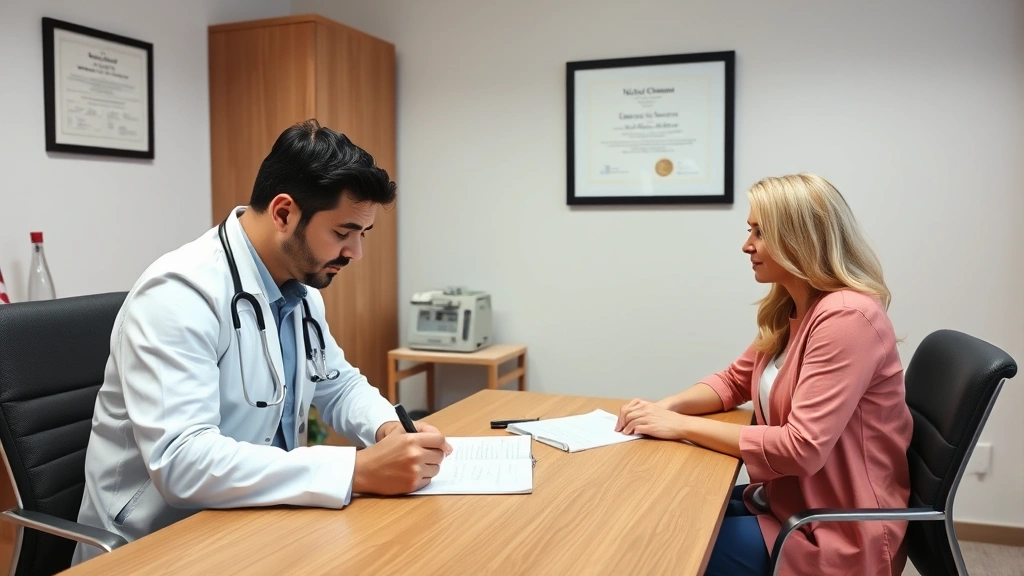
Common Mistakes to Avoid
Learning from others’ experiences can help you avoid pitfalls in the hardship letter process:
- Vague medical descriptions: Don’t ask your doctor to write a letter about “health issues” or “medical problems.” Specific diagnoses carry more weight. “Type 1 diabetes requiring insulin therapy and monthly specialist visits” is far more persuasive than “blood sugar problems.”
- Exaggerating financial impact: Be honest about costs. Dishonesty will undermine your credibility if your school verifies information. It’s better to show genuine hardship truthfully than to risk being caught in exaggeration.
- Submitting a letter that’s too brief: A single sentence from your doctor won’t be persuasive. The letter should be substantial enough to address the key components listed above. A paragraph or more is typically appropriate.
- Missing deadlines: Many schools have specific periods when they review hardship requests. Missing these deadlines might mean waiting until next semester for consideration. Always ask about timing.
- Failing to follow submission procedures: If your school asks for hardship requests to go through a specific office or process, don’t deviate. Following procedures shows respect for institutional processes and increases the likelihood your request is handled properly.
- Not including your own written statement: Your doctor’s letter is important, but your own explanation of your situation adds crucial context. Write clearly about how the medical condition has affected your finances and why you need relief.
- Assuming all schools have the same process: What worked at one institution may not work at another. Always ask your specific school about their policies and procedures rather than assuming.
- Treating the request as adversarial: You’re not fighting against your school—you’re asking for their help. Approach the process collaboratively, not defensively.
Additional Resources and Support
Beyond financial hardship documentation, students with medical conditions may need additional accommodation letters and support. If your medical condition affects your academic performance or attendance, you might also benefit from accommodation documentation for your school.
Students with disabilities may qualify for various protections and accommodations under federal law. Learn more about your rights through the Americans with Disabilities Act (ADA), which protects students with disabilities in educational settings.
Your school’s disability services office can help you understand what accommodations you may be eligible for beyond financial relief. If you haven’t already connected with this office, they should be your first stop for comprehensive support.
For students facing housing-related financial hardship due to medical conditions, HUD.gov offers resources on housing assistance programs that may help ease overall financial strain.
If your financial hardship relates to disability, the Job Accommodation Network (JAN) provides free resources on disability accommodations that might help you understand your broader rights and options.
Many schools also have emergency funds, food pantries, and other resources specifically for students in crisis. Your financial aid office, dean of students office, or student services can connect you with these resources even if your formal hardship request is still being reviewed.
Consider also reaching out to student advocacy offices, disability rights organizations, or legal aid services if you feel your school is improperly denying your request. Many communities have organizations dedicated to protecting student rights and ensuring fair treatment.
FAQ
How long does it take to get a financial hardship medical letter?
Most doctors can provide a letter within 1-2 weeks of your request. Some offices can turn it around in a few days. Call ahead to ask about timeline, especially if you have a deadline. For urgent situations, ask if your doctor’s office can provide a letter during your appointment or via email within 24 hours.
Does my doctor charge for writing this letter?
Policies vary. Many doctors include letter writing as part of routine patient care at no extra charge. However, some practices charge a small fee ($25-100) for documentation requests. Ask your doctor’s office about their policy before your appointment so you’re not surprised.
What if my doctor refuses to write the letter?
If your primary doctor is unwilling, consider asking a specialist who treats your condition. If multiple providers refuse, ask why—they may have concerns about accuracy or may not understand what you’re asking for. Sometimes clarifying your request or providing a template helps. If you genuinely cannot get a doctor’s letter, speak with your school about alternative documentation they might accept.
Should I send the original letter or a copy?
Follow your school’s instructions. Most prefer original letters with actual signatures, though some accept scanned copies or digital signatures. Ask your school before submitting. Always keep a copy for your records.
Can I use the same letter for multiple schools?
Yes, if you’re applying to multiple schools. One letter can be submitted to several institutions. However, each school may have different requirements, so check with each about their specific guidelines.
What if my financial hardship is temporary?
Temporary hardship is absolutely valid for a medical letter. If your hardship will resolve in a few months (after you complete expensive treatment, for example), your doctor should note this in the letter. Your school can then provide temporary relief rather than permanent assistance.
Does the letter need to include specific dollar amounts?
Not necessarily. Your doctor doesn’t need to estimate exact costs. They can simply describe that your condition requires ongoing treatment with associated costs. However, if you’ve provided your doctor with information about your actual expenses, they may include general ranges (“approximately $500-1000 monthly in medical costs”).
What if my school denies my hardship request despite the doctor’s letter?
Ask for a written explanation of why your request was denied. Some schools have limited funds and can only help a percentage of applicants. If you believe the denial was unfair, ask about an appeals process. You can also reach out to your school’s ombudsman office, disability services, or student advocacy office for guidance.