
Online Medical Letter for Financial Hardship: Expert Tips
Financial hardship can strike suddenly, leaving individuals and families scrambling to cover essential expenses, medical bills, and housing costs. When you’re facing severe economic strain, a medical letter documenting your financial hardship can be a powerful tool to access relief programs, negotiate with creditors, request court accommodations, or qualify for government assistance. An online medical letter for financial hardship provides official documentation from a licensed healthcare provider that confirms your medical condition has created or contributed to your financial difficulties.
Whether you’re seeking loan forbearance, rental assistance, bankruptcy protection, medical bill forgiveness, or other forms of financial relief, having legitimate medical documentation strengthens your case significantly. This comprehensive guide walks you through obtaining an online medical letter for financial hardship, understanding what it should contain, and using it effectively to access the support you need.
What Is a Financial Hardship Medical Letter?
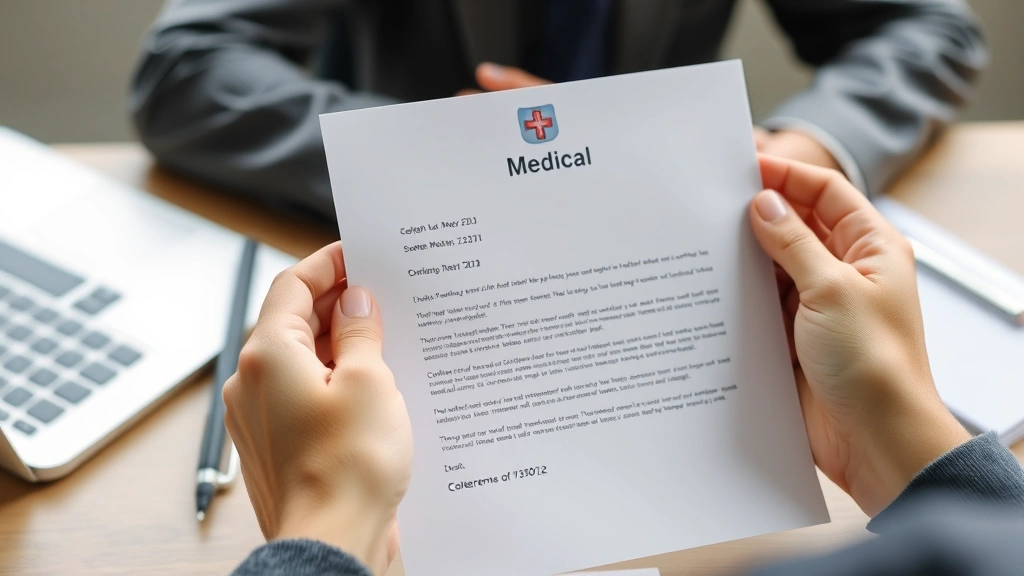
A financial hardship medical letter is official documentation from a licensed healthcare provider that outlines how a medical condition or health crisis has negatively impacted your financial stability. Unlike general disability letters, this document specifically connects your medical situation to economic consequences such as lost income, increased medical expenses, inability to work, or reduced earning capacity.
The letter serves as credible third-party evidence that your financial difficulties are legitimate and medically rooted, not the result of poor financial management or irresponsibility. It can be used when applying for:
- Mortgage loan modifications or forbearance programs
- Credit card debt relief or payment plan adjustments
- Medical bill forgiveness or negotiated settlements
- Rental assistance or eviction prevention programs
- Government benefits or hardship grants
- Bankruptcy court documentation
- Student loan deferment or income-driven repayment plans
- Insurance claim appeals related to financial impact
The credibility of a medical letter comes from the provider’s professional standing and legal authority to make medical assessments. This is why obtaining your letter from a licensed physician, nurse practitioner, or physician assistant through a legitimate telehealth platform matters significantly.
Why You Need Medical Documentation for Financial Hardship
Financial institutions, government agencies, and courts receive countless hardship requests daily. Without proper documentation, your request may be dismissed as unsubstantiated. A medical letter changes this dynamic by providing:
Professional Credibility: When a licensed healthcare provider documents your condition, institutions take your claim seriously. They understand that medical professionals have legal and ethical obligations to provide truthful assessments, making the letter more persuasive than personal statements alone.
Legal Weight: In bankruptcy proceedings, mortgage negotiations, and court cases, medical documentation carries significant legal weight. Judges and creditors recognize that physician-verified information is more reliable than unverified claims.
Objective Assessment: Your medical provider offers an objective, professional perspective on how your condition affects your ability to earn income and manage expenses. This neutrality strengthens your case considerably.
Specific Medical Details: A proper medical letter includes clinical information about your diagnosis, treatment requirements, prognosis, and functional limitations—details that prove the seriousness of your situation and justify why financial relief is necessary.
Research shows that loan modification requests accompanied by medical documentation are significantly more likely to be approved than those without supporting evidence. Similarly, rental assistance applications with medical verification have higher success rates.
Getting Your Letter Online: Step-by-Step Process
Obtaining a financial hardship medical letter online has become streamlined and accessible. Here’s how to navigate the process effectively:
Step 1: Choose a Legitimate Telehealth Provider
Select a platform that specializes in medical documentation and employs licensed healthcare providers in your state. Look for providers that offer disability verification through telehealth services, as these platforms understand documentation requirements. Verify that the platform is HIPAA-compliant and has transparent pricing and timelines.
Step 2: Complete Your Medical History
You’ll need to provide detailed information about your medical condition, including diagnosis, onset date, current treatments, medications, and how the condition affects your daily functioning and work capacity. Be thorough and honest—vague descriptions weaken your letter’s effectiveness.
Step 3: Schedule Your Telehealth Consultation
Most online platforms offer same-day or next-day appointments. During your video consultation, the healthcare provider will ask detailed questions about your medical history, current symptoms, treatment plan, and the specific financial impact your condition has created. They may also discuss your work limitations and income loss.
Step 4: Discuss Your Specific Needs
Be clear about how you plan to use the letter. Whether it’s for loan modification, rental assistance, or court documentation, tell your provider so they can tailor the letter appropriately. Different institutions may require slightly different emphasis or language.
Step 5: Receive Your Completed Letter
Most telehealth providers deliver completed letters within 24-48 hours via secure email. Ensure the letter is on official letterhead, signed by the provider, includes their credentials and license number, and contains all necessary medical details.
Step 6: Obtain Copies and Verify Authenticity
Request multiple copies of your letter and verify that it’s properly formatted for your intended use. Some institutions may request direct verification of the provider’s credentials, so ensure your letter includes contact information for the healthcare provider’s office.

Key Components Your Letter Must Include
A comprehensive financial hardship medical letter should contain specific elements to maximize its effectiveness:
Provider Information and Credentials
The letter must be on official medical letterhead with the provider’s full name, title, license number, state of licensure, contact information, and signature. This allows institutions to verify the provider’s credentials independently if needed.
Patient Identification
Include your full name, date of birth, and patient ID number if applicable. This ensures the letter is properly matched to your application or request.
Medical Diagnosis and Clinical Details
The letter should specify your medical diagnosis, date of diagnosis, current symptoms, and severity level. Include information about any complications or comorbid conditions that impact your situation. This clinical specificity demonstrates the legitimacy of the documentation.
Treatment and Prognosis Information
Describe your current treatment plan, medications, required medical appointments, and ongoing care needs. Address your prognosis—whether your condition is temporary, chronic, or progressive—as this affects your long-term financial outlook.
Functional Limitations and Work Impact
This is critical for financial hardship letters. Explicitly state how your medical condition limits your ability to work, earn income, or maintain employment. For example: “Patient is unable to work full-time due to [condition] and has experienced 60% income reduction since diagnosis.” Specific numbers and timeframes strengthen this section considerably.
Financial Impact Statement
Your letter should address the financial consequences directly. This might include increased medical expenses, lost income, inability to afford treatment, or inability to work in your previous capacity. The more specific you can be, the stronger your case.
Professional Opinion
Include a statement from the provider regarding the relationship between your medical condition and financial hardship. For example: “In my professional medical opinion, [Patient’s] condition has directly caused significant financial hardship due to loss of income and substantial medical expenses.”
Confidentiality and Verification Language
Some institutions require specific language allowing them to contact the provider for verification. Your letter should include appropriate confidentiality statements and authorization language as needed.
Using Your Letter Effectively
Having a medical letter is only half the battle—using it strategically maximizes your chances of success. When requesting a doctor disability confirmation letter with quick approval, ensure you’re also following best practices for application submission.
Tailor Your Application Package
Don’t submit your medical letter in isolation. Pair it with other supporting documents such as recent tax returns, medical bills, bank statements showing reduced income, and a detailed hardship narrative. The medical letter provides credibility; your other documents provide specifics.
Address Specific Program Requirements
Different programs have different documentation requirements. Mortgage lenders may need different information than rental assistance programs. Review the specific requirements and ensure your medical letter addresses them directly. You may need to request supplemental statements addressing particular criteria.
Follow Up Appropriately
After submitting your application with your medical letter, follow up with the institution after 5-7 business days if you haven’t received acknowledgment. Be persistent but professional. If your initial request is denied, ask specifically what additional documentation would strengthen your case.
Consider Multiple Uses
A well-written financial hardship medical letter can support multiple applications simultaneously. You might use it for mortgage modification, rental assistance, and medical bill negotiation at the same time. Ensure the letter is comprehensive enough to serve these multiple purposes, or request supplemental statements addressing specific needs.
Maintain Documentation Records
Keep detailed records of where you’ve submitted your medical letter, which institutions received it, and what the outcomes were. This helps you track your efforts and provides evidence if you need to appeal decisions or pursue legal action.
Common Mistakes to Avoid
Understanding what not to do is as important as knowing the right steps. Avoid these common pitfalls:
Using Generic Letters
Never use a template letter or one written for someone else. Generic letters lack the specific medical details that make documentation credible and effective. Your letter should be personally tailored to your situation.
Exaggerating or Misrepresenting Your Condition
This is both unethical and illegal. Healthcare providers have professional and legal obligations to provide truthful assessments. Dishonesty can result in criminal fraud charges, especially in bankruptcy or government benefit contexts. Always provide accurate information to your healthcare provider.
Obtaining Letters from Unlicensed Providers
Letters from unlicensed individuals, naturopaths, or online sources without proper credentials will be rejected or viewed with suspicion. Always verify that your provider is licensed in your state and properly credentialed.
Missing Deadline Submissions
Financial hardship programs often have specific deadlines. Obtain your letter well in advance of any submission deadlines to avoid being locked out of programs due to timing issues.
Failing to Provide Complete Information
Incomplete medical letters that lack essential details, provider signatures, or credentials are often rejected. Before submitting, verify that your letter contains all required elements and is properly formatted.
Not Following Up on Applications
Many people submit their applications and letters but don’t follow up. Active follow-up significantly increases approval rates. Contact the institution regularly to ensure your application is being processed and to address any questions.
Using Outdated Letters
Medical documentation has expiration dates. Most institutions accept letters dated within 30-90 days of submission. Don’t use old letters from years past—obtain current documentation that reflects your current medical and financial situation.
Frequently Asked Questions
How quickly can I get an online financial hardship medical letter?
Most reputable telehealth providers deliver completed letters within 24-48 hours. Some offer expedited services with same-day turnaround for an additional fee. However, don’t sacrifice quality for speed—ensure your provider takes time to understand your situation fully.
How much does an online medical letter for financial hardship cost?
Pricing varies by provider, typically ranging from $150-$400. Some platforms offer packages that include the consultation and letter together. Compare providers carefully and ensure they’re not operating scams. Legitimate providers clearly state their pricing upfront.
Can I use the same letter for multiple purposes?
Yes, if your letter is comprehensive and addresses the general relationship between your medical condition and financial hardship. However, some institutions may request supplemental statements addressing their specific program requirements. A well-written letter should be flexible enough to serve multiple purposes.
What if my letter is rejected or not accepted?
Ask the institution specifically why your letter was rejected. Common reasons include incomplete information, outdated documentation, or missing required elements. You can then request a supplemental statement from your healthcare provider addressing the specific deficiency.
Is an online medical letter as credible as one from my personal doctor?
Yes, when obtained from a legitimate, licensed healthcare provider through a HIPAA-compliant platform. Institutions care about the provider’s credentials and licensure, not necessarily whether you have an existing relationship. However, if you have a personal doctor, you might consider asking them first, as an existing relationship can add additional credibility.
Can I get a medical letter if I don’t have a diagnosis?
This is more challenging. Medical letters require documented medical conditions. If you’re experiencing symptoms but haven’t been formally diagnosed, consider getting professional medical evaluation to establish a diagnosis before pursuing financial hardship documentation. Undocumented claims are less persuasive to institutions.
What should I do if I’m facing immediate financial crisis?
While obtaining your medical letter, also contact local social services, nonprofits, and government agencies offering emergency assistance. Many programs don’t require medical documentation and can provide immediate help. Use your medical letter to strengthen applications for longer-term assistance programs while pursuing immediate relief through other channels.
Can a medical letter help with student loan hardship?
Yes. The Department of Education recognizes medical hardship as grounds for loan forbearance, deferment, and income-driven repayment plan adjustments. A medical letter documenting your condition and its financial impact strengthens your application for these programs significantly.
How do I verify that a telehealth provider is legitimate?
Check the provider’s state medical board website to verify licensure. Look for HIPAA compliance statements and secure patient data practices. Read independent reviews and check whether the platform has been mentioned in news articles or regulatory actions. Legitimate providers are transparent about their credentials and practices.
Should I mention my financial hardship letter to creditors directly?
You can, but approach this strategically. Some creditors are more responsive to hardship requests when they understand the medical basis. However, don’t volunteer sensitive medical information unless necessary. Let your letter speak for itself in formal applications rather than in casual conversations.