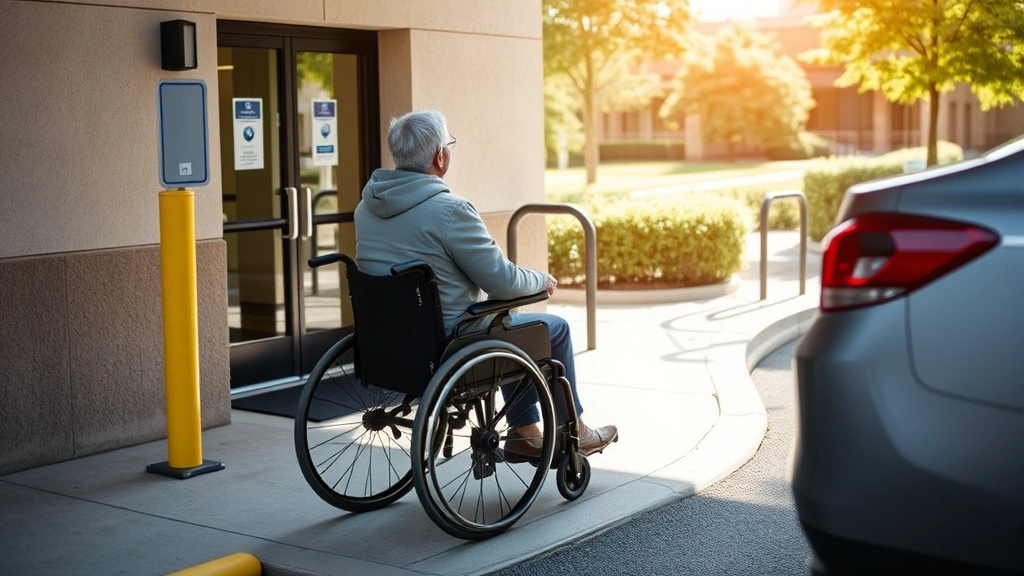
How to Obtain a Handicap Placard Certification Letter: Expert Tips
A handicap placard is a vital credential that grants individuals with mobility disabilities access to designated accessible parking spaces. However, obtaining one requires more than just a self-assessment—you need official medical documentation that proves your functional limitations qualify you for this accommodation. A handicap placard certification letter, issued by a licensed healthcare provider, is the cornerstone of this process.
Whether you’re dealing with a temporary injury, chronic condition, or progressive disability, understanding how to obtain the right medical documentation can save you time, reduce frustration, and ensure you get the accommodations you deserve. This guide walks you through every step of securing a handicap placard certification letter, the requirements involved, and what to expect from the process.
At Arvix Health, we specialize in helping individuals obtain legitimate medical documentation that meets state and federal standards. Our expert team understands the nuances of disability verification and can guide you toward the right solutions.

What Is a Handicap Placard Certification Letter?
A handicap placard certification letter is an official medical document issued by a licensed healthcare provider—typically a physician, physician assistant, or nurse practitioner—that certifies an individual has a mobility disability or condition that significantly impairs their ability to walk. This letter serves as the medical foundation for your application to obtain a handicap parking permit from your state’s Department of Motor Vehicles (DMV) or equivalent agency.
The letter must include specific information: your name, date of birth, the medical condition(s) causing your mobility limitation, the severity and expected duration of the disability, and the provider’s professional credentials and signature. Unlike a casual doctor’s note, this document carries legal weight and must meet strict standards set by your state and the Americans with Disabilities Act (ADA).
The placard itself—the physical permit you display on your vehicle—allows you to park in designated accessible spaces that are typically closer to building entrances and equipped with accessible features. For many individuals with mobility challenges, this accommodation can mean the difference between independence and isolation.

Eligibility Requirements for a Handicap Placard
Not everyone who experiences occasional mobility challenges qualifies for a handicap placard. Your state’s DMV has specific eligibility criteria that your medical provider must confirm. Generally, you must have a condition that:
- Significantly impairs walking ability—You cannot walk 200 feet without stopping to rest, or walking causes severe pain or distress
- Requires use of assistive devices—You regularly use a wheelchair, walker, cane, crutches, or similar mobility aid
- Causes severe respiratory or cardiac limitations—Exertion triggers dangerous symptoms that restrict your ability to access distant parking
- Results from a disabling neurological condition—Conditions like Parkinson’s disease, multiple sclerosis, or severe arthritis that affect mobility
- Is permanent or expected to last at least six months—Temporary conditions may qualify for temporary placards with different validity periods
Your healthcare provider will evaluate whether your specific condition meets these thresholds. This is why choosing an experienced provider who understands disability documentation is crucial.
Qualifying Medical Conditions
While the list of conditions that may qualify for a handicap placard is extensive, some of the most common include:
- Arthritis or joint disorders affecting lower extremities
- Cardiovascular disease or severe hypertension
- Chronic obstructive pulmonary disease (COPD)
- Diabetes with significant complications
- Neurological disorders (Parkinson’s, MS, ALS, cerebral palsy)
- Orthopedic injuries or post-surgical recovery
- Spinal cord injuries or chronic back conditions
- Cancer (especially during active treatment)
- Severe obesity affecting mobility
- Amputations or limb loss
- Severe asthma or other respiratory conditions
- Fibromyalgia with significant functional limitations
The key is demonstrating that your condition creates a genuine, documented functional limitation related to walking or mobility—not just that you have a diagnosis. A functional limitation verification letter specifically documents these walking and mobility restrictions.
Step-by-Step Process to Obtain Your Letter
Step 1: Verify Your State’s Requirements
Before contacting a healthcare provider, visit your state’s DMV website to understand the exact requirements for a handicap placard certification letter. Requirements vary by state—some accept any licensed physician, while others specify that only certain credentials (MD, DO, PA, NP) can issue the letter. Some states have specific forms that must be completed.
Step 2: Schedule an Appointment with a Qualified Provider
Contact a licensed healthcare provider who is experienced in disability documentation. This might be your primary care physician, a specialist treating your condition, or a provider who specializes in disability evaluations. If you don’t have a regular provider, you may need to schedule a new patient appointment.
Step 3: Prepare Your Medical History
Gather all relevant medical records, test results, and documentation of your condition. Bring a list of medications, previous diagnoses, and any assistive devices you use. The more complete your medical history, the easier it is for the provider to justify the certification.
Step 4: Discuss Your Mobility Limitations
During your appointment, clearly explain how your condition affects your ability to walk and access parking. Be specific: “I can only walk about 100 feet before experiencing severe shortness of breath” is more compelling than “I have trouble walking.” The provider will document these functional limitations in the letter.
Step 5: Request the Certification Letter
Ask the provider to issue a handicap placard certification letter that meets your state’s specific requirements. If your state has a standard form, provide it. Otherwise, ask what format they typically use. Confirm they understand the letter must address your functional limitations, not just your diagnosis.
Step 6: Review the Letter Before Submitting
Once you receive the letter, review it carefully. It should include your full name, date of birth, the provider’s credentials and contact information, your medical condition(s), documentation of functional limitations, whether the disability is temporary or permanent, and the provider’s signature. If anything is missing or unclear, contact the provider’s office for corrections.
Step 7: Submit to Your DMV
Submit the letter along with your handicap placard application to your state’s DMV. Most states now accept online applications, though some still require in-person visits. Follow your state’s specific submission process and pay any required fees.
Choosing the Right Healthcare Provider
The provider who issues your certification letter plays a critical role in the success of your application. Here’s what to look for:
- Proper Credentials—Verify they are licensed and meet your state’s requirements (MD, DO, PA, NP, etc.)
- Experience with Disability Documentation—Providers familiar with handicap placard letters understand what information the DMV requires
- Knowledge of Your Condition—Ideally, this is a provider who already treats your condition and has recent medical records
- Professional Reputation—Choose someone with a history of issuing legitimate, thorough documentation
- Willingness to Explain Their Assessment—A good provider can articulate why they believe you qualify
If you don’t have a regular healthcare provider or your current provider is unfamiliar with disability documentation, Arvix Health offers professional disability documentation services that connect you with qualified, experienced providers who understand the legal and medical requirements for handicap placard certification.
A doctor-signed general disability confirmation letter from an experienced provider ensures your documentation meets state standards and maximizes your chances of approval.
What Documentation You’ll Need
To support your handicap placard certification letter, gather the following documentation:
- Medical Records—Diagnostic test results, imaging studies, lab work, and clinical notes from your healthcare providers
- Medication List—Current medications and their purposes, which provide context for your condition
- Specialist Reports—If you see specialists (cardiologist, rheumatologist, neurologist, etc.), include their assessment letters
- Treatment Documentation—Records of surgeries, physical therapy, rehabilitation, or other treatments
- Functional Assessment Notes—Any documentation of how your condition affects your daily activities and mobility
- Assistive Device Prescriptions—If you use a wheelchair, walker, cane, or other mobility aid, include the prescription or medical justification
- State-Specific Forms—Some states provide forms that providers must complete; obtain these from your DMV website
While not all this documentation needs to be submitted with your application, having it available during your provider appointment strengthens the certification letter.
State-Specific Variations
Handicap placard requirements vary significantly by state. Here are key differences to research:
- Credential Requirements—Some states accept letters from any licensed physician; others require specific credentials (MD, DO, PA, NP)
- Required Forms—Many states have specific certification forms that providers must complete; others accept provider letters in any format
- Validity Periods—Permanent placards typically last 4-6 years; temporary placards may be valid for 6 months to 2 years
- Renewal Requirements—Some states require recertification; others automatically renew
- Application Process—Online, in-person, or mail submission; some states require in-person visits to the DMV
- Fees—Range from free to $50+ depending on your state
Visit your state’s DMV website or contact them directly to understand your specific state’s requirements. This prevents delays caused by incomplete or incorrect documentation.
Timeline and Costs
Timeline for Obtaining a Handicap Placard:
- Provider Appointment—1-4 weeks (depending on availability)
- Receiving the Certification Letter—Same day to 1 week after appointment
- DMV Processing—1-4 weeks (varies by state; some states offer expedited processing)
- Total Time—Typically 2-8 weeks from initial appointment to receiving your placard
In urgent situations, some states offer expedited processing or temporary placards while your permanent application is reviewed.
Costs Associated with Obtaining a Handicap Placard:
- Medical Provider Appointment—$100-$300 (varies by provider and whether they’re in-network with insurance)
- Certification Letter—Usually included in appointment fee; some providers charge $25-$100 for the letter itself
- DMV Application Fee—$0-$50 depending on your state
- Replacement or Renewal Fees—Varies by state
Many insurance plans cover the cost of a medical appointment, though they may not specifically cover the certification letter fee. Contact your insurance provider to understand your coverage.
Avoiding Common Delays:
- Verify your state’s requirements before scheduling your appointment
- Confirm your provider understands your state’s specific certification letter requirements
- Submit complete applications to the DMV to avoid requests for additional information
- Keep copies of everything you submit
- Follow up with the DMV if you don’t receive your placard within the expected timeframe
If you’re experiencing delays or difficulty finding a qualified provider, professional disability documentation services can expedite the process while ensuring all requirements are met.
FAQ
Can I get a temporary handicap placard while my permanent application is being processed?
Many states offer temporary permits or placards that are valid while your permanent application is under review. These typically last 6 months to 1 year. Contact your state’s DMV to inquire about temporary placard options.
What if my doctor refuses to sign a handicap placard certification letter?
If your doctor doesn’t believe your condition qualifies, you have several options: seek a second opinion from another provider, request specific feedback about what would strengthen your case, or see a specialist who treats your condition. Your provider must have legitimate medical reasons for refusing—they cannot refuse based on personal bias or incomplete information.
How long is a handicap placard valid?
Validity periods vary by state and whether the placard is temporary or permanent. Permanent placards typically last 4-6 years before requiring renewal. Temporary placards may be valid for 6 months to 2 years. Check your state’s DMV website for specific validity periods.
Can I use someone else’s handicap placard?
No. Handicap placards are non-transferable and issued to specific individuals. Using someone else’s placard is illegal and can result in significant fines and penalties. Each person with a qualifying disability must obtain their own placard.
Do I need to renew my handicap placard certification letter?
This depends on your state and whether your disability is permanent or temporary. Some states automatically renew permanent placards; others require recertification every few years. Temporary placards must be renewed when they expire. Check your state’s renewal requirements.
What if my condition changes or improves?
If your condition improves significantly and you no longer meet the eligibility criteria, you should notify your DMV to surrender your placard. Conversely, if your condition worsens, you may need updated documentation to maintain your placard or transition from temporary to permanent status.
Can I obtain a handicap placard online?
Many states now offer online applications for handicap placards, though you’ll still need an in-person medical appointment to obtain the certification letter. Some states may allow you to upload documents online, while others require in-person DMV visits. Check your state’s specific process.
What’s the difference between a disability confirmation letter and a handicap placard letter?
A general disability confirmation letter verifies that you have a disability but may not specifically address mobility limitations. A handicap placard certification letter must specifically document functional limitations related to walking and mobility, which is why it’s tailored to DMV requirements.
Are there other accommodations I should explore besides a handicap placard?
Depending on your condition, you may qualify for other accommodations such as medical hardship documentation for legal matters, workplace accommodations, or housing modifications. Discuss all available options with your healthcare provider and disability advocate.