Doctor-Signed Housing Letter: Essential Guide
A doctor-signed housing letter is a critical medical document that verifies your need for housing accommodations due to a disability or medical condition. Whether you require accessible features, allergen-free environments, ground-floor placement, or other modifications, a properly drafted and physician-endorsed letter can be the foundation of your accommodation request. This guide walks you through what these letters are, why they matter, and how to obtain one that landlords and housing authorities will respect.
Housing accommodation letters serve as official medical evidence supporting your right to reasonable accommodations under the Fair Housing Act and other disability protection laws. Unlike casual doctor’s notes, these letters must meet specific legal and medical standards to be effective in housing disputes, lease negotiations, and formal accommodation requests. Understanding the requirements, contents, and process for obtaining a legitimate doctor-signed housing letter empowers you to advocate for the living environment you need.
What Is a Doctor-Signed Housing Letter?
A doctor-signed housing letter is a formal medical document written and signed by a licensed healthcare provider that documents your disability or medical condition and explains why you need specific housing accommodations. This letter serves as official verification that your accommodation request is medically necessary, not a preference or convenience.
The letter differs from a general disability confirmation in its specificity and focus. While a general disability confirmation letter simply states that you have a disability, a housing-specific letter connects your medical condition directly to your housing needs. It explains the functional limitations caused by your condition and how particular housing features or modifications will enable you to use and enjoy your home equally.
These letters are recognized by landlords, property managers, housing authorities, and fair housing agencies as legitimate medical documentation. When properly formatted and from a qualified physician, they carry significant legal weight in accommodation disputes and lease negotiations.
Legal Basis and Fair Housing Rights
Your right to request housing accommodations is protected under federal law, primarily the Fair Housing Act (FHA) and the Americans with Disabilities Act (ADA). The FHA explicitly requires landlords and housing providers to make reasonable accommodations in rules, policies, practices, and services when necessary to afford a person with a disability equal opportunity to use and enjoy a dwelling.
According to HUD’s Fair Housing Act Overview, housing providers cannot discriminate based on disability and must allow modifications and accommodations. A doctor-signed letter serves as the medical foundation supporting your legal claim that an accommodation is necessary due to a disability-related functional limitation.
The ADA also protects individuals with disabilities in housing contexts, particularly regarding accessibility standards and reasonable modifications. When you submit a doctor-signed letter requesting accommodation, you are invoking these legal protections and asking your housing provider to comply with federal law.
Understanding these legal protections helps you approach accommodation requests with confidence. You are not asking for a favor; you are requesting your legal right to equal access to housing.
Key Components of an Effective Letter
An effective doctor-signed housing letter must include several essential elements to be taken seriously by landlords and housing authorities:
- Physician Credentials: The letterhead must display the doctor’s full name, licensure number, medical specialty, and contact information. This establishes the writer’s authority to provide medical opinions.
- Patient Identification: Your full name and the date the letter is written should be clearly stated. The doctor should confirm the length of the therapeutic relationship and frequency of treatment.
- Diagnosis or Condition Description: While the letter need not disclose your specific diagnosis, it should describe the functional limitations caused by your condition in clear, medical terms.
- Functional Limitations: The letter must explain how your condition affects your ability to perform daily living activities and how it impacts your housing needs specifically.
- Nexus to Accommodation: This is critical: the letter must explicitly connect your functional limitations to the specific accommodation you are requesting. For example, if requesting ground-floor housing, the letter should explain why stairs are problematic for your condition.
- Medical Necessity Statement: The physician should affirm that the requested accommodation is medically necessary and will substantially improve your ability to use and enjoy your home.
- Physician Signature and Date: An original signature (not typed) is essential. Digital signatures from licensed platforms are also acceptable in many jurisdictions.
- Contact Information: The landlord or housing authority should be able to verify the letter’s authenticity by contacting the physician’s office.
A well-constructed letter demonstrates that your accommodation request is rooted in medical fact, not preference, making it difficult for housing providers to deny without legal risk.
Types of Housing Accommodations Supported
Doctor-signed housing letters support requests for a wide range of accommodations. Common examples include:
- Accessible Parking: For individuals with mobility impairments, chronic pain, or conditions affecting walking distance tolerance.
- Ground-Floor or First-Floor Unit: For those with mobility limitations, heart conditions, or severe fatigue conditions who cannot safely use stairs.
- Allergen-Free Housing: For individuals with severe asthma, allergies, or environmental sensitivities.
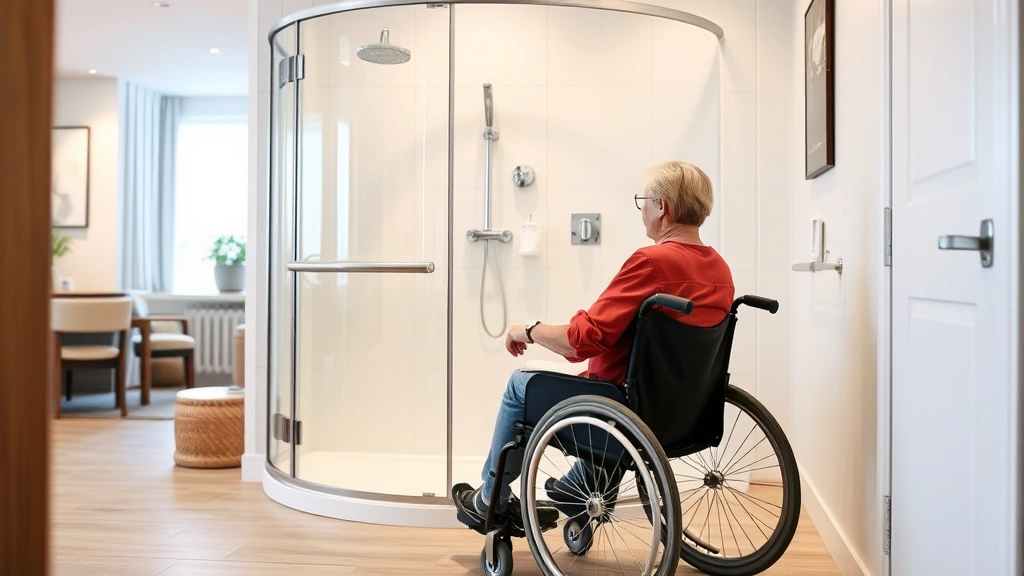
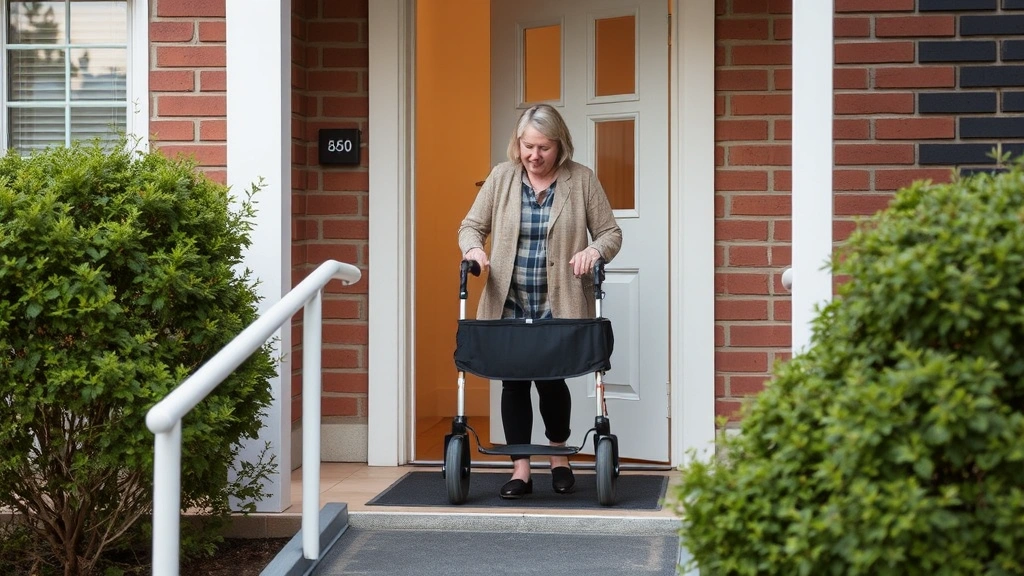
- Unit Modifications: Grab bars, widened doorways, accessible bathrooms, ramps, or other structural changes to increase accessibility.
- Lease Modifications: Extended lease terms, flexible move-in dates, or permission for medical equipment installation.
- Service Animal or Emotional Support Animal Accommodation: A doctor-signed ESA letter verifies that an animal is medically necessary for your mental health condition, even in no-pet buildings.
- Accessible Appliances: Special ranges, refrigerators, or other appliances adapted for specific disabilities.
- Quiet Housing: For individuals with sensory sensitivities, PTSD, or conditions triggered by noise.
- Climate Control: Special temperature or humidity management for conditions like severe asthma or autoimmune disorders.
The key is that any accommodation you request must be tied to a documented functional limitation in your physician’s letter.
How to Obtain Your Letter
Obtaining a legitimate doctor-signed housing letter requires a thoughtful approach:
Step 1: Consult Your Current Healthcare Provider
Start with your primary care physician, specialist, or mental health provider—whoever has treated your condition most recently and thoroughly. They have medical records documenting your condition and can speak authoritatively about its functional impact. Schedule an appointment specifically to discuss your housing accommodation needs. Come prepared with clear information about what you need and why.
Step 2: Provide Clear Information About Your Request
Explain the specific accommodation you need and how your medical condition makes it necessary. For example: “I have severe degenerative disc disease that causes significant pain when climbing stairs. I need ground-floor housing to access my home safely and avoid exacerbating my condition.” The more specific you are, the easier it is for your doctor to write a persuasive letter.
Step 3: Ask About the Doctor’s Willingness
Some physicians are hesitant to write accommodation letters due to time constraints or unfamiliarity with legal requirements. Ask directly if they are willing to write a housing accommodation letter. If your current provider declines, ask if they can recommend a colleague who specializes in accommodation documentation.
Step 4: Consider Telehealth Providers Specializing in Documentation
If you don’t have an existing relationship with a physician or your doctor is unwilling to write the letter, legitimate telehealth services like Arvix Health connect you with licensed physicians who specialize in writing medically accurate, legally compliant accommodation letters. These providers review your medical history and condition to produce letters that meet all legal standards.
Step 5: Request a Draft and Review
Ask your physician to draft the letter and provide it for your review before final submission. Ensure it includes all key components, clearly explains your functional limitations, and explicitly connects them to your specific accommodation request.
Step 6: Obtain Original or Certified Copies
Request multiple original copies with the physician’s signature, or certified digital versions. You may need to submit copies to your landlord, a fair housing agency, or a court, so having extras is wise.
Presentation and Submission Tips
How you present your housing accommodation letter significantly affects how it is received:
- Timing: Submit your letter as early as possible in the housing process—ideally before signing a lease or as soon as you know you’ll need an accommodation. This demonstrates good faith and gives the landlord time to consider your request.
- Professional Format: Keep the letter clean, well-organized, and on official letterhead. Do not add personal commentary or emotional appeals alongside the medical documentation.
- Clear Submission: Provide the letter in writing, not verbally. Email is acceptable, but follow up with a printed copy if requested. Keep copies of everything you submit.
- Written Request: Accompany the letter with a brief, professional written request for accommodation. State what you need and reference the enclosed medical documentation.
- Reasonable vs. Unreasonable: Understand that while your accommodation request must be honored if medically necessary, it must also be reasonable. Requesting a penthouse suite is not reasonable; requesting ground-floor housing is.
- Documentation Trail: Keep records of all submissions, responses, and communications. This creates a paper trail if you need to escalate to a fair housing agency or court.
Common Mistakes to Avoid
Several mistakes can undermine the effectiveness of your housing accommodation letter:
- Vague Medical Language: Avoid letters that are too general. “The patient has a condition” is insufficient. Letters must describe specific functional limitations.
- Missing Nexus: Failing to connect your medical condition to your accommodation request weakens your case. The letter must explain why this specific accommodation is necessary for your condition.
- Unsigned or Improperly Signed Letters: A letter without an original signature or from an unverifiable provider carries little weight. Ensure proper authentication.
- Outdated Letters: Housing providers may question letters more than a year old. Request recent letters from your physician or update them annually.
- Letters from Non-Licensed Providers: Only letters from licensed physicians, psychiatrists, psychologists, nurse practitioners, or other regulated healthcare providers are legally valid. Unlicensed counselors or wellness coaches cannot provide documentation.
- Overreach: Do not ask your doctor to provide a letter if you don’t genuinely need the accommodation. Fraudulent documentation undermines legitimate accommodation requests and is illegal.
- Emotional Rather Than Medical Focus: The letter should be clinical and medical, not emotional. Focus on functional limitations, not feelings or preferences.
A properly formatted disability verification letter for housing avoids these pitfalls by following established medical and legal standards.

FAQ
Can I request a housing accommodation letter from my doctor?
Yes, absolutely. You have the right to request that your healthcare provider write a housing accommodation letter if you have a documented disability or medical condition affecting your housing needs. However, your doctor is not obligated to write the letter if they believe it is not medically justified or if they lack sufficient information about your condition. If your current provider declines, you can seek a second opinion from another licensed physician.
What if my landlord denies my accommodation request despite the doctor’s letter?
If your landlord denies a reasonable accommodation request supported by a legitimate doctor-signed letter, they may be violating the Fair Housing Act. Document the denial in writing, file a complaint with HUD’s Fair Housing Hotline, or consult a fair housing attorney. Many jurisdictions have legal aid organizations that assist with housing discrimination cases at no cost.
How long is a housing accommodation letter valid?
There is no federal expiration date, but housing providers may question letters older than one year. If your condition is stable and documented, a letter from the past year is generally acceptable. However, if your condition changes or worsens, request an updated letter from your physician.
Do I have to disclose my diagnosis to my landlord?
No. Your doctor’s letter should describe functional limitations without necessarily revealing your specific diagnosis. You can request that your physician focus on how your condition affects your ability to use and enjoy housing without naming the condition itself.
Can I use an online telehealth service to obtain a housing accommodation letter?
Yes, licensed telehealth providers who specialize in accommodation documentation can write valid letters. Ensure the provider is licensed, conducts a proper evaluation, and produces letters that meet legal standards. Services like Arvix Health connect you with qualified physicians for this purpose.
What should I do if my doctor writes a weak or incomplete letter?
Contact your doctor and politely request revisions. Explain what information is missing or unclear. If they are unwilling to revise, you may seek a second opinion from another physician or consult a telehealth documentation service for a more comprehensive letter.
Is a housing accommodation letter the same as an ESA letter?
No. A housing accommodation letter verifies a need for physical or environmental accommodations. An ESA (emotional support animal) letter verifies that an animal is medically necessary for mental health support. However, an ESA letter is also a type of housing accommodation letter since it requests accommodation (animal housing) in residential settings.
What if my condition is temporary?
Temporary conditions can still qualify for accommodations under the Fair Housing Act. Your letter should specify the expected duration of the condition. For example, if you have a broken leg requiring ground-floor housing for three months, the letter should indicate this is temporary but currently medically necessary.