Housing Accommodation Letter for School: Policy Insights & Implementation Guide
Student housing is more than a place to live—it’s a foundation for academic success. For students with disabilities, medical conditions, or documented functional limitations, obtaining appropriate housing accommodations at school can be transformative. A housing accommodation letter serves as the official bridge between your healthcare provider, your documented medical needs, and your institution’s housing policies. This comprehensive guide explores how these letters work within school systems, what they should contain, and how to navigate the accommodation request process effectively.
Whether you need a ground floor room due to mobility limitations, allergen-free housing for severe allergies, or proximity to campus medical facilities, a properly structured housing accommodation letter provides the clinical and legal foundation your school needs to approve your request. Understanding school housing policies, federal disability law, and the documentation standards that schools expect will empower you to advocate successfully for the accommodations you need.
Understanding Housing Accommodation Letters in Educational Settings
A housing accommodation letter is a formal medical document that requests specific residential modifications or placements based on documented disabilities or medical conditions. Unlike general medical documentation of disability, housing accommodation letters must clearly articulate how a student’s condition creates a functional limitation that impacts their ability to live in standard dormitory settings.
Schools are required by law to provide reasonable accommodations to students with disabilities. However, “reasonable” is defined through an interactive process between the student, the school’s disability services office, and the healthcare provider. The housing accommodation letter initiates this conversation by presenting clinical evidence and a specific request.
The distinction between a general disability letter and a housing-specific accommodation letter is crucial. While a disability verification letter for housing may confirm a disability diagnosis, a housing accommodation letter goes further by explaining why standard housing won’t work and what specific accommodation would enable equal access to student housing.
Schools typically review housing accommodation requests through their Office of Accessibility Services, Disability Services, or Student Accommodations office. These offices have policies governing which accommodations are available, how requests are prioritized, and what documentation they require. Understanding your specific school’s policies before submitting your letter significantly increases approval likelihood.
Federal Laws Protecting Student Housing Rights
Student housing accommodations are protected under several federal statutes that establish clear obligations for schools:
- Section 504 of the Rehabilitation Act (1973): Prohibits discrimination based on disability in programs receiving federal funding. Nearly all colleges and universities are covered, creating an affirmative duty to provide reasonable accommodations in housing.
- Americans with Disabilities Act (ADA) Title II: Applies to public institutions and requires equal access to all programs and services, including residential life.
- ADA Title III: Covers private institutions and mandates non-discrimination in housing services.
- Fair Housing Act (FHA): Protects against housing discrimination and requires reasonable accommodations and modifications. This applies regardless of whether the school receives federal funding.
These laws define “reasonable accommodation” as a modification to policies, practices, or the physical environment that allows a student with a disability to have equal access to housing. Schools cannot charge extra fees for reasonable accommodations, and they must engage in good-faith interactive processes to identify solutions.
Learn more about your rights by visiting ADA.gov, which provides comprehensive guidance on educational accommodations and student rights.
Key Components of an Effective Housing Accommodation Letter
A strong housing accommodation letter contains specific elements that schools expect and require:
- Letterhead and Provider Credentials: The letter must be on official letterhead from a licensed healthcare provider (physician, psychiatrist, psychologist, nurse practitioner, or other qualified professional). Include the provider’s credentials, license number, contact information, and the date of the letter.
- Clear Diagnosis or Functional Limitation: State the student’s diagnosis or documented functional limitation. While you don’t need to disclose every detail, the letter should be specific enough that the school understands the nature of the condition (e.g., “severe mobility impairment affecting ambulation” rather than vague references to “disability”).
- Functional Impact Statement: Explain how the condition creates functional limitations in the context of standard student housing. For example: “The student’s severe asthma and environmental allergies are triggered by common dormitory environments, including shared ventilation systems, carpet in shared spaces, and exposure to cleaning chemicals.”
- Specific Accommodation Request: Clearly identify the requested accommodation (e.g., “single room with private bathroom,” “ground floor room with accessible parking proximity,” “allergen-free housing unit”). Vague requests are more likely to be denied or delayed.
- Nexus Between Condition and Accommodation: Explain why this specific accommodation is necessary. For instance: “A ground floor room is necessary because the student’s mobility device cannot safely navigate multiple flights of stairs, and elevators in older dormitories are frequently out of service.”
- Medical Necessity Statement: Include a statement that the accommodation is medically necessary and supported by current clinical evidence. Reference any relevant test results, examinations, or functional assessments that support the request.
- Duration Statement: Indicate whether the accommodation is needed for a single academic year or multiple years, or if it’s permanent for the duration of enrollment.
- Provider Signature and Date: The letter must be signed and dated by the treating provider. Many schools will not accept unsigned or undated letters.
Schools may also request additional supporting documentation, such as disability confirmation records or functional capacity evaluations. Being prepared with comprehensive documentation strengthens your request.
School Housing Policies and Accommodation Procedures
Every school has its own housing policies, accommodation procedures, and available housing options. Before submitting your accommodation request, research your specific institution’s requirements:
- Contact the Disability Services Office: Call or email your school’s Office of Accessibility Services or Disability Services. Ask for their housing accommodation policy, required documentation, and submission deadlines. Many schools have written policies available online.
- Understand Available Housing Options: Learn what types of housing your school offers (residence halls, suite-style, apartments, etc.) and which accommodations are typically available (ground floor rooms, accessible bathrooms, single rooms, quiet floors, allergen-free units).
- Identify Submission Deadlines: Most schools have specific deadlines for housing accommodation requests, often before the general housing lottery. Missing deadlines can result in denial or delay until the following year.
- Request the Accommodation Form: Many schools provide specific forms for housing accommodation requests. Using their form (along with your healthcare provider’s letter) demonstrates compliance with their procedures and increases approval likelihood.
- Understand the Interactive Process: Schools are required to engage in an interactive dialogue with you about accommodations. Be prepared to discuss your needs, explain why standard housing won’t work, and potentially compromise on solutions that meet your functional needs.
Some schools prioritize certain accommodations (medical necessity over preference) or have limited availability. Understanding these constraints helps you present your request strategically.
Medical Documentation Requirements
Schools vary in their documentation expectations, but generally follow standards aligned with academic disability documentation guidelines. Your housing accommodation letter should meet these standards:
- Currency: Documentation should be recent (typically within 1-3 years). Older records may be questioned, especially if your condition or functional limitations have changed.
- Specificity: Generic letters stating “this student has a disability” are insufficient. Schools expect documentation that clearly articulates functional limitations relevant to housing.
- Licensed Provider: The letter must come from a qualified healthcare provider. School policies typically specify which professionals are acceptable (physicians, psychiatrists, psychologists, nurse practitioners, etc.). Unlicensed or online-only providers may not be accepted.
- Clinical Basis: The letter should reference examinations, test results, or clinical observations that support the stated functional limitations. Schools want evidence, not assumptions.
- Relevance to Housing: Documentation should clearly connect the medical condition to housing needs. A letter addressing workplace accommodations may not transfer directly to housing requests.
If your current medical documentation doesn’t specifically address housing needs, work with your healthcare provider to create a supplemental letter that bridges this gap.
Common Housing Accommodations for Students
Schools typically offer a range of housing accommodations. Understanding what’s available helps you frame your request realistically:
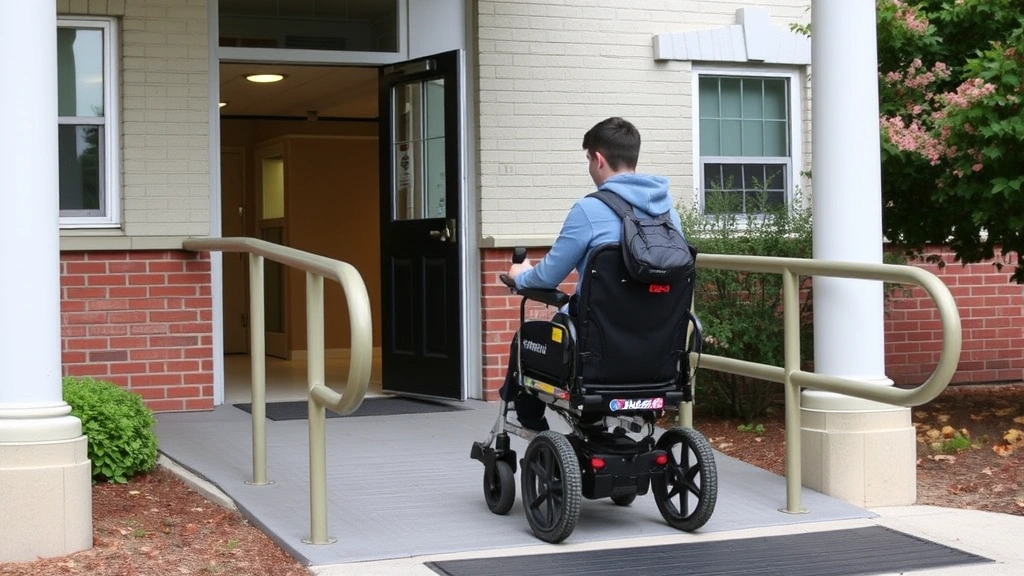
- Ground Floor Housing: Necessary for students with mobility limitations, chronic pain conditions, or cardiac/respiratory conditions worsened by stair climbing. Ground floor rooms reduce physical exertion and improve accessibility.
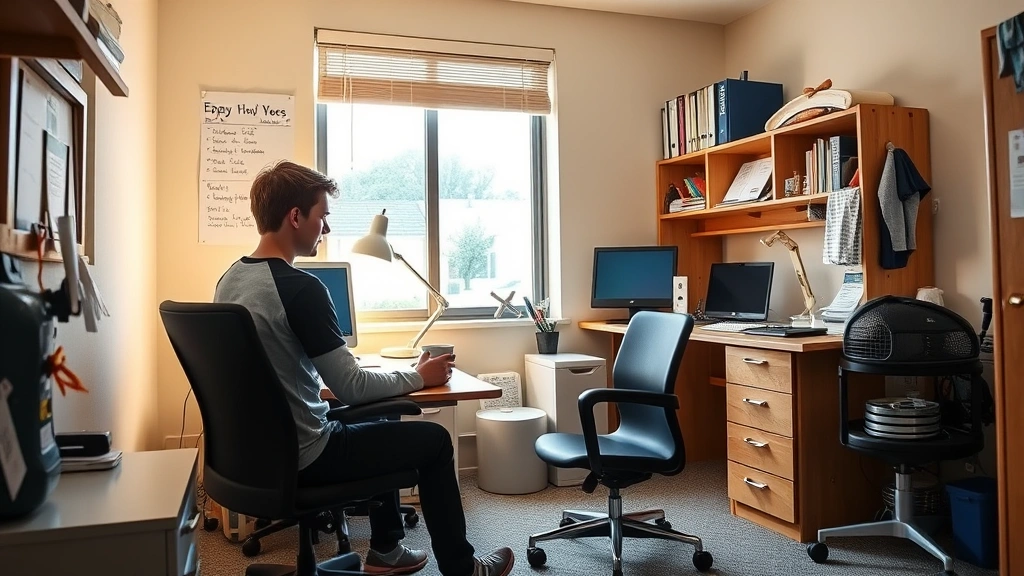
- Single Room Occupancy: Appropriate for students with psychiatric conditions requiring privacy, severe asthma triggered by roommate-related allergens, or conditions requiring frequent medical attention or medication management.
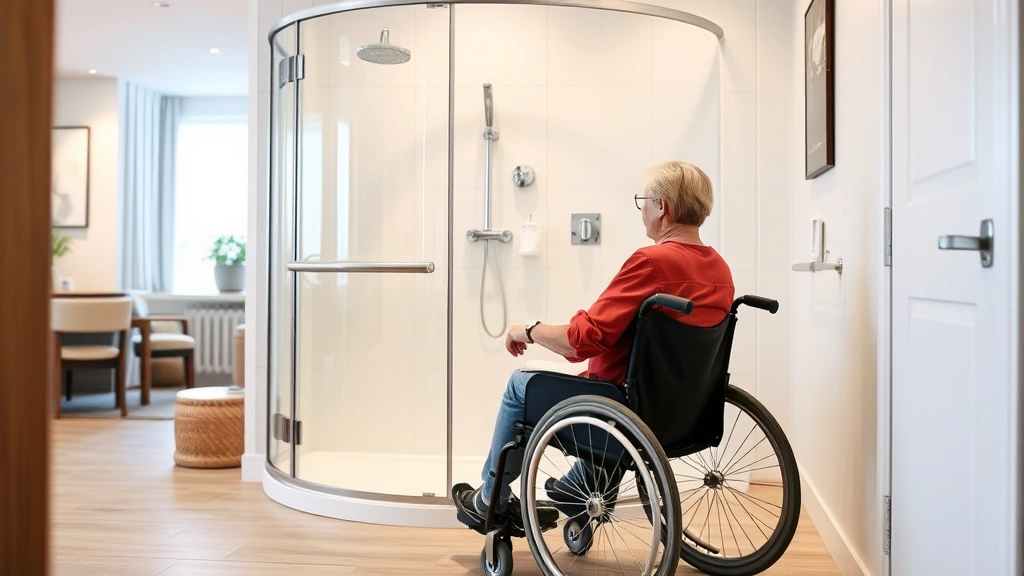
- Accessible Bathroom Accommodations: Roll-in showers, grab bars, or accessible toilet heights benefit students with mobility impairments or chronic pain conditions.
- Allergen-Free Housing: Dormitory units with enhanced air filtration, no carpet, and reduced chemical exposure for students with severe asthma, environmental allergies, or multiple chemical sensitivity.
- Proximity to Campus Services: Housing near the health center, disability services office, or dining facilities benefits students with mobility limitations or chronic conditions requiring frequent medical access.
- Quiet Housing: Reduced noise environments support students with anxiety disorders, PTSD, sensory processing disorders, or chronic pain exacerbated by noise.
- Residential Flexibility: Permission to live off-campus or with a service animal in housing normally restricting animals.
- Extended Housing: Remaining in campus housing during breaks when standard residents depart, necessary for international students or those without accessible off-campus options.
Not all accommodations are available at all schools. Prioritize your requests and be prepared to discuss alternatives if your first choice isn’t feasible.
Submitting Your Housing Accommodation Request
Successfully submitting your accommodation request requires strategic planning and attention to detail:
- Start Early: Begin the process at least 2-3 months before housing selection deadlines. Early submission demonstrates good faith and provides time for the interactive process if questions arise.
- Gather Documentation: Collect your housing accommodation letter from your healthcare provider, along with any supporting medical records. Ensure all documents are current and specific to your housing needs.
- Complete School Forms: Use your school’s housing accommodation request form (if available). Include your letter and any supporting documentation.
- Submit Through Proper Channels: Follow your school’s submission procedure exactly. Most schools require submission to the Disability Services Office rather than Housing directly. Use the method they specify (online portal, email, in-person).
- Keep Records: Save copies of everything you submit, including the date and method of submission. Request confirmation of receipt. This documentation protects you if your request is misplaced.
- Follow Up: If you don’t receive acknowledgment within one week, follow up with the office. Be polite but persistent. Keep a log of all communications.
- Prepare for Questions: Schools may contact you or your healthcare provider with questions about your accommodation request. Be prepared to provide additional information or clarification about your functional limitations.
- Attend Meetings if Required: Some schools schedule meetings to discuss accommodation requests. Attend these meetings prepared to explain your needs clearly and listen to the school’s perspective on feasibility.
Professional, organized submission significantly increases approval likelihood. Treat this as a formal request deserving careful attention.
Addressing Denials and Appeals
Not all accommodation requests are approved immediately. Understanding the denial and appeal process protects your rights:
- Request Denial Explanation: If your request is denied, ask for a written explanation of the specific reason. Schools must articulate why they believe the accommodation isn’t reasonable or feasible.
- Understand “Undue Hardship”: Schools can deny accommodations only if they create “undue hardship”—substantial cost, significant operational difficulty, or fundamental alteration of the program. Mere inconvenience doesn’t meet this standard.
- Gather Additional Documentation: If denied, work with your healthcare provider to strengthen your documentation. Address the school’s specific concerns with additional clinical evidence.
- Request Reconsideration: Submit a reconsideration request with new or clarified documentation. Explain why the school’s stated concerns don’t apply or how you can address them.
- Utilize the Appeal Process: Most schools have formal appeal procedures. Follow these procedures exactly, submitting written appeals with supporting documentation within required timeframes.
- Seek External Support: Contact your state’s ADA Regional Office or a disability rights organization for guidance. Many provide free consultation on appeal strategies.
- Document Everything: Keep detailed records of all communications, including dates, names, and substance of conversations. This documentation is valuable if you need to file a formal complaint.
Denials are frustrating, but they’re not final. Persistence, additional documentation, and understanding your legal rights often lead to successful appeals.
FAQ
What’s the difference between a housing accommodation letter and a general disability letter?
A general disability letter confirms a diagnosis, while a housing accommodation letter explains how the disability creates functional limitations affecting dormitory living and requests specific accommodations. Housing letters must establish a clear nexus between the medical condition and the requested accommodation.
Can my letter come from a mental health provider, or does it need to be from a physician?
Most schools accept letters from licensed mental health providers (psychologists, psychiatrists, licensed counselors, psychiatric nurse practitioners) for conditions like anxiety, depression, PTSD, or bipolar disorder. However, verify your specific school’s policy, as some institutions have preferences regarding provider types.
How old can my medical documentation be?
Ideally, housing accommodation letters should be dated within the past 1-3 years. Older documentation may be questioned, especially if your condition has changed. If your most recent documentation is older, ask your provider to write a supplemental letter confirming your current functional status.
What if my school says my requested accommodation isn’t available?
If your first choice accommodation isn’t available, engage in the interactive process to identify alternatives that meet your functional needs. Many accommodations can be creatively implemented. If the school claims no reasonable accommodation is possible, seek assistance from your state’s disability rights organization or ADA office.
Can my school charge me extra for housing accommodations?
No. Federal law prohibits schools from charging additional fees for reasonable accommodations. If a school charges more for accessible or single-occupancy housing, this may violate fair housing laws. Document any charges and contact your state’s ADA Regional Office or housing authority.
Should I disclose my diagnosis to everyone in the housing office?
No. Disclose your diagnosis only to the Disability Services Office. Your housing assignment staff should know only that you have approved accommodations, not the medical details. This protects your privacy while ensuring proper housing placement.
What if my needs change during the school year?
Contact your Disability Services Office immediately. Most schools allow mid-year accommodation adjustments if circumstances change significantly. Document the change with updated medical information if necessary.
Can I request housing accommodations if I haven’t previously disclosed my disability?
Yes. You can request accommodations at any time, though earlier requests are easier to accommodate. You’re not required to have previously disclosed your disability. Simply submit your housing accommodation letter and request to the appropriate office.
What should I do if my healthcare provider is unsure what to include in a housing accommodation letter?
Provide your provider with your school’s accommodation request form and this guide. Many providers are unfamiliar with specific school requirements. Offering guidance helps them write letters that meet your school’s expectations and strengthens your request.
How long does the housing accommodation approval process typically take?
Timelines vary by school but typically range from 2-6 weeks. Earlier submissions receive faster processing. Follow up if you haven’t heard back within the timeframe your school specified. Don’t assume silence means approval—verify status directly.