Is a Housing Accommodation Letter Legal? Expert Insights
Housing accommodation letters are legal documents that verify a person’s need for reasonable accommodations in residential settings. These letters, typically written by licensed healthcare providers, serve as evidence that a tenant or resident requires specific modifications or allowances due to a disability or medical condition. But what exactly makes them legal, and how do they function within the framework of housing law?
The legality of housing accommodation letters is grounded in federal fair housing laws, particularly the Fair Housing Act (FHA) and the Americans with Disabilities Act (ADA). These laws protect individuals with disabilities by requiring landlords and housing providers to make reasonable accommodations in policies, practices, or physical features. A properly drafted housing accommodation letter becomes a critical tool in documenting this legal right and ensuring compliance with these protections.
Understanding the legal landscape surrounding housing accommodation letters helps tenants advocate for their needs while ensuring landlords fulfill their obligations. This guide explores the legitimacy, requirements, and practical applications of these important documents.
Legal Framework for Housing Accommodations
Housing accommodation letters derive their legal authority from several key federal statutes. The Fair Housing Act, enacted in 1968 and amended in 1988 to include disability protections, requires housing providers to make reasonable accommodations in rules, policies, practices, and services to ensure people with disabilities have equal access to housing.
The Americans with Disabilities Act (ADA) Title II and Title III provisions also apply to certain housing contexts, particularly public housing and facilities operated by state and local governments. Additionally, Section 504 of the Rehabilitation Act protects individuals with disabilities in any program receiving federal financial assistance, which includes many housing programs.
These laws recognize that a disability or medical condition may necessitate changes to standard housing policies or physical modifications. A housing accommodation letter serves as documented evidence that such accommodations are medically necessary and reasonable. The letter essentially bridges the gap between medical reality and legal obligation, making the accommodation request enforceable.
It’s important to note that housing accommodation letters are distinct from ADA disability verification letters, though they operate within the same legal framework. Housing-specific letters focus on residential needs rather than workplace or academic settings.
What Makes a Housing Accommodation Letter Valid
For a housing accommodation letter to carry legal weight, it must meet specific criteria. First, it must be written by a qualified healthcare professional—typically a physician, psychiatrist, psychologist, nurse practitioner, or other licensed medical provider who has a professional relationship with the person requesting the accommodation.
A valid housing accommodation letter should include:
- Letterhead with provider credentials: The letter must be on official letterhead showing the provider’s name, license number, credentials, and contact information.
- Tenant identification: Clear identification of the person requesting the accommodation, including their full name and current residence.
- Medical basis: A clear statement that the individual has a disability or medical condition, though the letter does not need to disclose the specific diagnosis.
- Functional limitations: Description of how the disability affects major life activities and why housing accommodations are necessary.
- Specific accommodation request: Clear articulation of what accommodation is needed (e.g., ground floor unit, accessible parking, waiver of pet policy for service animal).
- Nexus statement: Explanation of the relationship between the disability and the requested accommodation.
- Professional signature and date: Dated signature from the licensed provider.
Courts and housing agencies consistently uphold letters meeting these standards as legally sufficient. However, letters lacking professional credentials, specificity about the accommodation need, or a clear nexus between disability and request may be challenged by landlords.
A functional limitation verification letter can complement a housing accommodation request by providing additional detail about how your condition impacts daily living.
Common Housing Accommodations Covered by Law
Federal housing law recognizes a wide range of accommodations as reasonable, provided they are necessary due to a disability. Common legally protected accommodations include:
- Service animal accommodations: Waiving no-pet policies or pet fees for service animals (not emotional support animals unless separately documented).
- Ground floor or accessible unit transfers: Moving to units without stairs or with accessible features for mobility disabilities.
- Accessible parking: Reserved accessible parking spaces or proximity-based parking for individuals with mobility limitations.
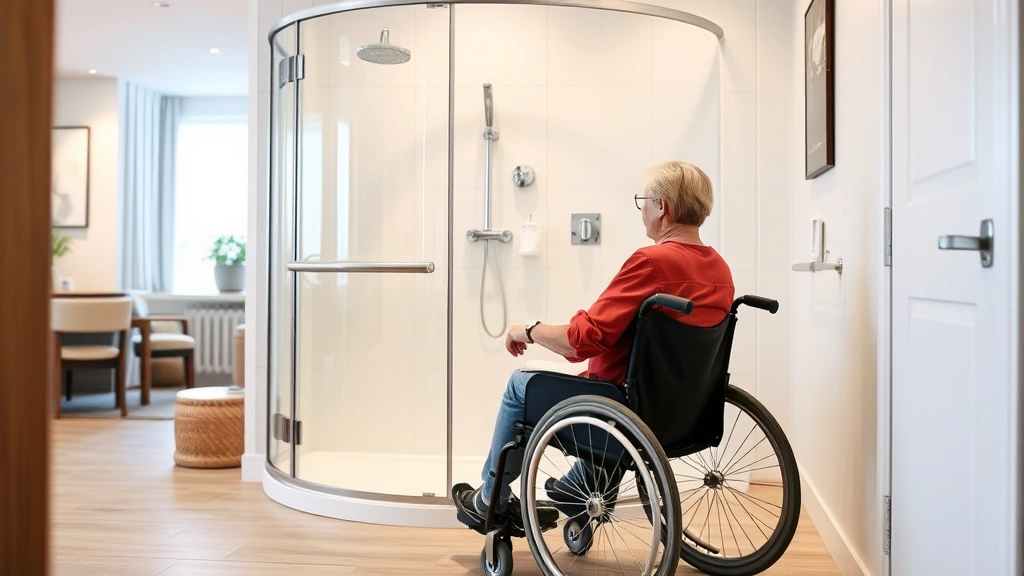
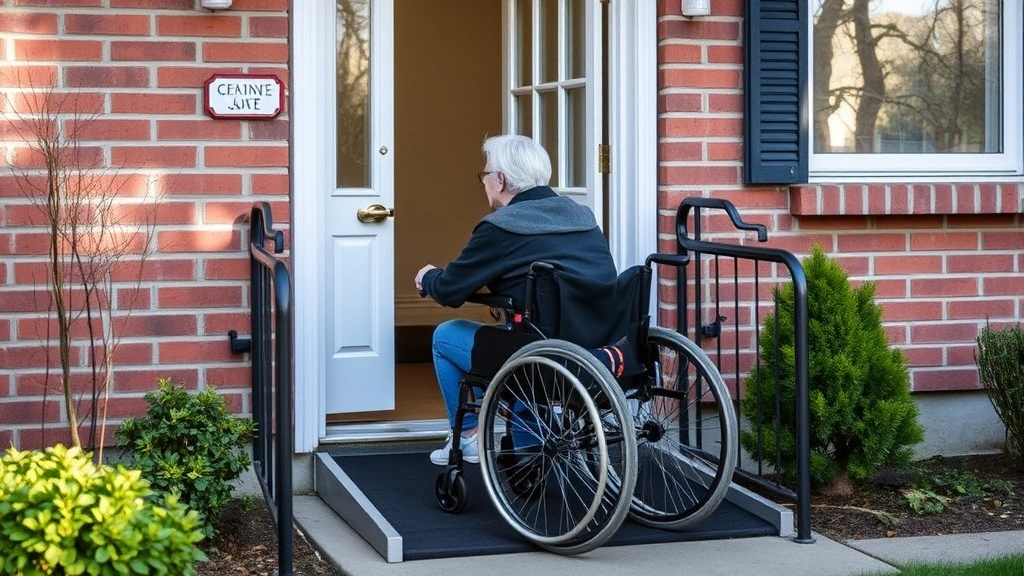
- Structural modifications: Installing grab bars, ramps, widened doorways, or accessible bathrooms at tenant or landlord expense (depending on circumstances).
- Allergen-free housing: Transfer to units with reduced allergen exposure or modified maintenance practices for severe allergies or respiratory conditions.
- Noise accommodations: Ground floor placement or distance from noise sources for individuals with sensory sensitivities or hearing conditions.
- Lease modifications: Adjustments to lease terms, such as modified notice periods for disability-related absences or flexible move-out timelines.
- Policy exceptions: Waiving standard policies (e.g., visitor restrictions, maintenance access requirements) when necessary due to disability.
It’s important to understand that while these accommodations are legally protected, landlords may request documentation through a housing accommodation letter to verify necessity and legitimacy.
Provider Qualifications and Requirements
The credibility and legal validity of a housing accommodation letter depend heavily on the qualifications of the provider who writes it. The Fair Housing Act does not specify which professionals may issue these letters, but HUD guidance emphasizes that providers must have direct knowledge of the person’s disability and functional limitations.
Acceptable providers typically include:
- Licensed physicians (MD, DO)
- Licensed mental health professionals (psychiatrists, psychologists, licensed clinical social workers, licensed professional counselors)
- Nurse practitioners and physician assistants with relevant specialization
- Disability specialists or case managers in hospital or clinical settings
- Occupational or physical therapists with relevant credentials
Providers should have an established therapeutic or professional relationship with the individual requesting the accommodation—meaning they have evaluated, treated, or worked with the person, not simply reviewed paperwork. This relationship establishes credibility and ensures the provider has genuine knowledge of the person’s condition.
Letters from non-licensed individuals, internet-based sources without proper verification, or providers without an established professional relationship may be rejected by landlords and lack legal enforceability. This is why obtaining a letter from a qualified, licensed provider is essential.
For comprehensive doctor-signed disability confirmation, ensure your healthcare provider documents the functional limitations relevant to your housing needs.
How to Request a Housing Accommodation Letter
Requesting a housing accommodation letter requires clear communication with your healthcare provider about your specific needs. Here’s a step-by-step approach:
Step 1: Identify Your Accommodation Need
Before meeting with your provider, clearly define what accommodation you need and why. For example: “I need a ground floor unit because my mobility disability makes stairs unsafe.” This clarity helps your provider understand the functional connection.
Step 2: Schedule a Consultation
Contact your healthcare provider’s office and request a consultation specifically to discuss housing accommodations. Some providers offer expedited services for accommodation letters.
Step 3: Provide Detailed Information
During your appointment, explain your housing situation, the specific accommodation needed, and how your disability necessitates this change. Be specific about functional limitations rather than diagnosis alone.
Step 4: Request the Letter in Writing
Ask your provider to prepare a formal letter that includes all necessary elements listed above. You may provide a template or checklist to ensure completeness.
Step 5: Review Before Submission
Carefully review the letter to ensure it addresses your specific accommodation need and includes professional credentials and signature. Request revisions if any critical elements are missing.
Step 6: Submit Promptly
Provide the letter to your landlord or housing provider as soon as possible, ideally before or immediately upon requesting the accommodation.
For workplace or academic settings, similar processes apply—explore workplace accommodation letter services if you need accommodations beyond housing.
Landlord Obligations and Verification
Under fair housing law, landlords have specific obligations when they receive a housing accommodation request supported by a letter. They must engage in an interactive process with the tenant to discuss the accommodation, evaluate its necessity, and determine whether it is reasonable.
Landlords may request verification that the letter comes from a legitimate healthcare provider and may contact the provider to confirm the letter’s authenticity. However, they cannot demand specific diagnosis information, detailed medical records, or invasive personal health details. The focus must remain on the functional limitation and the nexus to the requested accommodation.
If a landlord questions the validity of a housing accommodation letter, they bear the burden of providing legitimate, non-discriminatory reasons for denial. Simply disbelieving the letter without objective evidence is insufficient grounds for rejection. HUD consistently rules that housing providers must accept credible, properly formatted accommodation letters from qualified providers.
Landlords cannot:
- Demand specific diagnoses or detailed medical histories
- Require the tenant to see a landlord-selected physician
- Deny accommodations based solely on inconvenience or cost (with limited exceptions)
- Request unnecessary documentation beyond what supports the accommodation need
- Charge fees for reasonable accommodations
- Retaliate against tenants for requesting accommodations
If a landlord improperly rejects a valid housing accommodation letter, tenants may file complaints with HUD, pursue legal action, or contact disability rights organizations for assistance. Many jurisdictions also have local fair housing agencies that investigate complaints at no cost to the tenant.
Understanding your rights related to disability accommodations extends beyond housing, but the same legal protections apply across contexts.

FAQ
Can a housing accommodation letter be denied by a landlord?
A landlord may request verification of a housing accommodation letter, but they cannot arbitrarily deny a properly formatted letter from a qualified provider. If they deny the letter, they must provide legitimate, non-discriminatory reasons supported by objective evidence. Disagreeing with the letter’s conclusions is generally insufficient grounds for denial.
How long is a housing accommodation letter valid?
Housing accommodation letters typically remain valid for the duration of the tenant’s residency, provided the underlying disability persists. However, landlords may request updated letters if circumstances change significantly or if a substantial period has elapsed. Most letters are considered valid indefinitely unless the condition is temporary or the accommodation need changes.
Do I need to disclose my diagnosis in a housing accommodation letter?
No. Federal fair housing law does not require disclosure of specific diagnoses. The letter should focus on functional limitations—how the disability affects major life activities—and the nexus between those limitations and the requested accommodation. Your healthcare provider determines what level of diagnostic detail is appropriate.
What if my landlord says they don’t accept accommodation letters?
This statement is legally inaccurate. Under the Fair Housing Act, landlords must engage in the interactive process when they receive an accommodation request supported by credible documentation. If a landlord refuses to consider a valid letter, you may file a complaint with HUD’s Fair Housing Office or a local fair housing agency, which investigates at no cost.
Can I request a housing accommodation letter online?
Yes, many licensed healthcare providers now offer telehealth consultations and can issue accommodation letters based on virtual evaluations. However, the provider must have a legitimate professional relationship with you and genuine knowledge of your condition. Online services that issue letters without proper evaluation lack legal credibility. Seek providers with verifiable credentials and established practices.
What happens if my housing accommodation letter is challenged?
If challenged, you may need to provide additional information about your functional limitations or have your healthcare provider clarify the letter. In some cases, the provider may be contacted to verify authenticity. If the landlord’s challenge seems discriminatory or unreasonable, you can file a fair housing complaint. The burden of proof rests with the landlord to demonstrate the letter is not credible or the accommodation is unreasonable.
Are emotional support animal letters the same as housing accommodation letters?
While both address housing needs, they serve different purposes. An emotional support animal letter specifically documents the need for an ESA under fair housing law. A general housing accommodation letter addresses other modifications or policy exceptions. Some letters may address both an ESA need and other accommodations. For clarity on accommodation letter services, consult with your provider about your specific situation.
What is the cost of obtaining a housing accommodation letter?
Costs vary by provider, location, and complexity. Established providers typically charge between $75 and $300 for a housing accommodation letter. Some providers include this service as part of ongoing treatment at no additional cost. Insurance may cover consultation fees if the appointment is medically necessary, though the letter itself is often considered a service fee.
Housing accommodation letters are not only legal—they are essential tools for enforcing your fair housing rights. Grounded in federal law and supported by decades of court precedent, these letters ensure that individuals with disabilities can access housing that meets their needs. By understanding their legal basis, requirements, and proper use, you can confidently advocate for the accommodations you deserve. If you face resistance from a housing provider, remember that ADA.gov and local disability rights organizations provide free resources and support to protect your housing rights.