Need a Housing Accommodation Letter? Local Guide
Finding the right housing accommodation letter near you can feel overwhelming, especially when you’re managing a medical condition or disability that affects your living situation. Whether you need modifications to your apartment, require accessible parking, or need to terminate a lease due to health reasons, a properly documented housing accommodation letter is often your first step toward legal protection and necessary support.
This guide walks you through what housing accommodation letters are, why they matter, how to obtain one locally, and what to expect from the process. We’ll help you understand your rights under fair housing laws and connect you with qualified professionals who can provide the documentation you need.
What Is a Housing Accommodation Letter?
A housing accommodation letter is a formal document written by a licensed healthcare provider that verifies you have a medical condition, disability, or mental health condition that necessitates accommodations in your living environment. This letter serves as official documentation to your landlord, property manager, or housing authority that you have a legitimate need for modifications, accessibility features, or other housing-related adjustments.
The letter differs from a general medical note because it specifically addresses how your condition impacts your ability to live safely and comfortably in standard housing. It articulates the functional limitations caused by your condition and explains why particular accommodations are medically necessary rather than merely preferable.
Housing accommodation letters are protected under fair housing laws, meaning landlords are legally required to consider your request seriously and engage in an interactive process to determine reasonable accommodations. These letters carry significant legal weight and are often the key document that transforms a casual request into a legally binding accommodation obligation.
Why You Need One
Without proper documentation, landlords can deny accommodation requests, refuse lease modifications, or even attempt to evict you for requesting reasonable accommodations. A housing accommodation letter provides:
- Legal Protection: Documentation that triggers fair housing law protections and prevents discrimination
- Credibility: Professional verification from a licensed healthcare provider that your need is legitimate and medical
- Clarity: Clear explanation of your functional limitations and why specific accommodations are necessary
- Negotiating Power: Formal basis for requesting lease modifications, unit transfers, accessible parking, or other accommodations
- Documentation Trail: Written record protecting both you and your landlord if disputes arise
- Peace of Mind: Assurance that your accommodation request will be taken seriously and processed appropriately
Many people delay seeking housing accommodation letters because they’re uncertain about the process or worry about disclosure. However, waiting often means continuing to live in unsuitable conditions or dealing with landlord resistance that could have been prevented with proper documentation.
Finding Local Providers Near You
When searching for housing accommodation letter providers near you, you have several options:
Licensed Healthcare Providers
Your primary care physician, psychiatrist, therapist, or any licensed healthcare provider can write a housing accommodation letter. They already understand your medical history and functional limitations, making them ideal candidates. Schedule an appointment specifically to discuss your housing needs and ask if they can provide documentation.
Disability Services Organizations
Local disability rights organizations, independent living centers, and vocational rehabilitation agencies often have resources or can refer you to qualified providers. Contact your state’s Aging and Disability Network for local resources.
Telehealth Housing Accommodation Services
If local options are limited, online housing accommodation letter services connect you with licensed providers who can evaluate your situation remotely. These services are particularly helpful if you live in rural areas or have mobility limitations.
Legal Aid Organizations
Legal aid societies and tenant rights organizations can connect you with healthcare providers experienced in writing housing accommodation letters. They may also review your letter for completeness before submission.
University or College Disability Services
If you’re a student, your institution’s disability services office can provide resources or referrals for housing accommodation documentation.

What Should Be Included in Your Letter
A comprehensive housing accommodation letter contains specific elements that make it legally defensible and effective:
- Provider Credentials: Licensed healthcare provider’s name, credentials, license number, and contact information
- Your Information: Your name, address, and dates of treatment with the provider
- Diagnosis or Condition: The medical, mental health, or disability condition requiring accommodation (can be general if privacy is a concern)
- Functional Limitations: How the condition impacts your ability to live in standard housing
- Specific Accommodations: Clear description of what accommodations are medically necessary
- Medical Necessity: Explanation of why these specific accommodations are essential, not optional
- Duration: Whether the need is temporary or ongoing
- Professional Opinion: Provider’s professional assessment that accommodations are necessary
- Signature and Date: Provider’s signature and date of the letter
The letter should be professional, concise, and focused specifically on housing-related functional limitations. Avoid unnecessary medical details that don’t relate to your housing needs.
Types of Housing Accommodation Letters
Different housing situations require different types of accommodation letters:
Unit Modification Letter
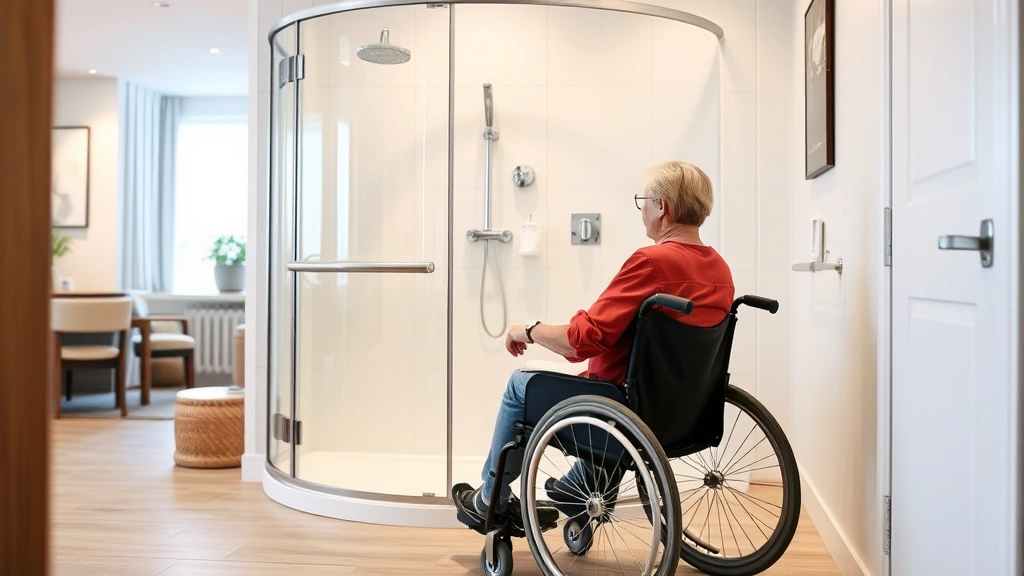
If you need physical modifications to your unit (ramps, grab bars, widened doorways, accessible bathroom fixtures), your letter should explain how your mobility, balance, or functional limitations necessitate these changes.
Accessible Parking Accommodation Letter
For reserved accessible parking spots, your letter should document mobility limitations that make accessible parking medically necessary for your safety and independence.
Lease Termination Due to Medical Need
If your housing is unsuitable for your medical condition and you need to break your lease, a lease termination medical letter documents why continuing to live there poses health risks.
Ground Floor or Accessible Unit Transfer
If you need to move to a more accessible unit within the same building, your letter should explain why stairs, elevators, or the current unit’s layout creates functional barriers.
Allergen-Free Housing Accommodation
For severe allergies or environmental sensitivities, your letter documents how exposure to specific allergens significantly impacts your health and why allergen-free housing is medically necessary.
Emotional Support Animal or Service Animal Housing Letter
If you have a service animal or need an emotional support animal letter, your housing accommodation letter supports the animal’s presence in no-pet housing.

Legal Framework and Your Rights
Housing accommodation letters are protected under several federal laws:
Fair Housing Act (FHA)
The Fair Housing Act prohibits discrimination based on disability and requires landlords to make reasonable accommodations in rules, policies, practices, or services when necessary to provide a person with a disability equal opportunity to use and enjoy housing. This applies to most residential properties, including apartments, condos, and houses.
Americans with Disabilities Act (ADA)
The ADA ensures that people with disabilities have equal access to public accommodations, including certain housing-related services and facilities. While primarily focused on employment and public services, ADA principles support housing rights.
Section 504 of the Rehabilitation Act
This law requires housing providers receiving federal funding to make reasonable accommodations for people with disabilities. Most public housing and many subsidized housing programs fall under this protection.
Your Rights
You have the right to:
- Request reasonable accommodations without fear of retaliation or discrimination
- Privacy regarding your medical information (landlords can’t share your letter)
- An interactive process where landlords discuss accommodation options with you
- Accommodations that are reasonable and related to your disability
- Request modifications to rules, policies, or the physical space
- Have your request reviewed even if the landlord initially denies it
Getting Started With Your Housing Accommodation Letter
Step 1: Assess Your Needs
Before contacting a provider, clearly identify what accommodations you need. Do you need physical modifications, a unit transfer, lease flexibility, accessible parking, or something else? Understanding your specific needs helps you communicate clearly with your healthcare provider.
Step 2: Contact Your Healthcare Provider
If you have an existing relationship with a healthcare provider, schedule an appointment to discuss your housing needs. Bring a list of specific accommodations you’re requesting. If you don’t have a provider or yours is unavailable, explore local disability organizations or telehealth options.
Step 3: Provide Documentation
Your provider will likely ask about your condition, functional limitations, and how they impact your housing. Be prepared to discuss how your disability affects your daily living, mobility, sensory perception, or mental health.
Step 4: Review the Letter
Once your provider drafts the letter, review it carefully. Ensure it addresses your specific accommodation needs and explains the medical necessity clearly. Request revisions if important information is missing.
Step 5: Submit to Your Landlord
Provide the letter to your landlord or property manager through official channels (email with read receipt, certified mail, or in-person with documentation). Keep copies for your records.
Step 6: Follow Up
Follow up within 5-7 business days to confirm receipt. Landlords are required to respond to accommodation requests in a timely manner. If they deny your request, ask for the specific reason and whether you can discuss alternatives.
Frequently Asked Questions
Can my landlord deny my housing accommodation request?
Landlords can only deny requests if the accommodation is not reasonable, would fundamentally alter the housing, or would create an undue financial or administrative burden. Most requests are considered reasonable. If denied, you can file a complaint with HUD or pursue legal action.
How much does a housing accommodation letter cost?
Costs vary depending on your provider. Existing healthcare providers may charge a standard office visit fee ($100-300). Specialized accommodation letter services typically range from $200-500. Some disability organizations offer free or low-cost services.
How long does it take to get a housing accommodation letter?
If you have an existing provider, it typically takes 1-2 weeks. If you need to find a new provider or use a telehealth service, the process usually takes 1-3 weeks from initial consultation to final letter.
Do I have to disclose my specific diagnosis?
No. Your letter can reference your condition generally (“a disability affecting mobility” or “a mental health condition”) without disclosing your specific diagnosis. Your healthcare provider can include enough detail for the landlord to understand why accommodations are necessary without oversharing private medical information.
What if my landlord asks follow-up questions about my letter?
Landlords can ask clarifying questions, but they cannot demand extensive medical records. Your provider can communicate directly with the landlord (with your permission) to answer questions about the accommodation’s necessity. You don’t have to provide detailed medical records or diagnosis information.
Can I use a housing accommodation letter for multiple purposes?
Yes. A well-written letter can support multiple accommodation requests. However, if your needs change significantly, you may need an updated letter that addresses new accommodations.
What if I’m in subsidized or public housing?
Public housing authorities have specific procedures for accommodation requests. Your letter remains important documentation, but you may need to follow additional steps outlined by your housing authority. Contact your local public housing office for their specific process.
Can I request a reasonable accommodation without a letter?
Technically yes, but having documentation significantly strengthens your request. Without a letter, landlords may dismiss your request as a preference rather than a medical necessity. A letter provides legal protection and makes the accommodation process smoother.
What happens if my landlord retaliates against me for requesting accommodations?
Retaliation is illegal under fair housing laws. If your landlord increases rent, threatens eviction, or reduces services after you request accommodations, you can file a complaint with HUD’s Office of Fair Housing and Equal Opportunity or consult with a tenant rights attorney.
Do I need to renew my housing accommodation letter?
If your condition is ongoing, your letter remains valid indefinitely unless your landlord specifically requests updated documentation (typically after several years). If your condition changes or you need additional accommodations, request an updated letter from your provider.
Can I appeal if my landlord denies my accommodation request?
Yes. You can request a meeting to discuss the denial, file a complaint with HUD within one year, or work with a disability rights attorney. Many denials are overturned when challenged because landlords often misunderstand their legal obligations.