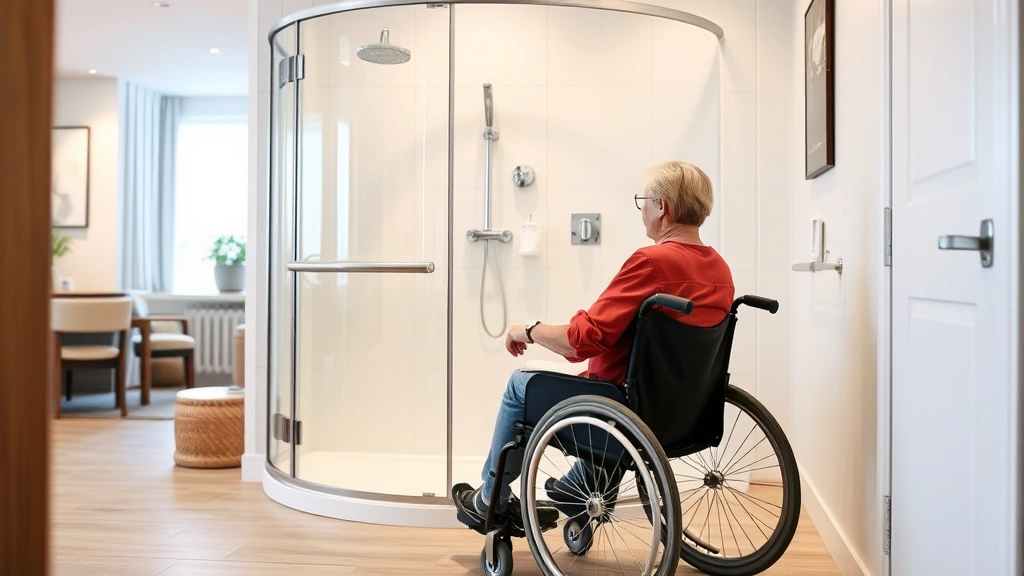
Telehealth for Housing Letters: Doctor Insights
Obtaining a housing accommodation letter has never been more accessible. With telehealth services revolutionizing healthcare delivery, individuals with disabilities, chronic illnesses, and medical conditions can now connect with licensed physicians from home to request formal documentation for housing accommodations. This shift toward digital healthcare removes traditional barriers—transportation challenges, mobility limitations, and scheduling conflicts—while maintaining the same medical rigor and legal validity as in-person evaluations.
Whether you need a letter for lease modification, accessible unit transfer, or other housing adjustments, understanding how telehealth works in this context empowers you to advocate for your health needs effectively. This guide explores the doctor’s perspective on telehealth housing letters, the process, legitimacy, and how to ensure your accommodation request is both thorough and credible.

What Are Housing Accommodation Letters?
A housing accommodation letter is a formal medical document written by a licensed healthcare provider that certifies a patient’s disability, medical condition, or functional limitation and explains why specific housing modifications or accommodations are medically necessary. These letters serve as evidence supporting requests to landlords, property management companies, or housing authorities for reasonable accommodations under the Fair Housing Act and the Americans with Disabilities Act (ADA).
Common reasons for housing accommodation letters include requests for emotional support animals (distinct from emotional support animal letters online), ground-floor unit transfers due to mobility limitations, accessible parking spaces, allergen-free housing, lease modifications, or early lease termination for medical hardship. The letter must be specific enough to justify the accommodation without unnecessarily disclosing sensitive medical details.
Unlike casual statements or informal notes, housing accommodation letters carry legal weight. They document the medical professional’s assessment and professional opinion, making them substantially more persuasive when negotiating with housing providers. Landlords and property managers expect these letters to come from qualified healthcare providers with current knowledge of the tenant’s condition.

Why Telehealth Works for Housing Documentation
Doctors increasingly recognize that telehealth appointments provide sufficient clinical information to assess housing needs and write credible accommodation letters. During a video consultation, physicians can conduct thorough evaluations through patient interviews, symptom assessment, review of medical records, and functional limitation discussions—all components necessary for housing documentation.
Telehealth eliminates barriers that previously prevented individuals from accessing healthcare providers. Someone with severe anxiety, chronic fatigue, or mobility issues no longer needs to travel to an office, potentially exacerbating their condition. The convenience of home-based appointments often leads to more honest, detailed conversations about functional limitations and daily challenges that directly inform housing needs.
From a medical standpoint, telehealth allows doctors to observe patient presentation, communication style, and any visible physical limitations during video consultations. Combined with detailed medical history review and standardized assessment tools, this information creates a robust clinical foundation for accommodation letters. Many physicians find that patients are more comfortable discussing sensitive topics in their own environment, leading to more comprehensive evaluations.
Insurance companies, state medical boards, and healthcare regulators have validated telehealth as an appropriate modality for many clinical assessments, including those supporting accommodation requests. This regulatory acceptance strengthens the legitimacy of letters generated through telehealth consultations.
The Medical Evaluation Process via Telehealth
A proper telehealth evaluation for housing accommodation letters follows a structured clinical protocol. The physician begins by reviewing your medical history, including previous diagnoses, current treatments, medications, and any relevant specialist evaluations. This background provides context for understanding your condition’s severity and impact.
During the video appointment, the doctor conducts a focused interview exploring how your condition affects daily functioning, mobility, sensory perception, cognitive abilities, or emotional well-being. They ask specific questions about activities of daily living—getting out of bed, bathing, preparing meals, managing stairs—and how these relate to housing needs. This functional assessment is critical; it connects your medical diagnosis to concrete reasons why specific accommodations matter.
The physician may request additional documentation such as recent lab results, imaging reports, specialist letters, or previous evaluation summaries. Some doctors use standardized questionnaires or functional assessment tools to ensure comprehensive evaluation. This thorough approach creates a detailed clinical record supporting the accommodation letter.
After gathering sufficient information, the doctor determines whether your medical condition genuinely necessitates the requested accommodation and whether the request is reasonable under fair housing law. They then draft a letter explaining your condition (in general terms), functional limitations, and the specific accommodation’s medical necessity. The letter is signed, dated, and typically includes the doctor’s credentials and contact information.
Doctor Considerations and Standards
Ethical physicians approach housing accommodation letters with professional rigor. They don’t simply write letters based on patient requests; instead, they conduct genuine clinical assessments and form independent medical opinions. A doctor’s professional reputation and license depend on providing honest, accurate documentation.
Physicians consider several factors when evaluating housing accommodation requests. First, they assess whether a genuine medical condition exists and whether it’s documented in the medical record. Second, they evaluate whether the requested accommodation has a rational nexus—a clear connection—to the medical condition. For example, a ground-floor request makes sense for someone with severe arthritis affecting the knees; a request for a specific apartment number would not meet this standard.
Doctors also consider whether the accommodation is reasonable and customary. Landlords are required to provide reasonable accommodations, but not every request qualifies. A physician’s letter should clarify why the specific accommodation is necessary, not merely convenient or preferred. This distinction protects both the patient (by providing credible documentation) and the landlord (by establishing legitimate medical necessity).
Many physicians are familiar with workplace accommodation letter standards, and housing letters follow similar principles. The evaluation should be thorough, the clinical reasoning transparent, and the letter professionally written. Doctors understand that vague or overly broad letters undermine their credibility and may be rejected by housing providers.
Legal Validity and Compliance
Housing accommodation letters generated through telehealth are legally valid when the underlying medical evaluation meets appropriate clinical standards. The Fair Housing Act, enforced by the U.S. Department of Housing and Urban Development (HUD), does not specify that evaluations must occur in person. What matters is that a qualified healthcare provider conducted a legitimate clinical assessment.
The Americans with Disabilities Act (ADA) similarly does not mandate in-person evaluations for accommodation requests. Courts have increasingly recognized that telehealth appointments provide sufficient medical information to support accommodation documentation when conducted by licensed, qualified providers.
For letters to carry maximum legal weight, several elements strengthen compliance: the healthcare provider must be licensed and qualified to assess the condition; the evaluation must be current (typically within the last year); the letter should include specific, clinically relevant information rather than generic statements; and the provider’s credentials and contact information should be clearly stated. This allows housing providers to verify the letter’s authenticity if needed.
State medical boards regulate telehealth practice, and most states require that providers establish a therapeutic relationship, conduct adequate evaluations, and maintain proper documentation. Reputable telehealth platforms ensure providers comply with these regulations, adding another layer of legitimacy to letters generated through their services.
Preparing for Your Telehealth Appointment
Successful telehealth appointments begin with thorough preparation. Gather all relevant medical records—recent doctor visits, test results, imaging reports, specialist evaluations, medication lists—and have them accessible during your appointment. This allows the physician to review documentation and ask informed follow-up questions.
Prepare a detailed list of how your condition affects your daily life. Instead of saying “I have arthritis,” explain specifically: “Climbing stairs causes severe knee pain lasting hours; I need a ground-floor unit to maintain independence.” This functional detail is exactly what doctors need to write credible, specific accommodation letters.
Consider your housing needs in advance. Are you requesting an accessible unit, emotional support animal accommodation, allergen-free housing, or lease modification? Understanding precisely what you need helps the doctor evaluate whether the accommodation is medically necessary and reasonable. You might explore doctor letters for lease termination if that’s your situation.
Ensure your technology is reliable. Test your internet connection, camera, and microphone before the appointment. Find a quiet, private space for the video call where you can speak freely about sensitive health topics. Have water nearby and wear comfortable clothing—you want to be relaxed and able to focus on the conversation.
Bring a list of questions about the accommodation letter process, timeline for receiving the letter, and any specific information the doctor recommends including. Clear communication during the appointment prevents misunderstandings and ensures the final letter addresses your needs.
What Makes a Strong Housing Letter
Physicians understand that a strong housing accommodation letter balances specificity with appropriate privacy protection. The letter should clearly identify the patient, state the healthcare provider’s qualifications, and explain the medical condition in general terms without unnecessary intimate details.
Strong letters include: (1) a clear statement that the individual has a disability or medical condition; (2) specific functional limitations related to that condition; (3) an explanation of why the requested accommodation addresses those limitations; (4) the provider’s professional opinion that the accommodation is medically necessary; and (5) the provider’s signature, credentials, license number, and contact information.
The letter avoids vague language. Instead of “the patient needs accommodations,” it states: “Due to [condition], the patient has significant difficulty with [specific function], and a ground-floor unit would enable [specific benefit].” This clarity demonstrates the doctor’s genuine clinical assessment and increases landlord confidence in the letter’s legitimacy.
Strong letters also avoid overreaching. They don’t claim the patient needs accommodations beyond what the medical evidence supports, and they don’t frame preferences as medical necessities. A doctor might state, “The patient would prefer a south-facing unit for natural light,” but would reserve the “medically necessary” language for accommodations directly connected to functional limitations.
Physicians also ensure letters are current. A letter written two years ago carries less weight than one completed within the past year, as medical conditions and functional abilities can change. Most housing providers expect recent documentation, and doctors understand the importance of timely assessment.
Common Housing Accommodation Requests
Telehealth doctors frequently evaluate requests for several types of housing accommodations. Ground-floor units are commonly requested by individuals with mobility limitations, arthritis, or cardiac conditions where stair climbing is medically contraindicated. A doctor can assess functional limitations and explain why ground-floor access is medically necessary.
Emotional support animal accommodations represent another frequent request. The doctor evaluates whether a patient’s mental health condition (anxiety, depression, PTSD, bipolar disorder) is sufficiently severe that an animal’s emotional support would provide therapeutic benefit. This differs from service animals and requires careful clinical assessment. Learn more about emotional support animal letters obtained online.
Allergen-free or chemically sensitive housing accommodations address conditions like severe allergies, asthma, or multiple chemical sensitivity. The doctor documents the condition’s severity and explains why exposure to common allergens or chemicals would significantly worsen symptoms or functional ability.
Accessible parking spaces benefit individuals with mobility, cardiovascular, or respiratory conditions where walking significant distances is medically problematic. Doctors assess functional limitations and recommend accommodations accordingly.
Lease modification or early termination requests occur when medical conditions necessitate housing changes. A patient might need to relocate closer to medical treatment, move to a more accessible unit, or leave a lease due to medical hardship. Doctors evaluate medical necessity for these requests and document functional reasons supporting the accommodation.
Remote work accommodations, while not strictly housing-related, often intersect with housing needs. Some patients with severe conditions benefit from ADA reasonable accommodation for remote work, which can reduce need for accessible transportation and housing proximity to employment.
FAQ
Are telehealth housing accommodation letters legally valid?
Yes, when conducted by licensed healthcare providers following appropriate clinical standards. The Fair Housing Act and ADA do not require in-person evaluations; they require legitimate clinical assessments by qualified providers. Telehealth appointments, when thorough and well-documented, meet this standard. However, ensure the provider is licensed in your state and follows proper telehealth regulations.
How long does the telehealth evaluation take?
Most telehealth appointments for housing accommodation letters last 30-60 minutes, depending on the complexity of your medical situation and the thoroughness of your medical history. Initial appointments may take longer than follow-ups. After the appointment, the doctor typically needs 3-7 business days to draft and send the completed letter.
What if my condition is primarily mental health related?
Mental health conditions absolutely qualify for housing accommodations under fair housing law. Doctors assess conditions like anxiety, depression, PTSD, bipolar disorder, and others through telehealth. The evaluation focuses on functional limitations—how the condition affects daily activities, sleep, concentration, or emotional regulation—and how specific accommodations would help manage symptoms.
Can I request a specific accommodation the doctor hasn’t mentioned?
Yes, you can discuss your accommodation needs during the appointment. The doctor will evaluate whether the requested accommodation is medically necessary and reasonable. If the doctor agrees it’s appropriate, they’ll include it in the letter. If they believe it’s not medically necessary or reasonable, they’ll explain their clinical reasoning. Trust their professional judgment; a doctor won’t write an unsupportable letter, as this undermines their credibility.
What information should I avoid sharing during the telehealth appointment?
Share all clinically relevant information about your condition, symptoms, treatments, and functional limitations. However, you don’t need to disclose unrelated personal information. The doctor will ask what they need to know for the housing evaluation. The letter itself will include only medically necessary information—not your entire medical history or sensitive details unrelated to housing accommodations.
How do I know if a telehealth provider is legitimate?
Verify the provider’s license through your state’s medical board website. Legitimate telehealth platforms display provider credentials clearly and allow verification. Check for professional affiliations, years of experience, and patient reviews. Be cautious of providers who promise to write letters without thorough evaluation or who don’t ask detailed questions about your condition and housing needs.
What if my landlord doesn’t accept the letter?
If a landlord rejects a letter from a licensed healthcare provider, document this response. Fair housing law requires landlords to engage in the interactive process and consider reasonable accommodation requests supported by medical documentation. If you believe the rejection is discriminatory, you can file a complaint with HUD’s Fair Housing Enforcement or consult a fair housing attorney. Many disability rights organizations provide free or low-cost legal assistance for housing discrimination cases.
Can I use the same letter for multiple housing situations?
A letter can be used for multiple situations if the accommodation need remains the same (same disability, same functional limitation, same accommodation). However, if you’re requesting different accommodations or your condition has changed significantly, ask the doctor for an updated letter. Current documentation strengthens your position.
How much does a telehealth housing accommodation letter cost?
Costs vary by provider and location, typically ranging from $100-$500 for the evaluation and letter. Some telehealth services offer package pricing. Check whether your health insurance covers the appointment—many do, as the evaluation is a legitimate medical service. Even without insurance coverage, telehealth is often more affordable than in-person evaluations due to lower overhead costs.