
Pre-Boarding Medical Letter: Doctor’s Advice for Air Travel
Traveling by air can present unique health challenges, especially for individuals managing chronic conditions, mobility limitations, or medical equipment needs. A pre-boarding medical letter from your healthcare provider is a critical document that communicates your medical requirements to airline staff, ensuring you receive appropriate accommodations before the general boarding process begins. This letter bridges the gap between your medical needs and airline protocols, allowing you to board early, access priority seating, or bring necessary medical equipment on board.
Whether you’re managing diabetes, heart conditions, mobility issues, or require oxygen during flight, understanding how to obtain and effectively use a pre-boarding medical letter can significantly improve your travel experience. This comprehensive guide walks you through the process, explains what airlines expect, and helps you work with your healthcare provider to create documentation that meets industry standards.
What Is a Pre-Boarding Medical Letter?
A pre-boarding medical letter is formal documentation from your licensed healthcare provider that outlines your medical condition and specific accommodation needs for air travel. Unlike general disability verification letters, this document focuses exclusively on how your health condition affects your ability to travel safely and comfortably by plane. The letter serves as official medical evidence that justifies early boarding, accessible seating, or permission to bring medical equipment onboard.
Airlines recognize pre-boarding medical letters as legitimate clinical documentation. The letter essentially tells airline staff: “This passenger has a documented medical condition that requires specific accommodations during boarding and flight.” It’s not a request—it’s a medical prescription for necessary accommodations. This distinction matters because it shifts the conversation from “I would like” to “I medically require.”
The letter differs from an emotional support animal letter or service animal verification letter, though some travelers may need multiple accommodation documents depending on their circumstances. A pre-boarding medical letter is purely about your health needs during air travel, not about animal accommodations or workplace situations.
Why You Need One for Air Travel
Airlines operate under strict Federal Aviation Administration (FAA) regulations and have their own accommodation policies. Without formal medical documentation, your request for early boarding or special seating may be denied or delayed at the gate. A pre-boarding medical letter removes ambiguity and provides the clinical justification airlines require to process your request efficiently.
Early boarding is more than a convenience—it’s often medically necessary. For passengers with mobility limitations, boarding early means:
- Avoiding crowded aisles where navigating with assistive devices becomes difficult
- Having adequate time to reach your seat without rushing
- Securing overhead bin space if you need to keep medical equipment nearby
- Reducing stress and fatigue before the flight even begins
For passengers with cardiac conditions, respiratory issues, or conditions aggravated by standing, early boarding prevents prolonged periods in uncomfortable positions. For those traveling with oxygen equipment or insulin pumps, early boarding ensures medical devices are properly stowed and accessible.
Airlines also use your letter to alert flight crew about potential medical emergencies. If your letter indicates you have a seizure disorder, severe allergies, or cardiac conditions, the crew can monitor for warning signs and respond quickly if needed. This documentation can literally be lifesaving.
Medical Conditions That Qualify
Most chronic or significant medical conditions qualify for pre-boarding accommodations. Common conditions include:
- Mobility Limitations: Arthritis, cerebral palsy, spinal cord injuries, amputations, or post-surgical recovery requiring assistive devices
- Respiratory Conditions: COPD, asthma, cystic fibrosis, or conditions requiring supplemental oxygen
- Cardiac Conditions: Heart disease, arrhythmias, or conditions where prolonged standing increases cardiac stress
- Neurological Conditions: Parkinson’s disease, multiple sclerosis, epilepsy, or stroke recovery
- Metabolic Conditions: Diabetes requiring frequent medication or meal breaks
- Immunocompromised States: Conditions requiring priority boarding to minimize infection exposure
- Psychological Conditions: Severe anxiety or PTSD where early boarding reduces stress triggers
- Pain Conditions: Chronic pain conditions where prolonged standing or sitting increases symptoms
The key qualifier isn’t how “serious” your condition seems to others—it’s whether your condition functionally impacts your ability to board safely and comfortably. Airlines don’t require life-threatening diagnoses; they require documented functional limitations.
Steps to Obtain Your Letter
Step 1: Schedule an Appointment
Contact your primary care physician or the specialist managing your relevant condition. Be specific when scheduling: “I need a medical letter documenting my condition and functional limitations for air travel accommodations.” This clarity helps your provider prepare appropriate documentation rather than writing a generic letter.
Step 2: Prepare Your Information
Before your appointment, gather relevant details:
- Your diagnosis and when you were diagnosed
- Current medications and dosages
- Specific functional limitations (difficulty standing, need for frequent breaks, oxygen requirements)
- Previous travel experiences and any issues that arose
- Specific accommodations you need (early boarding, aisle seat, accessible restroom proximity)
Step 3: Discuss Your Travel Plans
During your appointment, explain your upcoming travel. Mention flight duration, whether you’re traveling internationally, and any specific concerns. Your doctor needs context to write relevant recommendations. A six-hour flight presents different challenges than a two-hour flight; your letter should reflect this.
Step 4: Request Specific Language
Ask your provider to include specific language addressing:
- Your diagnosis and when diagnosed
- Functional limitations related to air travel (not general limitations)
- Why early boarding is medically necessary
- Any equipment you need to bring aboard
- Seating preferences (aisle seat for bathroom access, specific row for medical reasons)
- Any medications or treatments needed during flight
Step 5: Get the Letter on Official Letterhead
Ensure the letter is printed on your provider’s official letterhead with their name, credentials, license number, contact information, and signature. Airlines may contact your provider to verify the letter’s authenticity.
Step 6: Make Copies
Obtain multiple copies. Keep originals in a safe place and carry copies in your travel documents, carry-on bag, and checked luggage. You may need to present it multiple times during your journey.
What Your Letter Should Include
An effective pre-boarding medical letter contains specific elements airlines expect:
Header Information
The letter must be on official letterhead including the provider’s name, medical credentials, license number, clinic or hospital name, address, phone number, and fax number.
Patient Information
Include your full name, date of birth, and the date the letter was written. Airlines match this information to your ticket and ID.
Diagnosis and Duration
State your diagnosis clearly and when you were diagnosed. Example: “Patient was diagnosed with Stage 2 COPD in March 2022 and continues to require ongoing pulmonary management.” This establishes that your condition is documented and ongoing, not temporary.
Functional Limitations
Describe specifically how your condition affects air travel. Rather than “patient has mobility issues,” write: “Patient experiences significant pain and fatigue with prolonged standing due to severe osteoarthritis of both knees. Standing in airport lines and aircraft aisles for extended periods causes acute pain and increases fall risk.”
Medical Necessity Statement
Include a clear statement like: “Early boarding is medically necessary to allow adequate time to reach the assigned seat without physical strain, reducing pain exacerbation and fall risk.”
Specific Accommodations Recommended
List exact accommodations needed:
- Early boarding
- Aisle seat (and why—for bathroom access, for mobility device maneuvering)
- Proximity to accessible restroom
- Space for assistive device storage
- Permission to bring medical equipment
- Ability to move around cabin during flight
Equipment Information
If traveling with medical equipment, specify what equipment, why it’s needed, and that it must remain accessible during flight. Example: “Patient requires portable oxygen concentrator throughout flight due to oxygen saturation drops above 8,000 feet altitude.”
Provider Signature and Credentials
The letter must be signed by the provider with their printed name, credentials (MD, DO, NP, PA), and license number. Some airlines verify signatures and credentials before processing accommodations.
Working With Your Doctor
Your healthcare provider relationship is crucial for obtaining effective documentation. Here’s how to optimize this partnership:
Choose the Right Provider
Use the provider who manages your condition most directly. If you have COPD, get the letter from your pulmonologist. If you have mobility limitations from arthritis, use your rheumatologist or physiatrist. The managing specialist carries more weight than a general practitioner, though either can write the letter.
Be Honest About Your Needs
Describe your actual functional limitations, not exaggerated versions. Airlines can spot inconsistencies—if you mention severe mobility limitations but walk through the airport without difficulty, your credibility is compromised. Honest documentation about real limitations is more effective.
Provide Concrete Examples
Rather than vague descriptions, give specific examples: “Last flight in 2023, I experienced severe pain after standing in the boarding line for 20 minutes and had difficulty reaching my assigned seat in row 28. Early boarding would have prevented this.” Concrete examples help your provider write more compelling letters.
Ask About Timeline**
Request the letter well in advance of travel—ideally 2-4 weeks before your flight. This gives your provider time to write the letter without rush and allows you to address any issues before travel.
Discuss Letter Validity
Ask how long the letter remains valid. Some providers date letters for specific trips; others write them as ongoing documentation valid for multiple trips within a year. Clarify this so you know whether you need a new letter for future travel.
Request Electronic Copies
Ask if your provider can email you a copy for your records and to carry digitally. Having electronic backup is helpful if physical copies are lost.
Presenting Your Letter to Airlines
Having the letter is one thing; presenting it effectively is another. Here’s how to ensure it’s processed correctly:
Notify the Airline in Advance
Contact your airline 48 hours before travel, ideally when booking. Most airlines have special services or accommodations departments. Provide your confirmation number and explain that you have medical documentation for boarding accommodations. This alerts staff to expect you and prepares them to process your request efficiently.
Arrive Early at the Airport
Plan to arrive at least 3 hours before domestic flights, 4 hours before international flights. This gives you time to locate the special services counter, present your documentation, and have accommodations processed before general boarding begins.
Go to the Special Services Desk
Don’t present your letter at the regular ticket counter. Look for the “Special Services,” “Passenger Services,” or “Customer Assistance” desk. Staff there are trained to process accommodation requests and understand medical documentation.
Present Your Letter Clearly
Hand your letter to the agent and explain briefly: “I have a medical letter documenting my need for early boarding due to [condition].” Keep the explanation simple. The letter speaks for itself; you’re just directing their attention to it.
Request Written Confirmation
Ask the agent to note your accommodation request in the system and provide written confirmation. This creates a paper trail if issues arise at the gate.
Bring Extra Copies to the Gate
Even if accommodations are processed at the special services desk, bring an extra copy to present at the gate when boarding begins. Gate agents may not have access to desk notes, and having the letter ready prevents delays.
Tips for Smooth Travel
Understand Airline Policies
Different airlines have slightly different accommodation procedures. Visit the airline’s website and review their disability accommodations policy before travel. Familiarity with their specific process reduces confusion.
Know Your Rights
The Americans with Disabilities Act (ADA) and Department of Transportation regulations require airlines to provide reasonable accommodations for passengers with disabilities. A medical letter documenting your condition is reasonable evidence. You’re not asking for favors; you’re exercising legal rights.
Use Professional Documentation Services
If you’re uncertain about obtaining a letter from your current provider or need documentation quickly, platforms like Arvix Health can connect you with licensed healthcare providers who specialize in accommodation documentation. These providers understand exactly what airlines require and write letters optimized for approval.
Plan for Connection Flights
If traveling with connections, present your letter at each airport. Accommodations don’t automatically transfer between airlines or airports. You may need to request early boarding again at your connection.
Keep Digital Backups
Scan your medical letter and store it in cloud storage (Google Drive, Dropbox) and email it to yourself. If physical copies are lost, you can print new ones from your phone or access them digitally.
Consider Travel Insurance
Medical travel insurance that covers trip cancellation due to health issues provides protection if your condition flares before your flight. Combined with proper documentation, this creates a safety net for medical travelers.
Communicate With Flight Crew
Once aboard, briefly mention your condition to flight attendants if relevant to your safety. You don’t need to share your letter, but letting crew know you have a mobility limitation or medical condition helps them assist appropriately if issues arise during flight.
Request Accessible Seating
Early boarding combined with your medical letter justifies requesting specific seats. Aisle seats are often critical for mobility-limited passengers. Don’t settle for middle seats when your medical needs require otherwise.
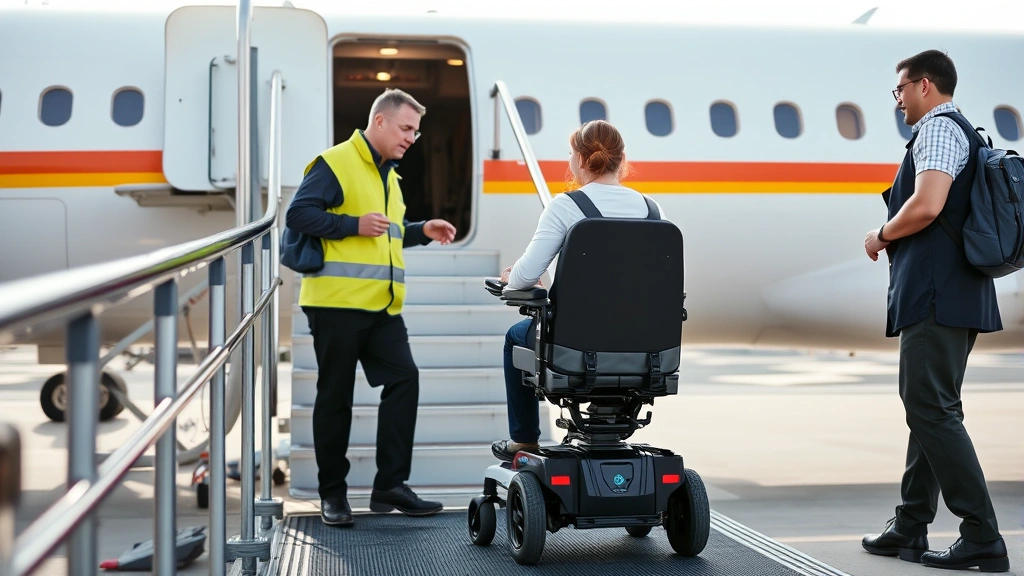
” alt=”Passenger with mobility device boarding airplane early with assistance from airline staff” />
FAQ
Can I use an old medical letter for multiple trips?
It depends on your provider’s dating and language. Some letters state “valid for [date range]” and cover multiple trips within that timeframe. Others are dated for specific trips. Ask your provider explicitly how many trips the letter covers. If your condition has changed significantly since the letter was written, request an updated one.
What if my doctor refuses to write a pre-boarding medical letter?
If your current provider is unwilling, consider consulting the specialist managing your condition or seeking a second opinion from another provider. Some providers unfamiliar with accommodation documentation may be hesitant; explaining that it’s standard medical documentation often helps. If barriers persist, services like Arvix Health connect you with providers experienced in writing accommodation letters.
Do airlines charge for early boarding with a medical letter?
No. Early boarding based on medical documentation is a reasonable accommodation required by law. Airlines cannot charge for accommodations mandated by disability law. Be cautious of any airline requesting payment for documented medical accommodations.
What if the airline denies my accommodation request?
Request to speak with a supervisor and present your medical letter again. If denial persists, file a complaint with the Department of Transportation. Document everything: dates, names of staff, what was said. The DOT takes accommodation denials seriously and investigates complaints.
Can I bring my medical letter in digital form?
Most airlines accept digital copies on your phone, though some prefer physical copies. Bring both: physical copies in your carry-on and digital backups on your phone. This covers all scenarios.
Do I need different letters for different airlines?
One letter works for all airlines—the content is standard across the industry. However, if you travel frequently with multiple airlines, having a letter from your provider valid for a year makes sense rather than getting a new letter each trip.
What’s the difference between a pre-boarding letter and disability certification?
A pre-boarding medical letter is specific to air travel accommodations. Disability certification is broader documentation of your disability status for various purposes (parking placards, tax benefits, workplace accommodations). Medical leave accommodation letters and workplace documentation serve different functions. For air travel, you need the pre-boarding letter specifically.
How early should I request my letter before traveling?
Ideally, 4-6 weeks before travel. This gives your provider adequate time and allows you to address any issues before your trip. In emergencies, 2 weeks is workable, though less ideal.
Can I get a pre-boarding letter if I don’t have an official diagnosis?
Airlines require documented medical conditions, not just symptoms. Work with your healthcare provider to get a formal diagnosis first. Once diagnosed, your provider can write the accommodation letter based on that diagnosis and your functional limitations.
Is there a standard format airlines require for these letters?
No official standard format exists, but effective letters include: provider letterhead, patient information, diagnosis, functional limitations specific to air travel, specific accommodations needed, and provider signature. Letters following this structure are consistently accepted.

” alt=”Healthcare provider writing medical accommodation letter at desk with patient file and computer” />