
Jury Duty Medical Exemption: Doctor’s Insight 2026
Serving on a jury is a civic responsibility that most U.S. citizens are expected to fulfill when summoned. However, for individuals with serious medical conditions, disabilities, or health challenges, jury duty can pose significant physical, mental, or emotional hardship. A jury duty medical exemption letter from a licensed healthcare provider can help you request relief from this obligation while maintaining your legal standing and protecting your health.
In 2026, the process for obtaining a medical exemption remains largely consistent with previous years, though court procedures and documentation requirements may vary by jurisdiction. Understanding how to properly request an exemption—and what medical conditions qualify—is essential for anyone facing jury duty while managing a chronic illness, mobility limitation, or serious health concern. This guide provides healthcare and legal insights into securing a valid medical exemption letter that courts will respect.
Whether you’re dealing with cancer treatment, severe anxiety, chronic pain, mobility impairment, or another medical condition, a well-documented exemption letter can help you avoid the stress and potential harm of jury service while fulfilling your civic duty in other ways.
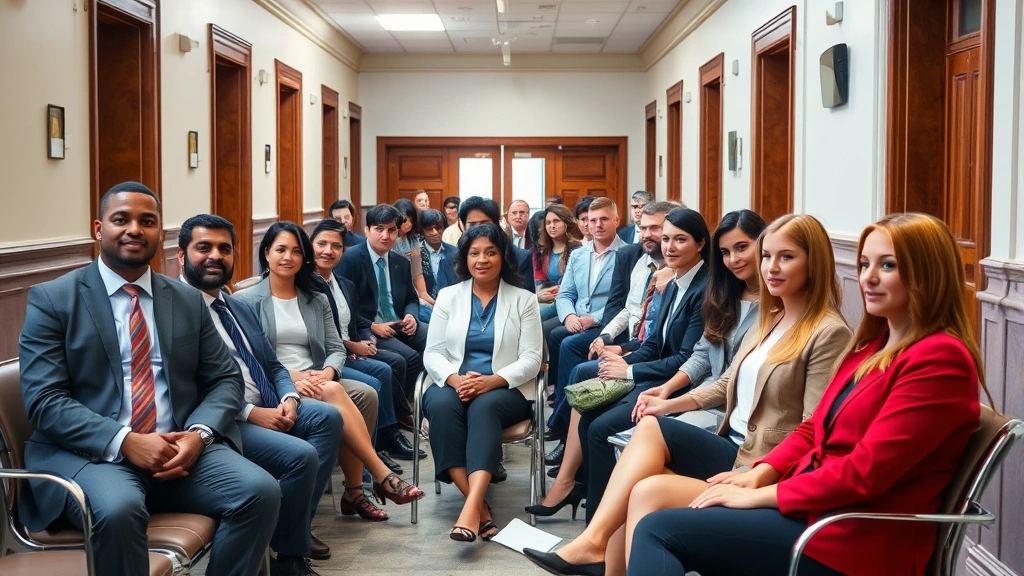
What Is a Jury Duty Medical Exemption?
A jury duty medical exemption is a formal request to be excused from jury service due to documented medical hardship. Unlike a postponement (which delays your service), an exemption typically relieves you of the obligation entirely or for an extended period. Courts recognize that some individuals cannot safely or ethically participate in jury proceedings due to health constraints.
The exemption is not a right—it’s a discretionary accommodation that judges grant based on evidence of genuine medical hardship. To be successful, you must provide objective medical documentation that demonstrates your condition makes jury service impractical, unsafe, or impossible. A letter from your treating healthcare provider carries significant weight in this determination.
Courts have a vested interest in ensuring jurors can focus on evidence and deliberations without distraction from pain, fatigue, anxiety, or other symptoms. When a medical condition would genuinely compromise your ability to serve fairly and safely, requesting an exemption is both legally sound and ethically responsible.

Medical Conditions That Qualify for Exemption
While courts evaluate exemption requests on a case-by-case basis, certain categories of medical conditions are more likely to qualify:
- Severe mobility impairments: Inability to sit for extended periods, wheelchair use, or conditions requiring frequent positioning changes
- Cognitive or neurological conditions: Dementia, traumatic brain injury, severe ADHD, or conditions affecting concentration and memory
- Mental health disorders: Severe anxiety, PTSD, agoraphobia, or conditions triggered by stressful environments
- Active cancer treatment: Chemotherapy, radiation, or surgical recovery with significant fatigue or side effects
- Chronic pain syndromes: Fibromyalgia, complex regional pain syndrome, or severe arthritis limiting sitting tolerance
- Respiratory conditions: Severe COPD, asthma, or conditions affected by courtroom air quality or stress
- Immunocompromised status: HIV/AIDS, organ transplant recipients, or those on immunosuppressant medications
- Pregnancy-related complications: Severe preeclampsia, gestational diabetes, or bed rest requirements
- Caregiver obligations: Sole care responsibility for a dependent with no alternative care available
- Hearing or vision loss: Significant sensory impairments affecting ability to participate in proceedings
The key is demonstrating that your condition creates a genuine hardship—not mere inconvenience. Your doctor’s letter must explain the specific functional limitations and why jury service would be medically inadvisable.
How to Request a Medical Exemption
The process for requesting a jury duty exemption varies slightly by jurisdiction, but generally follows these steps:
- Check your summons: Review the jury summons for specific instructions on requesting an exemption. Most include a phone number, website, or address for submitting requests.
- Contact the court: Call the jury office and explain that you need to request a medical exemption. Ask what documentation they require and when it must be submitted.
- Schedule with your doctor: Contact your treating physician and request an appointment or letter specifically for jury duty exemption. Explain the timeline and court requirements.
- Submit documentation: Provide the court with your doctor’s letter before your scheduled jury date. Some courts allow submission by mail, fax, email, or online portal.
- Follow up: If you don’t hear back within one week of submission, contact the jury office to confirm receipt and ask about next steps.
- Attend if required: Some courts may request you appear in person or provide additional documentation. Be prepared to do so if asked.
Timing matters significantly. Submit your request as soon as you receive your summons—don’t wait until the last moment. Courts appreciate advance notice and are more likely to grant exemptions when given sufficient time to adjust jury pools.
If you’ve received a disability verification letter or other medical documentation from Arvix Health or another provider, you can reference this existing documentation when requesting your exemption.
What Your Doctor’s Letter Should Include
A strong jury duty exemption letter must be comprehensive and specific. Your doctor should include:
- Your full legal name and date of birth
- The date of the letter and doctor’s contact information
- Your diagnosis (or statement that disclosure is inappropriate, with functional limitations described instead)
- Duration of condition: How long you’ve had this condition and expected prognosis
- Specific functional limitations: How the condition affects your ability to sit, concentrate, handle stress, or participate in proceedings
- Treatment details: Current medications, therapies, or treatments and any side effects affecting cognition or stamina
- Why jury service is problematic: Specific explanation of how jury duty would worsen your condition or compromise your health
- Recommended accommodation: Whether you need a complete exemption, postponement, or modified service (e.g., shorter trial only)
- Professional credentials: Doctor’s license number, specialty, and how long they’ve treated you
- Clear statement: “I believe my patient is unable to safely serve on a jury at this time due to [specific reason].”
The letter should be on official letterhead, signed by the doctor in ink (or electronically signed if submitting digitally), and dated within 30 days of your court date. Avoid vague language—courts see hundreds of exemption requests and need clear evidence of genuine hardship.
If you need professional assistance crafting a medically appropriate exemption letter, providers like Arvix Health can help connect you with licensed physicians who understand court documentation requirements.
Legal Rights and Court Procedures
Understanding your legal standing when requesting a jury exemption is important. In the U.S., jury duty is a civic responsibility, not an optional service. However, courts have long recognized that legitimate medical hardship warrants exemption or postponement.
Your rights include:
- Submitting a medical exemption request without penalty or contempt charges
- Having your request reviewed confidentially by a judge
- Receiving written notification of the court’s decision
- Appealing a denial if circumstances change
- Requesting postponement rather than outright exemption if you may be able to serve at a later date
The Equal Employment Opportunity Commission and Americans with Disabilities Act provide protections ensuring that individuals with disabilities receive fair consideration for jury service accommodations. Many courts now offer alternative service options, such as remote jury duty or participation in shorter trials, which may be viable if a complete exemption isn’t granted.
Different states and federal courts have varying standards. Federal courts (which handle more complex cases) may have stricter exemption criteria than state courts. Research your specific court’s procedures by visiting their website or calling the jury office directly.
If your request is denied, you have options: request a postponement to a future date, appear and explain your situation to the judge directly, or ask whether accommodations (like extra breaks or modified seating) might allow you to serve safely.
Common Mistakes to Avoid
When requesting a jury duty exemption, avoid these common errors that result in denial:
- Submitting a generic letter: Courts reject vague exemption letters. Your doctor must explain your specific functional limitations and why jury service is problematic.
- Missing the deadline: Submit your request as soon as you receive your summons. Last-minute requests are often denied.
- Exaggerating your condition: Courts can verify medical claims. Dishonest exemption requests may result in perjury charges.
- Providing insufficient documentation: A brief note from your doctor won’t suffice. Submit a detailed, professional letter on letterhead.
- Failing to follow court instructions: Each court has specific procedures. Read your summons carefully and follow all directions exactly.
- Ignoring follow-up requests: If the court asks for additional information, respond promptly. Silence may be interpreted as abandonment of your request.
- Claiming inconvenience rather than hardship: Courts understand that jury duty is inconvenient for everyone. You must demonstrate genuine medical hardship, not just scheduling conflict.
- Not keeping copies: Keep records of everything you submit to the court, including the date and method of submission.
Working with a healthcare provider experienced in accommodation letters can help you avoid these pitfalls and ensure your exemption request is professional and persuasive.
IMAGE_2
The Role of Your Healthcare Provider
Your treating physician is essential to a successful exemption request. They understand your medical history, current symptoms, and functional limitations better than anyone. When requesting a jury exemption letter, be direct with your doctor:
- Explain that you’ve been summoned for jury duty and need medical documentation
- Share your court summons or jury information so your doctor understands the timeline and location
- Discuss how your condition specifically affects your ability to sit, concentrate, and handle stress
- Ask whether they believe jury service would be medically inadvisable
- Request a detailed letter (not just a brief note) addressing the court’s likely questions
If your regular doctor is unavailable or unfamiliar with accommodation letters, consider consulting a specialist in your condition area (e.g., oncologist for cancer, psychiatrist for mental health, rheumatologist for autoimmune disease). Specialists’ letters carry particular weight with courts.
For those without an established healthcare provider, telehealth services and online medical providers can connect you with licensed physicians who understand accommodation letter requirements and can provide timely documentation.
Jury Service Alternatives and Accommodations
If a complete exemption isn’t granted, courts increasingly offer alternatives:
- Postponement: Delay your service to a future date when your health may be better
- Remote jury duty: Participate in jury selection and proceedings via video conferencing
- Shorter trials only: Serve only on cases expected to conclude within a few days
- Modified scheduling: Request morning-only service, extra breaks, or alternative seating
- Excusal from voir dire: Skip jury selection but potentially serve on the trial itself
Discuss these options with the judge if your medical exemption request is denied. Many judges are willing to accommodate health limitations when presented with specific, reasonable requests.
IMAGE_3
2026 Updates and Considerations
As of 2026, several trends are affecting jury duty procedures:
- Increased remote options: Post-pandemic, more courts offer virtual jury participation, which may accommodate certain medical conditions
- Stricter documentation standards: Courts are requesting more detailed medical documentation to prevent frivolous exemption claims
- Mental health recognition: Courts increasingly recognize anxiety disorders, PTSD, and other mental health conditions as legitimate exemption grounds
- Accessibility improvements: Many courthouses have upgraded accessibility for individuals with mobility impairments, potentially affecting exemption eligibility
- Juror wellness initiatives: Some jurisdictions now focus on juror health and well-being, making accommodations more readily available
Check your local court’s website for current procedures and any 2026 updates to jury duty policies. Procedures may have changed since 2024 or 2025.
Preparing for Your Court Appearance
If the court requests you appear in person to discuss your exemption request, prepare thoroughly:
- Bring your original medical documentation and a copy for the court
- Arrive early and dress professionally
- Prepare a brief, honest explanation of your medical condition and why jury service is problematic
- Avoid exaggeration or emotional appeals—stick to facts
- Be respectful to the judge and court staff
- Have your doctor’s contact information available if the judge wants to verify details
- Ask questions if you don’t understand what’s being asked
Many judges grant exemptions after hearing a brief, sincere explanation combined with solid medical documentation. Your goal is to demonstrate genuine hardship, not to convince the judge that jury duty is inconvenient.
When to Seek Additional Legal Help
While most jury exemption requests don’t require legal representation, consider consulting an attorney if:
- Your request is denied and you believe the decision is unjust
- The court threatens contempt charges for non-appearance
- You have a complex medical situation requiring legal interpretation
- Your employer is pressuring you to appear despite medical limitations
- You need assistance understanding your jurisdiction’s specific procedures
JAN (Job Accommodation Network) provides free consultation on disability-related issues and may offer guidance on jury duty accommodations. Additionally, HUD and disability rights organizations can connect you with legal resources in your area.
FAQ
How long does it take to get a jury duty exemption decision?
Most courts respond to exemption requests within 1-2 weeks. If your trial date is sooner, submit your request immediately. Some courts provide expedited review for requests submitted close to the trial date, though approval is less certain.
Can I be arrested for not appearing if I submitted a medical exemption?
No. Once you’ve submitted a valid medical exemption request, you’re protected from contempt charges. However, if the court denies your request and you don’t appear, you could face legal consequences. Always follow up to confirm the court’s decision.
Will my employer find out about my medical condition if I request a jury exemption?
No. Jury exemption requests and medical documentation are confidential court records. Your employer won’t learn about your condition unless you tell them. However, you may need to inform your employer of your jury duty dates.
What if my doctor refuses to write a jury exemption letter?
If your doctor doesn’t believe jury service would be medically harmful, they may decline to write the letter. This is legitimate—courts respect physician judgment. You can seek a second opinion from another provider, or appear in court to explain your situation directly to the judge.
Can I request a jury exemption for anxiety or mental health reasons?
Yes. Severe anxiety, PTSD, panic disorder, and other mental health conditions qualify for exemption if they would be significantly worsened by jury service. Your psychiatrist or therapist can document this in a detailed letter.
Is a jury duty exemption permanent or temporary?
Most exemptions are temporary, valid for a specific period (often 1-5 years). You may receive a new summons after that period and need to request exemption again if your condition persists. Some jurisdictions allow permanent exemptions for serious, permanent conditions.
Can I get a jury duty exemption if I’m caring for a family member?
Yes, if you’re the sole caregiver with no alternative care available. You’ll need documentation of the dependent’s condition and a statement that alternative care is unavailable. This may qualify as hardship in some jurisdictions.
What happens if I ignore a jury summons?
Ignoring a summons without requesting exemption or postponement can result in contempt of court charges, fines, or even jail time. Always respond to your summons, either by requesting exemption with medical documentation or by appearing as requested.
Do federal courts have different jury exemption standards?
Yes. Federal courts (handling federal cases) often have stricter exemption criteria than state courts. Research your specific federal court’s procedures, as requirements may be more rigorous.
Can I get a jury exemption letter online?
Yes. Many telehealth providers and online medical services offer jury duty exemption letters. Ensure the provider is licensed in your state and understands your medical condition. The letter must be from a licensed healthcare provider to be valid.