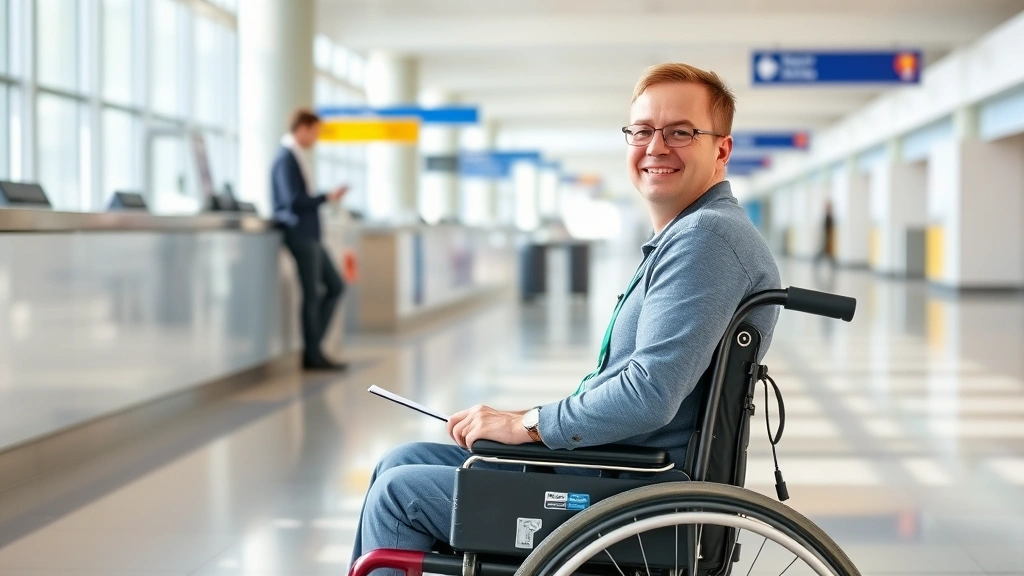
Traveling with medical equipment can present significant challenges, from airline restrictions to accessibility concerns at your destination. A medical equipment travel allowance letter serves as official documentation that explains your medical necessity, helping you navigate transportation requirements, security checkpoints, and accommodation needs while maintaining your health and independence. This comprehensive guide walks you through obtaining and effectively using a medical equipment travel allowance letter to ensure smooth, stress-free travel experiences.
Whether you rely on oxygen concentrators, CPAP machines, wheelchairs, insulin pumps, or other life-sustaining or mobility-enhancing devices, having proper medical documentation is essential. Airlines, hotels, rental car companies, and border authorities all recognize and respect formal medical letters from licensed healthcare providers. Understanding how to obtain this documentation and leverage it effectively can transform your travel experience from stressful to manageable.
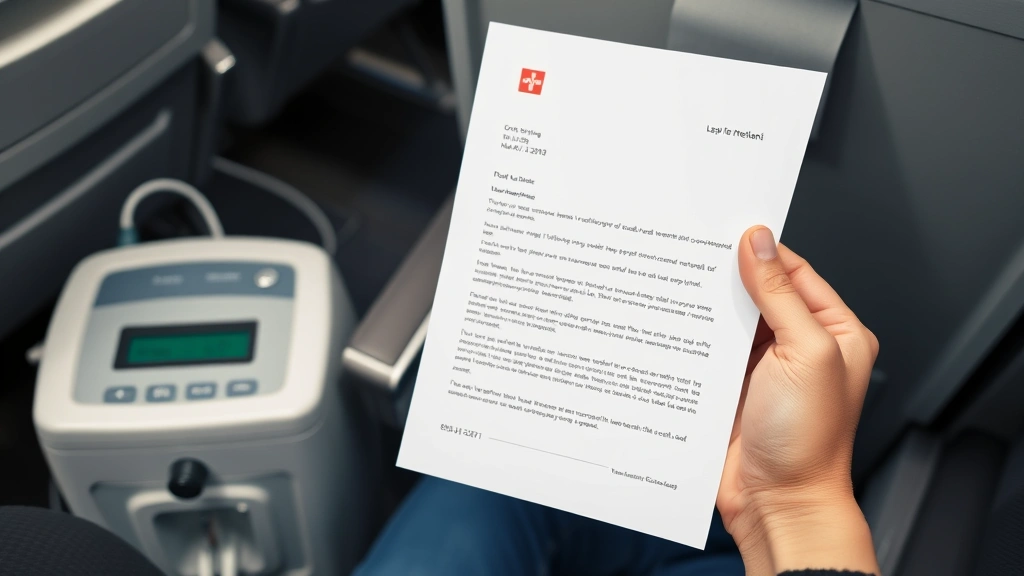
What Is a Medical Equipment Travel Allowance Letter?
A medical equipment travel allowance letter is an official document written and signed by a licensed healthcare provider that certifies your medical need for specific equipment during travel. This letter explains your condition, identifies the equipment you require, and requests reasonable accommodations from airlines, hotels, transportation providers, and border officials. It serves as proof that your equipment is medically necessary—not optional—and helps prevent delays, confiscation, or denial of service.
The letter acts as a bridge between you and service providers who may be unfamiliar with your particular medical needs. Rather than repeatedly explaining your condition to different staff members, a formal letter carries professional authority and clearly communicates your requirements. This documentation is particularly valuable when traveling internationally, where language barriers and different regulatory systems might otherwise create confusion.
Unlike casual medical notes, a properly formatted travel allowance letter includes specific clinical language, your provider’s credentials, contact information, and official letterhead. This formal structure ensures that security personnel, airline staff, and hotel managers take your needs seriously and provide appropriate accommodations.

Why You Need Medical Equipment Documentation
Medical equipment can raise concerns among transportation and accommodation providers who may not understand its purpose or safety profile. Without proper documentation, you might face:
- Security delays: TSA agents and international security personnel may question unfamiliar equipment, causing lengthy screening processes
- Equipment confiscation: Some providers mistakenly believe certain devices are prohibited, leading to seizure or damage
- Denied boarding: Airlines may refuse to accommodate equipment without medical justification
- Accommodation refusal: Hotels might deny requests for accessible rooms or equipment storage without understanding medical necessity
- Increased stress: Traveling without documentation means repeatedly defending your needs and experiencing uncertainty
A properly documented accommodation letter eliminates these barriers by providing clear, authoritative justification for your needs. It empowers you to travel confidently, knowing that service providers understand your requirements and are legally obligated to accommodate them.
Types of Medical Equipment Requiring Travel Letters
Various medical devices benefit from travel allowance documentation. Common equipment includes:
- Respiratory devices: Oxygen concentrators, portable oxygen tanks, CPAP/BiPAP machines, nebulizers, and portable ventilators
- Mobility equipment: Manual and electric wheelchairs, scooters, walkers, canes, and crutches
- Insulin delivery: Insulin pumps, continuous glucose monitors, and insulin refrigeration devices
- Cardiac devices: Pacemakers, defibrillators, and portable cardiac monitors
- Dialysis equipment: Portable dialysis machines and supplies for renal patients
- Feeding and nutrition: Feeding pumps, gastrostomy supplies, and nutritional support equipment
- Pain management: Infusion pumps and medication delivery systems
- Sleep and respiratory: Portable ventilators and specialized breathing devices
Even if your equipment seems straightforward, documentation prevents misunderstandings. For example, TSA agents may question why you’re carrying multiple bottles of liquid (insulin) or unfamiliar electronic devices. A medical letter quickly resolves these concerns.
How to Obtain Your Medical Equipment Travel Letter
The process of obtaining a medical equipment travel allowance letter typically involves these steps:
- Schedule an appointment: Contact your primary care physician, specialist, or the healthcare provider most familiar with your condition and equipment needs
- Request the letter specifically: Don’t assume your provider will know to write a travel letter; explicitly request one for travel purposes with your medical equipment
- Provide details: Specify which equipment you’ll travel with, your destination, travel dates, and any specific accommodations you anticipate needing
- Allow adequate time: Request the letter at least 2-3 weeks before your travel date to allow processing time
- Receive the original: Ask for a signed original on official letterhead (copies may not be accepted at security checkpoints)
- Make copies: Once you receive the original, make several copies to carry with your equipment and luggage
If your regular provider is unavailable, specialized medical documentation services can connect you with licensed healthcare providers who can evaluate your condition and issue appropriate travel documentation quickly and efficiently.
What Should Be Included in Your Letter
A comprehensive medical equipment travel allowance letter should contain these essential elements:
- Provider credentials: Full name, medical license number, specialty, clinic/hospital name, and contact information
- Your information: Full name, date of birth, and patient identification number if applicable
- Medical diagnosis: Clear statement of your condition requiring equipment
- Equipment specification: Detailed description of each device (brand, model, function), with explanation of why it’s medically necessary
- Functional limitations: How your condition affects your ability to function without the equipment
- Travel requirements: Specific accommodations needed (e.g., outlet access, refrigeration, overhead bin exemption, extra legroom)
- Dosage/usage information: How frequently you use the equipment and any special handling requirements
- Safety information: Confirmation that the equipment poses no safety risk to aircraft or other passengers
- Duration statement: Whether this is temporary or long-term medical necessity
- Provider signature: Original signature in blue or black ink (not digital)
- Date: Issue date, ideally within 30 days of travel
The letter should be written in professional medical language while remaining clear enough for non-medical personnel to understand. Avoid overly technical jargon that might confuse TSA agents or hotel staff.
Using Your Letter at Airports and Security
When traveling by air with medical equipment, your letter becomes invaluable at multiple checkpoints:
Before arrival: Contact your airline 24-48 hours before departure with your letter. Many airlines have special procedures for medical equipment and appreciate advance notice. Ask specifically about battery restrictions, outlet availability, and any equipment-specific policies.
At security: Present your letter to TSA agents during initial screening. Agents are trained to recognize medical documentation and understand common medical devices. Your letter expedites the process by eliminating questions about why you’re carrying unusual items.
At the gate: Have your letter accessible when boarding. Gate agents may want confirmation that your equipment meets airline specifications. Your documentation demonstrates that a healthcare provider has already verified appropriateness.
During flight: Notify flight attendants about your equipment, especially if you need power access or special seating. Your letter provides context for any requests, making crew members more accommodating.
The TSA website provides detailed information about traveling with medical devices, and having documentation supports compliance with these guidelines.
Hotel and Accommodation Requests
Medical equipment travel letters aren’t just for airports. Hotels and other accommodations also benefit from this documentation:
- Room placement: Request ground-floor rooms or rooms near elevators if you use mobility equipment
- Outlet access: Ensure sufficient electrical outlets for charging devices like oxygen concentrators or CPAP machines
- Climate control: Request rooms with independent temperature control if your equipment requires specific conditions
- Refrigeration: Obtain in-room refrigerators for insulin, medications, or biologics that require cool storage
- Equipment setup: Allow housekeeping to know about your equipment so they don’t accidentally disturb it
- Accessibility features: Confirm grab bars, accessible bathrooms, and mobility-friendly layouts
When booking accommodations, mention your equipment needs during reservation. Include your letter in pre-arrival communications to ensure the property has time to prepare appropriate rooms.
International Travel Considerations
International travel with medical equipment requires additional preparation beyond domestic travel:
Customs and border: Different countries have varying regulations regarding medical devices. Your letter helps explain your equipment’s purpose to customs officials. Some countries require additional permits or documentation for certain devices—your provider may need to specify this.
Medication documentation: If your equipment delivers medication (insulin pumps, infusion pumps), you’ll need separate documentation for the medication itself. The U.S. State Department provides guidance on traveling with medications internationally.
Language considerations: For non-English speaking destinations, consider having your letter translated by a professional translator. Some medical documentation services can provide multilingual versions.
Voltage and power: Your letter should specify whether your equipment requires standard voltage or if it has voltage conversion capabilities. This helps you prepare appropriate adapters.
Airline differences: International carriers may have different policies than domestic airlines. Contact your specific airline well in advance with your documentation.
Travel insurance: Medical equipment travel letters support claims for equipment-related travel complications. Insurance companies often require medical documentation before covering equipment-related incidents.
The CDC travel health information site provides country-specific guidance, and your letter helps medical professionals abroad understand your needs if complications arise.
FAQ
How long is a medical equipment travel allowance letter valid?
Most providers issue letters valid for one year from the date of issue. However, TSA and airlines typically prefer letters dated within 30 days of travel. If your condition changes or you acquire new equipment, request an updated letter.
Can I use a digital copy of my letter instead of the original?
TSA and airlines generally accept clear digital copies on mobile devices. However, carry a printed original as backup, since some international authorities may require original signatures. Ensure digital copies are high-quality and legible.
What if my provider refuses to write a travel letter?
If your regular provider is unwilling, explain the specific travel challenges you’re experiencing. If they still refuse, consider consulting a specialist in your condition or contacting a medical documentation service that can connect you with willing providers.
Do I need separate letters for each piece of equipment?
One comprehensive letter covering all your equipment is usually sufficient. However, if equipment serves very different purposes, separate letters may provide additional clarity.
How much does a medical equipment travel letter cost?
Costs vary. Your regular provider may write one at no charge or for a small administrative fee ($25-75). Specialized documentation services typically charge $150-300 depending on complexity and turnaround time.
Should I carry my letter with me or pack it in luggage?
Always carry your letter in carry-on luggage and have it immediately accessible. Keep copies in your checked bag, hotel room, and with your emergency contacts. Digital copies on your phone provide additional backup.
Can a letter from a nurse practitioner or physician assistant work?
Yes, as long as they’re licensed in your state and have direct knowledge of your medical condition. Their signature carries legal weight for travel documentation purposes.
What if I’m traveling to a country with strict medical device regulations?
Contact your destination country’s embassy or consulate before traveling. They can specify what documentation is required. Your healthcare provider may need to include specific language about device safety and regulatory compliance in your letter.
Can I get a travel letter for preventive equipment I might need?
Letters should document equipment you currently use or have a strong likelihood of needing. Speculative equipment typically isn’t covered. However, if you have a condition that might require emergency equipment, discuss this with your provider.
How far in advance should I request my letter?
Request it at least 2-3 weeks before travel. For international travel or complex equipment, request 4-6 weeks in advance to allow time for translation, additional documentation, or revisions.