Traveling with Medical Equipment? 2026 Expert Tips
Traveling with medical equipment can feel overwhelming, but with proper planning and documentation, you can navigate airports, hotels, and transportation with confidence. Whether you’re carrying oxygen concentrators, CPAP machines, insulin pumps, mobility devices, or other essential medical equipment, understanding TSA regulations, airline policies, and international requirements ensures a smoother journey.
In 2026, travel rules continue to evolve, and having the right medical equipment travel letter from your healthcare provider is one of the most critical steps you can take. This documentation serves as your advocate when questions arise at security checkpoints, during boarding, or at your destination. Let’s explore everything you need to know about traveling safely and legally with your medical equipment.
Understanding Medical Equipment Travel Letters
A medical equipment travel letter is an official document from your physician that verifies your medical condition and explains why specific equipment is medically necessary. This letter serves multiple purposes: it validates your equipment at security checkpoints, provides backup documentation if questions arise, and demonstrates that your equipment isn’t a security risk.
Your travel letter should include your full name, date of birth, the specific medical condition requiring the equipment, a detailed description of the equipment (brand, model, serial number if applicable), and a statement from your physician confirming medical necessity. The letter must be printed on official letterhead and signed by a licensed healthcare provider with a date and contact information.
The importance of this document cannot be overstated. TSA agents, airline staff, and international customs officials may all request verification. Having a comprehensive, professionally prepared letter prevents delays, reduces stress, and protects your rights under the Americans with Disabilities Act (ADA).
Consider obtaining multiple copies—at least three to five—as you may need to present them at different stages of your journey. Keep originals in a secure location and carry copies in your carry-on bag, checked luggage, and with your travel documents.
TSA Regulations and Medical Equipment
The Transportation Security Administration (TSA) recognizes that travelers with disabilities and medical conditions require special accommodations. Medical equipment is generally permitted through security checkpoints and on aircraft, but specific rules apply.
Carry-On vs. Checked Baggage: Most medical equipment should travel in your carry-on bag to prevent damage and ensure immediate access. Oxygen concentrators, CPAP machines, insulin delivery systems, and mobility aids are typically allowed in the cabin. However, batteries powering medical devices have specific regulations—spare lithium batteries are limited to carry-on only, not checked luggage.
Security Screening: Inform TSA officers immediately that you have medical equipment. You have the right to request a private screening if you’re uncomfortable with standard procedures. Your equipment will likely undergo X-ray screening, but you can request hand inspection as an alternative. TSA officers are trained to handle medical devices carefully, and your medical equipment travel letter expedites this process.
Liquids Rule Exemption: Medications and medical liquids (insulin, saline solution, etc.) are exempt from the 3.4-ounce liquid restriction if they’re declared. You’ll need to separate them from other toiletries and show them to TSA officers along with your medical documentation.
For comprehensive guidance, visit the TSA’s official page on travelers with disabilities before your trip.
Airline-Specific Policies in 2026
While TSA sets federal standards, individual airlines maintain their own policies regarding medical equipment. In 2026, most major carriers—United, American, Delta, Southwest, and international carriers—have streamlined policies, but differences exist.
Advance Notification: Contact your airline at least 48 hours before departure. Inform them about your medical equipment, request wheelchair assistance if needed, and confirm any special seating arrangements. Some airlines require advance notice for specific equipment like oxygen concentrators or large mobility devices.
Power Supply Requirements: If your equipment requires electricity, ask about seat location near power outlets. Some airlines offer special seating in premium cabins with accessible power. Confirm whether outlets are functional before boarding.
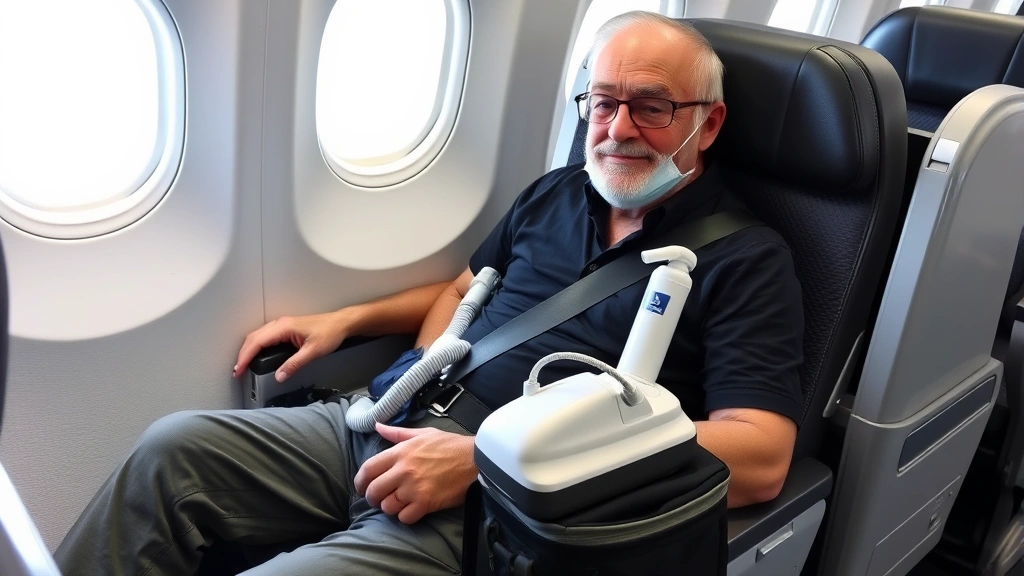
Equipment During Flight: Your medical equipment can typically remain with you during the flight. Oxygen concentrators must be approved by the airline (most modern FAA-approved models are accepted). CPAP machines can be used during sleep with your airline’s approval.
Ground Transportation: When connecting flights or using ground transportation, ensure your equipment is properly secured and accessible. Request wheelchair services if mobility assistance is needed between gates.
Call your specific airline’s disability services department with your medical documentation ready. This proactive approach prevents last-minute complications and ensures your needs are anticipated.
Preparing Your Equipment for Air Travel
Proper preparation ensures your medical equipment arrives in working condition and functions optimally throughout your journey.
Inspection and Maintenance: Before traveling, have your equipment serviced by a qualified technician. Confirm all components are functioning properly, batteries are fully charged, and supplies are adequate for your trip plus 25% extra. Travel delays happen—you need backup supplies.
Packing Strategy: Never place medical equipment in checked luggage unless absolutely necessary. Keep devices in their original protective cases or TSA-approved carrying cases. Pack equipment in your carry-on where you can monitor it and access it if needed during flight.
Battery Management: Fully charge all batteries before departure. If your equipment uses replaceable batteries, carry extras in your carry-on (lithium batteries have specific quantity limits—check TSA regulations). Bring charging cables and international adapters if traveling abroad.
Documentation Organization: Create a travel folder containing your functional limitation verification letter, prescription copies, equipment serial numbers, manufacturer contact information, and insurance details. Keep digital copies on your phone as backup.
Protective Cases: Invest in quality protective cases for sensitive equipment. Medical devices are expensive and fragile—proper protection is a worthwhile investment that prevents damage and travel disruptions.
International Travel Considerations
Traveling internationally with medical equipment requires additional planning and documentation. Different countries have varying regulations regarding medical devices, medications, and equipment importation.
Customs Documentation: Your medical equipment travel letter becomes even more critical for international travel. Request an official letter from your healthcare provider on letterhead stating the medical necessity of each piece of equipment. This documentation helps customs officials understand that your equipment is for personal medical use, not commercial purposes.
Country-Specific Regulations: Research your destination country’s regulations regarding medical equipment. Some nations require advance notification or permits for certain devices. The U.S. State Department website provides country-specific travel advisories that may include medical equipment information.
Medication Regulations: Controlled medications face stricter international regulations. Obtain a letter from your prescribing physician clearly stating your diagnosis, medication names, dosages, and duration of treatment. Some countries require additional documentation or permits for specific medications.
Power and Compatibility: International destinations use different electrical standards (voltage and outlet types). Purchase appropriate power converters and adapters before traveling. Some medical equipment requires specific voltage—confirm compatibility before departure.
Backup Plans: Identify hospitals or medical facilities at your destination that can service your equipment if problems arise. Research local pharmacies that can fill prescriptions if supplies run low. Travel insurance that covers medical equipment replacement is highly recommended.
Documentation and Legal Protection
Your medical equipment travel letter provides legal protection under the ADA and other disability rights legislation. This documentation establishes that your equipment accommodates a disability and that denial of access would constitute discrimination.
ADA Protections: The ADA requires airlines and transportation services to accommodate medical equipment. If you experience discrimination or denial of service, your medical documentation strengthens any complaint filed with the Department of Transportation or civil rights organizations.
Insurance Documentation: Keep copies of insurance documentation, equipment receipts, and prescription records. This protects you if equipment is lost or damaged during travel and you need to file a claim or seek replacement.
Physician Verification: Ensure your healthcare provider’s contact information is clearly visible on all documentation. TSA or airline officials may contact your physician to verify information if questions arise. Brief your healthcare provider before travel about the possibility of being contacted.
Record Keeping: Maintain detailed records of your travels with medical equipment—dates, airlines, any issues encountered, and how they were resolved. This information helps you identify patterns, prepare better for future travel, and serves as evidence if discrimination occurs.
Common Equipment Categories
Oxygen Equipment: Portable oxygen concentrators are FAA-approved for most airlines. Battery-powered models are preferred for air travel. Bring your medical equipment travel letter confirming the specific model approved for flight. Oxygen tanks are generally prohibited on passenger aircraft.
CPAP and Sleep Apnea Devices: These machines are permitted in carry-on luggage and can be used during flight with airline approval. Your letter should specify the device model and confirm medical necessity for nightly use.
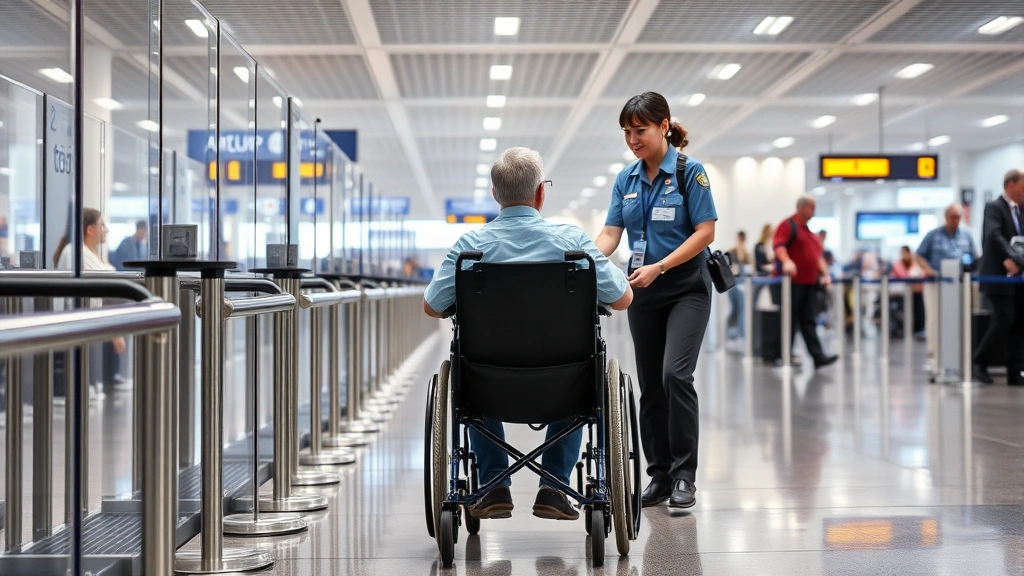
Mobility Aids: Wheelchairs, walkers, canes, and crutches are allowed and should be gate-checked when possible to prevent damage. Request wheelchair assistance at airports if needed—this is a standard accommodation.
Insulin Pumps and Glucose Monitors: These devices pass through security with your medical documentation. Insulin is exempt from liquid restrictions. Carry backup supplies and a letter confirming your diabetes diagnosis and insulin dependency.
Dialysis Equipment: Portable dialysis machines require extensive advance coordination with your airline and destination facility. Obtain detailed medical documentation and contact your dialysis provider at your destination well before travel.
Feeding Tubes and Nutritional Equipment: Tube feeding supplies, pumps, and formulas are permitted. Your medical letter should document the medical condition requiring tube feeding and specify equipment needed.
Each equipment category has unique requirements. When obtaining your medical documentation, ensure your healthcare provider addresses the specific characteristics of your equipment and why it’s essential for your health and safety.
FAQ
What should I include in my medical equipment travel letter?
Your letter should include: your full name and date of birth, the specific medical condition, detailed equipment description (brand, model, serial numbers), physician certification of medical necessity, statement that equipment poses no safety risk, physician signature on official letterhead, date, and contact information. The letter should be clear, professional, and specific to your equipment.
How far in advance should I notify airlines about medical equipment?
Contact your airline at least 48 hours before departure, but 72 hours is ideal. This gives the airline time to note your reservation, ensure appropriate seating, arrange ground assistance, and prepare staff for your specific needs. For complex equipment or international travel, notify airlines 1-2 weeks in advance.
Can I use my medical equipment during the flight?
Most medical equipment can be used during flight with airline approval. Oxygen concentrators, CPAP machines, and other devices are generally permitted, but confirm with your specific airline. You have the legal right to use medically necessary equipment, and airlines must accommodate this under ADA regulations.
What happens if TSA questions my medical equipment?
Present your medical equipment travel letter immediately. TSA officers are trained to handle medical devices, and your documentation expedites the process. You can request private screening if uncomfortable with standard procedures. If you believe your rights were violated, request the TSA supervisor’s contact information and file a complaint with the TSA Office of Civil Rights.
Are medications exempt from liquid restrictions?
Yes, medications and medical liquids (insulin, saline, etc.) are exempt from the 3.4-ounce liquid rule. Declare them separately to TSA officers and keep them accessible during screening. Your medical documentation supports this exemption, though TSA generally accepts medical liquids without additional verification.
What if my medical equipment is damaged during travel?
Document the damage with photos, file a report with the airline immediately, and contact your equipment manufacturer. Your insurance documentation and receipts support claims for replacement or repair. Airlines have liability for equipment damage in many cases, and your medical documentation strengthens your claim.
Can I get a medical equipment travel letter from Arvix Health?
Yes. Arvix Health specializes in medical documentation for travel, accommodations, and legal purposes. Our healthcare providers can prepare comprehensive medical letters confirming your equipment’s medical necessity for travel purposes. We work with you to ensure documentation addresses airline and TSA requirements.
What international documents do I need for medical equipment?
For international travel, obtain an official letter from your physician on letterhead stating the medical necessity of your equipment, specific device details, and confirmation it poses no security risk. Research your destination country’s regulations, as some nations require advance permits or customs documentation. Keep copies of prescriptions, insurance information, and equipment receipts.