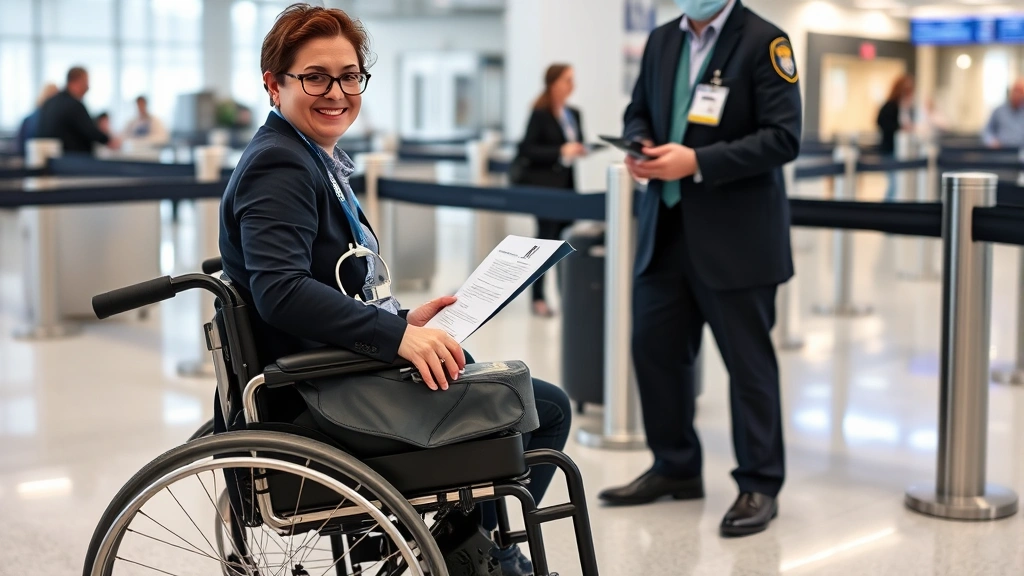
Traveling with Medical Equipment: Court-Approved Guide
When you have a medical condition requiring specialized equipment, traveling—especially when court appearances are involved—can feel overwhelming. Whether you need oxygen, mobility devices, dialysis supplies, or other life-sustaining equipment, understanding your legal rights and how to properly document your needs is essential. A medical equipment travel letter serves as official verification that your equipment is medically necessary, protecting you from delays, confiscation, or denial of access during court proceedings and transportation.
This comprehensive guide explains how to obtain a court-approved medical equipment travel letter, what information it must contain, and how to use it effectively across airlines, courts, and other transportation settings. We’ll walk you through the legal framework, practical steps, and answers to common questions that travelers with medical needs face.

What Is a Medical Equipment Travel Letter?
A medical equipment travel letter is an official document from a licensed healthcare provider that certifies your medical equipment is medically necessary for your health and safety. This letter serves multiple purposes: it provides proof to airlines, courts, and other authorities that your equipment isn’t optional or elective, it explains why you cannot travel without it, and it documents the specific equipment you require.
Unlike a general disability verification letter, a medical equipment travel letter focuses specifically on equipment needs rather than broader functional limitations. It’s a practical tool designed to prevent barriers during travel and legal proceedings. Courts recognize these letters as evidence that accommodations are medically justified, not merely requested for convenience.
The letter becomes especially important when traveling for court dates, as judges and court administrators need assurance that your equipment is genuinely required. This documentation protects your right to bring necessary equipment into courthouses and reduces the risk of security hold-ups or equipment confiscation.
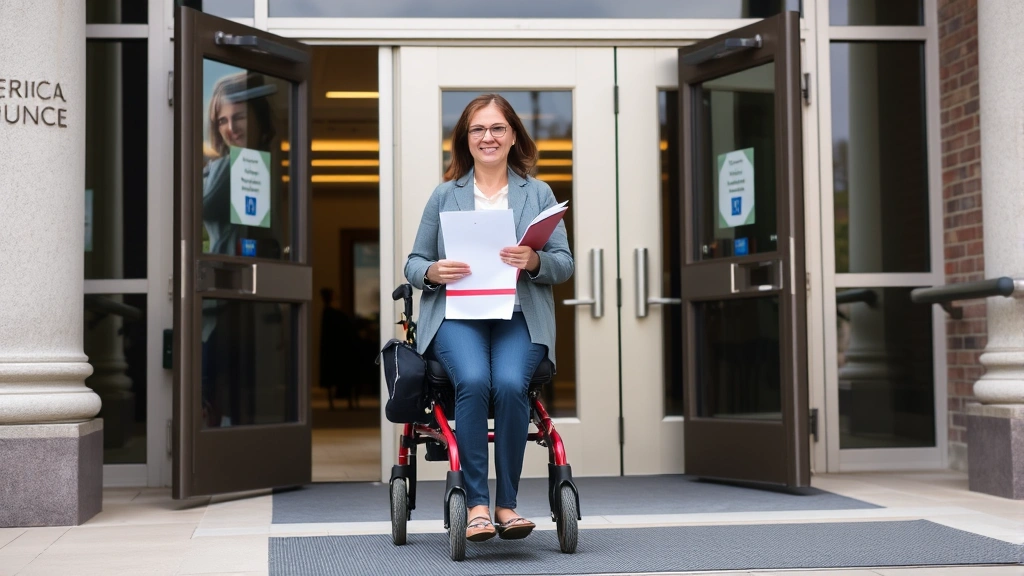
Legal Framework and Court Recognition
Your right to travel with medical equipment is protected under several federal laws. The Americans with Disabilities Act (ADA) requires that public facilities, including courthouses, provide equal access to individuals with disabilities. This includes allowing necessary medical equipment. The Air Carrier Access Act (ACAA) specifically protects passengers traveling with medical devices and equipment on commercial airlines.
Courts recognize medical equipment travel letters as legitimate documentation because they come from licensed healthcare providers. When a physician certifies that equipment is medically necessary, courts treat this as evidence that cannot be arbitrarily dismissed. However, the letter must be properly formatted and contain specific information to hold legal weight.
The ADA.gov website provides detailed guidance on disability accommodations in public spaces, including courthouses. Additionally, the Job Accommodation Network (JAN) offers resources on medical documentation standards that many courts reference when evaluating accommodation requests.
Types of Medical Equipment Covered
Medical equipment travel letters apply to a wide range of devices and supplies. Common examples include:
- Oxygen equipment: Portable oxygen concentrators, liquid oxygen systems, and oxygen cylinders
- Mobility devices: Wheelchairs, walkers, canes, crutches, and motorized scooters
- Respiratory equipment: CPAP machines, BiPAP devices, and ventilators
- Dialysis supplies: Portable dialysis machines and associated medical supplies
- Insulin pumps and glucose monitors: Diabetes management equipment
- Feeding tubes and nutritional support: Enteral feeding pumps and supplies
- Pain management devices: TENS units and other therapeutic equipment
- Communication devices: Speech-generating devices for individuals with speech disabilities
- Medical alert systems: Devices for monitoring heart conditions or seizure activity
If your equipment is life-sustaining or medically necessary for daily functioning, it qualifies for documentation. The key criterion is whether removing the equipment would create a health risk or significantly impair your ability to function.
How to Obtain Your Medical Equipment Travel Letter
Obtaining a court-approved medical equipment travel letter is straightforward. Here are the steps:
- Schedule an appointment with your healthcare provider. Contact your primary care physician, specialist, or the provider who manages your medical condition. If you use a telehealth service, many providers can issue letters remotely.
- Request a specific letter type. Ask your provider to write a “medical equipment travel letter” or “medical necessity letter for equipment.” Be specific about which equipment you need documented.
- Provide necessary information. Give your provider details about your upcoming travel, court date, and specific equipment. The more specific you are, the more useful the letter will be.
- Ensure proper formatting. The letter should be on official letterhead, signed and dated by the provider, and include their license number and contact information.
- Request multiple copies. Get at least 3-5 copies. You’ll want originals for different purposes: one for the court, one for airline check-in, and extras for backup.
- Keep copies secure. Store copies in your carry-on bag, checked luggage, and with your court documents.
If you don’t have an established relationship with a healthcare provider, obtaining a disability verification letter from a licensed doctor through a telehealth platform can be expedited, often same-day.
Essential Components of an Approved Letter
For a medical equipment travel letter to be recognized by courts and travel authorities, it must contain specific elements:
- Provider credentials: Full name, title (MD, DO, NP, PA), medical license number, and state of licensure
- Official letterhead: The letter must be printed on the provider’s official medical office letterhead with contact information
- Your identifying information: Your full legal name, date of birth, and patient ID number (if applicable)
- Clear statement of medical necessity: A direct statement that the equipment is medically necessary for your health and safety
- Specific equipment description: Exact names and models of equipment being transported
- Functional limitations explained: Brief explanation of your medical condition and why the equipment is required
- Duration of need: Whether the equipment is needed short-term (for travel period) or ongoing
- Travel dates: Specific dates of your court appearance or travel
- Signature and date: Original signature (not stamped) and current date
- Provider contact information: Phone number and office address for verification purposes
Courts and TSA agents verify letters by contacting the provider directly, so accurate contact information is critical. The letter should be written in professional medical language but remain understandable to non-medical personnel.
Using Your Letter for Court Appearances
When traveling to a court appearance with medical equipment, your letter serves as your primary documentation. Here’s how to use it effectively:
Before your court date: Send a copy of your letter to the court clerk or judge’s administrative assistant at least one week in advance. Include a cover letter explaining that you’ll be arriving with medical equipment and requesting confirmation that the equipment will be permitted in the courthouse. This gives court staff time to prepare and prevents last-minute complications.
At courthouse security: Have your letter readily accessible in your carry bag or pocket. When you encounter security screening, present the letter proactively. Explain that you have medically necessary equipment and provide the documentation. Most courthouse security personnel are trained to recognize these letters and will process you accordingly.
During the proceeding: If the judge questions your equipment, your letter provides legal documentation supporting your accommodation. You may want to bring extra copies to provide to opposing counsel or the court if needed.
For remote court appearances: If you’re appearing remotely, your letter may still be useful if the court requires documentation of your setup or if you need to bring equipment visible on camera. Send it to the court in advance with your technical setup explanation.
Consider pairing your equipment letter with a doctor letter for accommodation requests if you need lodging near the courthouse that accommodates your equipment needs.
Travel Tips and Best Practices
Beyond obtaining your letter, several strategies ensure smooth travel with medical equipment:
Airline notification: Contact your airline at least 48 hours before travel. Inform them of your equipment and provide a copy of your letter. Different airlines have different policies, and advance notice prevents problems at the gate. The Air Carrier Access Act requires airlines to accommodate medically necessary equipment, but they appreciate advance warning.
TSA PreCheck and CLEAR: Consider enrolling in TSA PreCheck or CLEAR if you travel frequently with equipment. These programs expedite security screening and reduce time spent explaining your needs.
Equipment maintenance: Bring backup batteries, chargers, and supplies. Travel delays happen, and you need enough resources to last longer than planned. Keep equipment in your carry-on when possible—checked baggage can be delayed or lost.
Documentation organization: Create a travel folder containing your medical equipment letter, airline policies, court information, and provider contact details. Keep physical copies and digital backups (photographed or scanned).
Medical alert identification: Wear medical alert jewelry or carry a medical alert card listing your equipment and provider contact information. If you experience an emergency, first responders will understand your medical needs.
Accessibility planning: When booking travel, confirm that your destination accommodates your equipment. Check hotel accessibility features, courthouse accessibility, and transportation options that can handle your specific equipment.
Insurance and coverage: Verify that your equipment and any supplies needed during travel are covered by your insurance. Some policies have travel restrictions or require pre-authorization for equipment use outside your home state.
FAQ
How long is a medical equipment travel letter valid?
Most letters are valid for one year from the date of issue. For court appearances, request a letter dated within 30 days of your court date for maximum acceptance. If your condition or equipment changes, request an updated letter from your provider.
Can I use a telehealth provider’s letter for court purposes?
Yes, provided the telehealth provider is a licensed physician (MD or DO) or qualified nurse practitioner or physician assistant in your state. The letter must include their license number, state of licensure, and verifiable contact information. Telehealth platforms like Arvix Health can provide doctor notes through telehealth that meet court standards.
What if my equipment is denied at courthouse security?
Present your medical equipment travel letter immediately. If security still refuses, ask to speak with a supervisor and reference the ADA and your state’s accommodation laws. If the issue persists, contact a disability rights organization or attorney. Most courthouses have accommodations procedures for exactly this situation.
Do I need separate letters for different types of equipment?
One comprehensive letter can cover multiple pieces of equipment if they’re all medically necessary. However, if you have multiple distinct medical conditions managed by different providers, having separate letters from each provider strengthens your documentation.
Can I travel internationally with medical equipment?
International travel requires additional documentation. Contact your destination country’s customs and health authorities. Your medical equipment letter helps, but you may need specific import permits or medical certificates. Airlines also have different international policies—contact them early in your planning process.
What should I do if my equipment malfunctions during travel?
Keep your provider’s contact information with you. Seek local medical care immediately if the malfunction affects your health. For non-urgent issues, contact your provider by phone for guidance. Travel insurance that covers medical equipment is valuable backup.
Is a medical equipment travel letter the same as a disability verification letter?
No. A disability verification letter documents functional limitations and disability status broadly. A medical equipment travel letter specifically certifies that certain equipment is medically necessary. Both can be useful—the equipment letter is more specific for travel and court purposes.
Can my equipment letter be used for housing accommodations?
Equipment letters and housing accommodation letters serve different purposes. However, if you need housing that accommodates your equipment (electrical outlets, space for equipment, accessibility), you may benefit from a doctor letter for housing accommodation in addition to your equipment travel letter.