

Travel with Medical Equipment: Employer Letter Guide
Traveling for work while managing a medical condition that requires specialized equipment presents unique challenges. Whether you depend on oxygen therapy, CPAP machines, insulin pumps, mobility aids, or other essential medical devices, your employer needs to understand your accommodation requirements to ensure safe and compliant travel. A medical equipment travel letter from your healthcare provider serves as official documentation that legitimizes your equipment needs and helps prevent delays, confiscation, or discrimination at airports, hotels, and workplace facilities.
This comprehensive guide explains how to obtain an employer letter for medical equipment travel, what information it should contain, and how to use it effectively across different travel scenarios. Whether you’re traveling domestically or internationally, understanding your rights and having proper documentation ensures you can maintain your health regimen without unnecessary obstacles.
Why Your Employer Needs a Medical Equipment Travel Letter
Your employer has legal obligations under the Americans with Disabilities Act (ADA) to provide reasonable accommodations for employees with disabilities. When travel is part of your job, this includes accommodating your medical equipment needs. A formal letter from your doctor establishes medical necessity, removing ambiguity and protecting both you and your employer.
Without proper documentation, you may face:
- Delays or confiscation of medical equipment at airport security
- Hotel staff refusing to accommodate equipment storage or power requirements
- Employer reimbursement denials for equipment-related travel costs
- Discrimination or skepticism about your actual medical needs
- Complications with rental car companies or ground transportation
- Workplace misunderstandings about why you require specific accommodations
A detailed medical equipment travel letter from your healthcare provider serves as official verification that eliminates these barriers. It demonstrates that your equipment needs are legitimate medical requirements, not preferences, which is crucial for gaining cooperation from airlines, hotels, and your employer’s human resources department.
Essential Components of an Effective Letter
A strong medical equipment travel letter should include specific elements that address both employer concerns and practical travel logistics:
- Your full legal name and date of birth – ensures the letter matches your identification
- Specific medical diagnosis – establishes the medical basis for equipment use
- Detailed equipment description – list every device you travel with (oxygen concentrator, CPAP machine, insulin pump, etc.)
- Medical necessity statement – explains why the equipment is essential for your health and safety
- Usage frequency and timing – clarifies how often you need the equipment during travel days
- Power and storage requirements – specifies electrical outlets, climate control, or space needs
- Functional limitations without equipment – describes what happens if you cannot use your equipment
- Travel-specific accommodations needed – addresses airport security, hotel setup, and workplace considerations
- Doctor credentials and contact information – allows verification of the letter’s authenticity
- Letterhead and official signature – provides formal medical verification
The letter should be written in professional medical language but remain clear enough for non-medical personnel to understand. Avoid overly technical jargon that might confuse hotel staff or TSA agents, while maintaining clinical accuracy that establishes legitimacy.
Travel Accommodations for Different Equipment Types
Different medical equipment requires different travel accommodations. Your letter should address the specific needs of your devices:
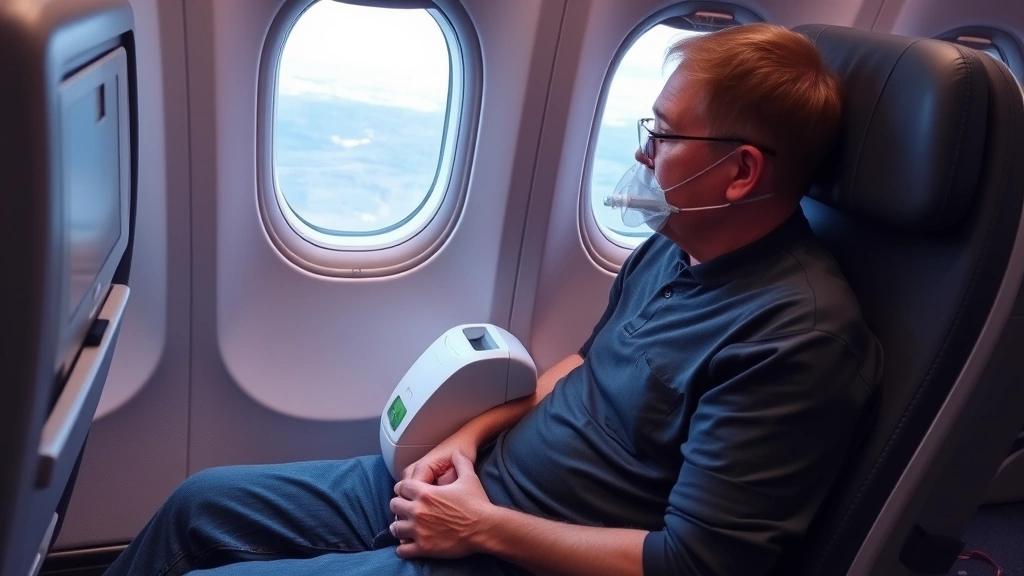
Oxygen Equipment: Portable oxygen concentrators require electrical outlets and may need TSA notification. Your letter should specify flow rates, backup battery requirements, and the need for accessible seating near power sources on flights. Airlines must allow oxygen equipment as a medical aid under ADA guidelines.
CPAP and Sleep Apnea Devices: These require nighttime power access and climate-controlled hotel rooms. Your letter should emphasize that consistent use is medically necessary and that sleep disruption poses health risks. TSA allows CPAP machines through security without special clearance.
Insulin Pumps and Glucose Monitors: Temperature-sensitive equipment needs climate-controlled transportation and storage. Your letter should address the need for refrigeration options and explain that temperature exposure can damage equipment or medication efficacy.
Mobility Aids: Wheelchairs, walkers, and other mobility devices require accessible transportation and hotel accommodations. Your letter should specify whether you need accessible parking, ground-floor hotel rooms, or accessible rental vehicles. For more details on ground floor accommodation requests, review best practices for accessibility requirements.
Dialysis and IV Equipment: Portable dialysis machines or IV pumps require medical-grade electrical outlets and specialized setup. Your letter should specify the daily time commitment and any specialized training your employer’s facilities need to provide.
Ventilators and Respiratory Support: These require backup power systems, medical oversight, and emergency protocols. Your letter should address backup power needs, medical personnel requirements, and emergency contacts.
TSA, Airport, and International Travel Requirements
The Transportation Security Administration (TSA) has specific policies for medical equipment. Your letter should reference TSA compliance:
- TSA PreCheck eligibility: Some medical equipment users qualify for expedited screening. Your letter can support a PreCheck application by documenting medical necessity.
- Medical device notification: Inform TSA agents about your equipment at the checkpoint. Your letter provides documentation supporting your disclosure.
- Liquid medication exceptions: If your equipment uses liquid medications (insulin, saline), your letter should specify quantities exceeding the 3.4-ounce rule to obtain TSA exceptions.
- Gel packs and cooling elements: Temperature-sensitive equipment may travel with frozen gel packs. Your letter should explain this medical necessity.
- Power banks and batteries: Backup power for medical equipment has different TSA rules than consumer electronics. Your letter should specify medical-grade battery requirements.
For international travel, your letter becomes even more critical. Different countries have varying regulations for medical equipment importation. Your letter should include:
- Equipment model numbers and serial numbers for customs declaration
- Statement that equipment is for personal medical use, not commercial purposes
- Duration of travel and temporary vs. permanent importation status
- Verification that equipment complies with destination country electrical standards
Contact the destination country’s embassy or consulate before traveling to confirm equipment regulations. Your doctor’s letter provides the medical documentation they may require.
How to Request the Letter from Your Healthcare Provider
Requesting a medical equipment travel letter requires clear communication with your healthcare provider. Follow these steps:
- Schedule an appointment or call your doctor’s office – don’t submit this request via patient portal alone, as it may get lost. Speak directly with your physician or their medical assistant.
- Explain your travel situation clearly – specify whether travel is for work, how frequently you travel, and which destinations you’ll visit.
- Provide a template or example – offer your employer’s accommodation request form or a sample letter. This helps your doctor understand exactly what information you need.
- Request specific details – ask your doctor to address the particular accommodations you need (hotel power access, TSA notification, airline seating, etc.).
- Specify delivery timeline – let your doctor know when you need the letter (ideally 2-3 weeks before your first trip).
- Ask for digital and printed copies – request both PDF and official letterhead versions for different uses.
- Confirm authenticity features – ensure the letter includes the doctor’s signature, credentials, contact information, and office letterhead.
If your primary care physician is unfamiliar with your medical equipment, request a letter from the specialist who manages that condition. For example, a pulmonologist for oxygen equipment or an endocrinologist for insulin pumps.
Using Your Letter at Work and During Travel
Once you have your medical equipment travel letter, use it strategically across different travel scenarios:
With Your Employer: Submit the letter to your Human Resources department when requesting travel accommodations. Include it with your travel request form or accommodation request. This creates official documentation of your needs and protects both parties. If your employer arranges corporate travel through a third party, provide copies to the travel agency as well.
At Airports: Keep your letter in your carry-on bag, not checked luggage. When TSA screening begins, proactively inform agents about your medical equipment and present your letter. This prevents confusion and speeds the screening process. Some airports have TSA medical device lanes specifically for passengers with equipment.
With Airlines: When booking flights, notify the airline of your equipment needs. Provide your letter to the airline’s special services desk when requested. Airlines may need to arrange specific seating (near outlets for powered devices) or notify flight crews about your equipment.
At Hotels: When making hotel reservations, mention your equipment needs and provide a copy of your letter. Request a room near an outlet for powered equipment, or specify climate control needs for temperature-sensitive devices. Provide the hotel with your doctor’s contact information in case staff have questions.
For Ground Transportation: If renting a vehicle, inform the rental company about equipment that requires power or special storage. Your letter supports requests for vehicles with functioning power outlets or specific climate control features.
International Travel: Carry certified copies of your letter in your passport or travel documents. If customs officials question your equipment, your letter provides immediate medical verification. Consider having your letter translated into the destination language for international trips.

Legal Protections and Your Rights
Your right to travel with medical equipment is protected by federal disability law. The ADA requires employers to provide reasonable accommodations for employees with disabilities, including work-related travel accommodations. The Equal Employment Opportunity Commission (EEOC) enforces these requirements.
Airlines are regulated by the Department of Transportation and must comply with the Air Carrier Access Act, which prohibits discrimination based on disability. Medical equipment is considered a disability aid and must be accommodated. The Job Accommodation Network (JAN) provides free guidance on workplace accommodations, including travel-related needs.
Your medical equipment travel letter serves as evidence of your medical need, which shifts the burden from you proving your condition to your employer or airline proving why they cannot accommodate you. This is a significant legal advantage.
If you face discrimination or denial of accommodations despite presenting a medical letter:
- Document all interactions, including dates, names, and what was said
- Request written explanations for any accommodation denials
- File complaints with the EEOC (workplace discrimination) or DOT (airline discrimination)
- Contact disability rights organizations for legal support
- Consult with an employment attorney specializing in disability law
For housing accommodations related to travel, understand your rights to break a lease for health reasons if relocation becomes medically necessary. Similarly, if your travel-related health changes require lease modifications for medical necessity, your doctor can provide supporting documentation.
FAQ
How long is a medical equipment travel letter valid?
Most medical equipment travel letters remain valid for one year from the date of issue. However, if your condition, equipment, or medical needs change, request an updated letter. Some employers or airlines may request letters dated within the last 6 months, so plan accordingly.
Can I get a letter if I don’t have a regular doctor?
Yes. You can obtain a letter from any licensed healthcare provider who has documented knowledge of your medical condition and equipment needs. This includes specialists, nurse practitioners, physician assistants, or telehealth providers. However, the letter carries more weight if it comes from the physician who manages your condition. Explore telehealth accommodation options if you lack access to in-person care.
What if my employer denies travel accommodations despite my letter?
This may constitute ADA discrimination. Document the denial in writing, request a written explanation, and file a complaint with the EEOC. Contact the Job Accommodation Network for free consultation on your rights and next steps.
Do I need different letters for different destinations?
One comprehensive letter addressing your equipment needs generally suffices for multiple destinations. However, if traveling internationally to countries with strict medical equipment regulations, request a letter specifically mentioning that country’s requirements. Your doctor can add supplemental language for international travel.
Can airlines refuse my medical equipment?
No. Under the Air Carrier Access Act, airlines cannot refuse medically necessary equipment. However, they may require advance notice or specific documentation. Your letter supports your right to bring equipment aboard.
Should I mention my equipment to TSA before or after the x-ray?
Mention it before x-ray screening. Inform the TSA agent at the beginning of the screening process that you have medical equipment. Present your letter proactively. This allows TSA to use appropriate screening methods that won’t damage your equipment.
What if my equipment requires refrigeration during travel?
Your letter should specify refrigeration requirements. Airlines provide coolers or access to refrigeration for medical supplies. Hotels will refrigerate medications or equipment if you request it when checking in. Provide your letter to hotel staff when making this request.
Can I get reimbursed for equipment-related travel costs?
This depends on your employer’s policy. Your medical equipment travel letter supports reimbursement claims by documenting that costs (such as hotel power requirements, airline seat selection, or equipment transportation) are medically necessary rather than optional upgrades. Submit your letter with reimbursement requests.
Do I need a separate letter for each trip?
No. One letter typically covers multiple trips for one year. However, if your medical situation changes significantly or you acquire new equipment, request an updated letter before traveling.
What if my letter is questioned at the airport?
TSA agents can verify your doctor’s credentials by calling the office number on the letterhead. Provide your doctor’s full contact information in the letter to facilitate verification. If a TSA agent seems skeptical, remain calm and ask to speak with a supervisor. Your legal right to travel with medically necessary equipment is well-established.