Traveling with Medical Equipment: Doctor’s Letter Tips
Traveling with medical equipment can feel daunting, especially when navigating airport security, airline policies, and transportation requirements. A legitimate medical equipment travel letter from your doctor is one of your most powerful tools for ensuring smooth journeys and protecting your health needs. This comprehensive guide explains what makes a doctor’s letter legitimate, how to obtain one, and how to use it effectively when traveling.
Whether you’re flying with oxygen tanks, dialysis supplies, insulin pumps, mobility devices, or other essential medical equipment, having proper documentation significantly reduces stress and prevents delays. A well-crafted letter serves as official verification of your medical necessity and can help you navigate TSA screening, airline accommodations, and international travel requirements with confidence.
What Makes a Medical Equipment Travel Letter Legitimate
A legitimate medical equipment travel letter must come from a licensed healthcare provider who has direct knowledge of your medical condition and treatment needs. The letter should be written on official letterhead, include your doctor’s credentials, contact information, and signature, and clearly establish the medical necessity of your equipment. Vague or generic letters may be questioned by TSA agents or airline staff.
Legitimacy also depends on specificity and currency. Your letter should clearly identify the exact equipment you’re traveling with—not just “medical supplies” but rather “portable oxygen concentrator, Model X” or “insulin infusion pump with associated supplies.” The letter should be dated within 12 months of your travel date, as outdated documentation may be rejected. A legitimate letter demonstrates that your doctor understands your specific medical situation and the role your equipment plays in your treatment plan.
The difference between a legitimate letter and a generic template cannot be overstated. Airlines and TSA personnel are trained to spot form letters or documents that don’t reflect genuine medical relationships. Your letter should be personalized to your condition, your specific equipment, and your travel circumstances. This authenticity is what carries legal and practical weight during your journey.
Key Components of an Effective Doctor’s Letter
An effective medical equipment travel letter should include several essential components to maximize its credibility and usefulness. First, it must be on official medical letterhead with your doctor’s full name, medical license number, clinic or hospital name, address, phone number, and fax number. This allows TSA and airline staff to verify the letter’s authenticity if needed.
The letter should clearly state your diagnosis or medical condition in professional medical language. Rather than vague descriptions, use specific terminology: “Type 1 diabetes mellitus” instead of “blood sugar problems,” or “chronic obstructive pulmonary disease” instead of “breathing issues.” This demonstrates medical legitimacy and helps personnel understand why your equipment is necessary.
Your letter must explicitly describe each piece of equipment you’re traveling with, including brand names and model numbers when applicable. For example: “The patient requires a ResMed AirMini portable CPAP machine for sleep apnea management” is far more effective than “the patient needs a sleep machine.” Include the frequency of use, dosage information if relevant (such as oxygen flow rates), and why the equipment cannot be replaced or omitted during travel.
The letter should address common traveler concerns directly. If you’re carrying medication, specify whether it requires refrigeration, special handling, or specific storage conditions. If your equipment has batteries, explain why you need to carry extras. If you require frequent breaks or specific accommodations due to your equipment use, mention this explicitly. A statement like “The patient requires access to electrical outlets every 4-6 hours to recharge medical equipment” gives TSA agents specific, actionable information.
Finally, the letter should include a clear statement from your doctor confirming that the equipment is medically necessary for your health and safety during travel. This direct professional endorsement carries significant weight with airport personnel and can prevent equipment from being confiscated or stored in cargo.
How to Request a Travel Letter from Your Physician
Requesting a medical letter from your physician requires clear communication and adequate advance notice. Schedule an appointment or call your doctor’s office at least 2-3 weeks before your travel date. This gives your healthcare provider time to prepare a thorough letter without rushing.
When you contact your doctor, be specific about your request. Say: “I’m traveling by air on [date] with [specific equipment]. I need a letter from you documenting that this equipment is medically necessary for my health and safety.” Provide your doctor with your travel dates, destinations, and a complete list of all equipment and medications you’ll be carrying. This specificity helps your doctor write a comprehensive, relevant letter.
Some patients find it helpful to draft a brief outline of what they’d like the letter to address, without writing the letter itself. Your doctor should always write the letter in their own words, but your outline can serve as a helpful reminder of key points. You might note: “oxygen flow rate of 2 liters per minute,” “need for portable power banks,” or “dietary restrictions related to my condition.” Your doctor can then incorporate these details into their professional letter.
Ask your doctor for multiple printed copies on official letterhead—request at least 3-5 copies. Keep originals in your carry-on bag and copies in checked luggage. Some travelers also request a PDF version they can print themselves if needed. Having multiple copies prevents the need to locate your doctor if one copy is lost or if different personnel request to see your documentation.
If your doctor is hesitant to write a travel letter, explain that this is standard practice for patients traveling with medical equipment. Reference TSA guidelines and airline policies that specifically request medical documentation. If your doctor still refuses, you may need to seek a second opinion from another healthcare provider who can document your medical necessity.

TSA and Airline-Specific Requirements
The TSA has specific guidelines for medical equipment and devices. According to their official policy, you can carry medical devices and equipment in both carry-on and checked baggage. However, equipment must be properly declared and may be subject to additional screening. Your doctor’s letter significantly streamlines this process by providing official verification of medical necessity.
When passing through TSA security, inform the agent that you’re carrying medical equipment. Present your doctor’s letter along with the equipment. TSA agents are trained to handle medical devices carefully and respectfully. Your letter helps agents understand what they’re screening and why it’s important. Equipment like CPAP machines, insulin pumps, and portable oxygen concentrators are commonly approved for travel when properly documented.
Different airlines have varying policies for medical equipment. Some airlines allow you to carry CPAP machines, portable oxygen concentrators, and dialysis supplies at no extra charge, while others may have specific size or weight restrictions. Contact your airline before traveling and ask specifically about your equipment. Many airlines request medical documentation, and your doctor’s letter is the gold standard for this purpose.
Airlines may also ask whether your equipment requires power during flight. If your portable oxygen concentrator or other device needs electricity, inform the airline in advance. Some airlines provide power outlets at seats, while others may need advance notice to accommodate your needs. Your doctor’s letter can reinforce that continuous power access is medically necessary, which strengthens your request for accommodation.
For international travel, check the regulations of your destination country and any countries you’ll transit through. Some nations have strict rules about importing medical devices. Your doctor’s letter, combined with equipment documentation from the manufacturer, helps customs officials understand that your equipment is for personal medical use and not for resale.
International Travel Considerations
International travel with medical equipment requires additional documentation beyond your doctor’s letter. While your letter is crucial, you may also need to carry your equipment’s user manual, a copy of your prescription, and documentation from the manufacturer. Some countries require advance notification when importing medical devices.
Consider obtaining an international health certificate or travel document from your healthcare provider that’s specifically formatted for international travel. This may include translations of key information into languages spoken at your destination. Some countries have reciprocal agreements with the United States regarding medical equipment, but others have unique requirements.
If you’re traveling to a country where you don’t speak the language, ask your doctor to include a brief statement in your letter that could be translated, such as: “This patient requires [specific equipment] for medical treatment and should not be separated from this equipment.” You can then have this statement translated into your destination language by a professional translator.
Research whether your destination country allows your specific medications and equipment. For example, some countries restrict certain types of syringes or have regulations about portable oxygen concentrators. The U.S. State Department website provides country-specific travel information that may address medical equipment regulations. Your doctor’s letter should address these concerns by clearly explaining your medical necessity.
Using Your Letter at Airports and Security
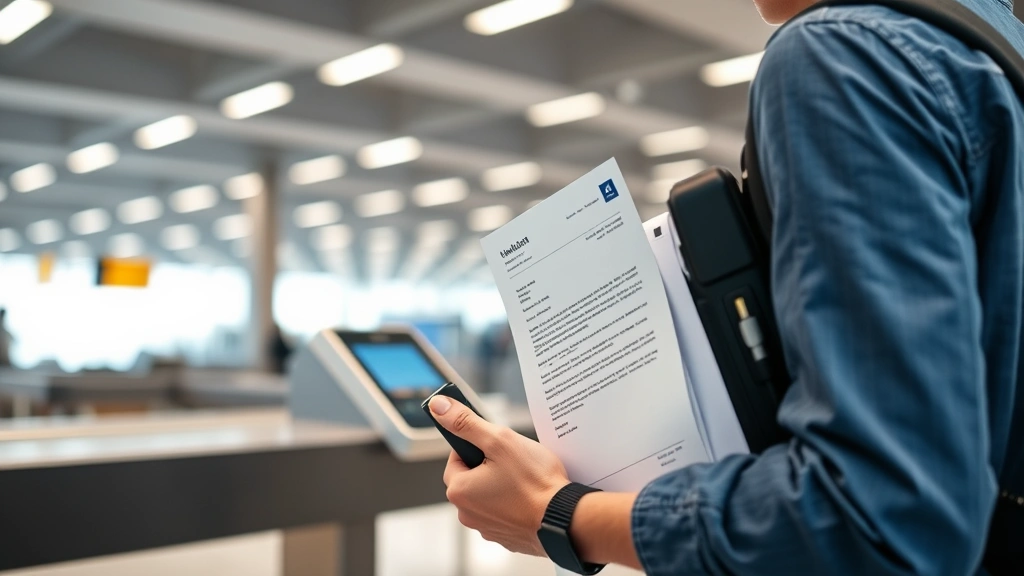
Knowing how to effectively present your doctor’s letter at airports maximizes its usefulness and prevents delays. Have your letter easily accessible in your carry-on bag, not buried in checked luggage. When you reach TSA screening, proactively inform the agent: “I’m traveling with medical equipment. Here’s my doctor’s letter explaining my medical necessity.”
Present your letter before the agent asks for it. This demonstrates that you’re prepared and knowledgeable about travel requirements. TSA agents appreciate clear communication and proper documentation. Hand them your letter along with your ID and boarding pass. The agent may want to examine your equipment, so have it readily available and accessible.
If an agent questions your equipment or letter, remain calm and respectful. Provide clear, factual information about your medical condition and why the equipment is necessary. Your doctor’s letter gives you credibility and backing. If an agent seems uncertain, you can offer to have them call your doctor’s office to verify the information, though this is rarely necessary with a comprehensive letter.
Be aware that some TSA agents may not be familiar with certain medical devices. Your letter bridges this knowledge gap by providing professional medical explanation. If you encounter resistance, politely ask to speak with a TSA supervisor who may have more experience with medical equipment. Keep your demeanor professional and cooperative—TSA agents are more likely to work with you when you’re respectful and well-documented.
At the airline gate, you may need to present your letter again. Keep a copy easily accessible throughout your journey. When boarding, inform the flight attendant about your equipment and its requirements. If your equipment needs power or special accommodation during the flight, reference your doctor’s letter as justification for your request.
Common Mistakes to Avoid
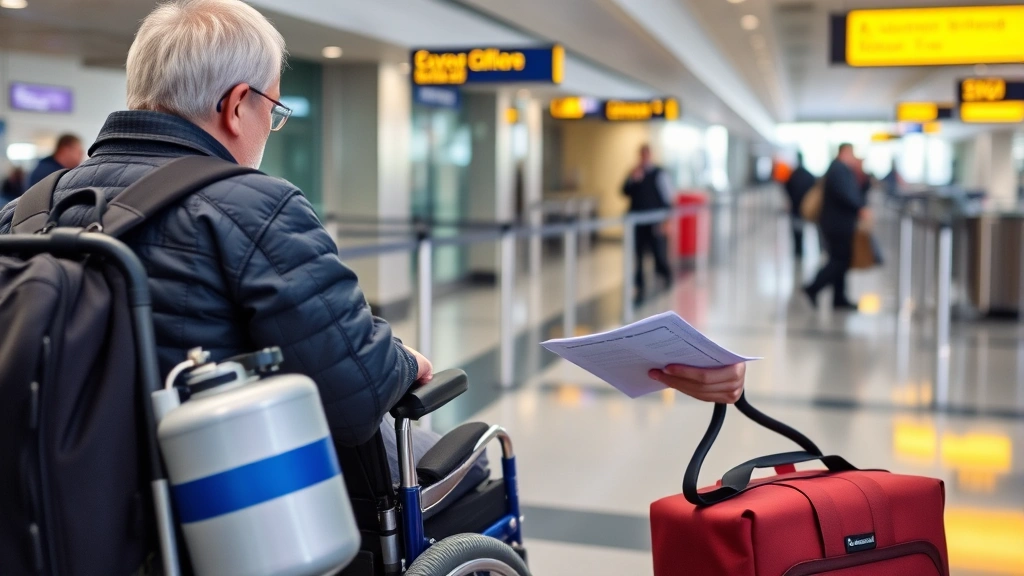
Many travelers make preventable mistakes when preparing medical equipment travel letters. The most common error is requesting a letter too close to your travel date. Doctors’ offices need time to schedule appointments and prepare documentation. Requesting a letter one week before travel often results in rushed, less comprehensive letters or missed deadlines.
Another mistake is accepting a generic template letter that could apply to any patient with your condition. Your letter should be personalized to your specific situation, equipment, and travel plans. Generic letters are often questioned by TSA and airline personnel and carry less weight. Insist that your doctor write a letter specific to you and your upcoming trip.
Some travelers fail to request multiple printed copies on official letterhead. Having only one copy creates risk—if it’s lost, damaged, or requested for verification purposes, you’re without documentation. Request at least 3-5 copies plus a PDF version. Store copies in different bags so losing one doesn’t leave you without backup documentation.
Travelers sometimes omit critical details from their letters, such as specific equipment model numbers, medication dosages, or power requirements. These details are essential for TSA and airline personnel to understand your needs. Work with your doctor to ensure your letter includes specific, actionable information rather than vague medical descriptions.
Failing to research airline-specific policies is another common mistake. Each airline has different rules for medical equipment, and some have specific forms they prefer or require. Contact your airline before your appointment with your doctor so you can ask your physician to address airline-specific requirements in your letter.
Some patients wait until airport security to disclose their medical equipment. Proactive disclosure is far more effective than waiting to be questioned. Inform TSA agents immediately upon reaching the checkpoint, before they ask. This demonstrates preparedness and respect for security procedures.
FAQ
How recent should my doctor’s letter be for travel?
Your letter should ideally be dated within 12 months of your travel date. For extended trips or round-the-world travel lasting several months, a letter dated within 6 months is safer. If your medical condition has changed significantly since your last letter, request a new one rather than relying on an older document.
Can I use a telehealth doctor’s letter for travel with medical equipment?
Yes, a letter from a telehealth provider can be legitimate if the provider is licensed and has established a medical relationship with you. However, the letter must be on official letterhead with the provider’s credentials and contact information. Some airlines prefer letters from in-person healthcare providers, so check with your specific airline if possible. When using a telehealth provider, ensure they understand your equipment thoroughly and can write a comprehensive letter.
What if my doctor refuses to write a travel letter?
If your doctor refuses, ask why. Often, doctors simply need clarification about what you’re requesting. Explain that this is standard practice for medical travelers and provide examples of what the letter should include. If your doctor still refuses, you have the right to seek a second opinion from another healthcare provider. Your health and safety during travel are legitimate medical concerns that warrant documentation.
Should I carry my prescription along with my doctor’s letter?
Yes, carrying both your doctor’s letter and relevant prescriptions provides comprehensive documentation. Prescriptions verify that your medications and equipment are legitimately prescribed by a licensed provider. For medications, carry prescriptions in their original bottles with your name and dosage clearly labeled. This combination of documentation is more powerful than either document alone.
Can my doctor email me a letter instead of printing it on letterhead?
Email versions may be helpful for your records, but TSA and airlines require printed letters on official medical letterhead for airport security. Email letters lack the official formatting and signature that make documents credible. Always request printed copies on official letterhead. You can ask your doctor’s office to email you a PDF that you then print, but the original letterhead version is essential for travel.
Do I need different letters for different countries?
One comprehensive letter from your U.S. doctor is typically sufficient for international travel. However, some countries have specific requirements or prefer information in their language. Consider having your doctor include a brief statement about your medical necessity that you can have professionally translated. For countries with particularly strict medical device regulations, consult your doctor about whether an additional country-specific letter would be helpful.
What should I do if TSA confiscates my equipment despite my letter?
This is rare with proper documentation, but if it occurs, remain calm and ask for a supervisor. Request that they contact your doctor to verify the information. Ask for written documentation explaining why your equipment was confiscated and under what authority. Contact your airline and your doctor immediately. Organizations like the Disability Rights organizations can provide advocacy support if your equipment is wrongfully confiscated.
Can I use a letter from a nurse practitioner or physician assistant instead of a doctor?
Yes, letters from nurse practitioners and physician assistants are generally acceptable if they’re licensed and have direct knowledge of your medical condition. However, letters from physicians carry slightly more weight in security situations. If you see a nurse practitioner or PA regularly, ask them to write your letter—it’s better to have current documentation from a provider who knows you than to seek out a physician you haven’t seen recently.