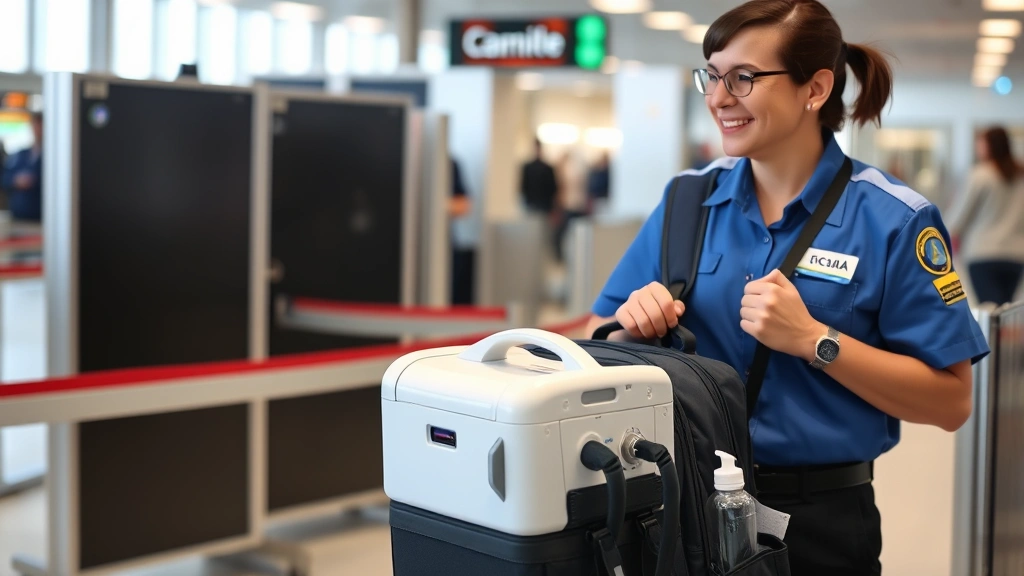
Traveling with Medical Equipment: Official Letter Guide
Traveling with medical equipment can feel daunting, especially when navigating airport security, airline policies, and international regulations. Whether you rely on oxygen concentrators, CPAP machines, insulin pumps, mobility devices, or other essential medical equipment, having proper documentation is crucial for smooth travel. An official medical equipment travel letter from your healthcare provider serves as your key to hassle-free transportation, allowing you to carry necessary equipment without unnecessary delays or confiscation.
This comprehensive guide explains what medical equipment travel letters are, why they matter, how to obtain one, and what to include to ensure airlines, customs officials, and security personnel recognize your equipment as medically necessary. With the right letter, you can travel with confidence, knowing your health needs are properly documented and protected.
What Is a Medical Equipment Travel Letter?
A medical equipment travel letter is an official document written by your healthcare provider that certifies you have a medical condition requiring specific equipment for your health and safety. This letter confirms that your equipment is medically necessary, not a prohibited item, and should be allowed through security checkpoints and onto aircraft. The letter serves as evidence to transportation security, customs authorities, and airline personnel that your equipment is legitimate medical apparatus, not a potential security threat.
Unlike generic medical documentation, a travel-specific letter addresses the unique concerns of transportation authorities. It includes your diagnosis, the equipment’s purpose, how frequently you use it, and why it cannot be safely stowed in checked baggage. This targeted approach helps expedite the security screening process and reduces the likelihood of your equipment being confiscated or delayed.
The letter is particularly valuable for travelers with chronic conditions who depend on equipment for daily functioning. It provides legal protection and documentation that validates your medical needs to any authority questioning your equipment during travel.
Why You Need an Official Medical Equipment Travel Letter
Traveling without proper documentation for medical equipment creates unnecessary risks and potential complications. Here’s why an official letter is essential:
- TSA Pre-Check Authorization: Security personnel need verification that your equipment isn’t a concealed prohibited item. An official letter expedites screening and reduces delays at checkpoints.
- Airline Policy Compliance: Different airlines have varying rules about medical equipment in carry-on versus checked baggage. A letter from your doctor helps airlines understand your specific needs and make appropriate accommodations.
- International Travel Protection: Customs and border authorities in foreign countries may question unfamiliar medical devices. An official letter in English (and potentially translated) provides legal documentation of medical necessity.
- Equipment Safety: Some equipment cannot withstand baggage handling or cargo hold pressure changes. A letter documenting this prevents your equipment from being placed in dangerous conditions.
- Liability Protection: Official documentation protects both you and transportation providers by establishing that your equipment needs were communicated and understood.
- Peace of Mind: Knowing you have proper documentation allows you to travel with confidence, reducing anxiety about equipment-related complications.
Without this documentation, you risk equipment confiscation, missed flights, delayed treatment, or having to purchase replacement equipment in foreign countries—often at exorbitant costs.
Types of Medical Equipment Requiring Travel Letters
Numerous medical devices benefit from official travel documentation. Common equipment requiring travel letters includes:
- Oxygen Equipment: Portable oxygen concentrators, oxygen tanks, and oxygen delivery systems require specific TSA and FAA clearance.
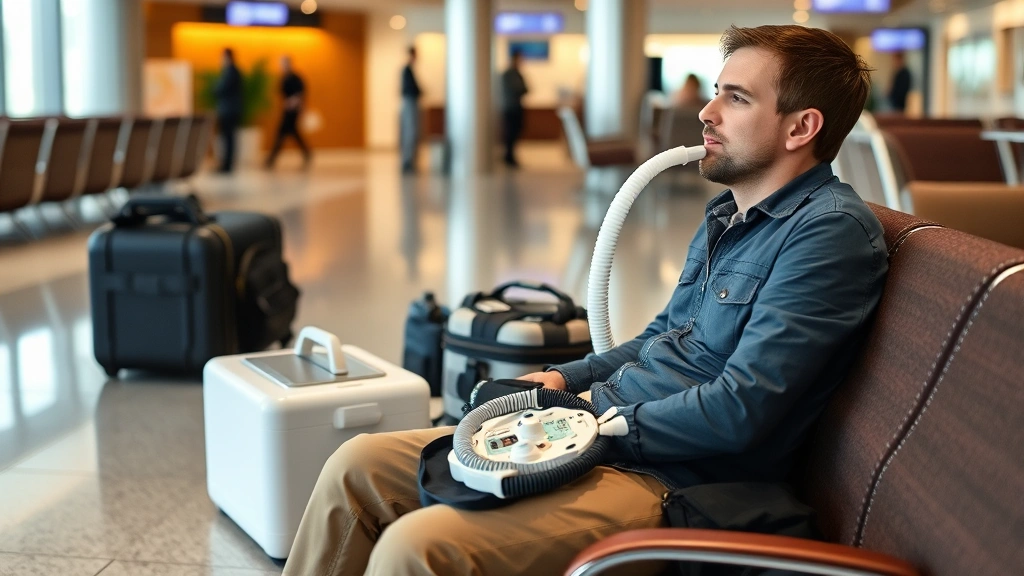
- Sleep Apnea Devices: CPAP and BiPAP machines need documentation to clarify they’re therapeutic devices, not electronic threats.
- Diabetic Supplies: Insulin pumps, continuous glucose monitors, insulin pens, and syringes require letters explaining their medical necessity.
- Mobility Devices: Wheelchairs, walkers, canes, and motorized scooters need documentation for airport accessibility and handling procedures.
- Respiratory Equipment: Nebulizers, inhalers, and ventilators require travel letters for carry-on permission.
- Cardiac Devices: Pacemakers, implantable cardioverter-defibrillators, and portable defibrillators need documentation.
- Pain Management Devices: Infusion pumps, transdermal patches, and TENS units benefit from official documentation.
- Neurological Equipment: Seizure alert devices, neurostimulators, and related equipment need proper certification.
If you’re uncertain whether your equipment requires a travel letter, consult your healthcare provider or contact your airline directly. It’s always better to have documentation than to face complications at the airport.
Key Components of an Effective Travel Letter
A comprehensive medical equipment travel letter should include specific elements that address security, airline, and customs concerns:
- Healthcare Provider Information: Doctor’s name, credentials, practice address, phone number, and professional license number establish credibility.
- Patient Information: Your full name, date of birth, and passport number (for international travel) connect the letter to you specifically.
- Medical Diagnosis: Clear statement of your condition necessitating the equipment, written in professional medical terminology.
- Equipment Description: Specific make, model, and serial number of each device, along with what it does and why you need it.
- Frequency of Use: Documentation of how often you use the equipment daily or weekly, establishing medical necessity.
- Duration of Treatment: Explanation that this is ongoing, chronic treatment, not temporary or experimental.
- Why Carry-On Is Necessary: Clear explanation of why equipment cannot be safely stored in checked baggage (pressure sensitivity, temperature requirements, frequent access needs).
- Safety Information: Any special handling instructions, power requirements, or safety considerations TSA and airline personnel should know.
- Professional Signature and Date: Original signature, printed name, and credentials of the healthcare provider, plus current date.
- Letterhead: Official practice letterhead adds authenticity and allows authorities to verify the letter’s legitimacy.
A well-structured letter addresses potential questions before they’re asked, demonstrating you’ve prepared thoroughly and understand travel requirements.
How to Obtain Your Medical Equipment Travel Letter
Obtaining an official medical equipment travel letter is straightforward when you know the proper process:
- Schedule an Appointment: Contact your primary care physician or the specialist managing your condition. Many providers can write letters during routine appointments.
- Provide Context: Explain your travel plans, including destination countries and travel dates. This helps your provider write a letter addressing specific requirements.
- Specify Equipment Details: Bring information about your equipment’s make, model, serial number, and any special requirements. If you have multiple devices, list all of them.
- Request Multiple Copies: Ask for at least 3-5 original signed copies. Keep one with you, one in carry-on luggage, one in checked baggage, and extras for backup.
- Get International Translation: For international travel, request a translation in the official language of your destination country, certified by your provider or a professional translator.
- Verify Letterhead: Ensure the letter is on official practice letterhead with complete contact information for verification purposes.
If your regular provider is unavailable or unfamiliar with travel letter requirements, consider using a functional limitation verification service that specializes in medical documentation. These services can provide expedited, professionally formatted travel letters from licensed healthcare providers.
For those seeking additional medical documentation support, explore resources like disability confirmation letters that can complement your travel documentation.
TSA and International Travel Requirements
Understanding specific TSA and international regulations ensures your medical equipment travel letter meets all requirements:
TSA Requirements for Medical Equipment:
- The TSA allows most medical devices in carry-on and checked baggage if properly documented.
- Oxygen concentrators specifically approved by the FAA can be carried on aircraft; oxygen tanks cannot.
- Insulin and diabetes supplies don’t require special TSA screening if properly identified.
- Mobility devices require advance notice but are generally permitted.
- Your letter should reference TSA guidelines and confirm your equipment meets FAA standards.
For detailed TSA information, visit the TSA Medical Devices page for current regulations and approved equipment lists.
International Travel Considerations:
- Different countries have varying regulations about medical equipment and medications.
- Some countries restrict certain devices or require additional documentation from customs.
- A letter in English is typically acceptable, but having translations in destination language countries strengthens your documentation.
- International travel letters should reference compliance with both U.S. regulations and destination country requirements.
- Keep copies easily accessible in both carry-on and checked baggage.
Before international travel, research your destination country’s specific medical equipment regulations. Contact your airline’s medical services department directly to confirm their policies and any additional documentation needed.

Tips for Smooth Medical Equipment Travel
Beyond obtaining your travel letter, these practical strategies ensure hassle-free travel with medical equipment:
Before Your Trip:
- Notify your airline at least 48 hours before departure about your medical equipment needs.
- Request TSA PreCheck or Clear if you frequently travel with medical devices for expedited screening.
- Photograph your equipment and carry photos with your travel letter for reference.
- Pack a backup power supply, batteries, and charging cables for all equipment.
- Research airport accessibility and medical facilities at your destination.
- Obtain a short-term disability letter if your travel is medically necessary or recovery-focused.
At the Airport:
- Arrive early to allow extra time for security screening of medical equipment.
- Proactively inform TSA agents about your equipment before screening begins.
- Keep your travel letter easily accessible, not buried in luggage.
- Be prepared to demonstrate how your equipment operates if requested.
- Ask for a private screening area if you’re uncomfortable with public equipment demonstration.
During Your Trip:
- Keep equipment in carry-on luggage whenever possible for safety and accessibility.
- Maintain equipment according to manufacturer specifications and your provider’s instructions.
- Keep your travel letter with you at all times, not just at airports.
- If questioned about your equipment, calmly present your letter and explain its medical necessity.
For additional workplace accommodation guidance that applies to business travel, review medical workplace accommodation letters that may complement your travel documentation.
FAQ
Do I really need a medical equipment travel letter for domestic flights?
While not legally required for all equipment on domestic flights, a letter significantly reduces complications and delays. TSA agents appreciate clear documentation, and having one ensures consistent treatment across different airports. For oxygen equipment and certain other devices, it’s highly recommended even for domestic travel.
How long is a medical equipment travel letter valid?
Most travel letters are valid for one year from the date signed by your healthcare provider. However, some airlines or countries may require more recent documentation. Check with your airline and destination country before traveling, and request a new letter if yours is older than six months.
Can I get a travel letter online without seeing my doctor in person?
Yes, telehealth providers and specialized medical documentation services can provide travel letters through virtual consultations. Ensure any provider you use is licensed in your state and experienced with travel documentation requirements. Services offering medical leave accommodation letters often provide travel documentation as well.
What if security agents question my equipment despite having a letter?
Remain calm and professional. Show your letter and explain your medical condition and equipment function. If you encounter resistance, ask to speak with a supervisor or TSA officer specifically trained in medical devices. Your letter provides legal documentation of medical necessity; authorities are obligated to respect legitimate medical equipment.
Should I carry my equipment in carry-on or checked baggage?
Most medical equipment should travel in carry-on luggage where you can monitor it and access it if needed. Your travel letter should explain why your specific equipment requires carry-on placement. Checked baggage exposure to pressure changes, temperature fluctuations, and rough handling can damage sensitive medical devices.
Do I need my travel letter for rental equipment at my destination?
Yes, your letter helps rental companies understand your specific needs and can facilitate smoother equipment rental processes. It also serves as documentation if you need to replace equipment during your trip or file insurance claims.
What external resources can help with travel regulations?
The TSA official website provides current regulations on medical devices. The FAA website offers information on aviation safety and approved medical equipment. For employment-related travel accommodations, the Job Accommodation Network (JAN) provides guidance on workplace accommodations during business travel.
Can I use an ESA letter as documentation for service animal travel?
An emotional support animal letter differs from medical equipment documentation. If you travel with a service animal that assists with your medical condition, you may need both an ESA letter and medical equipment documentation for any devices you also carry.
Traveling with medical equipment doesn’t have to be stressful. With proper documentation in the form of an official medical equipment travel letter, you can navigate airports, airlines, and international borders with confidence. Your healthcare provider’s letter serves as your advocate, clearly communicating your medical needs to any authority questioning your equipment. By following this guide, obtaining comprehensive documentation, and preparing thoroughly, you’ll ensure your medical equipment travels safely with you, allowing you to focus on enjoying your trip rather than worrying about your health support systems.