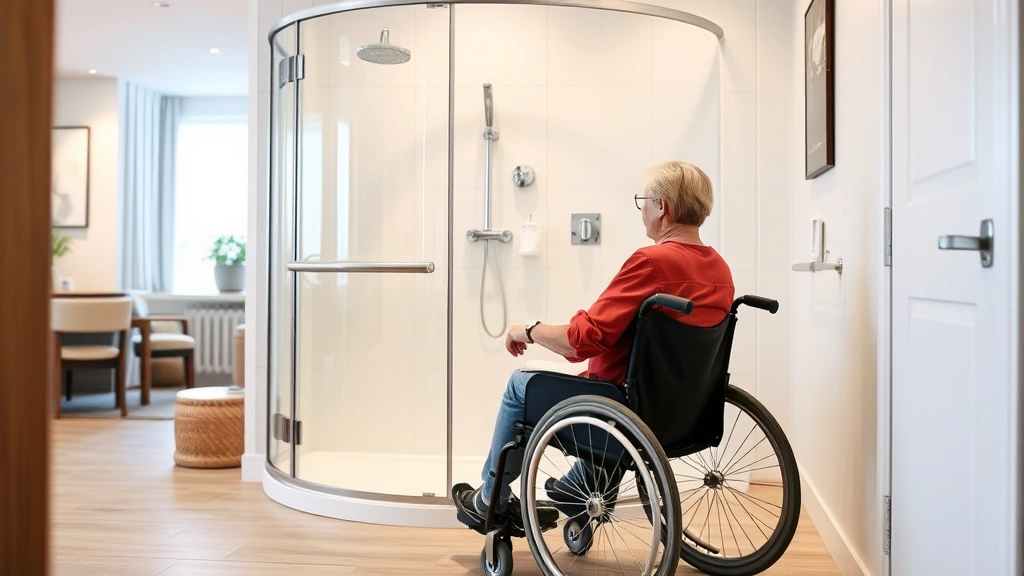
Medical Housing Accommodation: Doctor’s Guide
Medical housing accommodations enable individuals with disabilities, chronic illnesses, and health conditions to live safely, comfortably, and independently in their homes. Whether you need an accessible unit, allergen-free environment, ground floor placement, or structural modifications, understanding how to request and document these accommodations is essential. As a healthcare provider, you play a critical role in validating patient needs and providing the medical evidence landlords and housing authorities require to approve reasonable accommodation requests.
This comprehensive guide explains the medical, legal, and practical aspects of housing accommodations from a physician’s perspective, including how to assess patient needs, document functional limitations, and support your patients through the accommodation process.
What Are Medical Housing Accommodations?
Medical housing accommodations are modifications, policy exceptions, or unit reassignments that enable individuals with disabilities to access, use, and enjoy housing on an equal basis with non-disabled persons. Unlike universal design features, accommodations are individualized responses to specific medical conditions and functional limitations.
Common examples include:
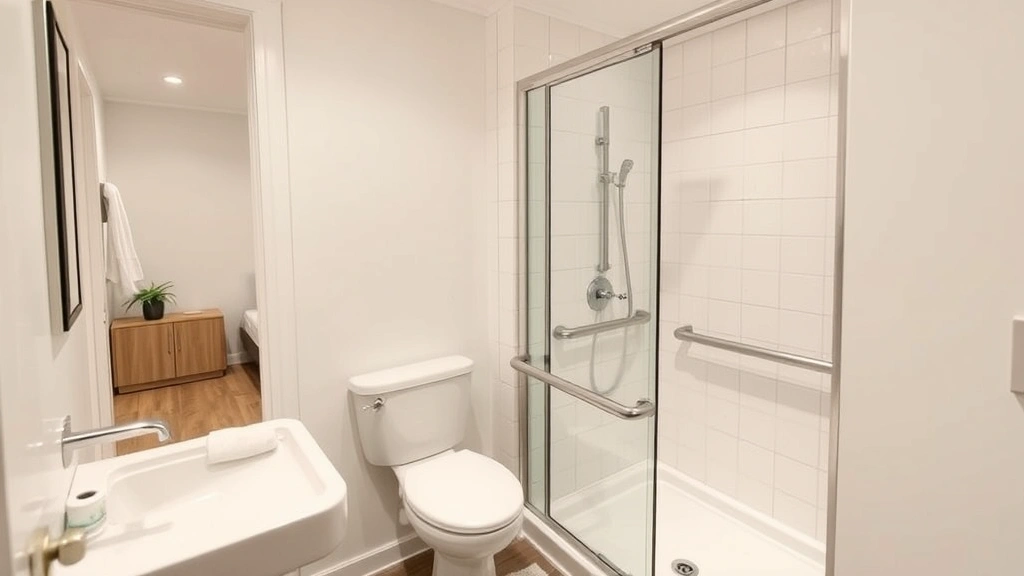
- Physical modifications: Accessible parking spaces, ramps, grab bars, widened doorways, roll-in showers, accessible kitchens
- Unit reassignments: Ground floor placement for mobility impairments, upper-floor units for individuals with severe environmental allergies, pet-friendly units for service animal handlers
- Policy exceptions: Allowing service animals in no-pet buildings, permitting in-home medical equipment, allowing caregiver visits outside standard hours
- Environmental accommodations: Allergen-free units, smoke-free buildings, fragrance-free common areas, climate-controlled spaces
- Lease modifications: Early lease termination for medical relocation, flexible payment schedules for those with variable income, temporary housing during treatment
As a physician, your role is to establish the causal nexus between the patient’s medical condition and the functional limitation that necessitates the accommodation.
Legal Framework and Patient Rights
Medical housing accommodations are protected under federal law, primarily through the Fair Housing Act (FHA), Section 504 of the Rehabilitation Act, and the Americans with Disabilities Act (ADA). Understanding this legal foundation strengthens your documentation and supports your patient’s request.
Fair Housing Act Requirements: The FHA prohibits discrimination based on disability and requires housing providers to make reasonable accommodations in rules, policies, practices, and services when necessary to afford a person with a disability equal opportunity to use and enjoy housing. HUD’s Fair Housing guidance clarifies that housing providers cannot deny, refuse, or make conditional a reasonable accommodation request without objective evidence that the request is unreasonable or creates undue financial or administrative burden.
Section 504 and ADA Compliance: ADA Title II regulations apply to public housing authorities, while Section 504 applies to federally-funded housing programs. Both require individualized assessment of accommodation requests rather than categorical denials.
Your medical documentation is the foundation of a legally defensible accommodation request. Housing providers cannot demand extensive medical records, diagnosis details, or treatment information, but they may ask for functional limitation verification from a licensed healthcare provider—you.
Assessing Patient Housing Needs
Comprehensive assessment begins with understanding your patient’s medical condition, current functional status, and how their home environment affects their health and independence.
Key Assessment Questions:
- What is the patient’s primary diagnosis and relevant secondary conditions?
- What functional limitations result from their condition(s)? (mobility, sensory, cognitive, environmental sensitivity)
- How do current housing conditions exacerbate symptoms or limit independence?
- Is the limitation permanent, temporary, or episodic?
- What specific housing features would mitigate functional limitations?
- Are there alternative accommodations that would meet the patient’s needs?
- Is the requested accommodation reasonable and feasible?
Document objective findings from your clinical evaluation—gait assessment, range of motion, medication side effects, documented environmental sensitivities, physician-verified allergies—rather than relying solely on patient report. This strengthens credibility with housing providers who receive many requests.
Consider requesting a comprehensive disability documentation evaluation if your patient’s condition is complex or if housing providers question the nexus between their condition and requested accommodation.
Documenting Functional Limitations
Functional limitation documentation must clearly establish the causal relationship between the patient’s medical condition and their need for housing accommodation. Vague statements like “patient needs accessible housing” will be rejected; specific, clinically-grounded documentation will be accepted.
Documentation Standards:
- Specificity: Describe actual functional limitations (“unable to climb stairs due to bilateral knee osteoarthritis with pain >7/10 above single step height”) rather than diagnoses alone
- Objective evidence: Reference clinical findings, imaging results, test scores, medication necessity, or documented treatment responses
- Causation: Explicitly connect the functional limitation to the requested accommodation (“Ground floor placement eliminates stair navigation, reducing fall risk and enabling independent ambulation”)
- Professional judgment: State your clinical opinion about whether the accommodation is medically necessary and reasonably related to the patient’s disability
- Permanence or durability: Indicate whether the limitation is permanent, long-term (expected duration), or temporary
- Functional impact: Describe how the accommodation improves the patient’s ability to access, use, and enjoy housing
Avoid diagnostic labels without functional translation. “Severe anxiety disorder” is less compelling than “Generalized Anxiety Disorder with documented panic attacks triggered by enclosed spaces and crowds, requiring accessible ground-floor unit with direct exterior access to enable independent living.”
Writing Medical Housing Letters
A medical housing letter is your formal, professional statement supporting your patient’s accommodation request. It serves as evidence to housing providers that the accommodation is medically necessary and reasonably related to disability.
Essential Components:
- Letterhead: Your clinic/practice name, license number, credentials, contact information
- Date and patient identification: Letter date, patient name, date of birth, and housing address
- Clear purpose statement: “This letter documents my clinical assessment that [patient name] requires [specific accommodation] as a reasonable accommodation related to their disability.”
- Relationship statement: How long you’ve treated the patient, frequency of contact, basis for assessment
- Medical history summary: Relevant diagnoses, onset date, current status (avoid unnecessary detail)
- Functional limitation description: Specific, objective functional limitations with clinical evidence
- Accommodation nexus: Clear explanation of how the specific accommodation addresses the documented functional limitation
- Professional opinion: Your clinical judgment that the accommodation is medically necessary
- Signature and credentials: Your signature, printed name, professional license number, and date
Consider obtaining a medical letter for apartment accommodation from Arvix Health if you need expedited, professionally-formatted documentation that meets housing provider standards.
Common Housing Accommodation Types
Mobility-Related Accommodations: Patients with spinal cord injuries, cerebral palsy, severe arthritis, or neuromuscular conditions often require ground floor placement, accessible parking, ramps, grab bars, and accessible bathroom fixtures. Document specific mobility limitations (unable to use stairs, requires wheelchair, limited standing tolerance) and explain how each accommodation addresses the limitation.
Sensory Accommodations: Deaf or hard-of-hearing residents may need visual alert systems or proximity to building entrances. Blind or low-vision patients may require tactile markers or accessible building layouts. Document the sensory limitation and how the accommodation improves safety or independence.
Environmental Accommodations: Patients with documented severe allergies, asthma exacerbated by environmental triggers, or environmental illness require allergen-free units, smoke-free buildings, or fragrance-free policies. Provide allergy testing results, pulmonary function tests, or documented environmental sensitivity reactions to establish medical necessity.
Psychiatric and Cognitive Accommodations: Reasonable accommodation housing letters for psychiatric conditions might document need for ground floor placement (agoraphobia), pet-friendly policy (psychiatric service animal), or lease flexibility (variable work capacity). Be specific about functional limitations without overstating diagnosis.
Service Animal and ESA Accommodations: Housing providers must allow service animals in no-pet buildings when the animal is individually trained to perform tasks related to the person’s disability. Emotional support animals have broader protections under FHA but require documentation of the disability-animal relationship.

Supporting Your Patient’s Request
Documentation Timeliness: Provide medical documentation promptly after your patient requests accommodation. Delays allow housing providers to deny requests on procedural grounds. Expedited options like same-day accommodation letters can support urgent requests.
Communicating with Housing Providers: You may receive requests for additional information or clarification from housing providers or their legal representatives. Respond professionally and timely. If asked for detailed medical records or diagnosis information beyond what’s necessary to support the accommodation, remind the housing provider that fair housing law limits their request scope to functional limitation verification.
Second Opinions and Provider Disputes: Some housing providers may dispute your clinical judgment or request independent medical examination. Remain professional, stand by clinically-sound assessments, and encourage your patient to appeal or seek legal assistance if providers unreasonably deny requests. HUD’s Fair Housing enforcement office investigates discrimination complaints.
Ongoing Monitoring: Follow up with your patient to ensure the accommodation was approved and implemented. Some conditions change, requiring accommodation modification. Document clinical changes and update accommodation requests accordingly.
Advocacy and Education: Consider educating your patients about their fair housing rights and the accommodation process. Many people with disabilities don’t request accommodations due to stigma, misunderstanding, or previous negative experiences. Your support and documentation can be transformative.
FAQ
Can a housing provider deny a reasonable accommodation request?
Yes, but only if they can demonstrate the request is unreasonable, not related to disability, or imposes undue financial or administrative burden. Blanket denials based on disability category violate fair housing law. Individualized assessment is required.
What if the patient’s accommodation request seems excessive?
Your role is to assess medical necessity, not cost or feasibility. If the patient’s condition truly requires the accommodation, document it. Housing providers determine feasibility and cost-sharing. However, if you believe the request is medically unnecessary or unrelated to the patient’s disability, you should decline to support it.
How much detail should medical documentation include?
Sufficient detail to establish functional limitation and accommodation nexus, but not extensive medical history or diagnosis information. Focus on functional impact. Housing providers cannot demand mental health treatment details, specific diagnoses, or medical records—only functional limitation verification from a licensed provider.
Do temporary conditions qualify for accommodations?
Yes. A patient recovering from orthopedic surgery may need temporary ground floor placement. A patient undergoing chemotherapy may need accessible parking. Document the expected duration and functional limitation during recovery.
What if the patient has multiple conditions requiring different accommodations?
Document each condition’s functional limitations and explain how each requested accommodation addresses specific limitations. Housing providers must accommodate multiple disabilities when feasible.
Can patients request accommodations after moving in?
Yes. Accommodation requests can occur at any time during tenancy. Prospective tenants can request accommodations during application, and current tenants can request modifications as conditions change or develop.
What’s the difference between accommodation and modification?
Accommodations are policy exceptions or unit reassignments (ground floor instead of upper floor). Modifications are physical changes to the unit (grab bars, accessible shower). Tenants typically pay for modifications, while accommodations are usually no-cost policy adjustments. Document whether your recommendation is modification or accommodation.