
Oxygen Clearance Letter for Travel: Complete Doctor’s Advice
Traveling with supplemental oxygen requires careful planning and proper medical documentation. An oxygen clearance letter from your doctor is essential for navigating airports, airlines, and international borders safely and legally. This letter serves as proof that your physician has evaluated your medical condition and approved your travel with oxygen equipment, ensuring you can transport your device through security checkpoints and use it during your journey without complications.
Whether you’re flying domestically or internationally, cruise lines, train services, and even rental car companies may require oxygen clearance documentation. Without proper medical authorization, you risk flight delays, equipment confiscation, or being denied travel altogether. This guide explains what an oxygen clearance letter is, why you need one, how to obtain it from your healthcare provider, and what information must be included for TSA, FAA, and airline compliance.
Understanding the requirements before you travel prevents stress and ensures your health needs are met throughout your journey. We’ll walk you through the entire process so you can travel confidently with your supplemental oxygen system.
What Is an Oxygen Clearance Letter?
An oxygen clearance letter is a formal medical document written and signed by your physician confirming that you have a legitimate medical need for supplemental oxygen during travel. This letter states that your doctor has evaluated your respiratory condition, reviewed your oxygen prescription, and determined it is medically safe for you to travel while using your oxygen equipment.
The letter differs from a standard prescription because it specifically addresses travel safety and regulatory compliance. Airlines, airports, and transportation authorities use this letter to verify that your oxygen use is medically necessary and that you understand proper equipment handling. It’s not simply permission to travel—it’s medical proof that your condition warrants oxygen therapy and that traveling with your equipment poses no unreasonable safety risk.
This documentation protects both you and the airline. It demonstrates that a qualified healthcare provider has assessed your fitness to fly and that your oxygen needs have been professionally evaluated. Without this letter, TSA agents, airline staff, and border officials have grounds to deny you boarding or confiscate your equipment, even if you have a valid prescription.
Why Your Doctor Must Provide This Documentation
Your physician is the only qualified professional who can certify that your oxygen use is medically necessary and that flying is safe for your specific condition. Airlines and transportation authorities require a doctor’s signature because they need assurance from a licensed medical professional—not from you alone—that your equipment won’t malfunction or create hazards during flight.
Respiratory conditions vary significantly. Some patients use oxygen only at night; others need it continuously. Some use portable concentrators; others require liquid oxygen tanks or compressed gas cylinders. Your doctor understands your specific medical history, oxygen prescription details, and travel fitness, making them the appropriate authority to clear you for travel.
Additionally, your physician can assess whether your condition is stable enough for air travel. Flying involves cabin pressure changes, reduced oxygen levels at altitude, and prolonged sitting—factors that may complicate certain respiratory conditions. Your doctor evaluates whether these factors pose risks for you personally and whether any additional precautions are necessary.
The TSA and FAA recognize only physician-signed documentation as valid proof of medical necessity. Self-written letters, nurse practitioner notes without physician oversight, or unofficial medical certifications will be rejected at security checkpoints.
TSA and FAA Requirements for Oxygen Travel
The Transportation Security Administration (TSA) and Federal Aviation Administration (FAA) have specific regulations governing supplemental oxygen on commercial flights. Understanding these requirements helps you prepare proper documentation and avoid travel delays.
TSA Liquid Oxygen Rules: Liquid oxygen is prohibited in carry-on and checked baggage on commercial aircraft. However, portable oxygen concentrators that meet specific standards are permitted. Your oxygen clearance letter should specify which type of oxygen equipment you’ll use—portable concentrator, compressed gas cylinders, or liquid oxygen—because TSA’s rules differ for each.
FAA Portable Oxygen Concentrator Standards: If you use a portable concentrator, the FAA requires it to be FAA-approved and operated according to manufacturer specifications. Your doctor’s letter should confirm that your specific concentrator model is approved for in-flight use and that you understand how to operate it safely.
Advance Notification: Most airlines require 48-hour advance notice if you’re traveling with oxygen equipment. Your oxygen clearance letter serves as part of this notification process. Contact your airline directly to provide your doctor’s letter and oxygen equipment specifications.
Aircraft Oxygen Systems: If your condition is severe enough that you require continuous oxygen, some airlines can provide supplemental oxygen from their onboard medical systems. Your doctor’s letter clarifies whether you need to bring your own equipment or can use airline-provided oxygen.
For detailed TSA oxygen regulations, visit TSA’s official oxygen travel page. The FAA’s passenger health and safety section provides additional guidance on traveling with medical equipment.
How to Request an Oxygen Clearance Letter
Requesting an oxygen clearance letter is straightforward, but timing is crucial. Plan to request this letter at least 2-3 weeks before your travel date to allow your physician adequate time to evaluate your records and prepare the documentation.
Step 1: Schedule an Appointment Contact your pulmonologist, primary care physician, or respiratory specialist and request a travel consultation. Explain that you need an oxygen clearance letter for air travel. If you’re seeing your doctor regularly, you can request the letter during your next scheduled appointment—you don’t necessarily need a separate visit.
Step 2: Provide Travel Details Give your doctor specific information about your trip: departure and arrival dates, flight duration, number of flights, destinations, and whether you’re flying domestically or internationally. This helps your physician assess whether your condition is stable enough for your specific travel plans.
Step 3: Discuss Your Equipment Clarify which oxygen equipment you’ll use during travel. Bring documentation of your portable concentrator model number if applicable, or specify the type of oxygen tanks you’ll transport. Your doctor needs these details to confirm equipment compatibility with airline and TSA regulations.
Step 4: Ask About Additional Precautions Discuss whether you need any special accommodations during travel—such as pre-boarding, wheelchair assistance, or aisle seating near a bathroom. Your doctor can note these recommendations in your letter or in a separate medical accommodation letter.
Step 5: Request Written Confirmation Ask your doctor to provide the letter in writing on official letterhead with their signature, license number, and contact information. Request both a physical copy and an electronic copy (PDF) that you can email to your airline in advance.
If your regular physician is unavailable or unfamiliar with oxygen travel documentation, consider consulting a pulmonologist or travel medicine specialist who has experience with these letters.
Essential Information Your Letter Must Include
A complete oxygen clearance letter contains specific medical and logistical information that satisfies TSA, FAA, and airline requirements. Ensure your doctor includes all these elements:
Patient Identification: Your full legal name, date of birth, and current address. This must match your government-issued ID and airline reservation.
Physician Information: Doctor’s full name, medical license number, specialty, clinic/hospital name, address, phone number, and email. Airlines may need to contact your physician to verify the letter’s authenticity.
Medical Diagnosis: Your respiratory condition (COPD, pulmonary fibrosis, etc.) and brief explanation of why you require supplemental oxygen. This establishes medical necessity.
Oxygen Prescription Details: The prescribed flow rate (liters per minute), whether oxygen is needed continuously or intermittently, and your prescription duration. This proves your oxygen use is medically prescribed, not self-directed.
Equipment Specifications: The exact make, model, and serial number of your portable oxygen concentrator or oxygen tank type. This confirms your equipment meets FAA standards.
Travel Fitness Clearance: A statement that your physician has evaluated your fitness to fly and determined that air travel is medically safe for you. This is the core clearance that TSA and airlines require.
Special Instructions: Any special handling requirements, such as “Patient must keep oxygen concentrator within arm’s reach during flight” or “Patient requires pre-boarding to set up equipment.”
Signature and Date: Your physician’s handwritten signature, printed name, medical license number, and the date the letter was written. Electronic signatures are generally acceptable.
Your oxygen clearance letter should be printed on official medical letterhead and be no more than one page. Concise, well-organized letters are more likely to be accepted by TSA and airline personnel.
Travel Tips With Your Oxygen Documentation
Having an oxygen clearance letter is essential, but proper preparation during travel ensures smooth airport experiences and safe oxygen use throughout your journey.
Arrive Early at the Airport: Plan to arrive 3 hours before domestic flights and 4 hours before international flights. TSA security screening for medical equipment takes additional time. Bring your oxygen clearance letter and your oxygen equipment’s user manual.
Notify the Airline in Advance: Call your airline 24-48 hours before your flight to confirm they’ve received your oxygen clearance letter and to review their specific oxygen policies. Different airlines have varying rules about where you can place your concentrator during flight.
Pack Oxygen Equipment as Carry-On: Never check your portable oxygen concentrator or oxygen tanks in luggage. Keep your equipment with you at all times. Pack extra batteries for your concentrator—airlines typically allow longer battery life than your device’s actual runtime.
Carry Multiple Copies: Bring at least three printed copies of your oxygen clearance letter: one for TSA, one for the airline gate agent, and one for your records. Also save a PDF on your phone in case physical copies are lost or damaged.
Request Pre-Boarding: Most airlines allow passengers with medical equipment to pre-board, giving you time to set up your oxygen concentrator before other passengers board. Your oxygen clearance letter supports this request.
Inform Flight Attendants: Once aboard, tell a flight attendant about your oxygen use. They can ensure you have easy access to your equipment and can assist if you need help during the flight.
Stay Hydrated and Monitor Oxygen Saturation: Cabin air is dry and oxygen levels decrease at altitude. Drink water throughout your flight and monitor your oxygen saturation if you have a pulse oximeter. If you feel short of breath, notify a flight attendant immediately.
Plan for Layovers: If you have connecting flights, research airport oxygen services at your layover destination. Some major airports have oxygen rental services if your portable concentrator battery depletes or equipment malfunctions.
Consider obtaining a doctor-signed accommodation letter for ground transportation as well if you use ride-sharing services or rental cars during your trip.
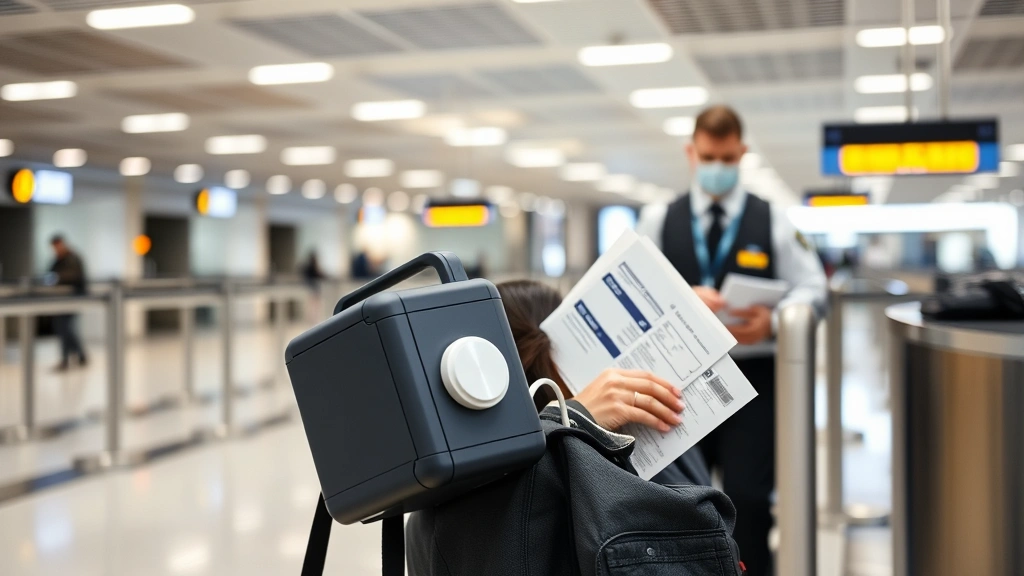
” alt=”Medical professional explaining oxygen equipment requirements to patient before travel” style=”width: 100%; max-width: 600px; height: auto; margin: 20px 0;”/>
FAQ
Can I travel with supplemental oxygen without a doctor’s clearance letter?
No. TSA, FAA, and all commercial airlines require physician-signed documentation confirming medical necessity and travel fitness. Attempting to travel with oxygen equipment without proper clearance will result in equipment confiscation and potential denial of boarding. Your oxygen clearance letter is legally required for air travel.
How long is an oxygen clearance letter valid?
Most oxygen clearance letters are valid for one specific trip or for a period of 12 months. Check with your airline and your physician. If your medical condition changes significantly or your oxygen prescription is adjusted, you may need an updated letter for future travel.
Can a nurse practitioner or physician assistant sign an oxygen clearance letter?
Requirements vary by airline and jurisdiction. Some airlines accept letters signed by nurse practitioners or physician assistants; others require a physician’s signature. Contact your airline in advance to confirm their specific requirements. When in doubt, request a letter from your supervising physician.
What if my oxygen clearance letter is rejected at the airport?
If TSA or airline personnel reject your letter, ask to speak with a supervisor. Request clarification about what information is missing. If your letter is incomplete, call your physician’s office immediately to request additional documentation. Having your doctor’s direct phone number on the letter helps resolve issues quickly.
Do I need separate oxygen clearance for international travel?
Yes. International travel has additional requirements beyond domestic flights. Different countries have varying oxygen equipment regulations. Request an oxygen clearance letter that specifically addresses international travel and include information about your destination countries. Some countries require additional customs documentation for medical equipment.
Can I use airline-provided oxygen instead of bringing my own equipment?
Some airlines offer onboard oxygen service for a fee, eliminating the need to bring your own equipment. Your doctor’s letter can specify whether you require personal equipment or can use airline oxygen. If using airline oxygen, you must still request this service 48 hours in advance.
What happens if my portable oxygen concentrator breaks during travel?
This is why carrying your oxygen clearance letter is critical. If your equipment malfunctions, you can contact your airline’s medical staff and provide your clearance letter as proof of medical necessity. Airlines can provide supplemental oxygen or reroute you on another flight. Keep your physician’s contact information available in case medical consultation is needed.
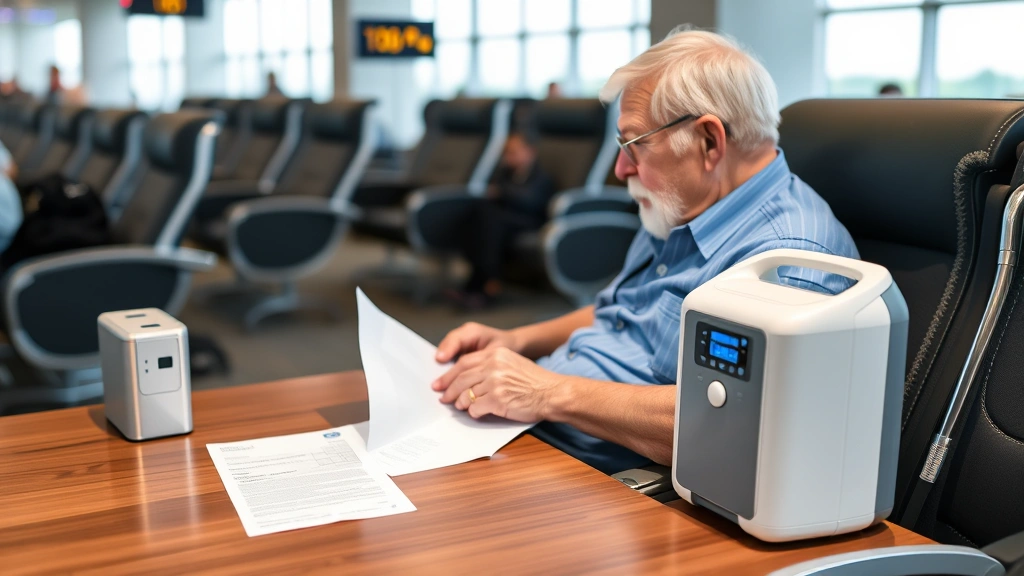
” alt=”Traveler with portable oxygen concentrator at airport terminal boarding gate” style=”width: 100%; max-width: 600px; height: auto; margin: 20px 0;”/>