Instant Housing Accommodation Letters: What to Know
When you have a disability or medical condition that affects your ability to live safely and comfortably in your current housing, a reasonable accommodation letter can be a powerful tool. This document, issued by a healthcare provider, formally requests that your landlord or housing provider make specific modifications or exceptions to lease terms to meet your accessibility needs. Whether you need a ground-floor unit due to mobility limitations, a pet exemption for an emotional support animal, or modifications for a chronic health condition, understanding how to obtain an instant housing accommodation letter is essential to protecting your rights and improving your quality of life.
Housing accommodations are a legal right under the Fair Housing Act and the Americans with Disabilities Act (ADA). However, many people don’t realize that obtaining proper documentation quickly can make the difference between a smooth accommodation approval and a lengthy, stressful process. This guide covers everything you need to know about instant housing accommodation letters, including what they are, why they matter, how to get one, and how to use them effectively with your landlord.
What Is a Housing Accommodation Letter?
A housing accommodation letter is an official document from a licensed healthcare provider that verifies you have a disability or medical condition and explains how that condition creates a need for a specific housing accommodation. Unlike a general disability confirmation letter, a housing accommodation letter is tailored specifically to your living situation and requests concrete changes to your lease or housing arrangement.
The letter serves as medical evidence supporting your request and helps your landlord understand the functional limitations you experience. It establishes that your accommodation request is medically necessary, not a preference or convenience. This distinction is critical because landlords cannot arbitrarily deny reasonable accommodations, but they can request medical documentation to verify the need.
An “instant” housing accommodation letter refers to one that can be obtained quickly—often within hours or the same business day—through telehealth platforms or expedited services. This is particularly valuable when you’re facing an urgent housing situation, such as an imminent lease violation notice or an immediate need to modify your unit for health reasons.
Legal Framework and Your Rights
Your right to request a reasonable accommodation is protected by federal law. The Fair Housing Act explicitly prohibits discrimination based on disability and requires landlords to make reasonable accommodations in rules, policies, practices, or services when necessary to afford a person with a disability equal opportunity to use and enjoy a dwelling.
Additionally, the Americans with Disabilities Act (ADA) extends protections to individuals with disabilities in various settings, including housing. If you live in public housing or housing that receives federal funding, you have even stronger protections under these laws.
A landlord cannot legally deny your request for a reasonable accommodation simply because it’s inconvenient or costly. However, they may request medical documentation—such as a proof of disability letter from a doctor—to verify that your need is genuine and disability-related. This is where a professional housing accommodation letter becomes invaluable. It provides the documentation landlords are entitled to request while establishing the legitimacy of your need.
It’s important to note that landlords cannot ask for a specific diagnosis or detailed medical history. They can only ask for information about functional limitations—what you cannot do due to your condition—and how the accommodation addresses those limitations. A well-drafted housing accommodation letter respects these boundaries while providing sufficient documentation.
Types of Housing Accommodations Covered
Housing accommodations cover a wide range of needs. Common examples include:
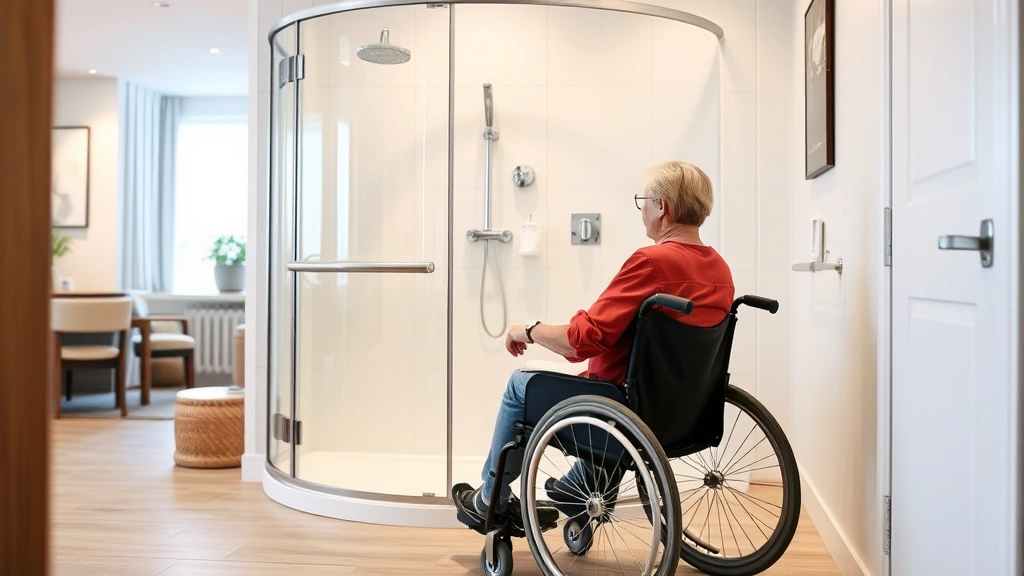
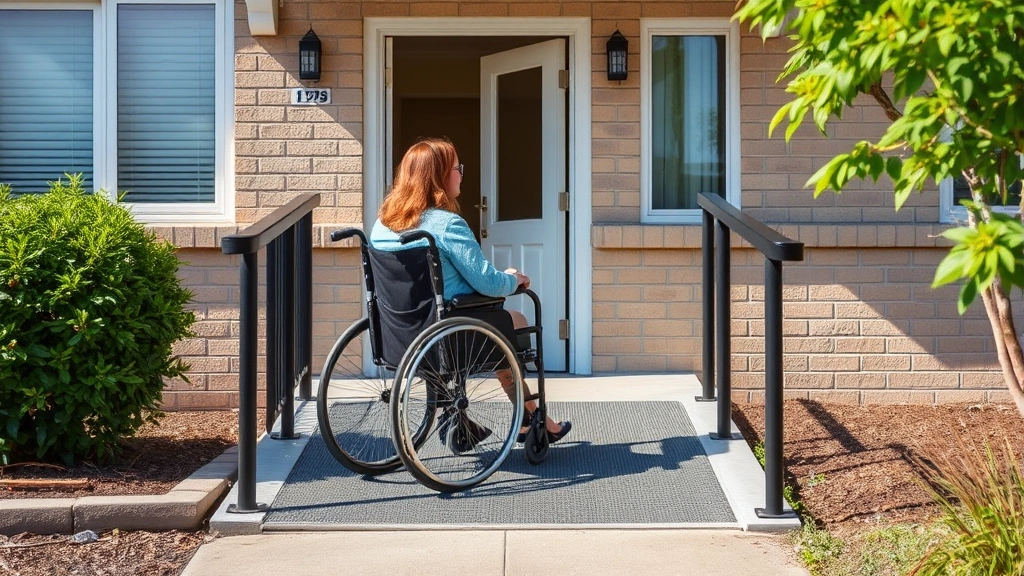
- Unit modifications: Installing grab bars, ramps, accessible parking spaces, or widening doorways for wheelchair access
- Ground floor or accessible unit transfers: Moving to a unit without stairs due to mobility limitations
- Pet exemptions: Permission to keep an emotional support animal despite no-pet policies
- Accessible parking: Reserved parking close to your unit for mobility or pain-related conditions
- Lease modifications: Changing lease terms to accommodate medical needs, such as allowing more frequent visits from caregivers
- Allergen-free housing: Transfer to a unit away from common allergens or environmental triggers
- Service animal accommodations: Ensuring your service dog has appropriate space and access
- Noise or air quality accommodations: Modifications to reduce triggers for sensory sensitivities or respiratory conditions
Each accommodation type requires documentation explaining the connection between your disability or medical condition and the specific need. This is where a detailed functional limitation verification letter becomes essential—it articulates exactly why the accommodation is necessary for you to enjoy your housing equally.
How to Get an Instant Housing Accommodation Letter
Obtaining an instant housing accommodation letter typically involves these steps:
- Choose a provider: Select a telehealth platform or medical service that specializes in accommodation letters. Look for providers with licensed healthcare professionals who understand Fair Housing Act requirements and can issue letters quickly.
- Complete an intake form: Provide information about your medical condition, current housing situation, and the specific accommodation you’re requesting.
- Consult with a healthcare provider: Many instant services include a brief telehealth consultation with a licensed healthcare provider (physician, psychologist, or other qualified professional) who will assess your need and verify your condition.
- Receive your letter: Once the provider approves your request, you’ll receive a professional, legally-compliant letter, often within hours of your consultation.
- Provide to your landlord: Submit the letter to your landlord or property manager according to their procedures, typically via email or certified mail.
The advantage of instant services is speed and convenience. Rather than waiting weeks for an appointment with your primary care physician, you can obtain documentation on your timeline. However, ensure the service you choose employs only licensed healthcare professionals and produces letters that comply with Fair Housing Act standards.
When selecting a provider, verify that they understand housing accommodation requirements specifically. A general workplace accommodation letter and a housing accommodation letter have different legal standards and content requirements, so you need a provider experienced in housing law.
What Makes a Letter Legally Valid
A legally valid housing accommodation letter must contain several key elements:
- Provider credentials: The letter must be from a licensed healthcare professional with appropriate expertise. This includes physicians, psychologists, psychiatrists, nurse practitioners, and other licensed providers within their scope of practice.
- Relationship to the patient: The provider should indicate how long they’ve known you and the basis for their assessment. Ideally, there should be an established provider-patient relationship, though this can be established quickly through telehealth.
- Functional limitations: The letter should describe specific functional limitations related to your disability or medical condition—not the diagnosis itself, but how the condition affects your ability to use and enjoy housing.
- Connection to accommodation: The letter must clearly explain how the requested accommodation addresses your functional limitations and enables you to live safely and independently.
- Professional opinion: The provider should state that, in their professional judgment, the accommodation is necessary due to your disability or medical condition.
- Professional letterhead: The letter should be on official letterhead with the provider’s name, credentials, license number, contact information, and signature.
- Date and signature: The letter must be dated and signed by the healthcare provider personally.
The letter should avoid overly detailed medical information or specific diagnoses unless directly relevant to explaining the functional limitation. It should also avoid making demands; instead, it should request the accommodation and explain the medical necessity. The tone should be professional and clinical, not emotional or argumentative.
A well-written housing accommodation letter walks a careful line: it provides sufficient medical documentation to satisfy the landlord’s right to verify the need, while respecting privacy and legal boundaries around disability disclosure.

Presenting Your Letter to Your Landlord
How you present your housing accommodation letter can significantly impact how your landlord responds. Here are best practices:
- Put it in writing: Submit your letter formally, via email (with read receipt) or certified mail. This creates a paper trail and establishes the date of your request.
- Include a clear request: In your cover letter or email, clearly state what accommodation you’re requesting and reference the attached medical documentation supporting your need.
- Be respectful but firm: Use professional language and acknowledge that the landlord may have questions, but be clear about your legal right to the accommodation.
- Follow up appropriately: If you don’t receive a response within a reasonable timeframe (typically 5-10 business days), follow up in writing. Document all communications.
- Know when to escalate: If your landlord denies your request without legitimate reason, you may need to file a complaint with your state’s housing authority or the HUD Office of Fair Housing and Equal Opportunity.
Remember that your landlord may ask follow-up questions about your accommodation. They cannot ask for your diagnosis or detailed medical history, but they can ask clarifying questions about functional limitations and how the accommodation addresses them. Your healthcare provider should have given you guidance on how to respond to such inquiries while protecting your privacy.
Common Challenges and How to Address Them
Challenge 1: Landlord Requests Additional Information
If your landlord asks for more details, review whether they’re requesting protected health information (which they cannot access) or functional limitations information (which they can). If the request crosses the line, politely decline and offer to have your healthcare provider provide additional clarification about functional limitations without disclosing medical details.
Challenge 2: Landlord Claims the Accommodation Is Unreasonable
Landlords can deny accommodations only if they create an undue financial or administrative burden. Many accommodations—like pet exemptions or lease modifications—impose minimal burden. If your landlord claims undue burden, ask them to provide specific evidence. You may need to involve a fair housing organization or attorney.
Challenge 3: Concerns About Disclosure and Privacy
You’re not required to disclose your diagnosis, and a well-drafted housing accommodation letter respects this. If you’re concerned about privacy, work with your healthcare provider to ensure the letter focuses on functional limitations rather than medical details. You can also ask your landlord to keep the letter confidential.
Challenge 4: Questions About the Legitimacy of Your Condition
If your landlord questions whether your condition is real or severe enough, a letter from a licensed healthcare professional carries significant legal weight. This is why obtaining documentation from a credible provider matters. If challenges continue, document everything and consider consulting a fair housing attorney.
For more guidance on documentation standards, review resources from the Job Accommodation Network (JAN), which provides comprehensive information on how to document accommodation needs, and contact your state’s disability rights organization for local support.

FAQ
How quickly can I get a housing accommodation letter?
Instant services can provide a letter within hours of your consultation. Traditional methods through your primary care provider may take weeks. The timeline depends on your provider’s availability and how quickly you complete the intake process.
Do I need an established relationship with a healthcare provider to get a letter?
No. Telehealth platforms can establish a new provider-patient relationship quickly through an initial consultation. However, the provider must have sufficient information to make a professional assessment of your functional limitations and need for accommodation.
Can my landlord deny my accommodation request if I have a letter?
Your landlord cannot deny a reasonable accommodation request based on disability if you have medical documentation supporting the need. However, they can deny requests that create undue financial or administrative burden, or if the letter doesn’t adequately demonstrate the connection between your disability and the accommodation need.
What if my landlord says they don’t accept letters from telehealth providers?
Landlords cannot discriminate based on the source of medical documentation as long as the provider is licensed and the letter meets legal standards. A letter from a licensed telehealth provider carries the same legal weight as one from an in-person provider. If your landlord refuses to consider it, this may be a Fair Housing Act violation.
Can I use a housing accommodation letter for multiple purposes?
A letter tailored to housing accommodations is specific to that purpose. If you also need accommodations at work or school, you may need separate letters designed for those contexts. However, you can use the same underlying medical documentation as the basis for multiple letters.
What happens if my landlord ignores my accommodation request?
Document all communications in writing. If your landlord ignores your request after a reasonable timeframe, file a complaint with HUD or your state’s fair housing authority. You may also consult a fair housing attorney about your options, including potential legal action.
Is my housing accommodation letter confidential?
Once you provide it to your landlord, it becomes part of your housing file. Ask your landlord to keep it confidential and limit access to those who need it for processing your accommodation request. Landlords should not share it with other tenants or use it for any purpose other than evaluating your accommodation need.
Can I get a housing accommodation letter if I have a mental health condition?
Yes. Mental health conditions, including anxiety, depression, PTSD, and others, can qualify for reasonable housing accommodations if they create functional limitations that affect your ability to use and enjoy housing. Licensed mental health professionals (psychologists, psychiatrists, licensed counselors) can issue housing accommodation letters for mental health-related needs.