
Remote Learning Accommodations: Expert Insights
Remote learning has transformed education, creating new opportunities for students with disabilities to access academic content in ways that work best for their individual needs. Whether you’re managing a chronic illness, mobility challenges, cognitive disabilities, or mental health conditions, remote learning accommodations can level the playing field and enable you to succeed academically. A remote learning accommodation letter from a qualified healthcare provider serves as the official documentation your school needs to implement these supports.
This comprehensive guide explores what remote learning accommodations entail, how to obtain the necessary documentation, and what you can expect from your institution. Understanding your rights under the Americans with Disabilities Act (ADA) and Section 504 of the Rehabilitation Act ensures you receive the support you deserve.
Many students don’t realize that remote learning isn’t just a pandemic-era convenience—it’s a legitimate accommodation that can be formally approved when medically necessary. If you’re struggling to attend in-person classes due to health conditions, anxiety, autoimmune disorders, or other disabilities, this guide will help you navigate the accommodation process with confidence.
Understanding Remote Learning Accommodations
Remote learning accommodations allow students with disabilities to attend classes, complete coursework, and participate in academic activities from an off-campus location, typically their home. This goes beyond simply recording lectures or accessing materials online—it represents a formal adjustment to how you engage with your institution’s educational program.
Unlike temporary remote learning policies implemented during emergencies, accommodation-based remote learning is individualized, documented, and legally protected. It recognizes that for some students, the physical demands of campus attendance—whether due to immunocompromisation, chronic pain, psychiatric disabilities, or other conditions—create barriers to equal access that remote participation can effectively remove.
The accommodation may include:
- Full remote attendance for all classes and synchronous sessions
- Hybrid arrangements combining remote and in-person participation
- Asynchronous access to course content when real-time attendance isn’t feasible
- Remote test-taking and exam proctoring
- Virtual office hours and tutoring sessions
- Flexible deadlines coordinated with your treatment schedule
- Alternative participation methods in group projects or labs
Institutions must provide remote learning accommodations as a reasonable adjustment when your disability substantially limits major life activities and when the accommodation doesn’t fundamentally alter the course’s educational objectives. Understanding this distinction helps you advocate effectively for your needs.
Who Qualifies for Remote Learning Accommodations
Qualifying for remote learning accommodations requires meeting specific legal criteria under disability law. Your condition must substantially limit one or more major life activities—such as learning, working, concentrating, communicating, or self-care—in comparison to how most people experience these activities.
Students with the following conditions frequently benefit from reduced course load accommodations and remote learning options:
- Chronic Illnesses: Conditions like lupus, fibromyalgia, ME/CFS, and diabetes that cause fatigue, pain, or unpredictable symptom flares making campus attendance unreliable
- Immunocompromised Conditions: HIV/AIDS, organ transplant recipients, or those on immunosuppressive medications requiring reduced infectious disease exposure
- Psychiatric Disabilities: Severe anxiety, panic disorder, agoraphobia, PTSD, or depression where campus environments trigger significant symptoms
- Neurological Conditions: Multiple sclerosis, Parkinson’s disease, traumatic brain injury, or epilepsy affecting mobility, fatigue, or cognitive function
- Mobility Impairments: Spinal cord injuries, cerebral palsy, or severe arthritis making campus navigation and transportation prohibitively difficult
- Sensory Disabilities: Blind or low-vision students who benefit from screen-reader compatible remote platforms; Deaf students accessing real-time captioning
- Autoimmune Disorders: Conditions where symptom unpredictability or treatment side effects make consistent in-person attendance impossible
- Long COVID: Post-viral conditions causing cognitive dysfunction, post-exertional malaise, or autonomic instability
The key is demonstrating that your disability functionally necessitates remote learning to provide equal access. You don’t need to disclose your specific diagnosis, but your documentation must establish the functional limitation and explain why remote participation effectively addresses it.
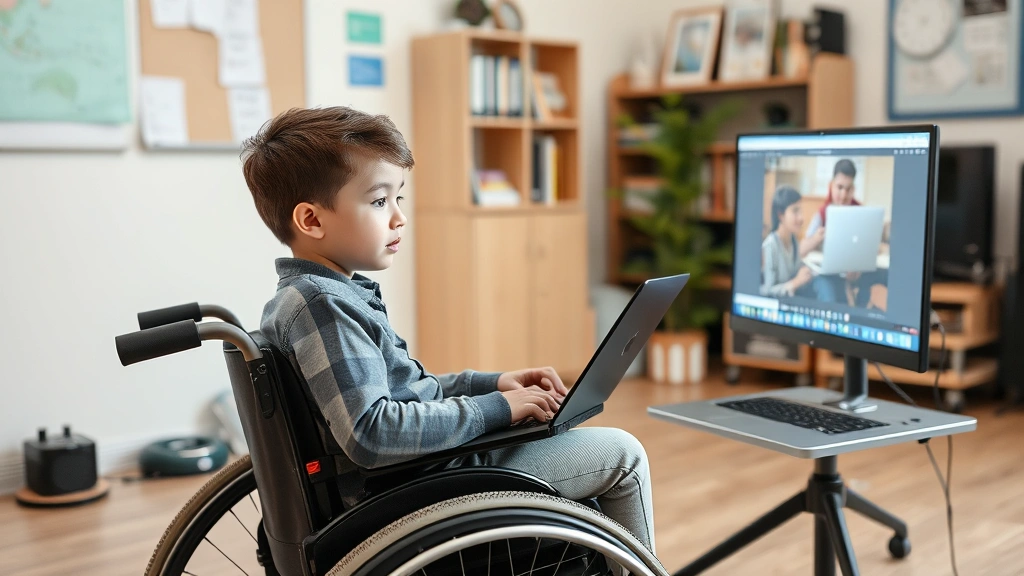
” alt=”Student studying from home with laptop and medical equipment nearby, peaceful home office environment” style=”width: 100%; max-width: 600px; height: auto; border-radius: 8px;”>
Components of a Strong Accommodation Letter
A compelling remote learning accommodation letter includes specific elements that satisfy your school’s disability services office and withstand any institutional scrutiny. Generic letters rarely succeed; your documentation must be thorough and clinically substantiated.
Essential components include:
- Provider Credentials: Letterhead from a licensed physician, psychiatrist, psychologist, or other qualified healthcare professional with relevant expertise. For psychiatric disabilities, letters from licensed mental health providers (LMHP) are appropriate; for medical conditions, physician documentation is most persuasive.
- Functional Limitations: Specific description of how your disability affects your ability to attend campus in person. Rather than stating “chronic fatigue,” explain: “Patient experiences severe post-exertional malaise lasting 2-7 days following moderate physical activity such as campus walking and stair navigation, substantially limiting her ability to attend in-person classes reliably.”
- Causal Relationship: Clear connection between your diagnosis/functional limitations and the need for remote learning. Explain why this specific accommodation addresses the barrier—don’t just request it in isolation.
- Frequency and Predictability: Describe whether your condition is constant, episodic, or fluctuating. This helps institutions understand whether you need full-time remote access or hybrid flexibility.
- Duration Projection: Indicate whether you’ll need this accommodation for one semester, the academic year, or indefinitely. This helps with planning and renewal scheduling.
- Clinician’s Opinion on Reasonableness: While the school makes final determinations, your provider’s professional opinion that remote learning is reasonable and necessary carries significant weight.
- Objective Supporting Evidence: References to test results, medication regimens, treatment frequency, or functional assessments that substantiate the functional limitation. Vague letters lack persuasive power.
- Distinction from Preference: Clarify that remote learning is medically necessary, not a preference. Many students want remote options; yours must be clinically justified.
- Use overly general language (“Student may benefit from…” instead of “Student requires…”)
- Lack specificity about functional limitations
- Fail to explain the connection between disability and accommodation need
- Include irrelevant personal details or diagnoses unrelated to the accommodation request
- Sound like the student drafted them (institutions can tell)
- Your specific accommodation request (remote learning)
- Why you need it (functional limitations)
- Any previous accommodations you’ve received
- Your school’s accommodation request form or guidelines
- Questions you have about the process
- Required format (letterhead, signature requirements, specific language)
- Submission deadline and method (email, fax, student delivery)
- Any specific questions the school wants addressed
- Whether the provider should submit directly or to you
- Reviewing your accommodation letter beforehand
- Preparing to discuss how remote learning specifically helps you
- Asking about technical requirements (learning management system access, video conferencing platform)
- Clarifying communication protocols with professors
- Understanding any limitations or conditions on your accommodation
- Most institutions already have learning management systems and video conferencing platforms
- The cost is minimal compared to institutional budgets
- Many professors already teach hybrid courses
- Remote participation doesn’t fundamentally alter most courses’ educational objectives
- Request accommodations without fear of retaliation or discrimination
- Confidentiality regarding your disability status and medical information
- Participate fully in your accommodation determination process
- Appeal denial decisions through your school’s grievance procedures
- File complaints with the U.S. Department of Education’s Office for Civil Rights if your school violates your rights
- Providing timely, complete documentation
- Communicating with disability services about changes in your needs
- Maintaining academic standards despite accommodations
- Following your school’s accommodation request procedures
- Notifying professors about approved accommodations (schools typically do this, but confirm)
Avoid letters that:
How to Request Remote Learning Accommodations
Obtaining a remote learning accommodation letter involves several strategic steps. Timing, communication, and proper documentation significantly impact success rates.
Step 1: Contact Your School’s Disability Services Office
Before seeking documentation, understand your institution’s specific accommodation request process. Most schools have a dedicated office—titled Disability Services, Student Accessibility Services, or Accessible Education—with established procedures. Review their website for required forms, deadlines, and submission methods. Some schools require accommodation requests before the semester starts; others accept mid-semester requests with justification.
Step 2: Gather Your Medical Records
Compile relevant documentation: diagnoses, treatment history, medication lists, specialist reports, and functional assessment results. This background information helps your healthcare provider write a more compelling letter and demonstrates you’ve engaged with your condition seriously.
Step 3: Schedule an Appointment with Your Healthcare Provider
Don’t email a request or assume your provider will write a letter without meeting. Schedule a focused appointment specifically to discuss accommodation documentation. Bring a written summary of:
This preparation helps your provider understand exactly what the school needs and increases letter quality.
Step 4: Provide Clear Instructions
Share your school’s accommodation documentation guidelines with your provider. Many institutions have specific forms or letter requirements. Some require direct provider submission; others accept student-submitted letters. Clarify:
Step 5: Submit Your Request Promptly
Don’t delay submitting your accommodation request. Schools process these systematically, and last-minute submissions may miss approval deadlines. If submitting through your disability services office portal, confirm receipt and follow up if you don’t receive approval within their stated timeline (typically 5-10 business days).
Step 6: Attend Your Intake Meeting
Most schools require an intake meeting with a disability services advisor to discuss your accommodation needs, review your documentation, and formalize your accommodation plan. Prepare by:
For additional guidance on accommodations, review remote work accommodation letter strategies, which share similar documentation principles.
Legal Framework and Your Rights
Understanding the legal foundation of your accommodation rights empowers you to advocate effectively and recognize when institutions aren’t meeting their obligations.
The Americans with Disabilities Act (ADA)
The ADA Title II requires public schools to provide equal access to educational programs and services. This includes reasonable accommodations like remote learning when necessary. The law protects students with disabilities from discrimination and requires institutions to make individualized determinations about reasonable accommodations.
Section 504 of the Rehabilitation Act
Section 504 applies to all schools receiving federal funding (virtually all public and most private institutions). It requires schools to provide appropriate accommodations and modifications to ensure equal access. Section 504 protections often provide broader coverage than the ADA for some conditions.
The ADA Amendments Act (ADAAA)
Passed in 2008, the ADAAA broadened disability definitions, making it easier to establish substantial limitations. This particularly helps students with episodic conditions, psychiatric disabilities, or conditions in remission but requiring ongoing management. Learn more at ADA.gov.
What “Reasonable” Means
Schools must provide accommodations unless doing so causes undue financial or administrative burden. Remote learning is generally considered reasonable because:
Schools cannot deny remote learning simply because they prefer in-person instruction or because other students might want the same accommodation. Your individualized disability requires it.
Your Rights and Responsibilities
You have the right to:
You’re responsible for:
For more information on disability rights in education, visit the U.S. Department of Education Office for Civil Rights and review EEOC resources on disability discrimination.
Common Challenges and Solutions
Even with proper documentation, students sometimes encounter obstacles to remote learning accommodations. Understanding common issues helps you navigate them effectively.
Challenge: School Claims Remote Learning “Fundamentally Alters” the Course
Solution: This argument rarely holds up legally. Most courses’ fundamental objectives—teaching content and assessing learning—aren’t altered by remote participation. If your school makes this claim, ask for specific written explanation of how remote attendance changes educational objectives. Consult your school’s grievance procedures or contact the Job Accommodation Network (JAN) for guidance on challenging the decision.
Challenge: Professors Resist Accommodations Despite Disability Services Approval
Solution: Your accommodation is institutional policy, not a professor’s discretionary choice. Disability services should communicate accommodations to all instructors. If resistance continues, document the interactions and report to disability services. Don’t accept “I don’t do accommodations” as an answer—it’s discrimination.
Challenge: Technical Barriers to Remote Participation
Solution: Work with your school’s IT department and disability services to ensure you have reliable access to learning platforms, video conferencing software, and any assistive technology you need. Most schools provide technical support or can troubleshoot compatibility issues. If your home internet is unreliable, ask about campus computer lab access or alternative solutions.
Challenge: Accommodations Approved but Implementation Is Unclear
Solution: Request a detailed accommodation plan specifying exactly how remote learning will work in each class. Will you join via Zoom? Asynchronously access recordings? Submit work electronically? Clarity prevents mid-semester surprises or inconsistent implementation.
Challenge: School Requests Unnecessary Medical Detail
Solution: Schools can’t require you to disclose your specific diagnosis or detailed medical history. If they request excessive information, politely decline and ask what specific functional limitations they need documented. Your provider can communicate only relevant functional information.
Challenge: Accommodation Renewal Complications
Solution: Begin the renewal process early—typically 4-6 weeks before your accommodation expires. Keep copies of all documentation and previous approval letters. If your condition is stable and unlikely to change, ask whether multi-year accommodation approval is possible, reducing annual renewal burden.
Many institutions now have dedicated disability services staff experienced with accommodation requests. If you encounter significant resistance, the National Association of the Deaf and other disability advocacy organizations offer guidance specific to your condition.
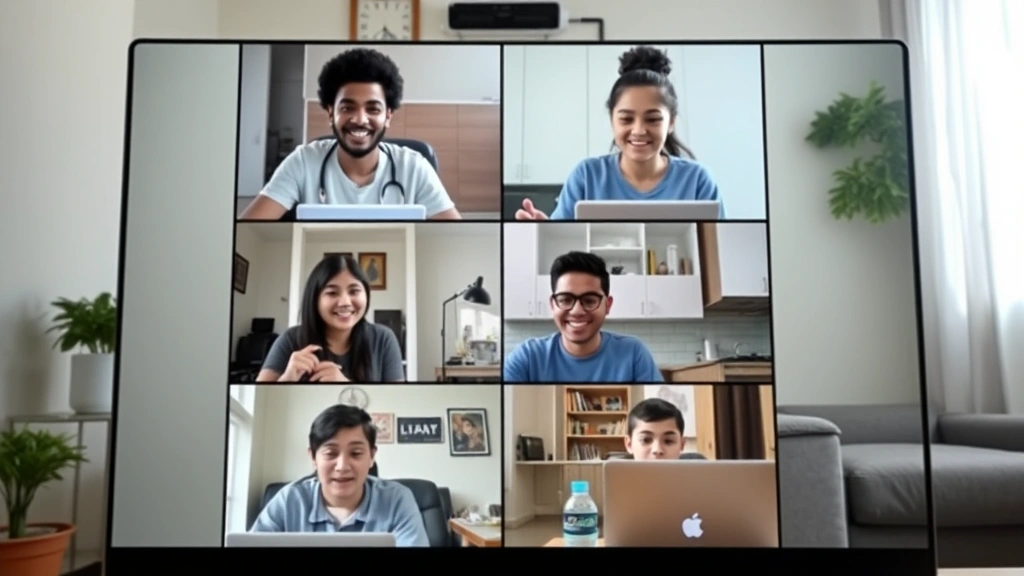
” alt=”Student in wheelchair with laptop attending virtual class, inclusive education setup with supportive environment” style=”width: 100%; max-width: 600px; height: auto; border-radius: 8px;”>
FAQ
Do I need a remote learning accommodation letter if my school already offers hybrid classes?
Not necessarily. If your school offers hybrid options to all students, you may not need formal accommodation documentation. However, if you need mandatory full-time remote learning due to disability while your school expects in-person attendance, formal accommodation documentation is essential. It ensures your remote participation is protected and not subject to change based on institutional policy shifts.
Will getting a remote learning accommodation hurt my academic record or future opportunities?
No. Accommodations are confidential and don’t appear on your transcript or official records. Future employers and graduate schools cannot see accommodation information. In fact, many students find accommodations improve their academic performance and grades, which does benefit their future prospects.
Can my school require me to attend campus for exams if I have a remote learning accommodation?
Generally, no. If your disability necessitates remote learning, it typically necessitates remote testing. However, some schools offer testing center accommodations or proctored online exams as alternatives. Discuss testing arrangements with your disability services office to ensure consistent accommodation.
What if my healthcare provider doesn’t feel comfortable writing an accommodation letter?
Some providers hesitate due to unfamiliarity with accommodation documentation. Help them by providing your school’s specific requirements and explaining that the letter documents their professional opinion about your functional limitations—standard clinical practice. If they still refuse, seek a second opinion from another qualified provider who specializes in your condition.
How long does remote learning accommodation approval take?
Most schools process accommodation requests within 5-10 business days. However, if your documentation is incomplete, the school may request additional information, extending the timeline. Submit requests as early as possible—ideally 4-6 weeks before the semester starts—to avoid delays.
Can I request remote learning for only certain classes?
Yes. Accommodations can be tailored to your needs. Some students need full-time remote learning; others need it for classes with significant travel requirements or at specific times when their symptoms are worst. Work with disability services to customize your accommodation plan.
What happens if I don’t need remote learning every semester?
Your accommodation can change based on your health status. If you’re able to attend campus one semester but need remote access the next, inform disability services of the change. You can request accommodation modifications or temporary approval periods. This flexibility ensures accommodations match your actual needs.
Can my school deny remote learning accommodation if many students request it?
No. Accommodations are determined individually based on disability and functional need, not based on how many other students request them. Your school cannot create arbitrary limits on the number of accommodations they’ll approve.