Legit Service Animal Travel Docs: Expert Insights
Traveling with a service animal requires proper documentation to ensure smooth transitions through airports, hotels, and transportation hubs. Service animals perform critical tasks for people with disabilities—from guiding individuals with visual impairments to alerting those with seizure disorders—and legitimate travel documentation protects both the handler and the animal. Understanding what constitutes valid service animal travel papers can prevent delays, denials, and unnecessary stress during your journey.
The distinction between legitimate service animal documentation and fraudulent credentials has become increasingly important as airlines and hospitality businesses tighten verification standards. Federal regulations under the Americans with Disabilities Act (ADA) and Department of Transportation (DOT) rules establish clear requirements for what handlers must provide. This guide walks you through the legitimate documents you’ll need, how to obtain them legally, and what red flags to watch for when acquiring service animal travel paperwork.

What Qualifies as Legitimate Service Animal Documentation
Under the ADA, service animals are dogs trained to perform specific tasks for individuals with disabilities. Legitimate documentation establishes this relationship and the animal’s training status. The core document is a Service Animal Certification Letter from a licensed mental health professional or physician who has evaluated your disability and understands the service animal’s role.
This letter must include several key elements: your name, the healthcare provider’s credentials and contact information, confirmation that you have a documented disability, a statement that the animal is individually trained to perform disability-related tasks, and the healthcare provider’s professional signature. The letter should be on official letterhead and dated within the past 12 months for most travel purposes.
Unlike emotional support animals (ESAs), service animals don’t require special licenses or certifications from government agencies. Be cautious of online vendors claiming to provide “official” service animal registries or certifications—no legitimate federal registry exists. If you’re seeking proper documentation, work with your treating healthcare provider or consult a proof of disability letter from doctor resource for guidance on what legitimate providers offer.
The distinction matters legally and ethically. A legitimate service animal letter serves as evidence of your disability and the animal’s training, not as a license or permit. Airlines and hotels use this documentation to verify your access rights under federal law, not to validate the animal’s existence.
TSA and Airline Requirements for Service Animals
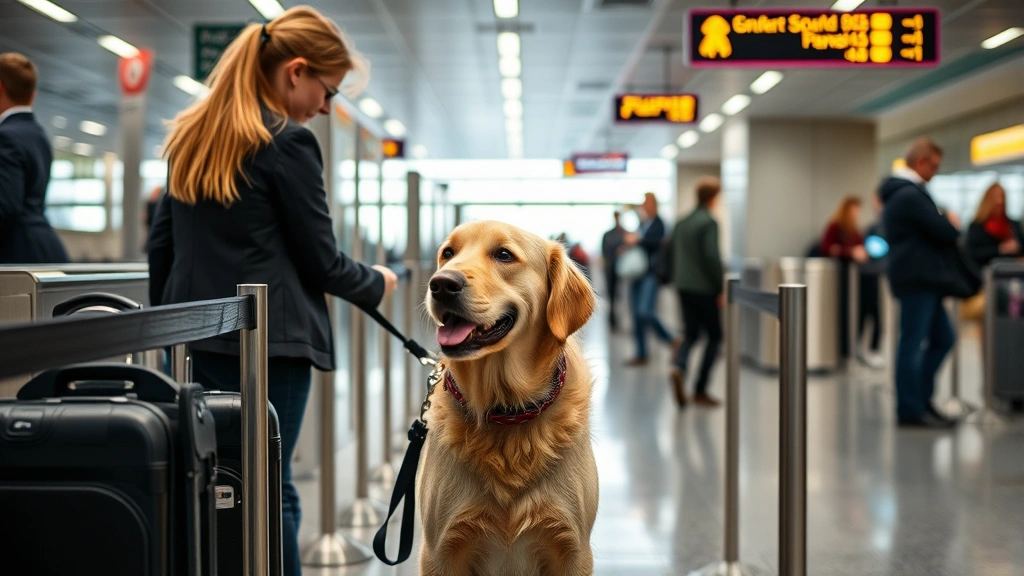
The Transportation Security Administration (TSA) and individual airlines have specific requirements for traveling with service animals. When you arrive at airport security, TSA agents may ask whether your dog is a service animal and what tasks it performs. You must answer truthfully; providing false information is a federal offense.
The TSA does not require advance notice or special documentation for service animals—they can pass through security with you without being placed in a carrier. However, having a service animal certification letter readily available helps expedite the process and resolve questions. Airlines, which operate under Department of Transportation regulations, may request documentation before boarding, particularly if the animal’s status seems unclear.
Each airline sets its own policies within federal guidelines. Most major carriers—including United, Delta, American, and Southwest—accept valid service animal letters as documentation. The DOT’s guidance on service animals in air travel clarifies that airlines can ask for a signed statement confirming the animal is trained to perform disability-related tasks, but they cannot demand proof of training or handler disability.
Your documentation package should include: the service animal certification letter, veterinary health records showing current vaccinations, and airline-specific forms if requested. Some airlines provide their own verification forms; you’ll complete these with your healthcare provider’s information. Keep digital and physical copies of all documents in easily accessible locations during travel.
Ground transportation like trains and buses may have different requirements. Amtrak, for example, accepts service animals with proper documentation but requires advance notice for certain routes. Having comprehensive, legitimate documentation prevents confrontations and denials at departure.
International Travel Documentation Standards
Traveling internationally with a service animal introduces additional documentation requirements. Most countries recognize the ADA definition of service animals but may require additional paperwork specific to their regulations. Before booking international travel, contact the destination country’s embassy or consulate to understand their service animal policies.
Common international requirements include: a health certificate issued by a licensed veterinarian within 10 days of travel, proof of current rabies vaccination, a microchip identification number, and sometimes a pet passport (available in EU countries and other regions). Some nations require these documents to be translated into the local language by a certified translator.
Your service animal certification letter—the one documenting your disability and the animal’s training—remains essential internationally. However, you’ll also need veterinary documentation proving the animal’s health status. This is distinct from the disability-related certification and should come from your veterinarian, not your healthcare provider.
Several countries have strict import regulations. Australia, New Zealand, and Japan, for example, require extended quarantine periods for animals entering the country. Before international travel, research whether your destination’s regulations are compatible with your service animal’s needs. Some people find that certain international routes or destinations aren’t feasible with service animals due to quarantine requirements or breed restrictions.
Legitimate international documentation includes: valid ADA service animal letter, veterinary health certificate (AAFIS form or equivalent), rabies vaccination proof, microchip documentation, and any country-specific forms. Border agents and customs officials will examine these documents, so ensure they’re authentic and current.
Medical Certification and Veterinary Records
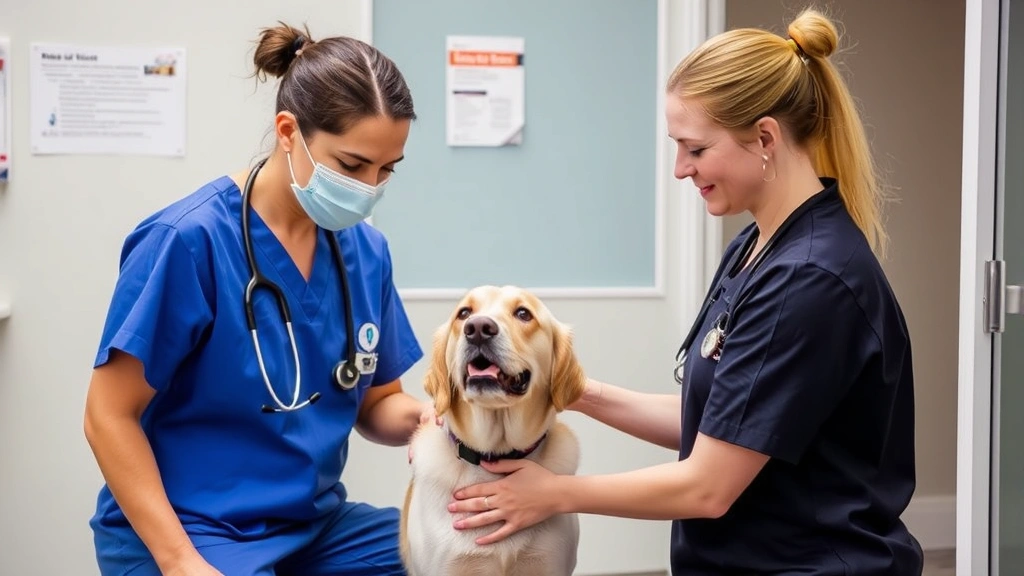
Your service animal’s medical documentation differs from your disability documentation, yet both are crucial for travel. Veterinary records confirm the animal’s health status and vaccination history—requirements for air travel and international borders. These records should show: current rabies vaccination, other relevant immunizations, a recent health examination (typically within 12 months), and the veterinarian’s signature and contact information.
Request a formal Health Certificate for Travel from your veterinarian if flying internationally. This document, often on official state veterinary forms, certifies that your animal is healthy and fit for travel. The veterinarian examines the animal before issuing this certificate; they cannot simply sign it without examination.
Separate from veterinary records is your disability-related service animal documentation—the letter from your healthcare provider confirming your disability and the animal’s trained tasks. These serve different purposes: veterinary records prove the animal is healthy; the healthcare provider letter proves the animal is a legitimate service animal under the ADA.
Keep both sets of documentation organized and readily accessible. When traveling, carry the service animal letter in your carry-on luggage along with veterinary records. Digital copies stored in cloud services provide backup access if physical documents are lost or damaged during travel.
Some healthcare providers and veterinarians work together to provide comprehensive documentation packages. However, your healthcare provider cannot issue veterinary health certificates, and your veterinarian cannot issue disability-related service animal letters. Each professional provides documentation within their scope of expertise.
Housing and Ground Transportation Documents
Service animal documentation extends beyond air travel to housing accommodations and ground transportation. If you’re traveling and staying in hotels or rental properties, you may need to provide service animal documentation to verify your right to have the animal in the space. Under the Fair Housing Act, landlords and hotels cannot charge pet fees for legitimate service animals, but they can request verification.
A valid service animal verification letter from your healthcare provider is the standard documentation for housing accommodations. This letter establishes your disability and the animal’s necessary role in your life. If you’re seeking housing accommodations, you might also reference disability verification letter for apartment resources to understand what documentation landlords typically require.
Ground transportation—buses, trains, rideshare services—may request documentation when you board with a service animal. Legitimate documentation includes your service animal letter and, for some services, a simple written statement that your dog is trained to perform disability-related tasks. Some handlers prepare a one-page summary document combining key information from their full service animal letter for quick reference during travel.
Hotels sometimes confuse service animals with emotional support animals. While ESAs have different legal status and requirements, service animals are always permitted in public accommodations. Having clear, legitimate documentation prevents unnecessary disputes. Present your service animal letter proactively when checking in; most hotels will process your reservation without issue once they verify the documentation.
Rental car companies and other ground transportation services typically don’t require documentation for service animals but may ask clarifying questions. Being prepared with legitimate documentation and a calm, informative explanation of your service animal’s role helps facilitate smooth travel experiences.
Red Flags and Fraudulent Documentation Schemes
The market for fake service animal documentation has expanded, creating risks for both legitimate handlers and the public. Understanding red flags helps you protect yourself and avoid legal and ethical problems. Legitimate service animal documentation comes from licensed healthcare providers who have evaluated you; any service that issues letters without a professional evaluation is fraudulent.
Common fraudulent schemes include: online companies offering instant service animal letters for $50-200 without requiring any healthcare provider evaluation, websites claiming to provide “official” service animal registrations (no federal registry exists), and vendors selling service animal vests, patches, or IDs with the implication that these are required or official. These services exploit people’s desire for convenient documentation while undermining the credibility of legitimate service animals.
Red flags when seeking documentation include: providers who don’t ask detailed questions about your disability or the animal’s training, letters issued immediately without consultation, services that guarantee documentation regardless of your situation, and requests to pay for documentation through untraceable payment methods. Legitimate healthcare providers require appointments, ask thorough questions, and issue letters on official letterhead with their credentials clearly displayed.
Using fraudulent service animal documentation carries serious consequences. Airlines can ban you from flying; hotels can refuse accommodation; and if discovered, you may face federal charges for misrepresenting a service animal. Beyond legal risks, fraudulent documentation undermines public trust in legitimate service animals, making travel more difficult for people who genuinely need these animals.
Protect yourself by working only with licensed healthcare providers you’ve established a relationship with or through referrals from disability organizations. If you’ve previously received documentation from an unreliable source, seek new documentation from a legitimate provider before traveling. The ADA website provides clear guidance on what constitutes legitimate service animal status and documentation.
How to Obtain Legitimate Service Animal Letters
Obtaining authentic service animal documentation requires working with a licensed healthcare provider—a physician, psychiatrist, psychologist, or licensed clinical social worker—who understands your disability and can assess your service animal’s role. If you already have a healthcare provider treating your disability, start there. Explain that you need a service animal letter for travel and other accommodations.
Your provider may ask: detailed questions about your disability’s functional limitations, specific tasks your service animal performs, how the animal was trained, how long you’ve had the animal, and how the animal improves your ability to function. These questions help the provider understand the legitimacy of your service animal and write an accurate letter.
If you don’t have an established healthcare provider, you’ll need to schedule an evaluation. This typically involves an initial appointment where you discuss your disability and service animal. Some providers specialize in disability documentation and understand service animal requirements well. When seeking a new provider, ask if they have experience writing service animal letters and understand what legitimate documentation includes.
Once your provider agrees to write a letter, they’ll typically provide it within 1-2 weeks. The letter should be on their official letterhead, include their license number and contact information, and be dated and signed in ink. Request multiple copies—you’ll need them for different purposes (airlines, hotels, ground transportation).
If you’re struggling to find a provider willing to write a service animal letter, consider consulting disability rights organizations or service dog training organizations for referrals. These organizations often maintain lists of providers experienced in disability documentation. Additionally, resources like university accommodation verification forms and college disability services documentation provide examples of legitimate disability documentation format and content, which can help you understand what to expect.
Keep your documentation current. Letters are typically valid for 12 months, though some organizations may accept longer-dated letters. Before traveling, verify that your documentation hasn’t expired and request updated letters if needed. Maintaining an ongoing relationship with your healthcare provider ensures you can obtain updated documentation when necessary.
FAQ
Do I need official registration or certification for my service animal?
No. The ADA does not require service animals to be registered, certified, or licensed. No legitimate federal registry for service animals exists. Your service animal letter from a healthcare provider and veterinary health records are sufficient documentation. Be cautious of any organization claiming to provide “official” service animal certification.
Can airlines deny boarding to my service animal?
Airlines can ask whether your dog is a service animal and what tasks it performs. They cannot require special documentation, though they may ask for a signed statement. However, if your animal poses a direct threat or is not housebroken, airlines can deny boarding. Having legitimate service animal documentation helps prevent unnecessary denials based on misunderstanding.
What’s the difference between a service animal letter and an ESA letter?
A service animal letter documents a dog trained to perform specific disability-related tasks. An ESA letter documents an animal that provides comfort through its presence. Service animals have broader public access rights under the ADA. ESA documentation is relevant for housing and some ground transportation but not for general public accommodations. If you need information on ESA documentation, resources like emotional support animal letter online provide guidance.
How much should legitimate service animal documentation cost?
Healthcare provider appointments and letters typically cost $100-300, depending on your location and whether you have an established relationship with the provider. If you’re an established patient, some providers charge minimal fees for letters. Veterinary health certificates cost $50-150. If a service is charging significantly less or more, or guaranteeing documentation without evaluation, it’s likely fraudulent.
Can I use documentation from online providers?
No. Legitimate service animal letters must come from licensed healthcare providers who have evaluated you in person or through a real therapeutic relationship. Online-only services that issue letters without proper evaluation are fraudulent. The DOT and ADA do not recognize documentation from these sources.
What documentation do I need for international travel?
For international travel, you’ll need: a service animal letter from your healthcare provider, a veterinary health certificate from your veterinarian (issued within 10 days of travel), proof of current rabies vaccination, microchip information, and any country-specific forms. Check with your destination country’s embassy for their specific requirements.
My provider won’t write a service animal letter. What should I do?
If your current provider is unwilling, you may need to seek another licensed healthcare provider. Explain clearly what you need and why. If you’re having difficulty, contact disability advocacy organizations or service dog training organizations for referrals to providers experienced in writing service animal documentation. Legitimate providers understand the importance of proper documentation.