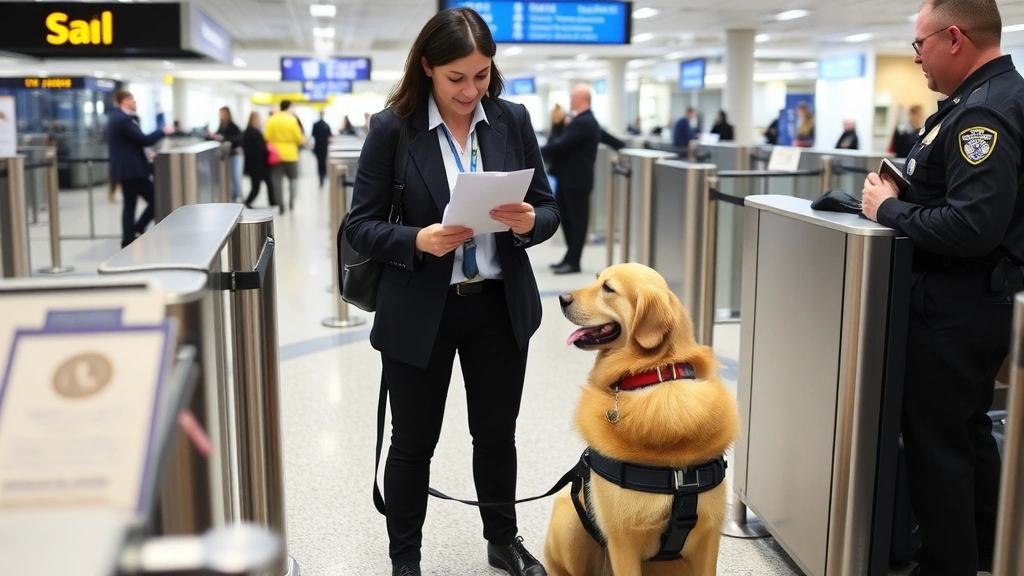
Traveling with a service animal requires proper documentation to ensure smooth passage through airports, hotels, and transportation hubs. Service animals perform critical tasks for individuals with disabilities—from guiding those with visual impairments to alerting people with diabetes to dangerous blood sugar fluctuations. Without appropriate travel documentation, you and your service animal may face unnecessary delays, denial of access, or stressful confrontations with airline staff and hospitality providers.
The process of obtaining service animal travel documents online has become increasingly streamlined, allowing handlers to gather necessary paperwork from licensed professionals without lengthy in-person appointments. This guide walks you through the essential documents, online verification processes, and expert strategies to ensure your service animal travels with you safely and legally.

Understanding Service Animal Travel Requirements
Service animals are defined by the Americans with Disabilities Act (ADA) as dogs (and in some cases miniature horses) trained to perform specific tasks for individuals with disabilities. Unlike emotional support animals (which you can learn more about through ESA letter resources), service animals have access rights in public spaces and during air travel without additional fees.
The legal framework for service animal travel differs significantly from standard pet travel. Under the Air Carrier Access Act (ACAA), airlines must accommodate service animals at no charge. However, airlines are permitted to request documentation verifying that the animal is indeed a trained service animal and not a pet. This is where proper documentation becomes essential.
Federal law does not require service animals to wear special vests, carry identification cards, or have official registrations. However, having comprehensive documentation protects you in situations where airline staff or other entities question your animal’s status. Online documentation services have emerged to help handlers obtain these protective papers quickly and legally.
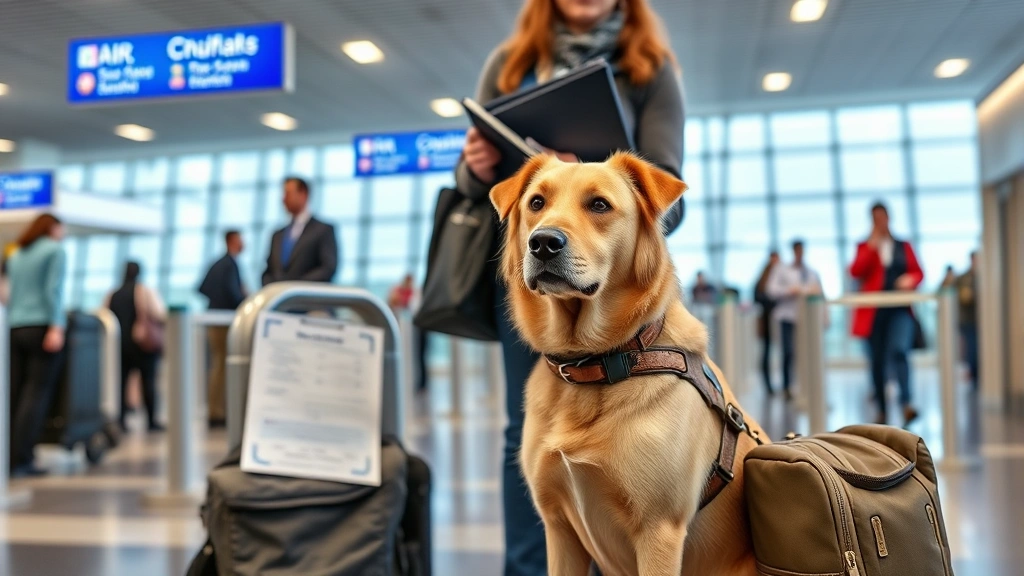
Essential Travel Documentation for Service Animals
Service Animal Verification Letter: The most critical document is a letter from a licensed healthcare provider (physician, psychiatrist, or other qualified professional) verifying that you have a disability and that your service animal is trained to perform specific tasks related to your disability. This letter should not identify your disability by name if you prefer privacy, but it must confirm the disability-related need for the service animal. Many online platforms, including disability confirmation letter services, can facilitate this documentation process.
Veterinary Health Certificate: Most airlines and international authorities require a health certificate issued by a licensed veterinarian within 10 days of travel. This document confirms your service animal is healthy, up-to-date on vaccinations, and free from communicable diseases. The certificate must be on official veterinary letterhead and include the veterinarian’s license number and contact information.
Vaccination Records: Maintain current records of all vaccinations, particularly rabies. While service animals are generally exempt from pet restrictions, some jurisdictions and facilities may request proof of vaccination for safety purposes.
Microchip Documentation: Having your service animal microchipped and maintaining records of the microchip number provides an additional safety layer. If your animal becomes separated during travel, microchip information facilitates recovery.
Training Certification: Documentation from the organization or trainer that trained your service animal strengthens your verification. This might include a certificate of completion or a trainer’s letter describing the tasks your animal performs.
Getting Documentation Online: Step-by-Step Process
Step 1: Choose a Reputable Online Service Select a platform that connects you with licensed healthcare providers rather than offering pre-written documents. Legitimate services require you to undergo a consultation (often via telehealth video call) with a real licensed professional who can assess your situation and provide honest documentation.
Step 2: Complete Your Health Profile You’ll typically fill out a detailed questionnaire about your disability, the specific tasks your service animal performs, and your travel plans. Be specific: instead of “provides emotional support,” describe actual tasks such as “alerts me to panic attacks by pressing against my chest” or “guides me around obstacles when my vision is impaired.”
Step 3: Schedule a Telehealth Consultation Most reputable online services connect you with a licensed provider for a video consultation within 24-48 hours. During this call, the provider will discuss your disability, your service animal’s training, and the necessity of the service animal for your mobility or safety. This conversation ensures the documentation is medically and legally sound.
Step 4: Receive Your Documentation After the consultation, the provider issues your service animal verification letter, typically within the same day or within 24 hours. The letter should be on official letterhead with the provider’s credentials, license number, and contact information. Avoid services that provide instant letters without any consultation—these are not legally defensible and may result in travel denial.
Step 5: Obtain Veterinary Documentation Schedule a veterinary appointment (which can often be conducted online for the health certificate portion, though a physical exam may be required). Provide the veterinarian with your travel dates so they can issue the certificate with appropriate timing.
Step 6: Compile Your Travel Packet Organize all documents in a clear folder: verification letter, veterinary health certificate, vaccination records, microchip documentation, and trainer certification. Keep both digital and physical copies. Digital copies stored in cloud services ensure you have access even if physical documents are lost.
Airline-Specific Requirements and Forms
Different airlines have varying requirements for service animal documentation, though all must comply with federal law. Here’s what to expect:
- United Airlines: Requests a DOT Service Animal Relief Attestation form (now required by federal regulation) if your service animal will relieve itself during the flight. They also accept veterinary health certificates and provider letters confirming disability and service animal training.
- American Airlines: Requires advance notice of service animal travel and accepts standard verification letters from healthcare providers. They may request additional information about the animal’s behavior and training.
- Delta Air Lines: Mandates the DOT form and requests documentation of the service animal’s training. They have specific guidelines about animal size and behavior.
- Southwest Airlines: Requires advance notification and accepts provider verification letters. They maintain relatively straightforward policies compared to other carriers.
The U.S. Department of Transportation (DOT) provides standardized forms that airlines must accept. Obtaining a reasonable accommodation letter or similar documentation from a licensed provider ensures you meet these requirements.
Always contact your specific airline 48 hours before travel to confirm current requirements, as regulations evolve. Provide your documentation proactively rather than waiting to be asked—this sets a cooperative tone and reduces friction at check-in.
International Travel with Service Animals
International travel with a service animal involves additional complexity. Different countries have varying regulations regarding service animal entry, quarantine requirements, and documentation standards.
European Union Requirements: The EU requires an EU Pet Passport, microchipping, rabies vaccination, and a health certificate issued by a licensed veterinarian. Service animals may have some exemptions from pet restrictions, but documentation must be clear and comprehensive.
United Kingdom: Post-Brexit, the UK now requires an Animal Health Certificate (AHC) in addition to microchipping and vaccination records. The certificate must be issued by a licensed veterinarian no more than 10 days before travel.
Canada and Mexico: Both countries accept U.S. veterinary health certificates and proof of rabies vaccination. Service animal verification from a licensed healthcare provider is recommended but not always legally required—however, having it prevents unnecessary complications.
Australia and New Zealand: These countries have strict import regulations. You’ll need an import permit, microchip documentation, vaccination records, and potentially quarantine arrangements. Service animal status does not exempt you from these requirements.
Begin international travel planning at least 8-12 weeks before your departure date. Contact the destination country’s agricultural or customs department directly to understand current requirements. Your veterinarian can guide you through health certificate and vaccination timing.
Common Challenges and How to Overcome Them
Challenge: Airline Staff Questioning Service Animal Status Even with proper documentation, some airline employees may challenge your service animal, particularly if the animal is not a dog or if they are unfamiliar with the specific tasks. Response: Remain calm and professional. Provide your documentation immediately. If staff continues to deny access despite valid documentation, ask for a supervisor and reference the ACAA. Document the interaction with names, dates, and badge numbers. You can file complaints with the DOT Office of Aviation Consumer Protection.
Challenge: Difficulty Obtaining Provider Documentation Some individuals struggle to find licensed providers willing to document their service animal. This is particularly common for individuals with psychiatric service animals. Solution: Use legitimate online services that specialize in connecting handlers with qualified providers. Avoid any service that provides instant documentation without a real consultation—these documents will not withstand scrutiny.
Challenge: Conflicting Information from Different Sources Airlines, TSA, and other agencies sometimes provide contradictory information about service animal requirements. Best practice: Rely on official DOT and ADA guidance. Cross-reference information on official government websites rather than airline social media or customer service representatives who may be misinformed.
Challenge: International Destination Confusion Different countries have vastly different regulations, and information can be difficult to find. Solution: Contact the destination country’s embassy or consulate directly. Ask specifically about service animal entry requirements and whether documentation from a U.S. healthcare provider will be accepted. Allow extra time for clarification.
Challenge: Lost or Damaged Documentation During Travel Physical documents can be lost or damaged. Prevention: Maintain digital copies in cloud storage (Google Drive, Dropbox, OneDrive) accessible from any device. Take photos of all documents and email them to yourself. Some online documentation services provide digital archives you can access anytime.
If you need additional support obtaining documentation for housing accommodations or workplace situations related to your service animal, medical disability documentation services can provide comprehensive support across multiple areas of your life.
FAQ
Do I legally need documentation to travel with my service animal?
Federal law does not require service animals to have special documentation, registration, or identification. However, airlines are permitted to request verification that your animal is a trained service animal and not a pet. Having solid documentation prevents travel delays and conflicts. It’s a practical necessity even if not a legal requirement.
Can I get service animal documentation online without seeing a doctor in person?
Yes, legitimate online services connect you with licensed healthcare providers via telehealth video consultation. This is legal and valid—the provider must be licensed and must conduct a real assessment of your situation. Avoid services offering instant documents without any consultation; these are not legally defensible.
How long does it take to get service animal travel documentation?
Most reputable online services provide documentation within 24-48 hours. Some offer same-day service if you complete your consultation early in the day. Veterinary health certificates require a veterinary appointment, which may add 1-2 weeks depending on availability. Plan ahead and don’t wait until days before travel.
What’s the difference between a service animal and an emotional support animal for travel?
Service animals perform trained tasks and have access rights in public spaces and on airplanes at no charge. Emotional support animals provide comfort through their presence but are not trained for specific tasks. ESAs are not covered by the same travel protections and typically cannot travel in airplane cabins. If you have an ESA, you can learn about ESA letters and their specific purposes.
Will my service animal documentation work internationally?
U.S. service animal documentation is recognized in many countries but not all. Each country has specific import requirements. A letter from a U.S. healthcare provider verifying your disability and service animal is helpful but may not satisfy all requirements. You’ll also need veterinary health certificates and may need country-specific import permits. Research your destination’s specific regulations early.
What should I include in my service animal travel packet?
Include: (1) verification letter from a licensed healthcare provider, (2) veterinary health certificate, (3) vaccination records, (4) microchip documentation with registration proof, (5) service animal trainer certification if available, (6) DOT Service Animal Relief Attestation form if applicable, and (7) airline-specific forms. Keep both digital and physical copies organized in a clear folder.
Can I use a functional limitation verification letter for service animal travel documentation?
A functional limitation letter can support your service animal documentation, particularly if it describes how your disability impacts mobility or safety and how your service animal mitigates those limitations. However, the primary document should be a specific service animal verification letter that confirms the animal’s training and the disability-related need.
What happens if an airline denies my service animal access despite proper documentation?
Document the interaction with staff names, times, and details. Ask to speak with a supervisor and reference the Air Carrier Access Act. Request the airline’s written explanation for the denial. File a complaint with the DOT Office of Aviation Consumer Protection within 45 days. You may also consult with a disability rights attorney about potential legal action.
Do I need separate documentation for different airlines?
One comprehensive service animal verification letter from a licensed healthcare provider works for all airlines, as they must comply with federal ACAA requirements. However, individual airlines may have additional forms (like the DOT Service Animal Relief Attestation) that you’ll need to complete. These forms supplement but don’t replace your primary documentation.