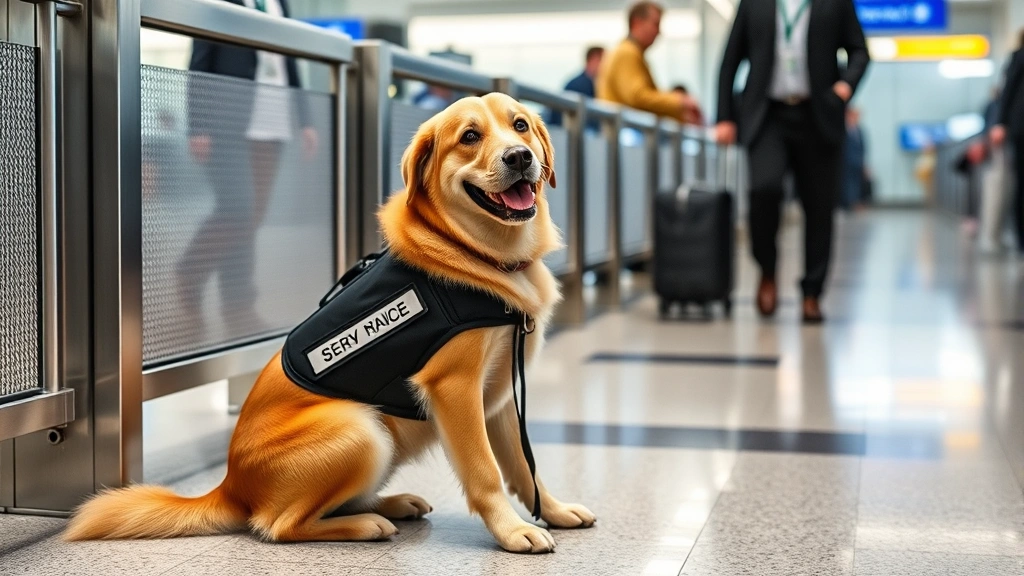
Traveling with a service animal requires proper documentation to ensure smooth passage through airports, hotels, and transportation hubs. Service animals perform critical tasks for people with disabilities—from guiding those with visual impairments to alerting individuals with diabetes about dangerous blood sugar levels. However, without the right paperwork, you may face unnecessary delays, questioning, or even denial of access. This guide walks you through obtaining service animal travel documentation quickly and efficiently, so you can focus on your journey rather than bureaucratic obstacles.
The key to fast approval lies in understanding what documentation airlines, hotels, and transportation services actually require, preparing your paperwork ahead of time, and working with qualified healthcare providers who understand service animal regulations. Unlike emotional support animals (ESAs), service animals are protected under the Americans with Disabilities Act (ADA) and have specific legal requirements. By gathering the correct documents and presenting them professionally, you can streamline your travel experience and reduce stress for both you and your service animal.
Understanding Service Animal Travel Requirements
Service animals are not pets—they are working animals trained to perform specific tasks for people with disabilities. The ADA recognizes only dogs and, in limited cases, miniature horses as service animals. This distinction is crucial because it affects what documentation you’ll need and how airlines and accommodations will treat your animal.
The Department of Transportation (DOT) and individual airlines have specific rules about service animal documentation. Unlike ESAs, which require an ESA letter from a doctor, service animals have a different documentation pathway. Airlines may ask for a Department of Transportation Service Animal Form, but they cannot require extensive medical records or charge fees for your service animal’s passage.
Before traveling, understand that:
- Service animals are permitted in cabin areas of aircraft free of charge
- No special crate or carrier is required if the animal can fit under the seat
- Hotels must allow service animals in rooms at no extra cost
- Public transportation must accommodate service animals without additional fees
- Documentation requirements vary by carrier and destination country
International travel adds complexity. Different countries have varying regulations about service animal entry, quarantine requirements, and vaccination documentation. Research your destination’s specific requirements months in advance to avoid last-minute complications.
Essential Documentation for Air Travel
Airlines are the primary concern for most travelers with service animals. The TSA and DOT have established guidelines that apply across U.S. carriers, but individual airlines may request specific forms or verification.
DOT Service Animal Form
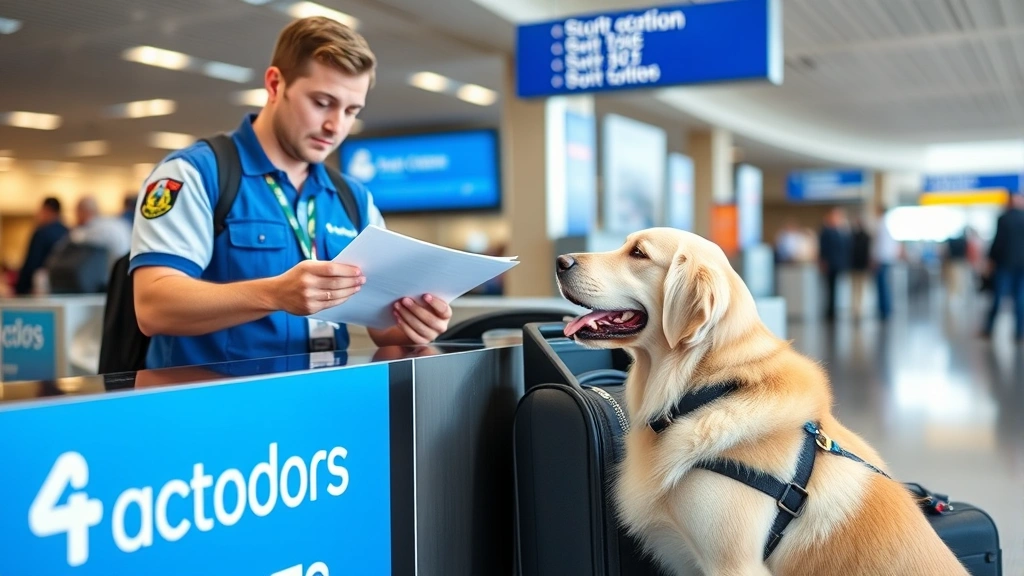
The Department of Transportation Form 1571 (Assistance Animal Report) can be requested by airlines no more than 48 hours before departure. This form asks you to certify that your animal is a service animal, describe the tasks it performs, and confirm it is under your control. You don’t need a doctor’s signature on this form—your certification as the handler is sufficient. However, having disability documentation in your records strengthens your position if questioned.
Vaccination and Health Records
For domestic travel within the U.S., airlines typically don’t require vaccination records for service animals. However, it’s wise to carry proof of:
- Current rabies vaccination
- Recent health check-up (within 30 days of travel)
- Any required medications with prescriptions
- Microchip registration information
These documents protect your animal and provide backup evidence of legitimate service animal status if challenged.
International Travel Documentation
International travel demands significantly more paperwork. You’ll likely need:
- Health certificate issued by a licensed veterinarian (required by most countries)
- Proof of rabies vaccination (often within 30 days to 12 months of travel)
- Import permits from the destination country
- Microchip documentation and registration
- Airline-specific service animal forms
- Proof of training certification (some countries require this)
Contact the embassy or consulate of your destination country at least 8-12 weeks before departure to obtain specific requirements. Many countries have strict quarantine rules or may deny entry to service animals without proper advance notice.
Hotel and Ground Transportation Documentation
Once you’ve navigated air travel, hotels and ground transportation require their own documentation protocols.
Hotel Accommodations
Hotels must allow service animals under the Fair Housing Act and ADA. However, they may ask you to verify that your animal is indeed a service animal. Prepare:
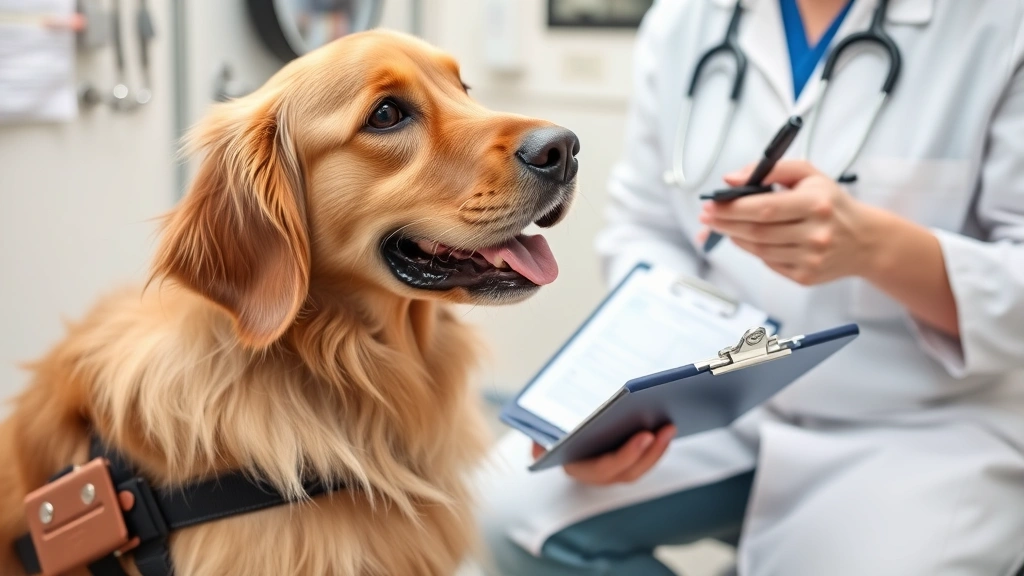
- A letter from your healthcare provider confirming your disability and need for the service animal
- Documentation of the service animal’s training (from the organization that trained it)
- Proof of current vaccinations
- Your service animal’s identification card or vest
Having a disability verification letter via telehealth is particularly useful here. It provides professional confirmation of your disability without requiring an in-person appointment, making it fast and accessible. This letter can be presented to hotel staff if they question whether your animal qualifies as a service animal.
Rental Cars and Ride-Share Services
Rental car companies must accommodate service animals at no additional charge. Bring documentation showing your service animal is legitimately trained. Ride-share services like Uber and Lyft have specific policies—drivers cannot refuse you, but having your documentation ready prevents awkward conversations.
Public Transportation
Buses, trains, and other public transit systems must allow service animals. Keep documentation easily accessible in case transit staff question whether your animal qualifies. Many transit systems simply require you to state that your animal is a service animal, but having written verification prevents disputes.
Fast-Track Approval Strategies
Speed matters when you’re preparing for travel. Here are evidence-based strategies to accelerate documentation approval:
Work with Specialized Telehealth Providers
Traditional in-person doctor appointments can take weeks to schedule. Telehealth providers specializing in disability documentation can often provide letters within 24-48 hours. Services offering fast disability documentation are particularly valuable for last-minute travel. These providers understand service animal requirements and craft letters that satisfy airline and hotel requirements without ambiguity.
Prepare Templates and Checklists
Create a travel binder containing:
- Copies of all relevant documentation (front and back)
- A checklist of what each airline requires
- Contact information for your service animal’s trainer
- Your veterinarian’s contact information and fax number
- Copies of your service animal’s training certification
- Photos of your service animal (helpful if questioned)
Having everything organized prevents frantic last-minute scrambling and allows you to respond quickly to requests.
Contact Airlines Early
Call your airline 2-3 weeks before departure, not 48 hours before. Ask specifically:
- “What documentation do you require for my service animal?”
- “Can I submit forms in advance?”
- “What is your definition of a service animal?”
- “Are there any recent policy changes?”
Getting answers early gives you time to obtain any missing documentation without rushing.
Use Certified Service Animal Organizations
If your service animal came from a recognized organization (Guide Dogs for the Blind, Canine Companions, etc.), that organization can provide documentation quickly. They understand the documentation requirements and can issue letters confirming your animal’s training and status. This carries more weight than personal certification alone.
Maintain Updated Records
Keep vaccination records, microchip information, and health certificates current year-round. Don’t wait until travel is scheduled. Updated records mean you’re always ready for spontaneous trips and can submit documentation immediately when requested.
Common Approval Delays and How to Avoid Them
Understanding why approvals get delayed helps you prevent problems before they occur.
Vague or Incomplete Medical Documentation
Letters that simply state “this person has a disability and needs their service animal” are insufficient. Airlines want to know:
- Specific functional limitations caused by your disability
- How the service animal mitigates these limitations
- Specific tasks the animal performs
Work with providers who understand these requirements. A doctor-signed functional limitation verification letter addresses these points specifically, speeding approval.
Confusion Between Service Animals and ESAs
Many people mistakenly believe an ESA letter qualifies their animal for service animal protections during travel. It doesn’t. ESAs have different legal status. If you present an ESA letter when asked for service animal documentation, you’ll face delays and possible denial. Ensure your documentation clearly states your animal is a trained service animal, not an ESA.
Missing International Documentation
The most common reason for international travel delays is incomplete country-specific documentation. Start the documentation process 12 weeks before international travel. Contact:
- Your destination country’s embassy or consulate
- The destination country’s agriculture or animal import agency
- Your airline’s international service animal department
Different countries have dramatically different requirements—some require quarantine, others require specific training certifications, and some have breed restrictions. No amount of U.S. documentation will help if you don’t have the destination country’s required paperwork.
Expired or Outdated Vaccinations
Vaccination records expire. Check your service animal’s rabies vaccination date and renew at least 6 weeks before travel. Some countries require vaccinations within specific timeframes (e.g., rabies vaccination must be more than 30 days but less than 12 months old). Missing these windows requires re-vaccination, which delays travel plans.
Lack of Professional Verification
Self-certification works for U.S. domestic travel, but hotel staff and international authorities often want professional verification. Having documentation from a licensed healthcare provider or recognized service animal organization eliminates most challenges. This is where telehealth services providing disability verification letters via telehealth prove invaluable—they provide professional credibility quickly.
FAQ
Do I need an ESA letter for my service animal to travel?
No. Service animals and emotional support animals are legally distinct. An ESA letter does not qualify an animal for service animal protections. Service animals are trained to perform specific tasks and are protected under the ADA. ESAs provide emotional comfort but don’t have the same legal status during travel. You need service animal documentation, not an ESA letter.
How quickly can I get service animal travel documentation?
Telehealth providers specializing in disability documentation can issue letters within 24-48 hours. However, for international travel, you need additional documentation (health certificates, import permits) that may take 4-8 weeks. Plan ahead—don’t wait until the week before departure.
Can airlines deny my service animal access?
Airlines cannot deny access to legitimately trained service animals. However, they can ask you to complete a DOT form certifying your animal is a service animal. If your documentation is unclear or contradicts itself, they may deny boarding pending clarification. This is why clear, professional documentation matters.
What if my service animal is a miniature horse?
The ADA recognizes miniature horses as service animals in rare cases. However, airlines treat miniature horses differently than dogs—they may require additional space and different documentation. Contact your airline immediately (not 48 hours before) to discuss specific requirements for a miniature horse service animal.
Do I need my service animal’s training certification for travel?
For U.S. domestic travel, you don’t legally need training certification—your statement that your animal is a service animal is sufficient. However, having training certification from a recognized organization strengthens your position significantly and prevents disputes. For international travel, some countries require training certification, so check destination requirements.
What happens if I don’t have proper documentation at the airport?
You may be denied boarding. The airline may ask you to complete a DOT form on the spot, but if you cannot provide satisfactory proof that your animal is a trained service animal, they can refuse passage. Your only recourse is to rebook on a later flight after obtaining proper documentation. This is why preparing documentation weeks in advance is critical.
Can hotels charge me extra for my service animal?
No. Under the Fair Housing Act and ADA, hotels must allow service animals at no additional charge. If a hotel charges you extra, that’s illegal. However, they can charge for damage caused by your animal beyond normal wear and tear.
Do I need pet insurance for my service animal to travel?
Pet insurance isn’t required, but it’s wise. Travel increases injury risk, and international travel can expose your animal to unfamiliar diseases. Insurance provides peace of mind and covers emergency veterinary care while traveling.
How do I handle service animal documentation for connecting flights?
Carry all documentation in your carry-on bag, not checked luggage. Present documentation at each airline gate if requested. Different carriers on connecting flights may have slightly different requirements, so having everything readily accessible prevents delays between flights.