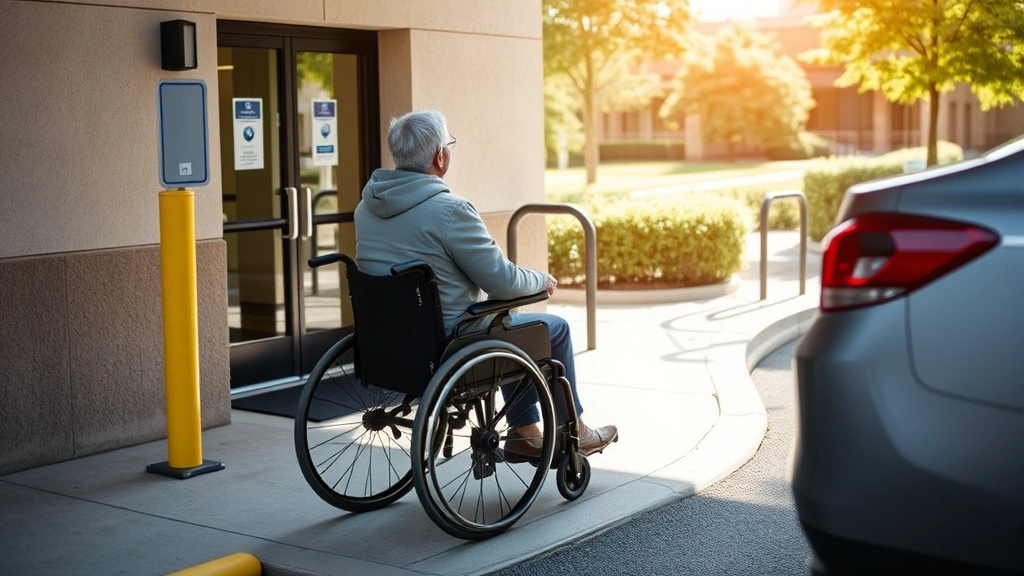
Temporary Handicap Parking Permit: Doctor’s Guide
A temporary handicap parking permit provides essential mobility support for individuals recovering from surgery, managing acute medical conditions, or navigating short-term disabilities that limit walking ability. Unlike permanent placards, temporary permits typically last between three and six months, offering accessible parking during critical recovery periods. Understanding how to obtain a temporary handicap parking permit letter from your doctor is crucial for ensuring you receive timely approval and can access the accommodations you need.
This comprehensive guide walks healthcare providers and patients through the documentation requirements, legal standards, and practical steps for securing a temporary handicap parking permit. Whether you’re recovering from orthopedic surgery, managing severe arthritis flare-ups, or dealing with temporary mobility limitations, proper medical documentation accelerates the approval process and ensures compliance with state and federal regulations.
Understanding Temporary Handicap Parking Permits
Temporary handicap parking permits are official credentials that allow individuals with qualifying medical conditions to park in designated accessible spaces for limited durations. These permits serve patients whose mobility is compromised by injury, illness, or medical treatment but who expect recovery within a defined timeframe. The distinction between temporary and permanent permits lies in the anticipated duration of the disability and the likelihood of functional improvement.
Temporary permits are governed by the Americans with Disabilities Act (ADA) and administered by state departments of motor vehicles. Each state maintains specific regulations regarding eligibility, documentation, and permit validity periods. Most temporary permits remain valid for three to six months, though some states allow extensions if the condition persists beyond the initial authorization period.
The primary purpose of these permits is to reduce unnecessary walking and standing, which can impede healing, increase pain, or trigger medical complications. Accessible parking spaces are located close to building entrances and feature adequate space for wheelchair lifts or transfer assistance, making them invaluable for individuals with temporary mobility restrictions.
Medical Eligibility Criteria
Not all medical conditions automatically qualify for temporary handicap parking permits. State regulations typically establish specific functional limitations that must be documented by a licensed healthcare provider. Common qualifying conditions include:
- Post-surgical recovery: Orthopedic procedures such as joint replacement, spinal fusion, or ACL reconstruction that temporarily limit weight-bearing or mobility
- Acute musculoskeletal injuries: Severe fractures, sprains, or ligament tears requiring immobilization or restricted movement
- Cardiovascular conditions: Recent cardiac events, heart surgery recovery, or conditions causing severe shortness of breath with minimal exertion
- Neurological conditions: Temporary balance disorders, vestibular dysfunction, or post-stroke rehabilitation requiring mobility assistance
- Cancer treatment side effects: Chemotherapy-induced fatigue, neuropathy, or surgical recovery from oncologic procedures
- Severe arthritis flare-ups: Inflammatory arthritis conditions causing temporary significant mobility impairment
- Respiratory conditions: Acute exacerbations of COPD, severe asthma, or pulmonary conditions limiting walking tolerance
- Infectious or inflammatory conditions: Severe infections requiring bed rest or restricted mobility during acute phases
The key criterion across all states is that the condition must cause a substantial limitation in the ability to walk or stand for extended periods. Patients must demonstrate that without accessible parking accommodation, their condition would worsen, healing would be delayed, or medical complications could arise.
Doctor’s Letter Requirements
A proof of disability letter from doctor serves as the medical foundation for temporary permit applications. Your healthcare provider’s letter must contain specific elements to satisfy DMV requirements and ensure approval. The letter should include:
- Provider credentials: Licensed physician, nurse practitioner, physician assistant, or other state-approved healthcare provider with prescriptive authority
- Patient identification: Full legal name, date of birth, driver’s license number, and current address matching DMV records
- Specific diagnosis: Medical condition causing the mobility limitation, documented with clinical findings or diagnostic test results when applicable
- Functional limitations: Explicit statement of how the condition affects the patient’s ability to walk, stand, or access parking areas
- Expected duration: Specific timeframe for the temporary permit (e.g., 4 months following ACL reconstruction surgery)
- Provider signature and credentials: Original signature, printed name, license number, and contact information for verification
- Letterhead: Official medical practice letterhead with clinic address and phone number
- Prescriber relationship: Clear indication that the provider has examined the patient and is familiar with their current medical status
Some states require providers to use official DMV forms for the medical certification, while others accept letters on medical letterhead. Checking your specific state’s DMV website ensures compliance with local requirements and accelerates processing.
Documentation and Functional Limitations
The strength of your temporary permit application depends on clear, specific documentation of functional limitations. A functional limitation verification letter provides detailed evidence of how your medical condition affects mobility and why accessible parking is medically necessary.
Functional limitations should be described in measurable, objective terms. Rather than stating “patient has difficulty walking,” effective documentation specifies: “Patient can walk no more than 50 feet before experiencing severe pain, requiring rest periods; orthopedic surgery scheduled for [date] with anticipated 6-month recovery period.” This specificity demonstrates medical necessity and supports the temporary nature of the permit request.
Healthcare providers should document:
- Current mobility status and any assistive devices required (crutches, walker, cane, wheelchair)
- Distance patient can walk without pain, fatigue, or symptom exacerbation
- Impact of standing on the medical condition and healing process
- Clinical findings supporting the functional limitation (examination results, imaging, lab values)
- Treatment plan and expected timeline for functional improvement
- Any restrictions on activities or precautions necessary during recovery
This comprehensive documentation not only satisfies DMV requirements but also protects your medical record by creating a clear baseline of your condition at the time of permit application. If complications arise or recovery takes longer than anticipated, these detailed records support permit renewal or extension requests.
State-Specific Application Process
While the basic framework for temporary handicap permits is federally mandated, each state administers its own program with unique requirements and procedures. Most states follow this general process:
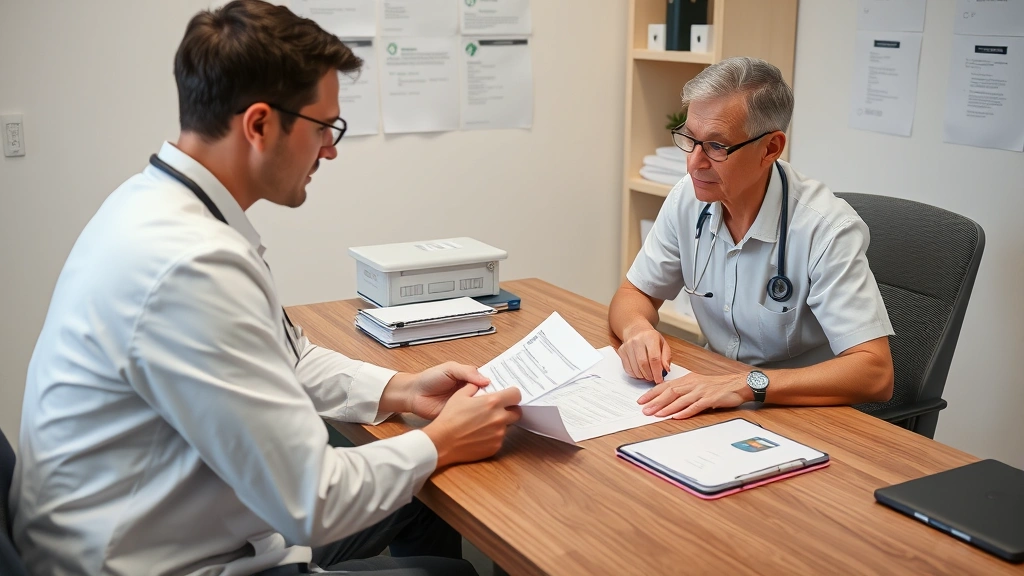
Step 1: Obtain Medical Certification Schedule an appointment with your healthcare provider to discuss temporary permit eligibility. Bring your driver’s license and any recent medical records documenting your condition. Request that your provider complete the appropriate DMV medical certification form or provide a detailed letter on medical letterhead.
Step 2: Complete DMV Application Visit your state’s Department of Motor Vehicles website to download the temporary permit application form. Some states allow online applications, while others require in-person or mail submission. Complete all required fields, including your vehicle information and medical provider details.
Step 3: Submit Documentation Submit your completed application along with the medical certification letter, a copy of your driver’s license, and any required fees (typically $0-$50). Some states require original signatures; others accept scanned or photocopied documents.
Step 4: Processing and Approval Processing times vary by state, ranging from same-day approval to 2-3 weeks. Many states offer expedited processing for post-surgical patients or acute conditions. Contact your DMV to confirm processing status.
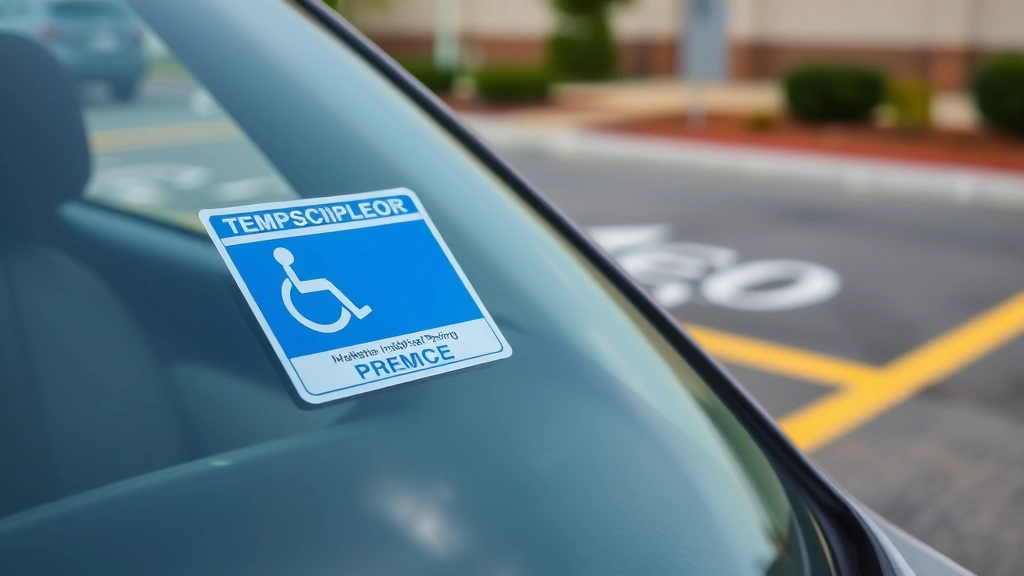
Step 5: Receive Permit Once approved, your temporary permit arrives by mail or can be picked up at a DMV office. Temporary permits are typically hanging placards or dashboard stickers. Display your permit on the rearview mirror or dashboard whenever using accessible parking.
For detailed information about your specific state’s requirements, visit your state DMV website or contact your local DMV office. The HUD Accessible Parking Guidelines provide additional context on federal standards.
Common Mistakes to Avoid
Understanding common application errors helps streamline the approval process and prevents unnecessary delays. Healthcare providers and patients should avoid:
- Vague functional descriptions: Stating “patient needs accommodations” without specific mobility limitations reduces application strength. Use concrete measurements of walking distance and duration.
- Missing provider credentials: Ensure the medical provider’s license number, signature, and contact information are clearly visible. Incomplete credentials trigger verification requests and delay processing.
- Mismatched patient information: Name, address, and driver’s license number must match exactly across all documents. Discrepancies require corrections before processing.
- Insufficient documentation of expected duration: Temporary permits require clear endpoints. Avoid vague language like “as needed.” Specify expected recovery timeframe based on medical prognosis.
- Using expired medical credentials: Ensure your healthcare provider’s license is current and active. DMV verification may discover expired credentials, delaying approval.
- Submitting photocopies of signatures: Many states require original signatures on medical certifications. Check state requirements before submitting.
- Failure to include required forms: Some states mandate specific DMV forms rather than general medical letters. Using the wrong format requires resubmission.
- Not providing vehicle information: Some states issue permits specific to vehicles. Ensure your application includes vehicle make, model, and license plate.
Renewal and Transition Planning
As your temporary permit approaches expiration, plan ahead for potential renewal or transition to permanent status if your condition persists. Most states allow one or two temporary permit renewals before requiring evaluation for permanent classification. Begin the renewal process 30-60 days before expiration to ensure uninterrupted access.
If your condition improves as expected, simply allow your temporary permit to expire. If recovery takes longer than anticipated, contact your healthcare provider to request an updated general disability confirmation letter supporting renewal. If your condition becomes permanent, work with your provider to transition to a permanent permit application, which requires more extensive medical documentation.
For patients transitioning from temporary to permanent status, the application process becomes more rigorous. Permanent permits require detailed medical records, specialist evaluations, and documentation that the disability is expected to last indefinitely. Your healthcare provider can guide this transition and provide necessary documentation.
Some patients benefit from exploring additional accommodations during recovery, such as flexible work schedules or remote work arrangements, which can complement accessible parking accommodations and support overall recovery.
FAQ
How long does a temporary handicap parking permit last?
Most temporary permits remain valid for 3-6 months, depending on state regulations and the expected duration of your medical condition. Some states allow one or two renewals if your condition persists beyond the initial authorization period. Check your state DMV’s specific guidelines for exact validity periods.
Can I use my temporary permit in other states?
Temporary permits are generally valid only in the state that issued them. However, most states honor out-of-state permanent permits through reciprocal agreements. If you’re traveling with a temporary permit, contact the destination state’s DMV to confirm acceptance or explore alternative accommodations.
What if my doctor doesn’t think I need a temporary permit?
If your primary care provider is hesitant, consider consulting a specialist familiar with your condition. Orthopedic surgeons, cardiologists, and physical medicine specialists often have extensive experience documenting mobility limitations for permit applications. You can also request a disability letter from any licensed healthcare provider who has examined you and understands your functional limitations.
Can I apply for a temporary permit online?
Many states now offer online applications through their DMV websites. However, you’ll still need to submit the medical certification letter, either by mail, email, or in-person delivery. Check your state’s DMV website for the most current application methods and requirements.
What happens if my temporary permit expires while I’m still recovering?
Contact your healthcare provider to request a renewal letter before your permit expires. Submit the renewal application at least 30 days before expiration to ensure continuous coverage. Some states allow automatic renewals with updated medical certification; others require new applications.
Is there a cost for a temporary handicap parking permit?
Most states charge minimal fees ($0-$50) for temporary permits, significantly less than permanent permit costs. Some states waive fees for medical hardship cases. Check your state DMV’s fee schedule for specific costs.
Can someone else use my temporary permit?
No. Temporary permits are issued to specific individuals and are non-transferable. Using someone else’s permit is illegal and can result in fines. Each person requiring accessible parking must obtain their own permit.
What medical conditions automatically qualify for temporary permits?
No conditions automatically qualify. Each application requires individualized medical evaluation demonstrating substantial functional limitations. However, common qualifying conditions include post-surgical recovery, severe fractures, cardiac events, and cancer treatment side effects. Your healthcare provider assesses whether your specific condition meets your state’s eligibility criteria.
External Resources: