2026 Guide: Medical Housing Accommodation Rules
Medical housing accommodations have become increasingly essential for individuals managing chronic illnesses, disabilities, and mental health conditions. As we enter 2026, the legal landscape governing these accommodations continues to evolve, with updated guidance from federal agencies and refinements in how landlords, tenants, and medical professionals navigate reasonable accommodation requests. This comprehensive guide explains your rights, the accommodation process, documentation requirements, and what has changed in 2026 to help you secure housing that supports your health and wellbeing.
Whether you’re dealing with mobility limitations, environmental sensitivities, mental health conditions, or chronic pain, understanding the current rules and your legal protections is critical. Medical housing accommodations are not special favors—they’re legal rights protected under the Fair Housing Act and Section 504 of the Rehabilitation Act. This guide covers everything you need to know to request accommodations effectively and hold landlords accountable if they deny your requests.
What Are Medical Housing Accommodations?
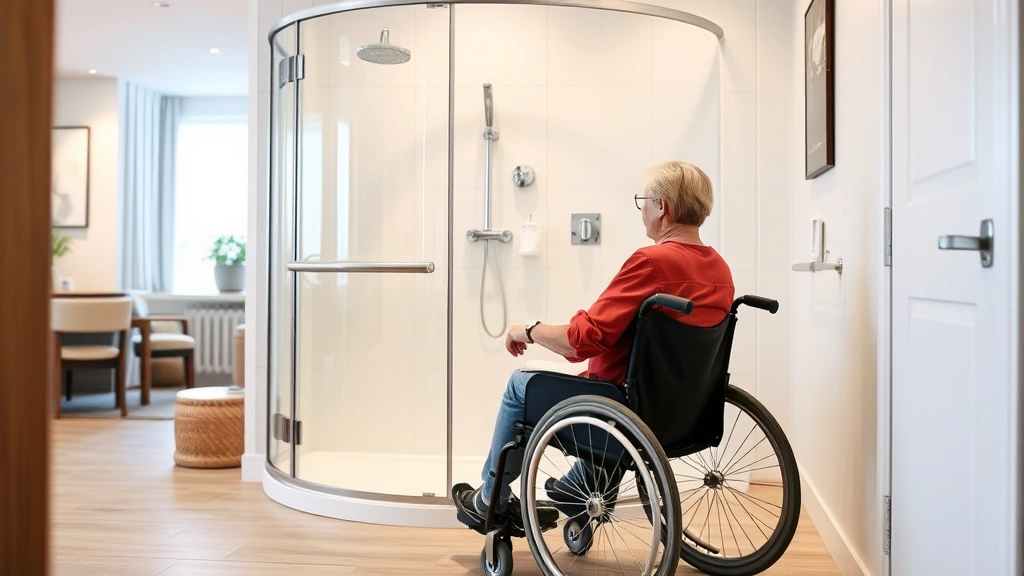
Medical housing accommodations are modifications to housing policies, lease terms, or physical units designed to provide equal access and opportunity to individuals with disabilities or serious health conditions. Unlike modifications that alter the physical structure (such as wheelchair ramps), accommodations often involve policy changes or reasonable adjustments that enable someone to fully use and enjoy their home.
Examples include permission to break a lease due to medical necessity, allowing a service animal or emotional support animal in no-pet buildings, transferring to a ground-floor unit for someone with mobility issues, maintaining a specific temperature for someone with a temperature-sensitive condition, or obtaining lease modifications for medical necessity. These accommodations remove barriers that would otherwise prevent someone from accessing housing on equal terms with non-disabled individuals.
The key distinction is that accommodations address the relationship between a person’s disability and the housing environment, not the disability itself. They are individualized, responsive to specific medical needs, and legally required when the request is reasonable and the connection to disability is clear.
Federal Laws Protecting Housing Accommodations in 2026
Several federal statutes provide the legal foundation for medical housing accommodations:
- Fair Housing Act (FHA): Prohibits discrimination based on disability and requires housing providers to make reasonable accommodations in rules, policies, practices, and services when necessary to afford a person with a disability equal opportunity to use and enjoy a dwelling. This is the primary law governing most private rental housing.
- Section 504 of the Rehabilitation Act: Applies to housing programs that receive federal funding (public housing, HUD-assisted properties, Section 8 vouchers). It mandates reasonable accommodations and accessibility modifications.
- Americans with Disabilities Act (ADA): While primarily focused on public accommodations and employment, Title II applies to state and local government housing programs.
In 2026, the U.S. Department of Housing and Urban Development (HUD) and the Department of Justice (DOJ) continue to emphasize that accommodation requests require individualized assessment—no blanket denials based on disability category are permitted. HUD’s official guidance on reasonable accommodations reinforces that housing providers must engage in an interactive process with tenants, even when requests seem unusual or costly.
The FHA applies to virtually all housing except owner-occupied buildings with four or fewer units where the owner resides, and certain religious organizations. For most renters, the FHA provides comprehensive protection.
Types of Medical Housing Accommodations
Medical housing accommodations fall into several categories, each addressing different health-related needs:
Policy and Lease Modifications
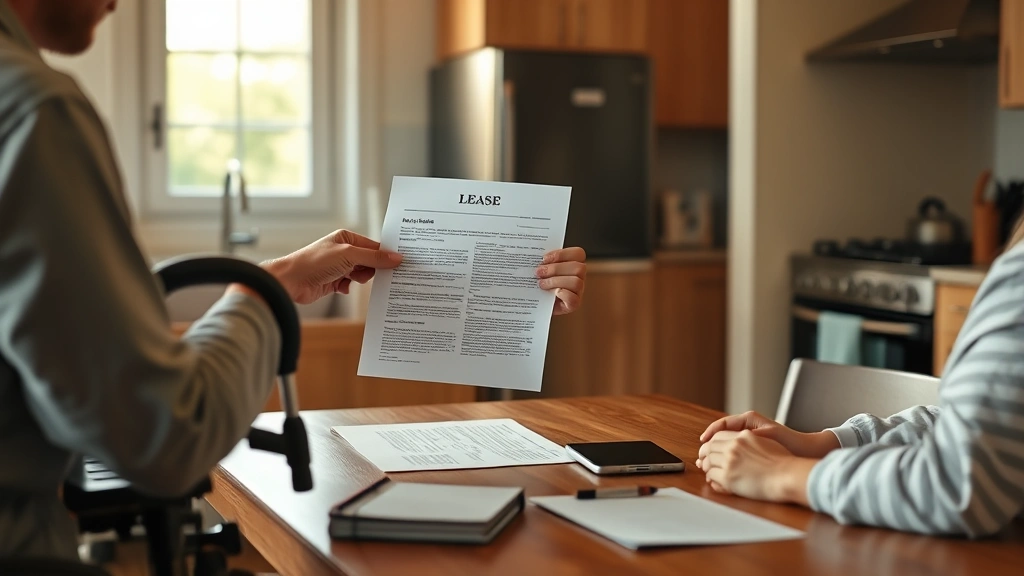
Breaking a lease for health reasons is one of the most common accommodation requests. This might include early lease termination if a medical condition deteriorates and the current housing is no longer suitable, or if the tenant needs to relocate for medical treatment. Early lease termination for medical necessity may allow you to end your lease without penalty, provided you have appropriate medical documentation.
Other policy modifications include allowing exceptions to no-pet policies for service animals or ESAs, permitting modifications to lease start dates, allowing additional occupants for health aides or caregivers, or modifying guest policies for medical visitors.
Environmental and Unit-Specific Accommodations
Some tenants need accommodations related to their physical environment. These include ground-floor or accessible unit transfers (for mobility issues), allergen-free or fragrance-free units (for chemical sensitivities), units away from noise sources (for sensory processing disorders), accessible parking spaces near the building entrance, or modifications to HVAC systems for temperature control.
Service Animals and Emotional Support Animals
Housing providers must allow service animals and ESAs as reasonable accommodations, even in no-pet buildings. The distinction matters: service animals are trained to perform specific tasks, while ESAs provide comfort through their presence. Both are protected under the FHA when proper documentation is provided.
Accessibility Modifications
These are physical alterations to the unit or building, such as installing grab bars, widening doorways, lowering cabinets, or adding ramps. Tenants typically pay for modifications, but landlords cannot refuse reasonable modification requests.

The Formal Accommodation Request Process
Understanding the formal process is essential for protecting your rights and ensuring your request receives proper consideration:
Step 1: Make Your Request in Writing
Always submit accommodation requests in writing, even if you’ve discussed it verbally. Email or certified mail creates documentation. Your request should identify the accommodation needed and explain the relationship between your disability and the requested change. You don’t need to disclose your specific diagnosis, but you must provide enough information to establish the disability-accommodation nexus.
Step 2: Provide Supporting Medical Documentation
The housing provider is entitled to request reliable documentation from a healthcare provider. A legitimate housing accommodation letter from a licensed medical professional should confirm: the existence of a disability (functional limitation), how the disability limits major life activities, and the relationship between the disability and the requested accommodation. The letter doesn’t require specific diagnoses but must establish medical necessity.
For ESA requests, a valid ESA letter for apartment from a licensed mental health professional is required. The letter should confirm the person has a disability-related mental health condition and that the animal’s presence provides therapeutic benefit.
Step 3: The Interactive Process
Once you submit your request and documentation, the landlord should engage in an “interactive process” with you. This means communicating with you to clarify your needs, exploring alternative accommodations if appropriate, and making a prompt decision. This process is not optional—it’s a legal requirement under the FHA.
Step 4: Receive a Written Decision
The housing provider should provide a written response within a reasonable timeframe (typically 5-10 business days). If approved, the decision should specify the accommodation and any terms. If denied, the provider must explain why the accommodation is not reasonable or why the disability-accommodation connection is not established.
Medical Documentation Requirements
Proper medical documentation is critical to accommodation approval. In 2026, housing providers can request that documentation be from a healthcare provider with personal knowledge of your condition—typically your treating physician, psychiatrist, therapist, or specialist.
The documentation should include:
- Confirmation that you have a disability (defined as a physical or mental impairment substantially limiting a major life activity)
- Explanation of how the disability limits your functioning
- The specific relationship between your disability and the requested accommodation
- Why the accommodation is necessary for equal access
- The healthcare provider’s license number and contact information
- The date of the last visit or assessment
Landlords cannot require extensive medical records, specific diagnoses, prognosis, or details unrelated to the accommodation. If a provider requests excessive medical information, you can refuse and cite FHA privacy protections. Understanding disability letter costs can help you budget for this documentation, which typically ranges from $100-$300 depending on your provider.
Many individuals work with telehealth providers or independent medical professionals to obtain accommodation letters. This is entirely legal and appropriate, provided the provider has genuine knowledge of your condition or conducts a thorough assessment before providing documentation.
Common Accommodation Denials and How to Challenge Them
Despite legal protections, denials still occur. Understanding common grounds for illegal denials helps you challenge them:
Illegal Reasons for Denial
“We don’t allow exceptions to our policies.” This is never a valid reason. The FHA requires reasonable exceptions to policies when necessary for disability access.
“Your disability isn’t severe enough.” Landlords cannot judge disability severity. If a disability substantially limits a major life activity, it qualifies for protection.
“Other tenants might object.” Tenant preferences are irrelevant. Accommodations cannot be denied due to perceived impact on other residents.
“The modification is too expensive.” Cost alone is not a valid reason for denial, though landlords may explore cost-sharing in some circumstances.
How to Challenge a Denial
If your request is denied, respond in writing requesting a detailed explanation. If the explanation reveals an illegal basis for denial, document it. Consider filing a complaint with HUD’s Fair Housing Office within one year of the violation. You can also consult a fair housing attorney or contact your state or local fair housing agency.
Many denials are reversed when challenged, especially if the landlord failed to engage in the interactive process or requested excessive medical information.
2026 Updates and Legal Changes
Several developments in 2026 affect medical housing accommodations:
Expanded Definition of Disability
Following updates to ADA regulations, the definition of disability continues to expand. Conditions once considered too mild for protection—including some mental health conditions, chronic pain disorders, and autoimmune diseases—are increasingly recognized as disabilities qualifying for accommodations. Long COVID has gained explicit recognition in HUD guidance as a potential basis for accommodation requests.
Stricter Scrutiny of ESA Documentation
While legitimate ESA letters remain valid, HUD has clarified that housing providers can verify the legitimacy of documentation and may request clarification if letters appear fraudulent. However, providers cannot require in-person evaluations, specific diagnosis disclosure, or behavioral testing of the animal.
Remote Medical Certification
In 2026, housing providers increasingly accept medical documentation from telehealth providers and licensed professionals who conduct remote assessments. This expands access to accommodation documentation, particularly for individuals in rural areas or with mobility limitations.
Enhanced Enforcement
HUD and the DOJ have increased enforcement actions against landlords who systematically deny accommodations or fail to engage in interactive processes. This creates stronger protections for tenants and increases consequences for violations.
State-Level Protections
Many states have enacted additional protections beyond federal law. Some states recognize broader definitions of disability, provide explicit protections for medical marijuana use in housing (where legal), or offer stronger remedies for discrimination. Check your state’s fair housing laws for additional protections.

FAQ
How long does the accommodation request process typically take?
Most housing providers should respond within 5-10 business days. If they request additional medical documentation, you typically have 7-10 days to provide it. Once received, they should make a decision within another 5-10 days. Delays beyond this timeframe may violate FHA timelines.
Can a landlord charge a fee for processing accommodation requests?
No. Housing providers cannot charge fees for processing reasonable accommodation requests. They also cannot charge for modifications required by law, though in some cases they may negotiate cost-sharing for particularly expensive modifications.
What if my landlord says they need to consult with their insurance company before approving my accommodation?
Insurance concerns are not a valid reason to delay or deny accommodations. The FHA requires providers to make decisions based on disability-related need and reasonableness, not insurance considerations. If your landlord uses insurance as a reason for denial, this is likely illegal.
Can I request multiple accommodations at once?
Yes. You can request several accommodations in one submission. Each should be explained with its relationship to your disability. The landlord must evaluate each request individually.
What if I don’t have a formal disability diagnosis?
You don’t need a specific diagnosis to qualify for accommodations. What matters is whether your condition substantially limits a major life activity. A healthcare provider can document functional limitations without naming a specific disease. However, you do need medical documentation confirming a disability exists.
Can my landlord ask me to prove my disability with medical exams or tests?
No. Landlords cannot require specific medical tests, exams, or evaluations. They can request documentation from your healthcare provider, but they cannot mandate how that provider assesses you or what tests they perform.
What happens if my accommodation request is denied illegally?
You have the right to file a complaint with HUD, pursue legal action, or contact a fair housing attorney. Many fair housing attorneys work on contingency for strong cases. You may be entitled to damages, attorney’s fees, and injunctive relief (forcing the landlord to approve the accommodation).
Are emotional support animals the same as service animals for housing purposes?
For housing purposes under the FHA, both service animals and ESAs receive equal protection. However, service animals are trained to perform specific tasks, while ESAs provide comfort through their presence. Both require appropriate documentation, but the documentation standards differ slightly.
Can I request an accommodation after signing my lease?
Yes. You can request accommodations at any time during your tenancy. A disability that develops or worsens after lease signing doesn’t eliminate your rights. Submit your request as soon as the need arises.
What if my accommodation request relates to a condition I developed after moving in?
Disability that develops after tenancy begins is equally protected. You have full rights to request accommodations for new or worsening conditions. The FHA applies throughout your tenancy, not just at move-in.
Can a housing provider deny my accommodation request because it might set a precedent?
No. Each accommodation request must be evaluated individually based on disability-related need and reasonableness. Precedent concerns are not a valid basis for denial. Even if other tenants might benefit from a similar accommodation, that doesn’t justify denying your request.