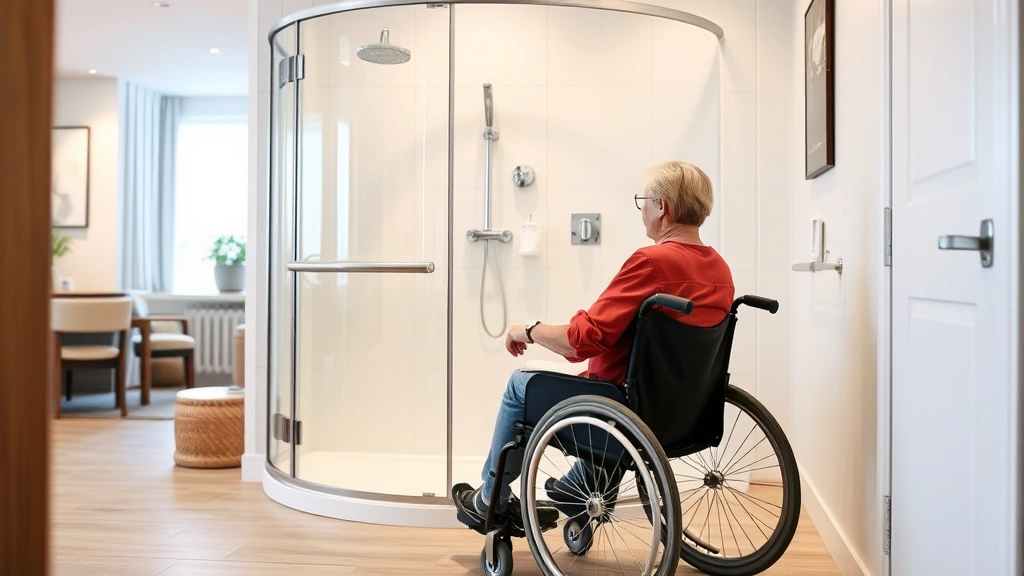
Doctor-Signed Unit Modification Medical Letter: Essential Steps for Housing Accommodation
A doctor-signed unit modification medical letter is a critical legal document that formally requests your landlord or property management to make physical changes to your rental unit to accommodate a diagnosed medical condition or disability. This letter serves as official medical documentation of your functional limitations and the necessity of specific environmental modifications—whether that’s a ground-floor unit transfer, accessible parking, allergen remediation, or structural adjustments. Without proper medical documentation, landlords may deny your accommodation request, leaving you in a living situation that exacerbates your health condition.
The process of obtaining and submitting a doctor-signed unit modification letter requires understanding both medical necessity standards and fair housing law. This comprehensive guide walks you through every step, from preparing your medical documentation to submitting your request and following up effectively. Whether you’re dealing with mobility limitations, respiratory conditions, allergies, or other disabilities, a properly drafted medical letter strengthens your legal position and increases the likelihood of approval.
What is a Unit Modification Medical Letter?
A unit modification medical letter is a formal document written and signed by a licensed healthcare provider that establishes medical necessity for specific physical changes to your rental unit. This letter documents your disability or medical condition, explains how your current living situation creates barriers or health risks, and recommends concrete modifications that would enable you to safely and independently use and enjoy your home.
Under the Fair Housing Act and the Americans with Disabilities Act, landlords are legally required to provide reasonable accommodations for individuals with disabilities—including unit modifications—unless doing so creates undue financial or administrative hardship. A doctor-signed letter transforms your request from a casual preference into a legally protected accommodation demand backed by medical evidence. This distinction is crucial: landlords cannot simply ignore or dismiss requests supported by medical documentation from qualified professionals.
The letter differs from general disability verification letters because it focuses specifically on environmental modifications rather than broad functional limitations. It answers the critical question: “What specific physical changes to this unit would enable this person with a disability to safely live there?” Examples include requests for ground-floor units (for mobility disorders), allergen-free units (for severe asthma or chemical sensitivities), accessible parking spaces, bathroom modifications, or specialized HVAC systems.
When You Need Doctor-Signed Documentation
You need a doctor-signed unit modification letter whenever your medical condition creates barriers in your current rental unit and you require physical changes to safely access and use your home. Common scenarios include:
- Mobility limitations: Arthritis, spinal cord injuries, cerebral palsy, or other conditions requiring ground-floor units, accessible parking, ramps, or grab bars
- Respiratory conditions: Severe asthma, COPD, or cystic fibrosis requiring allergen-free units, mold remediation, or improved ventilation
- Environmental sensitivities: Multiple chemical sensitivity (MCS) or environmental illnesses requiring fragrance-free buildings or specialized HVAC filters
- Hearing or vision impairments: Modifications like visual alert systems or accessible lighting
- Cognitive or psychiatric disabilities: Quiet units away from high-traffic areas, soundproofing, or other environmental modifications
You also need documentation if your landlord has already denied your informal request or if you anticipate resistance. Proactive medical documentation prevents disputes and establishes your legal rights from the outset. Even if your landlord seems sympathetic, written medical evidence creates an official record that protects both you and the property owner.
Finding the Right Healthcare Provider
Your letter must be signed by a licensed healthcare provider with direct knowledge of your medical condition. Acceptable providers include:
- Licensed physicians (MD or DO)
- Licensed nurse practitioners (NP) or physician assistants (PA) with established patient relationships
- Licensed clinical psychologists or psychiatrists (for psychiatric disabilities)
- Licensed social workers with clinical credentials (LCSW) in some jurisdictions
- Specialists relevant to your condition (pulmonologists for respiratory conditions, rheumatologists for arthritis, etc.)
The provider must have examined you and maintained ongoing treatment records. Landlords may legitimately question letters from providers who have no documented relationship with you or who cannot verify treatment history. If you don’t currently have a healthcare provider, establish that relationship before requesting the letter. Many primary care physicians can write modification letters even if they don’t specialize in your condition—they simply need access to your medical records and a documented patient relationship.
Consider scheduling a specific appointment to discuss your housing needs and request the letter. Come prepared with details about your current unit’s barriers and the specific modifications you need. Provide your provider with guidance on accommodation documentation standards if they’re unfamiliar with housing requests. Many healthcare providers appreciate clear direction about what information to include.
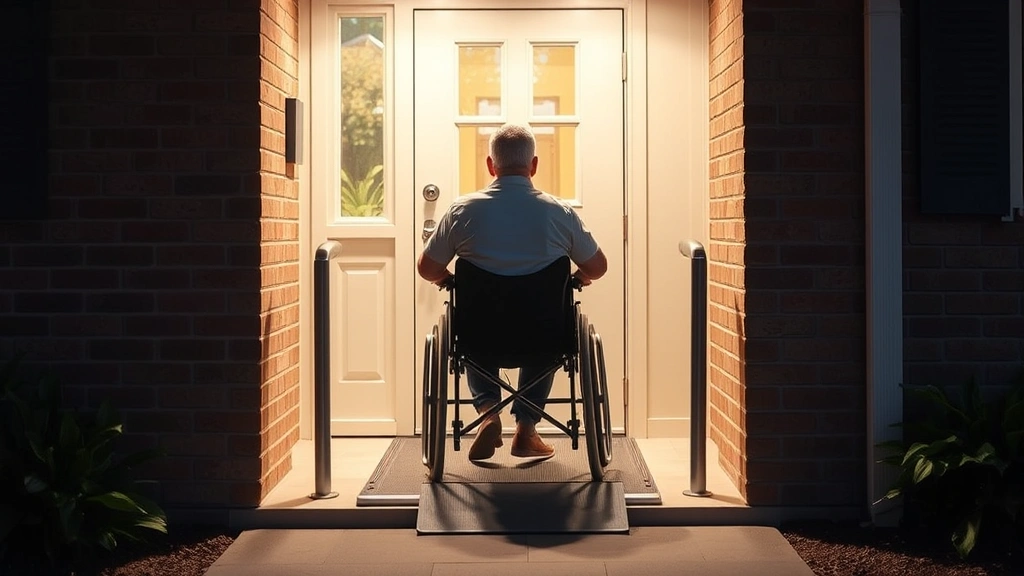
Essential Components of the Letter
A legally defensible unit modification medical letter must include specific elements that establish both your credibility and the medical necessity of requested changes:
- Provider credentials and contact information: Full name, title, license number, practice address, phone, and email. This allows landlords to verify legitimacy.
- Patient identification: Your full name, date of birth, and how long the provider has treated you. Establish the ongoing nature of the relationship.
- Diagnosis or functional limitation description: The specific medical condition or disability, without necessarily disclosing the diagnosis if you prefer privacy. Focus on functional limitations instead.
- Functional impact statement: Explain how your condition limits your ability to safely access, use, or enjoy your current unit. Be specific about barriers (stairs, allergens, noise, etc.).
- Specific modification requests: Clearly state which unit modifications would address your functional limitations. Examples: “ground-floor unit,” “allergen-remediated unit,” “accessible parking space directly adjacent to unit entrance.”
- Medical necessity explanation: Describe why each modification is medically necessary, not merely convenient. Connect the modification directly to managing your condition and preventing health deterioration.
- Treatment relationship verification: State how long you’ve been under care, frequency of visits, and basis for the provider’s knowledge of your condition.
- Professional signature and date: Original signature (not typed) with printed name, credentials, and license number. Some jurisdictions require notarization.
The letter should be on official letterhead and maintain a professional tone. Avoid emotional language or excessive detail about your medical history. Focus on the objective connection between your functional limitations and the requested unit modifications. Landlords respond better to clear, professional documentation than to lengthy narratives about your suffering.
Preparing Your Medical Documentation
Before requesting your doctor-signed modification letter, organize supporting medical documentation that establishes the legitimacy of your request:
- Medical records: Gather recent treatment notes, test results, diagnoses, and medication lists from your healthcare provider
- Specialist reports: If you see specialists (pulmonologists, rheumatologists, etc.), obtain relevant reports documenting your condition
- Prescription records: Compile a list of current medications that demonstrate ongoing medical management
- Functional limitation documentation: Note specific examples of how your condition affects your daily activities and housing needs
- Previous medical evaluations: Include disability determinations, Social Security documentation, or workers’ compensation records if applicable
Create a brief summary document (one page maximum) that you can provide to your healthcare provider. Include:
- Your current unit’s barriers (third-floor walkup, no accessible parking, mold issues, etc.)
- Specific modifications you’re requesting
- How each modification would reduce barriers to safe housing
- Any previous housing-related health complications
This preparation helps your provider understand exactly what information to include and why the modifications matter for your health. It also demonstrates that you’re taking the process seriously, which encourages providers to invest time in thorough documentation.
Submitting Your Request Properly
How you submit your unit modification request matters legally. Follow these steps:
- Submit in writing: Never rely on verbal requests. Submit your letter via certified mail with return receipt, email with read receipt, or hand-delivery with written acknowledgment. This creates proof of submission.
- Include cover letter: Write a brief cover letter explaining your request, referencing the enclosed medical letter, and requesting written acknowledgment of receipt and timeline for decision.
- Identify the correct recipient: Submit to the property manager, landlord, or designated accommodation coordinator—whoever handles accommodation requests at your property.
- Keep copies: Retain copies of everything you submit, including the doctor’s letter, your cover letter, and proof of delivery.
- Request written response: Ask for a written decision within a reasonable timeframe (typically 5-10 business days). Fair housing law requires landlords to respond to accommodation requests in a timely manner.
- Document all communications: Keep records of all conversations, emails, and correspondence related to your request. This protects you if the request is denied and you need to pursue legal action.
Be professional and matter-of-fact in your submission. Avoid emotional appeals or aggressive language. Present your request as a straightforward accommodation need supported by medical evidence. Landlords are more likely to approve requests that feel collaborative rather than confrontational.
If your property has a formal accommodation request process, follow it exactly. Some properties require specific forms or submission procedures. Adhering to established processes strengthens your legal position if disputes arise. If no formal process exists, create a clear, professional submission that mirrors standard accommodation request procedures.

What to Do If Your Request Is Denied
Landlords sometimes deny accommodation requests even with medical documentation. Your response depends on the reason for denial:
If denied for lack of medical necessity: Request written explanation of which specific modification the landlord disputes and why. Provide additional medical documentation or request your provider clarify the medical necessity. If the dispute centers on whether the modification is “reasonable,” research whether similar accommodations have been granted at the property for other tenants.
If denied for undue financial hardship: Landlords can deny modifications only if they create substantial cost or administrative burden. Request specific cost estimates. If the modification is truly expensive, explore less costly alternatives that would still address your functional limitations. Document that the landlord failed to engage in the interactive process required by fair housing law.
If denied without explanation: Send a follow-up letter requesting written explanation within five business days. Reference fair housing law requirements for responsive accommodation decisions. If the landlord doesn’t respond, this failure itself may constitute fair housing violation.
If your request is wrongfully denied, you have legal options. File a complaint with your state or local fair housing authority or the U.S. Department of Housing and Urban Development (HUD). Contact your state disability rights organization or a fair housing attorney. Many attorneys offer free consultations and work on contingency for successful cases.
Understanding your legal rights under the Americans with Disabilities Act and the Fair Housing Act strengthens your negotiating position. Landlords who understand that denial of reasonable accommodations can result in legal action are more likely to engage seriously with your request.
FAQ
Can I use a telemedicine doctor’s letter for unit modifications?
Yes, if the telemedicine provider is licensed in your state and has an established treatment relationship with you. The letter must come from a legitimate healthcare provider with documented knowledge of your condition. One-time telemedicine visits without ongoing treatment history may be questioned by landlords, so establish continuity of care when possible.
How much detail about my diagnosis should I include?
Include enough information to establish medical necessity for the specific modification requested. You can focus on functional limitations rather than diagnosis if you prefer privacy. For example: “The patient experiences significant mobility limitations requiring ground-floor access” rather than disclosing your specific diagnosis. The connection between limitation and modification matters more than diagnostic labels.
What if my landlord requests an independent medical evaluation?
Landlords can request independent evaluations in some circumstances, but they must pay for them. You’re not required to submit to evaluations by providers you don’t choose. If a landlord insists on an independent evaluation, consult a fair housing attorney—this request may violate fair housing law depending on your jurisdiction and circumstances.
How long is a unit modification letter valid?
Most letters remain valid as long as your condition and housing needs haven’t changed significantly. However, landlords may request updated documentation if years have passed or if your condition has substantially improved. Maintain ongoing relationships with your healthcare providers and request updated letters periodically to keep your documentation current.
Can I request multiple modifications in one letter?
Yes, absolutely. If your medical condition necessitates multiple modifications (ground-floor unit AND accessible parking AND allergen remediation, for example), request all of them in a single letter. Your provider should explain how each modification addresses different aspects of your functional limitations.
What if I’m in an active lease and need modifications?
Landlords must provide reasonable accommodations even mid-lease. Submit your request in writing immediately. If your current unit cannot be modified, request a lease transfer to an appropriate unit as your accommodation. Landlords cannot penalize you for requesting accommodations or charge additional fees for modifications required by law.
Should I mention fair housing law in my submission letter?
You can reference that your request is made under fair housing law protections, but avoid threatening language. Professional phrasing: “This accommodation request is submitted pursuant to the Fair Housing Act and applicable state/local fair housing law.” This signals that you understand your rights without being adversarial.
What if my healthcare provider refuses to write a modification letter?
Ask why they’re declining. If they’re unfamiliar with accommodation letters, provide examples or guidance. If they genuinely believe the modification isn’t medically necessary, seek a second opinion from another provider familiar with your condition. If you disagree with their assessment, you have the right to seek care from a provider who will document medical necessity.