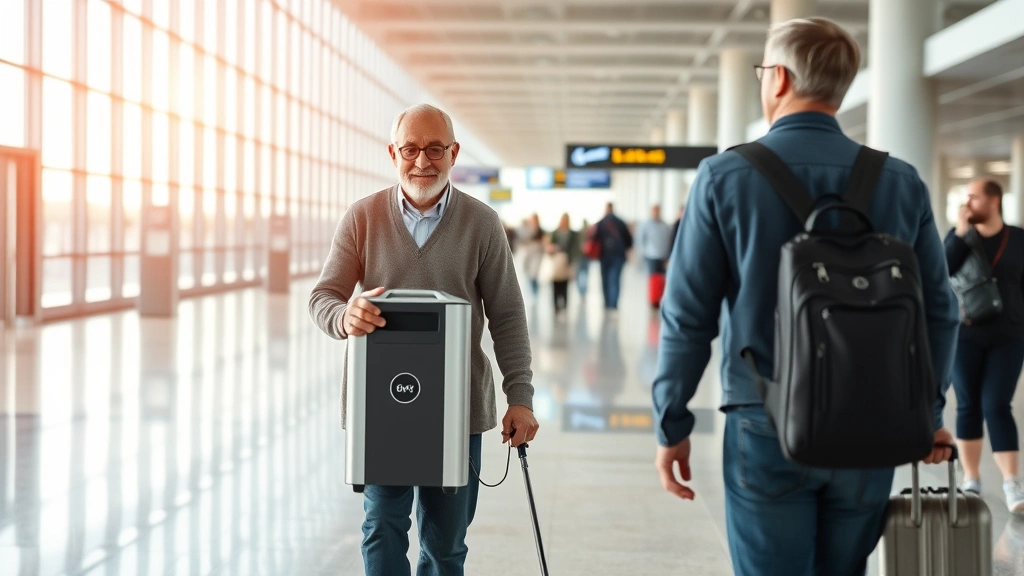
Traveling with Medical Equipment? Get a Doctor’s Letter
Traveling with medical equipment can feel daunting, especially when you’re unsure about what documentation you’ll need at airports, hotels, workplaces, or border crossings. Whether you rely on oxygen concentrators, CPAP machines, insulin pumps, mobility devices, or other essential medical equipment, having proper authorization from your healthcare provider significantly simplifies your journey. A medical equipment travel letter serves as official verification that your equipment is medically necessary, helping you navigate security checkpoints, workplace policies, and transportation regulations with confidence and dignity.
When you travel for work, leisure, or relocation, TSA agents, airline staff, employers, and accommodation providers may question why you’re carrying specialized equipment. Without clear documentation, you risk delays, confiscation, or denial of reasonable accommodations. A doctor’s letter provides the legal and medical backing you need to travel freely while protecting your health and rights under the Americans with Disabilities Act (ADA) and other disability protections.
This comprehensive guide explains when you need a medical equipment travel letter, what should be included, how to obtain one quickly, and how to use it effectively across different travel scenarios.
When You Need a Medical Equipment Travel Letter
A medical equipment travel letter becomes essential in several specific situations. Air travel is the most common scenario—TSA requires documentation for equipment that may appear suspicious or unfamiliar to security personnel. Oxygen concentrators, nebulizers, insulin delivery systems, and dialysis supplies all benefit from advance notification through a doctor’s letter. International travel demands even more documentation, as customs officials and foreign airports have strict regulations about medical devices crossing borders.
Workplace travel presents another critical need. If your job requires visiting multiple office locations, client sites, or attending conferences with your medical equipment, a medical workplace accommodation letter ensures employers and coworkers understand your equipment’s necessity. This prevents awkward questions, discrimination, or requests to leave your equipment behind—which could compromise your health.
Hotel and accommodation policies sometimes restrict certain medical devices due to outdated safety concerns. A doctor’s letter overrides these policies by establishing medical necessity. Long-term care facilities, assisted living communities, and rehabilitation centers may also require documentation before allowing residents to bring personal medical equipment.
Mobility equipment travel deserves special attention. Wheelchairs, walkers, canes, and scooters may be questioned at airports or refused service without proper documentation. A letter from your physician clarifies that these devices are medically essential mobility aids, not optional accessories.
Even if you’ve traveled before without documentation, obtaining a letter now protects you legally and ensures consistent treatment across different jurisdictions and situations.
What a Doctor’s Letter Should Include
A comprehensive medical equipment travel letter contains specific elements that maximize its effectiveness. Patient identification begins with your full legal name, date of birth, and contact information. Your healthcare provider should clearly state their relationship to you and confirm they’ve examined you recently.
Equipment description must be detailed and specific. Rather than writing “oxygen equipment,” the letter should state “portable oxygen concentrator, model ResMed Oxygo, operated at 2-4 liters per minute as medically prescribed.” Include brand names, model numbers, specifications, and any safety features. This specificity prevents security personnel from confusing your equipment with prohibited items.
Medical necessity statement is the letter’s core. Your doctor should explain your underlying condition—COPD, sleep apnea, diabetes, cardiac disease, mobility limitations—and directly connect it to your equipment need. The language should be clear: “This patient requires continuous oxygen therapy due to severe hypoxemia and cannot safely travel without this equipment.”
Usage frequency and duration clarify that your need is ongoing, not temporary. For example: “Patient requires this oxygen concentrator continuously throughout the day and night, including during air travel and hotel stays.”
Safety and operational information helps TSA and other officials understand your equipment poses no security threat. If your device has batteries, your doctor should specify battery type and duration. If it requires electricity, note voltage requirements. Include any special handling instructions—for instance, “This device must remain upright and cannot be placed in overhead compartments.”
Prescription or treatment plan reference adds clinical weight. Your letter should reference your current treatment plan: “As documented in patient’s medical record from [date], oxygen therapy is prescribed at [specifications].”
Contact information for verification allows officials to confirm the letter’s authenticity. Your doctor’s phone number, fax, and office address should be included.
Signature and credentials must be from a licensed healthcare provider—MD, DO, NP, or PA—with their license number, specialty, and date of signing. This prevents fraudulent letters and ensures legal validity.
Medical Equipment Travel Scenarios
TSA and Air Travel Security represents the most common travel scenario. TSA allows most medical equipment through security checkpoints when properly documented. Oxygen concentrators, CPAP machines, and insulin pumps are generally permitted in carry-on baggage. Your doctor’s letter expedites the security process by providing advance notice. Consider contacting TSA directly through their “Ask TSA” service before your flight to clarify specific equipment policies.
International Travel and Customs requires additional documentation beyond a doctor’s letter. Many countries require specific customs declarations for medical devices. Your letter should accompany your passport, airline tickets, and prescription documentation. Some countries demand that devices be registered with customs upon entry. Research destination-specific regulations well in advance.
Workplace and Business Travel situations demand that your employer understand your equipment needs. A workplace accommodation letter establishes your right to bring medical equipment to the office, client meetings, and business conferences. This prevents coworkers from questioning your equipment’s presence and protects you from discrimination.
Hotel and Hospitality Accommodations may have policies against certain medical devices. Some older hotels claim oxygen equipment poses fire hazards (a myth debunked by safety experts). Your doctor’s letter, combined with knowledge of the ADA’s accommodations requirements, ensures hotels cannot refuse your stay.
Public Transportation including buses, trains, and ride-sharing services should accommodate medical equipment. Your letter provides documentation if any service provider questions your equipment’s necessity.
Getting Your Letter Quickly
If your current healthcare provider is unavailable or slow to respond, several options exist. Telemedicine platforms specializing in disability documentation can connect you with licensed physicians who review your medical history and provide letters within hours or days. A disability verification letter instant service offers rapid turnaround when you’re traveling soon.
When requesting a letter from your existing doctor, provide clear guidance. Write a brief email or note specifying: the equipment you need documented, your travel dates, the letter’s destination (TSA, employer, hotel), and your deadline. Attach a template if your healthcare provider’s office lacks experience with travel documentation.
Timing matters. Request your letter at least two weeks before travel, though longer is better for international trips. If you need it urgently, ask if your doctor’s office can expedite the letter or provide it electronically first.
Keep copies everywhere. Obtain multiple printed copies and store digital copies on your phone, email, and cloud storage. Laminate one copy for your travel bag. If your equipment malfunctions or you need a replacement during travel, having multiple copies prevents delays in obtaining a new device.
Using Your Letter Effectively
Present it proactively at security checkpoints. Don’t wait to be questioned—hand your letter to TSA agents before they examine your equipment. This demonstrates you’re prepared, informed, and traveling legally.
Keep it accessible. Store your letter in an easy-to-reach pocket of your carry-on bag, not buried in checked luggage. You may need to present it multiple times during your journey.
Know your rights. TSA cannot deny you passage with medically necessary equipment that’s properly documented. If an agent refuses your equipment, ask to speak with a supervisor and cite your doctor’s letter. Contact TSA’s customer service after travel if you experienced inappropriate denials.
Inform airlines in advance. Call your airline’s disability services desk before your flight to notify them of your equipment. Many airlines appreciate advance notice and can arrange priority boarding or special assistance.
Communicate with employers. Share your letter with your HR department and direct supervisor before traveling for work. This prevents awkward situations where coworkers question your equipment’s presence.
Document interactions. If anyone denies your reasonable accommodation or questions your equipment inappropriately, note the date, time, location, and person’s name. This documentation supports future complaints if discrimination occurs.
Workplace Medical Equipment Rights
Your employer must provide reasonable accommodations for medical equipment under the ADA, even when you travel for work. This includes allowing you to bring necessary equipment to offices, meetings, conferences, and client sites. A medical workplace accommodation letter establishes this right formally.
Portable oxygen, CPAP machines, insulin pumps, and mobility devices are all protected equipment. Your employer cannot require you to leave equipment at home, hide it from clients, or justify its presence repeatedly. These constitute medical necessity, not personal preference.
Travel accommodations extend to hotel rooms during business trips. Your employer must ensure you have appropriate accommodations—electrical outlets for your equipment, suitable room conditions for storage, and privacy for medical routines.
Retaliation protection prevents employers from penalizing you for requesting medical equipment accommodations. If your employer denies reasonable accommodations or retaliates for requesting them, you have legal recourse through the EEOC (Equal Employment Opportunity Commission).
For comprehensive workplace accommodation strategies, consider obtaining a workplace accommodation letter that specifically addresses your travel needs and equipment requirements.

Documentation preservation is important. Keep copies of all accommodation requests, emails to your employer about your equipment, and your doctor’s letters in a personal file. This creates a record if disputes arise later.
Reasonable cost considerations sometimes arise when equipment requires special handling. Your employer generally must cover reasonable costs associated with your accommodations—extra electrical outlets, climate-controlled storage, modified desks—unless the cost would cause undue hardship to the business.
Disability Verification and Related Documentation
Beyond travel-specific letters, you may benefit from broader disability verification letters that document your functional limitations across multiple contexts. These comprehensive letters can supplement travel documentation and support requests for other accommodations.
If your medical equipment relates to mobility limitations, a disability parking permit certification may also benefit your travel experience by ensuring accessible parking at airports and destinations.
Some individuals with disabilities also rely on emotional support animal letters for travel anxiety or other psychological conditions. If this applies to you, separate documentation for your ESA and your medical equipment ensures both needs are properly accommodated.
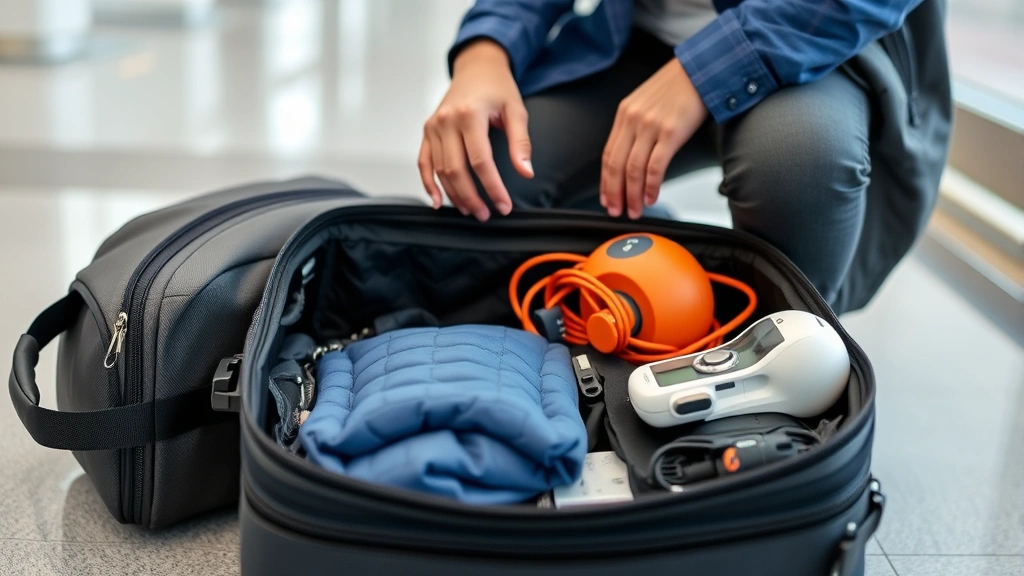
FAQ
Can TSA confiscate my medical equipment at security checkpoints?
No. TSA cannot confiscate medically necessary equipment with proper documentation. Oxygen concentrators, CPAP machines, insulin pumps, and similar devices are permitted. Your doctor’s letter provides the documentation TSA needs to allow your equipment through security. If an agent attempts to confiscate your equipment, ask for a supervisor and reference your letter.
Do I need different letters for different countries?
Your doctor’s letter is universally useful, but some countries require additional customs documentation. Research your destination’s specific regulations for medical devices. Obtain prescription documentation in addition to your letter. Consider having your letter translated into the destination language, though English-language letters usually suffice.
How long is a medical equipment travel letter valid?
Most doctors’ letters are valid for one year, though some specify shorter periods. Check your letter’s expiration date before traveling. If your letter expires during your travel, request a renewed letter from your doctor before departure. International travel sometimes requires more recent letters.
Can I use a telehealth doctor’s letter for travel?
Yes, telehealth doctors can provide legitimate travel letters if they’re licensed healthcare providers in your state. However, they must have reviewed your medical history and confirmed your equipment need. Using telehealth for travel documentation works well when your regular doctor is unavailable, but inform the telehealth provider about your specific travel needs upfront.
What if my employer refuses to allow my medical equipment at work?
Your employer must provide reasonable accommodations under the ADA. Refusing to allow medically necessary equipment violates your rights. Document the refusal in writing, provide your employer with your doctor’s letter, and file a complaint with the EEOC if the employer continues refusing. Consider consulting an employment attorney for serious violations.
Are there specific requirements for equipment batteries during air travel?
TSA has specific rules about lithium batteries in medical devices. Your doctor’s letter should specify battery type and watt-hour rating. Generally, spare batteries for medical equipment are permitted if properly declared. Check TSA.gov for the latest battery regulations before your flight.
Can hotels refuse medical equipment in rooms?
Hotels cannot legally refuse medically necessary equipment under the ADA. If a hotel denies your equipment, reference your doctor’s letter and cite ADA requirements. File a complaint with HUD (Department of Housing and Urban Development) if the hotel continues refusing reasonable accommodations.
What should I do if my medical equipment breaks during travel?
Have your doctor’s letter and prescription readily available when seeking replacement equipment. Medical supply companies can replace equipment faster when you provide documentation of medical necessity. Consider purchasing travel insurance that covers medical equipment replacement.
Do I need a letter for mobility equipment like wheelchairs or walkers?
While mobility equipment is generally obviously necessary, a doctor’s letter helps when traveling internationally or when airlines question whether your equipment can be safely stowed. The letter clarifies that your mobility device is medically essential, not optional.
Where can I get help if my rights are violated during travel?
Contact the Job Accommodation Network (JAN) for workplace accommodation disputes. File complaints with TSA if airport security denies your equipment. Report hotel discrimination to HUD. For airline issues, contact the Department of Transportation’s Aviation Consumer Protection Division. Document all violations with dates, names, and details.