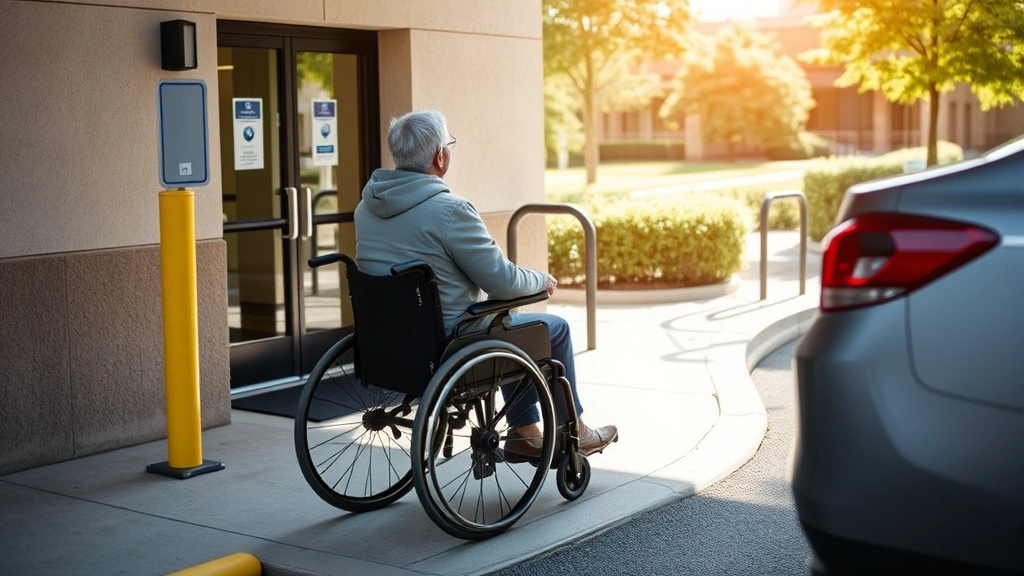
How to Get an Accessible Parking Letter: Doctor Tips for Reserved Spots
Securing reserved accessible parking can significantly improve your quality of life if you have mobility challenges, chronic pain, or disabilities that make walking long distances difficult. However, obtaining a doctor-signed letter to support your accessible parking request requires understanding the medical, legal, and procedural requirements. This guide walks you through the entire process, offering practical tips from healthcare providers and disability advocates to help you navigate the system successfully.
An accessible parking letter—sometimes called a handicap parking letter or disability parking documentation—is a medical document that confirms your functional limitations and explains why reserved accessible parking is medically necessary. Unlike a handicap placard alone, a formal letter from your doctor strengthens your case when dealing with landlords, property management companies, or HOAs that may question your eligibility. Whether you’re applying for reserved accessible parking at your residence or seeking accommodation at a workplace, this comprehensive guide will help you succeed.
What Is an Accessible Parking Letter and Why You Need One
An accessible parking letter is a medical document written by a licensed healthcare provider that documents your disability and explains the functional limitations that make accessible parking medically necessary. This letter serves multiple purposes: it supports applications for handicap placards with state DMVs, strengthens requests for reserved spots in apartment complexes or condominiums, provides documentation for workplace accommodation requests, and creates a formal medical record that can be referenced if your eligibility is ever questioned.
Many people assume that a handicap placard is sufficient, but property managers, HOAs, and employers often require additional medical documentation. A doctor-signed letter carries legal weight because it comes directly from a qualified healthcare professional who has evaluated your medical condition. According to the Americans with Disabilities Act (ADA), entities must provide reasonable accommodations to individuals with disabilities, and a medical letter serves as the foundation for proving your need.
The distinction between a letter and a placard matters in residential and workplace settings. While a state-issued handicap placard is primarily for vehicle identification, a medical letter provides the clinical justification. When you’re requesting a ground floor apartment transfer or other housing accommodation alongside accessible parking, having a comprehensive medical letter strengthens your entire request.
Medical Conditions That Qualify for Accessible Parking
Not every medical condition automatically qualifies for accessible parking, but a wide range of disabilities do. The key is demonstrating that your condition significantly limits your ability to walk or ambulate. Common qualifying conditions include:
- Mobility disorders: Cerebral palsy, multiple sclerosis, Parkinson’s disease, spinal cord injuries, and arthritis that severely restricts movement
- Cardiovascular and respiratory conditions: COPD, severe asthma, heart disease, and other conditions that cause shortness of breath with minimal exertion
- Neurological conditions: Stroke recovery, traumatic brain injury, severe migraines, and conditions affecting balance or coordination
- Orthopedic conditions: Hip or knee replacements, chronic fractures, severe osteoporosis, and conditions requiring assistive devices like wheelchairs or walkers
- Pain conditions: Fibromyalgia, complex regional pain syndrome, and severe chronic pain that limits standing or walking tolerance
- Metabolic and endocrine disorders: Severe diabetes with complications, thyroid dysfunction causing fatigue, and related conditions affecting mobility
- Sensory disabilities: Blindness and severe visual impairments that make navigation in parking lots dangerous
Your doctor will evaluate whether your specific condition meets the functional criteria: Does it substantially limit your ability to walk? Does it require you to use an assistive device? Does it cause pain, fatigue, or shortness of breath with ambulation? If you answer yes to these questions and your doctor agrees, you likely qualify for accessible parking.
Preparing Your Documentation Before Meeting Your Doctor
Before you schedule an appointment or request a letter, gather comprehensive medical documentation. This preparation strengthens your case and helps your doctor write a more detailed, persuasive letter. Compile:
- Medical records from the past 12 months showing diagnoses, treatment plans, and clinical notes
- Recent test results, imaging studies, or lab work that supports your diagnosis
- A list of current medications and dosages, as they provide clinical context
- Documentation of assistive devices you use (cane, walker, wheelchair, crutches, oxygen)
- Records from physical therapy or rehabilitation showing functional limitations
- Specialist evaluations if your condition involves multiple providers
- Any previous disability determinations (Social Security, workers’ compensation, insurance approvals)
Additionally, write a brief personal statement describing how your condition affects your daily mobility. For example: “Walking more than 50 feet causes severe pain and shortness of breath, making long parking lot walks impossible.” This narrative helps your doctor understand the real-world impact and provides language they can reference in the letter. Having this documentation organized shows your doctor that you’re serious and well-informed, which typically results in a more thorough letter.
How to Request the Letter From Your Healthcare Provider
Timing and approach matter when requesting a medical letter. Schedule a dedicated appointment rather than requesting it during a routine visit—most doctors need time to write a comprehensive letter. When calling to schedule, tell the scheduler: “I need an appointment to discuss medical documentation for accessible parking accommodation. I’ll be requesting a letter from the doctor.” This alerts your healthcare provider’s office to set aside adequate time.
During your visit, be specific and factual about your request. Say: “I’m requesting a medical letter that documents my disability and explains why accessible parking is medically necessary. I have documented my medical history and functional limitations, and I’d like the letter to address these specific points.” Provide your prepared documentation packet at the beginning of the appointment so your doctor can review it before your discussion.
Be prepared to discuss your functional limitations in concrete terms. Instead of saying “I can’t walk far,” say “I can walk approximately 75 feet before experiencing severe knee pain that requires me to rest for 15 minutes.” Specificity makes the letter more credible and harder to challenge. Ask your doctor to include objective findings from their examination, such as range-of-motion limitations, pain responses, or observable functional deficits.
Clarify the letter’s intended use. If it’s for a residential request, your doctor might emphasize the need for proximity to your unit. If it’s for workplace accommodation, the focus might be on mobility limitations during the workday. Your doctor can tailor the letter’s emphasis based on your specific application.
Ask about timeline expectations. Most doctors can write a letter within 3-5 business days, but some offices require longer. If you have a deadline, communicate this clearly. Finally, ask whether there will be a fee—some practices charge $50-$150 for documentation letters, while others provide them at no cost for established patients.
What Should Be Included in Your Parking Letter
A comprehensive accessible parking letter should contain specific elements that make it legally defensible and difficult to challenge:
- Doctor’s credentials: Full name, medical license number, specialty, practice address, phone, and signature
- Your information: Full name, date of birth, and patient ID or MRN for verification
- Date of examination: When you were last evaluated (should be recent, ideally within 6 months)
- Diagnosis or diagnoses: Specific medical conditions, with ICD codes if possible (e.g., “Osteoarthritis of the knee, bilateral, severe”)
- Functional limitations: Objective description of how your condition limits walking, standing, or ambulation (“Patient can ambulate approximately 50 feet before experiencing severe pain”)
- Treatment history: Medications, therapies, surgeries, or interventions attempted
- Assistive devices: Specific devices used (wheelchair, walker, cane, oxygen) and frequency of use
- Medical necessity statement: Clear language explaining why accessible parking is medically necessary (“Due to [condition], patient requires reserved accessible parking to minimize walking distance and reduce pain/fatigue/dyspnea”)
- Permanence or duration: Whether the condition is permanent or expected to resolve, and if temporary, an estimated timeline
- Clinical findings: Objective examination findings that support the diagnosis and functional limitations
The letter should be written on official letterhead, signed in ink by the doctor, and dated. Avoid vague language like “patient needs accessible parking” in favor of specific language: “Due to severe osteoarthritis of both knees and chronic pain, [patient name] has significantly limited ambulation and requires reserved accessible parking to minimize walking distance, reduce pain exacerbation, and prevent functional deterioration.” This specificity makes the letter nearly impossible to challenge.
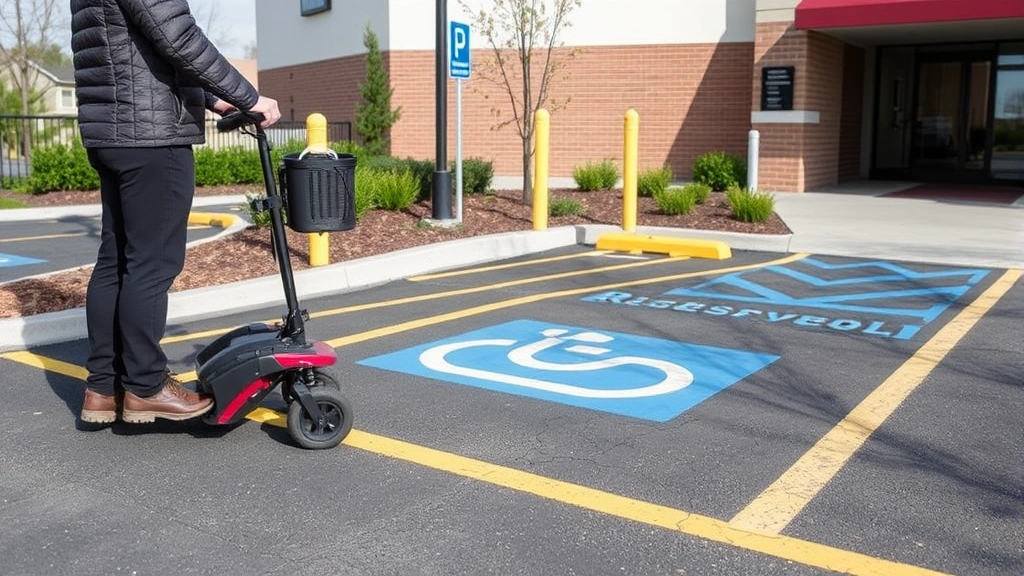
Working With Your Doctor: Key Conversation Tips
Effective communication with your healthcare provider is crucial. Here are evidence-based tips for getting the strongest possible letter:
Be honest and detailed about functional impact. Doctors appreciate specific examples over vague complaints. Instead of “I get tired,” say “After walking 100 feet, I experience dizziness and require 10 minutes of sitting to recover.” This specificity helps your doctor understand the true severity and provide appropriate documentation.
Connect your medical condition to parking needs. Help your doctor understand the link: “Long parking lot walks exacerbate my symptoms and delay my recovery. Reserved accessible parking near building entrances reduces my walking distance significantly.” Your doctor may not spontaneously make these connections without your input.
Bring a list of questions. Ask: “What specific functional limitations should I emphasize in applications?” “How would you describe my walking tolerance?” “Do you think my condition is permanent or temporary?” “Are there any objective findings from my exam you’d recommend including?” Written questions ensure you cover everything during the appointment.
Acknowledge your doctor’s expertise while advocating for yourself. Frame requests respectfully: “Based on your clinical evaluation, do you think this letter should mention my assistive device use?” rather than “You need to mention my walker.” Doctors respond better to collaborative language.
Ask if your doctor can address common objections. Many landlords and employers question disability claims. Ask your doctor: “Could you include language explaining why this condition makes long-distance walking unsafe?” or “Would objective findings like range-of-motion measurements strengthen the letter?” This helps your doctor anticipate and address skepticism.
After You Receive Your Letter: Next Steps
Once you have your medical letter, the process varies depending on your specific situation. For reserved accessible parking at your residence, submit the letter to your property management company or HOA along with a formal written request. Include a cover letter explaining: “I am requesting a reserved accessible parking space due to a documented disability. Per the Fair Housing Act and ADA, reasonable accommodations must be provided. My medical documentation is attached.”
For state-issued handicap placards, contact your state’s Department of Motor Vehicles and follow their specific procedures. Most states require the medical letter along with a completed application form. Processing typically takes 2-4 weeks.
Keep multiple copies of your letter in secure locations—one with your medical records, one in your vehicle, and one filed at home. If your letter is challenged, having the original plus copies protects you. Some people also maintain a digital scan in cloud storage for easy access if needed.
If your property manager or employer denies your request, consult the U.S. Department of Housing and Urban Development (HUD) for housing issues or the Equal Employment Opportunity Commission (EEOC) for workplace issues. You may also contact your state’s disability rights organization or a disability lawyer for guidance on appealing a denial.
Common Challenges and How to Overcome Them
Challenge: Property manager questions the legitimacy of your letter. Solution: Ensure your letter includes your doctor’s medical license number, practice information, and contact details so the property manager can verify. If questioned, provide additional documentation like recent medical records, imaging studies, or specialist evaluations. The ADA’s guide to accessible parking clarifies that property managers cannot require extensive medical justification; a physician’s letter is typically sufficient.
Challenge: Your doctor is reluctant to write the letter. Solution: Provide clear information about what should be included and why it’s necessary. Some doctors worry about legal liability; reassure them that documenting functional limitations is standard medical practice. If your primary care doctor refuses, consider requesting the letter from a specialist treating your condition, as they may have more detailed functional knowledge. You can also explore Arvix Health’s resources for guidance on obtaining appropriate medical documentation.
Challenge: Your condition is temporary or variable. Solution: Ask your doctor to specify the expected duration in the letter: “Patient is expected to require accessible parking for a minimum of 6 months during recovery from knee replacement surgery.” For variable conditions, ask your doctor to note: “Patient’s functional limitations fluctuate; on difficult days, ambulation is severely limited.” This honesty actually strengthens your credibility.
Challenge: You don’t have a regular doctor. Solution: Establish care with a primary care physician immediately, even if only for this documentation. Urgent care centers or federally qualified health centers (FQHCs) can also provide medical letters if you have recent visits and documented diagnoses. Telehealth providers may also be an option in some states, though in-person evaluation is preferable.
Challenge: The property manager demands more documentation than just the letter. Solution: Under the Fair Housing Act, requiring “reasonable” documentation is legal, but excessive demands are not. A medical letter from a treating physician is generally considered sufficient. If demands seem unreasonable (requesting full medical records, multiple specialists’ evaluations, or functional capacity tests), consult a disability rights attorney. The Job Accommodation Network (JAN) offers free consultation for workplace accommodation disputes and may provide guidance for residential situations as well.

FAQ
How long does it take to get an accessible parking letter from my doctor?
Most doctors can write a letter within 3-5 business days of your appointment. However, some busy practices may take up to 2 weeks. If you have a deadline, ask about the timeline when you schedule your appointment and communicate urgency if applicable.
Can I get an accessible parking letter without a recent diagnosis?
It’s more challenging but possible if you have documented medical history. Ideally, your doctor should have evaluated you within the past 6-12 months and have clinical notes supporting your functional limitations. If it’s been longer, schedule an appointment to be re-evaluated before requesting the letter.
What if my doctor won’t write the letter?
First, ask why they’re hesitant and address their concerns. If they still refuse, request a referral to a specialist who treats your condition—they may be willing to write the letter based on their expertise. You can also seek a second opinion from another physician or explore whether your condition qualifies for documentation through other channels like your state’s disability services agency.
Is there a specific format my doctor’s letter must follow?
Most jurisdictions don’t mandate a specific format, but the letter should be on official letterhead, include your doctor’s credentials and signature, and contain the elements outlined in the section “What Should Be Included in Your Parking Letter.” If you’re applying through a specific entity (property management, DMV), ask if they have a preferred format.
Can my letter be challenged or disputed?
Yes, but a comprehensive letter from a treating physician is difficult to challenge. To strengthen your letter’s defensibility, ensure it includes objective clinical findings, specific functional limitations, and clear medical justification. Keep copies of supporting medical records in case you need to provide additional documentation.
Do I need a new letter every year?
This depends on your condition and the entity requesting accommodation. For permanent disabilities, a letter may be valid for several years. For temporary or variable conditions, renewal may be necessary annually. Ask your doctor or the requesting entity about renewal timelines when you receive your initial letter.
How is an accessible parking letter different from a disability letter?
An accessible parking letter is specifically focused on documenting the functional limitations that make accessible parking medically necessary. A general disability letter confirms you have a disability but may not address parking-specific needs. For parking requests, a parking-specific letter is more effective because it directly connects your condition to the accommodation you’re requesting.
Can I use the same letter for multiple purposes (residence, workplace, DMV)?
Generally yes, but tailor your submission slightly for each entity. The core letter remains the same, but your cover letter or application can emphasize different aspects. For example, when submitting to your workplace, highlight how accessible parking supports your ability to perform job duties. For residential requests, emphasize how it reduces pain or fatigue that affects your living situation.
What should I do if my request for accessible parking is denied?
Request the denial in writing and ask for specific reasons. If the entity claims your medical letter is insufficient, ask what additional information they need (this helps you request a supplemental letter from your doctor). If they deny your request without legitimate reason, contact your state’s disability rights organization, file a complaint with HUD (for housing) or EEOC (for employment), or consult a disability attorney.