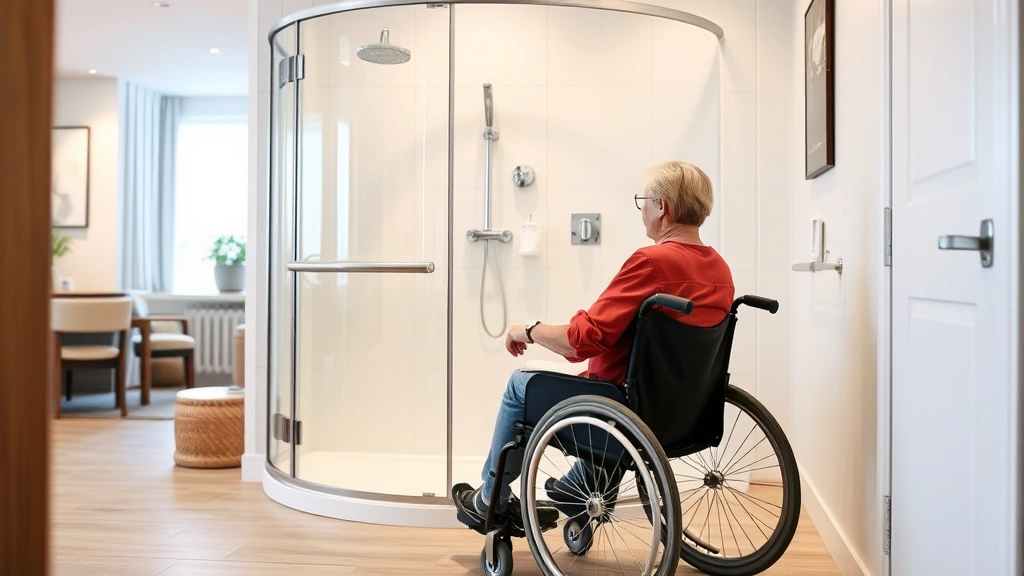

Ground Floor Transfer Request: Doctor’s Insight
Moving to a ground floor apartment can be a critical accommodation for individuals managing mobility challenges, chronic pain conditions, respiratory issues, or other disabilities that make stair climbing difficult or dangerous. A medical letter from your doctor supporting a ground floor transfer request carries significant legal weight under the Fair Housing Act and can expedite your landlord’s response. This comprehensive guide explains how to obtain a doctor’s letter, what it should contain, and how to present it effectively to your housing provider.
Whether you’re dealing with arthritis, heart disease, lung conditions, neurological disorders, or post-surgical recovery, your physician’s professional assessment can transform a simple request into a legally protected accommodation. Understanding the process and your rights ensures you advocate effectively for the housing modification you need to maintain your health and independence.
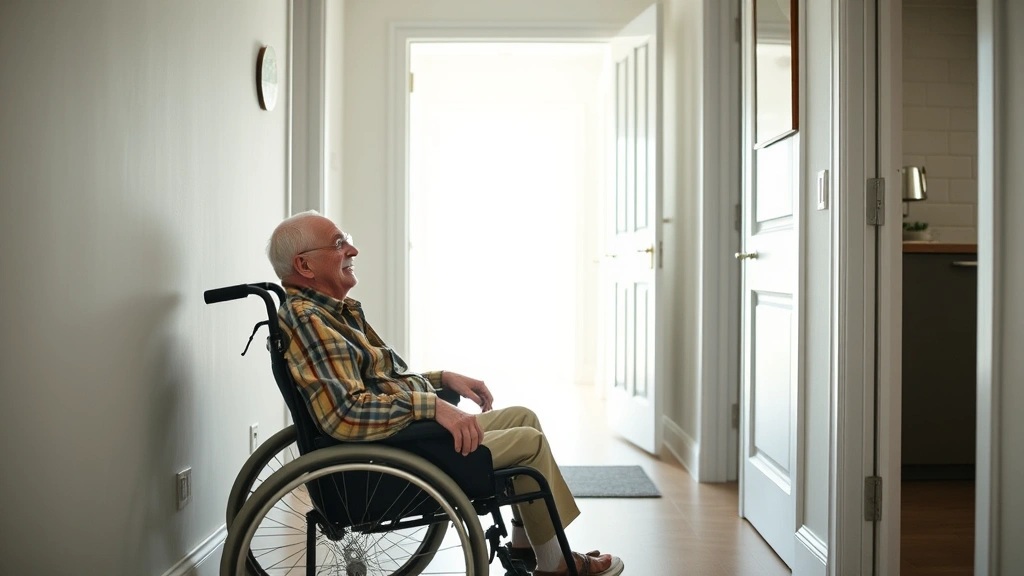
Why Ground Floor Access Matters for Health
Ground floor living eliminates numerous health and safety barriers for people with disabilities and chronic conditions. Climbing stairs repeatedly throughout the day can exacerbate pain, trigger shortness of breath, increase fall risk, or delay emergency medical response. For individuals using mobility aids like walkers, canes, or wheelchairs, stairs create complete barriers to independent living.
Beyond physical accessibility, ground floor units typically offer psychological benefits—reduced anxiety about falling, greater independence in daily activities, and improved quality of life. Medical professionals recognize that appropriate housing accommodations directly impact treatment outcomes, medication effectiveness, and long-term health trajectories. Your doctor’s professional opinion acknowledges these interconnected health factors and communicates their importance to housing providers who may not understand disability-related needs.
The cumulative effect of navigating stairs daily can worsen existing conditions: increased inflammation in arthritis patients, elevated blood pressure and cardiac stress in heart disease patients, or accelerated fatigue in those with chronic fatigue syndrome. A ground floor transfer isn’t a luxury preference—it’s often a medical necessity that prevents condition deterioration and reduces emergency room visits.

Legal Framework for Housing Accommodations
The Fair Housing Act prohibits discrimination based on disability and requires landlords to make reasonable accommodations in housing rules, policies, and practices. A ground floor transfer qualifies as a reasonable accommodation when medically necessary—it doesn’t fundamentally alter the landlord’s business operations or create undue financial burden.
Section 504 of the Rehabilitation Act and the Americans with Disabilities Act provide additional protections for individuals with disabilities seeking housing accommodations. Your doctor’s letter serves as critical documentation that establishes the nexus between your disability and the requested accommodation, shifting the burden to your landlord to justify any denial.
State and local housing laws often exceed federal protections. Many jurisdictions require landlords to provide reasonable accommodations at no additional cost to tenants, and some prohibit retaliatory action against tenants who request accommodations. Understanding your jurisdiction’s specific requirements strengthens your position when submitting your request.
A well-documented medical letter creates a clear paper trail demonstrating that you pursued the accommodation through proper channels. Should your request be denied, this documentation becomes essential evidence if you need to file a complaint with HUD’s Office of Fair Housing and Equal Opportunity or pursue legal action.
What Your Doctor’s Letter Must Include
An effective ground floor transfer request letter should be written on official letterhead and include specific clinical information that establishes medical necessity. Here are the essential components:
- Your diagnosis or functional limitation: The letter should identify your specific medical condition(s) or describe your functional limitations without necessarily disclosing your diagnosis if you prefer privacy. For example: “My patient experiences significant mobility limitations that make stair climbing unsafe” or “My patient has a cardiac condition requiring limitation of strenuous activity.”
- How stairs specifically impact your health: Your doctor should explain the causal relationship between stair climbing and your symptoms or condition progression. Examples: “Climbing stairs triggers severe pain episodes lasting 24-48 hours,” “Stair use causes shortness of breath and cardiac arrhythmias,” or “My patient has experienced multiple falls on stairs due to neurological balance impairment.”
- Functional limitations and daily impact: The letter should describe how your disability affects major life activities—mobility, self-care, or independent living. This language directly addresses Fair Housing Act requirements and demonstrates that the accommodation is necessary for equal access.
- Medical necessity statement: Include explicit language: “Ground floor housing is medically necessary to prevent further condition deterioration, reduce pain, and enable my patient to safely perform essential daily activities.”
- Physician credentials and contact information: The letter must be signed by a licensed healthcare provider (MD, DO, PA, NP, or other appropriate professional) with clear credentials and contact information for verification.
- Specific date and professional license information: Include the date written and the physician’s license number if possible, adding authenticity and verifiability.
The letter should be professional and clinical in tone while remaining accessible to non-medical readers like property managers. Avoid overly technical jargon, but don’t oversimplify medical realities. The goal is clear communication about why this specific accommodation directly addresses your medical needs.
How to Request a Medical Letter from Your Physician
Schedule an appointment specifically to discuss your ground floor accommodation needs. Don’t try to squeeze this request into a routine visit—your doctor needs time to thoughtfully document your condition and the accommodation’s medical necessity.
Prepare for your appointment by documenting specific examples: How many times daily do you climb stairs? What symptoms occur? How long do they last? Have you experienced falls or near-falls? What safety concerns exist? This information helps your doctor understand the real-world impact of your condition.
Bring written talking points to your appointment. You might say: “I’m requesting a ground floor apartment because climbing stairs significantly worsens my condition. Would you be willing to write a letter to my landlord explaining why this accommodation is medically necessary?” Most physicians are accustomed to providing such letters and understand their importance.
If your regular physician seems hesitant or unfamiliar with accommodation letters, consider consulting a specialist who treats your specific condition—they often have more experience documenting functional limitations and medical necessity. For example, a cardiologist for heart disease, a pulmonologist for respiratory conditions, or a rheumatologist for arthritis.
Some patients find it helpful to provide their doctor with a template or sample letter showing what information landlords need. This removes guesswork and ensures the letter addresses relevant legal standards. Many disability rights organizations provide templates online.
If cost is a barrier, ask whether your doctor charges for accommodation letters. Some physicians include them as part of routine care; others charge a modest fee. Community health centers and teaching hospitals often provide letters at reduced cost.
If you lack a current physician relationship, telehalth services increasingly offer disability accommodation letters. Services like Arvix Health connect you with licensed physicians who understand accommodation documentation requirements and can evaluate your situation through video consultation.
Presenting Your Request to Your Landlord
Submit your ground floor transfer request in writing—email with read receipt or certified mail—creating documentation of your request and the date received. This written record is crucial if disputes arise later.
Your letter should be concise, professional, and legally compliant. Include: your unit number, lease start date, specific accommodation requested (ground floor transfer), brief explanation that it’s medically necessary, and your attached physician’s letter. You might write: “I am requesting a ground floor apartment transfer as a reasonable accommodation under the Fair Housing Act due to medical conditions documented in my physician’s attached letter.”
Avoid extensive personal details in your cover letter—let your doctor’s letter convey the medical information. However, do explain practical logistics: “I understand you may need to coordinate this transfer with your lease renewal schedule” or “I’m flexible regarding timing and unit location, provided it’s ground floor.”
Set a reasonable deadline for response—typically 5-10 business days. The Fair Housing Act requires landlords to respond to reasonable accommodation requests promptly and in good faith. Don’t expect immediate approval, but do expect timely communication.
Keep copies of everything: your request letter, the physician’s letter, your lease, any communications with management. If your landlord requests additional information, provide it promptly. Responsiveness demonstrates good faith and strengthens your position if the request is denied.
If your landlord claims they have no ground floor units available, ask specifically about timelines for when units might become available. Some landlords must honor transfer requests when units open up. Clarify whether they’re denying the request or postponing it pending availability.
Common Conditions Qualifying for Ground Floor Transfer
Numerous medical conditions support ground floor accommodation requests. These include:
- Mobility and orthopedic conditions: Arthritis, osteoporosis, hip or knee replacements, spinal cord injuries, cerebral palsy, and post-surgical recovery periods where stair climbing is contraindicated.
- Cardiac and pulmonary conditions: Congestive heart failure, coronary artery disease, COPD, asthma, cystic fibrosis, and pulmonary hypertension where exertion triggers dangerous symptoms.
- Neurological conditions: Parkinson’s disease, multiple sclerosis, ALS, stroke recovery, balance disorders, and peripheral neuropathy affecting coordination and fall risk.
- Chronic pain conditions: Fibromyalgia, chronic fatigue syndrome, complex regional pain syndrome, and severe migraine disorders where physical exertion triggers symptom flares.
- Obesity and metabolic conditions: Severe obesity limiting mobility, diabetes with neuropathy affecting balance, and other conditions where stair climbing poses significant health risks.
- Mental health conditions: While less commonly grounds for ground floor transfer, severe anxiety triggered by heights, agoraphobia, or PTSD with specific triggers might support requests in some circumstances.
- Temporary conditions: Pregnancy complications, acute injury recovery, chemotherapy side effects, or post-surgical restrictions may warrant temporary ground floor transfers.
Your specific diagnosis matters less than clearly documenting how stair climbing functionally impacts your health and safety. Even relatively common conditions can qualify if your individual circumstances create genuine barriers to stair use.
What to Do If Your Request Is Denied
If your landlord denies your ground floor transfer request, request written explanation of their denial. Under Fair Housing Act requirements, they must provide legitimate, non-discriminatory reasons. Common—but often invalid—reasons include: “No ground floor units available” (they must prioritize your request when units become available), “Rent differential” (they cannot charge more for accessible units), or “Policy applies to all residents” (policies must be waived when necessary to provide equal access).
Review your lease and local housing laws. Some jurisdictions explicitly prohibit landlords from denying reasonable accommodations or charging fees for accessible units. Your local housing authority or disability rights organization can clarify your jurisdiction’s specific requirements.
If you believe your denial was discriminatory or violated Fair Housing Act requirements, file a complaint with HUD’s Office of Fair Housing and Equal Opportunity within one year of the violation. HUD investigates complaints at no cost to you and can order landlords to provide the accommodation, pay damages, and cover attorney fees.
Consult a disability rights attorney or contact your local disability rights organization for guidance. Many offer free consultations and can assess whether your case has merit for legal action. Some handle Fair Housing cases on contingency, meaning you pay nothing unless you win.
Document all communications and denials. Keep copies of your accommodation request, your physician’s letter, the landlord’s denial, and any follow-up correspondence. This documentation becomes critical evidence if you pursue complaints or legal action.
Consider whether your situation warrants exploring other housing options. While you have legal rights, enforcement sometimes requires time and resources. Simultaneously seeking alternative housing provides security while pursuing your accommodation request.
FAQ
Does my doctor’s letter guarantee my landlord will approve ground floor transfer?
No, but it significantly strengthens your request. A medical letter creates documented evidence of medical necessity, shifting the burden to your landlord to justify denial. However, landlords can deny requests if genuinely no ground floor units exist or in rare circumstances where the accommodation creates undue financial hardship. Most requests supported by physician documentation are approved.
What if I don’t have a regular doctor?
Telehealth services can connect you with licensed physicians who understand disability accommodations. Community health centers, urgent care clinics, and teaching hospitals provide accessible options. Some accept sliding-scale fees based on income. Starting with any healthcare provider who can document your condition is better than delaying your request.
Can my landlord charge me more for a ground floor apartment?
No. Under Fair Housing Act requirements, landlords cannot charge additional rent for reasonable accommodations. If your lease specifies different pricing for different unit types, those prices apply regardless of accommodation status. Charging more for accessible units violates federal law.
How long should I wait for my landlord’s response?
Landlords should respond within 5-10 business days. If you don’t receive acknowledgment within two weeks, send a follow-up email requesting written confirmation they received your request. This creates documentation if you later need to file complaints.
What if my landlord asks for more medical information?
Landlords can request additional information if your initial physician’s letter is vague or doesn’t clearly establish medical necessity. Provide reasonable requests promptly. However, landlords cannot demand your complete medical records, diagnosis details beyond what’s necessary, or information about unrelated health conditions.
Can my landlord deny my request because I’m young or don’t “look” disabled?
Absolutely not. Disability is invisible for many people, and age is irrelevant. Many young adults have mobility limitations, cardiac conditions, or chronic pain requiring ground floor access. Denying accommodations based on appearance or age violates Fair Housing Act protections.
Should I mention my disability diagnosis in my request letter?
You’re not required to disclose your specific diagnosis. Your physician’s letter can describe functional limitations without naming the condition: “My patient experiences significant mobility limitations making stair climbing unsafe.” However, some people choose to disclose diagnoses to educate landlords and reduce stigma. The choice is yours.
What if my building has no ground floor units?
Ask your landlord about timelines for when ground floor units might become available through normal turnover. Some jurisdictions require landlords to prioritize your request when units open. If truly no ground floor units exist in your building, ask about transfer to different buildings within the complex or whether alternative accommodations are possible (e.g., elevator access, accessible parking, unit relocation).