Instant Medical Housing Accommodations: Expert Insights
Medical housing accommodations are essential supports that enable individuals with disabilities, chronic illnesses, and mental health conditions to live safely, independently, and with dignity. Whether you need a ground floor unit due to mobility limitations, an allergen-free environment for respiratory conditions, or accessible parking for a medical device, housing accommodations can be the difference between thriving and merely surviving in your home. The good news is that obtaining these accommodations doesn’t have to be a lengthy, complicated process—many accommodations can be secured quickly when you understand the legal framework and work with qualified healthcare providers.
This comprehensive guide explores how to request and obtain instant medical housing accommodations, the legal protections available to you, common accommodation types, and expert strategies for navigating the process efficiently. Whether you’re renting or own your home, dealing with a disability, chronic condition, or mental health challenge, you have rights under federal law to request reasonable accommodations that allow you to enjoy your housing on equal terms with others.
Understanding Medical Housing Accommodations
Medical housing accommodations are modifications, policy exceptions, or services provided by landlords or property managers to enable individuals with disabilities to have equal access to and enjoyment of housing. These accommodations go beyond standard accessibility features and address the specific medical or mental health needs of individual residents. Unlike modifications that are permanent structural changes, accommodations often involve policy flexibility, service provision, or reasonable adjustments to standard rules.
The key principle underlying housing accommodations is equal access. If a standard housing policy, rule, or physical feature prevents someone with a disability from using and enjoying their home equally with non-disabled residents, an accommodation is likely required. This might mean allowing an emotional support animal with valid ESA documentation, providing accessible parking, permitting unit modifications, or making exceptions to lease terms.
What makes accommodations “instant” is the combination of clear legal entitlement, proper documentation, and effective communication. While landlords have a reasonable timeframe to respond (typically 5-10 business days), the process itself can move quickly when all parties understand the legal obligation and the request is properly substantiated.
Legal Framework and Your Rights
Your right to medical housing accommodations is protected by federal law, primarily through two key statutes:
- The Fair Housing Act (FHA): Prohibits housing discrimination based on disability and requires landlords to make reasonable accommodations in rules, policies, practices, and services to give people with disabilities equal opportunity to use and enjoy housing
- Section 504 of the Rehabilitation Act: Applies to housing receiving federal financial assistance and requires comparable accommodations
Under the Americans with Disabilities Act (ADA), reasonable accommodations must be provided unless doing so creates an undue financial or administrative burden. A reasonable accommodation is one that effectively addresses the disability-related need without fundamentally altering the nature of the housing or imposing significant difficulty or expense.
Importantly, you don’t need to disclose your diagnosis or detailed medical information. You only need to establish the nexus—the connection—between your disability and your accommodation need. A healthcare provider’s letter confirming this relationship is typically sufficient.
Common Types of Housing Accommodations
Medical housing accommodations vary widely depending on individual needs. Here are the most commonly requested types:
- Accessible Parking: Reserved, close parking for individuals with mobility disabilities, even if standard lease terms don’t include parking
- Ground Floor or Accessible Unit Transfer: Moving to a unit without stairs, with wider doorways, or with other accessibility features
- Service Animal or ESA Housing: Allowing a doctor-signed emotional support animal despite no-pet policies, with a valid letter establishing the disability-related need
- Allergen-Free Housing: Units free from specific allergens or commitment to allergen-management practices for residents with severe allergies or asthma
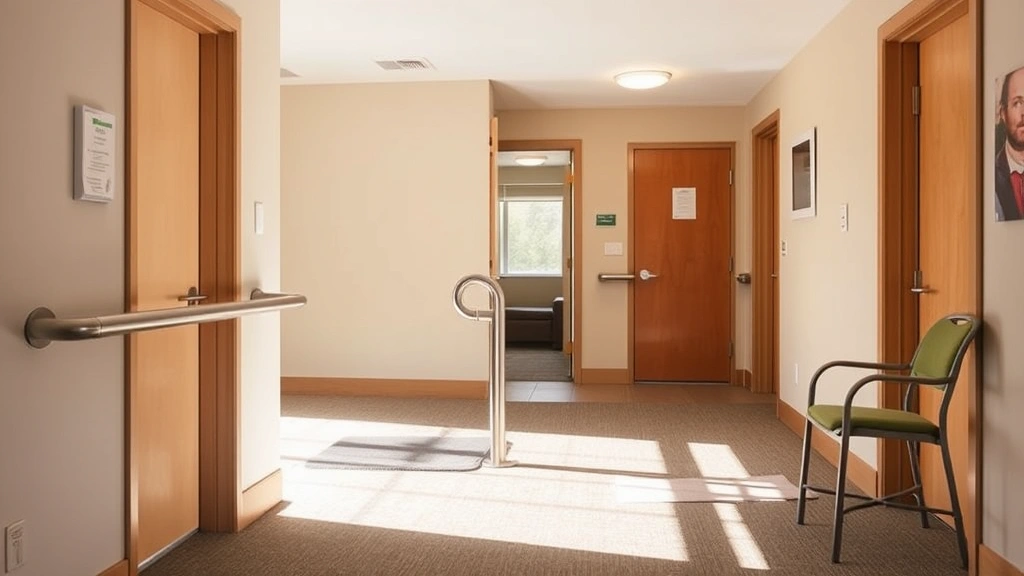
- Unit Modifications: Permitting grab bars, ramps, modified door frames, or other structural changes at tenant expense
- Lease Modification: Exceptions to standard lease terms, such as permission for caregivers to visit, flexible lease terms for medical leave, or modified lease termination conditions
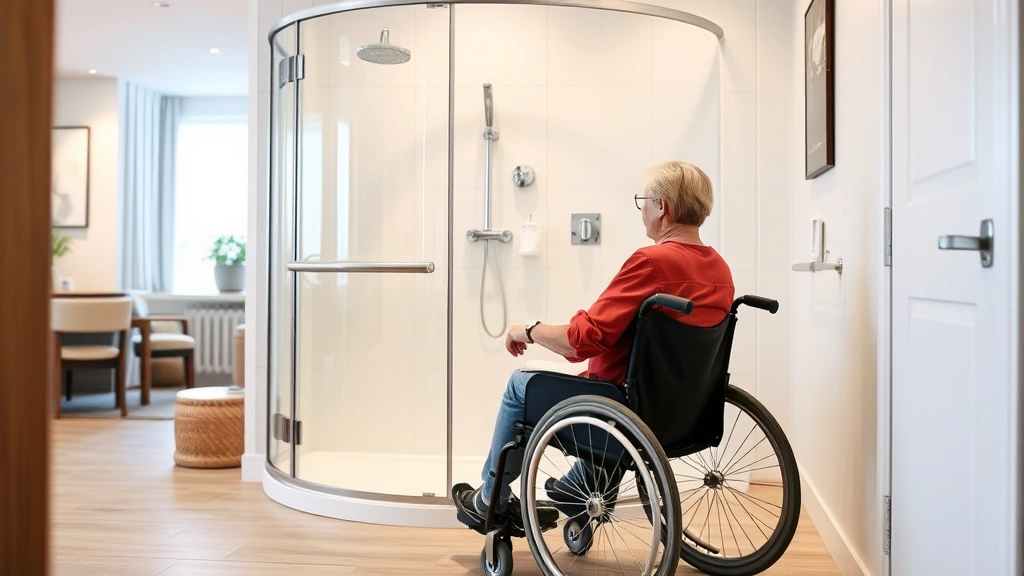
- Accessible Bathroom Features: Roll-in showers, lowered sinks, or other bathroom modifications
- Noise Accommodations: Exceptions for service animals, medical equipment, or mobility devices that might otherwise violate noise policies
- Utility Accommodations: Exceptions to utility restrictions for medical equipment requiring specific power access
The Fast-Track Request Process
To obtain instant medical housing accommodations, follow this streamlined process:
- Identify Your Need: Clearly define what accommodation you need and why. Be specific—”accessible parking” is better than “I need help.”
- Obtain Healthcare Documentation: Get a letter from a qualified healthcare provider (physician, psychiatrist, psychologist, etc.) confirming your disability and the nexus to your accommodation need
- Submit Written Request: Send a formal written request to your landlord or property manager, including your healthcare provider’s letter
- Follow Up: Contact the landlord within 5 business days if you haven’t received acknowledgment
- Escalate if Necessary: If denied, respond in writing explaining the legal basis for your request
The key to speed is having all documentation ready before submitting your request. Many landlords approve accommodations immediately once they understand the legal requirement and have proper documentation.
Documentation Requirements
Proper documentation is critical for instant approval. Your healthcare provider’s letter should include:
- Confirmation of your disability or condition
- Explanation of how the disability creates a functional limitation
- Specific description of the requested accommodation
- Clear statement of why the accommodation addresses your disability-related need
- Provider’s credentials, license number, and contact information
- Current date and provider signature
The letter need not reveal your diagnosis or detailed medical information. For example, a provider might write: “My patient has a mobility disability that significantly limits their ability to navigate stairs. They require housing on a ground floor or with elevator access to ensure equal access to their residence.” This establishes the nexus without disclosing the specific diagnosis.
For emotional support animals, the letter must clearly state that the animal is needed as an accommodation for a disability or mental health condition. Learn more about the difference between ESA and service animal letters to ensure you have the correct documentation type.
Working with Healthcare Providers
Not all healthcare providers are familiar with accommodation documentation. Here’s how to work effectively with yours:
- Be Specific: Explain exactly what accommodation you need and why. Don’t ask them to guess
- Provide Guidance: Share the documentation requirements list or a sample letter format
- Explain the Legal Framework: Many providers are willing to write letters once they understand this is a legal right, not a special favor
- Allow Adequate Time: Request the letter at least 2-3 weeks before you need it, though many providers can accommodate urgent requests
- Follow Up in Writing: Email your request to create a paper trail and allow providers to respond conveniently
If your current provider is unwilling or unable to write the letter, you have options. Some individuals work with specialists, therapists, or other qualified providers who may have more experience with accommodation documentation. Telehealth providers and disability accommodation specialists near you can also assist.
Landlord Communication Strategies
How you communicate your accommodation request significantly affects response time. Here are expert strategies:
Use Written Communication: Email or certified mail creates documentation of your request and demonstrates seriousness. Verbal requests are easily forgotten or disputed.
Be Professional and Clear: State your request plainly: “I am requesting the following reasonable accommodation under the Fair Housing Act: [specific accommodation]. I have attached documentation from my healthcare provider supporting this request.” Professional tone increases the likelihood of quick approval.
Provide Complete Documentation Upfront: Don’t make landlords ask for additional information. Include everything needed in your initial submission.
Reference the Law: Mentioning the Fair Housing Act in your request reminds landlords of their legal obligation. Most landlords understand that accommodations are legally required, not optional.
Offer to Discuss: “I’m happy to discuss how this accommodation addresses my housing needs” opens dialogue and often leads to quicker resolution than confrontational approaches.
Set Reasonable Expectations: Landlords have up to 10 business days to respond, though many respond faster. Following up after 5 days is appropriate if you haven’t heard back.

Timeline Expectations
While some accommodations are approved instantly, realistic timelines vary:
- Policy Exceptions (3-5 business days): Allowing a service animal, modifying pet policies, or making other rule exceptions often happen quickly once documentation is reviewed
- Unit Transfers (5-15 business days): Moving to an accessible unit depends on availability but can happen quickly in larger properties
- Structural Modifications (2-4 weeks): Physical changes require contractor coordination and typically take longer
- Urgent Situations (24-48 hours): Landlords may fast-track approvals for urgent medical needs with proper documentation
Having complete documentation from the start dramatically speeds up the process. Incomplete requests requiring follow-up can take months. Conversely, a well-documented request can often be approved within days.
FAQ
Do I have to disclose my diagnosis to my landlord?
No. You only need to provide information establishing that you have a disability and explaining how your requested accommodation addresses a disability-related need. Your healthcare provider’s letter can confirm disability without revealing specific diagnosis details.
Can a landlord refuse my accommodation request?
A landlord can refuse only if the accommodation would create an undue financial or administrative burden, fundamentally alter the housing, or if your disability-related need isn’t established. Most reasonable requests are approved. If refused, you can file a complaint with HUD’s Office of Fair Housing and Equal Opportunity.
What if my landlord doesn’t respond to my request?
Follow up in writing after 5 business days. If still no response after 10 days, you can file a fair housing complaint. Document all communication attempts.
Can I be charged for accommodations?
Generally no—landlords cannot charge for accommodations. However, tenants typically pay for modifications they request and own (like grab bars they install). Clarify cost responsibility in your initial request.
Is an ESA different from a service animal for housing purposes?
Yes. Under housing law, both are protected, but the documentation requirements differ. Learn more about what qualifies as a service animal versus an emotional support animal. Both require appropriate documentation establishing the disability-related need.
What if I’m in urgent medical need of an accommodation?
Explain the urgency in your request. Include language like “Due to my medical condition, this accommodation is needed urgently.” Landlords often expedite approvals for documented urgent situations. Having complete documentation helps landlords act quickly.
Can my landlord ask for specific medical records?
No. Landlords can only ask for information sufficient to establish disability and the relationship to the accommodation need. Requesting detailed medical records, diagnoses, or treatment information is generally illegal. A provider’s letter confirming disability and nexus is sufficient.
What if I need a disability letter for workplace accommodation in addition to housing?
Workplace and housing accommodations are separate but may use similar documentation. Your healthcare provider can write letters for both purposes, though workplace letters may require different formatting or content.
How do I know if my accommodation request is reasonable?
An accommodation is reasonable if it effectively addresses your disability-related need without fundamentally altering housing operations or creating significant expense. Common accommodations like accessible parking, unit transfers, and service animal exceptions are almost always reasonable. Discuss questionable requests with your provider or a disability rights advocate.
What should I do if my request is denied?
First, request a written explanation of the denial. If you believe the denial is illegal, file a fair housing complaint with HUD within one year. You can also contact a fair housing organization or disability rights attorney. Many provide free consultations.