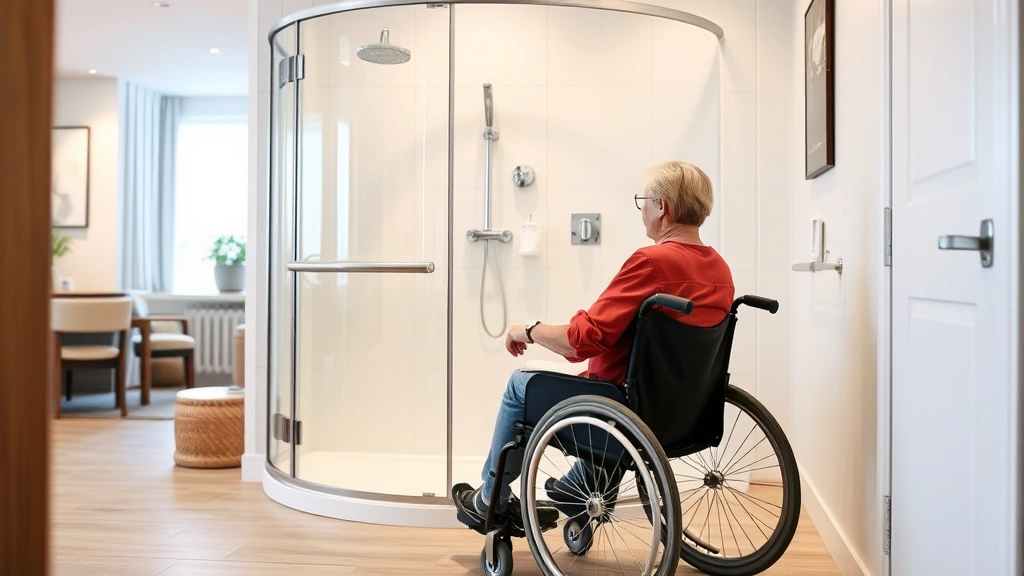
Doctor-Signed Medical Letter: Apartment Guide
A doctor-signed medical letter is one of the most powerful tools available to tenants seeking housing accommodations. Whether you need an accessible unit, allergen-free housing, or other modifications due to a medical condition, a letter from your physician carries legal weight and demonstrates the legitimacy of your accommodation request. This comprehensive guide explains how medical letters work in the rental context, what they should contain, and how to use them effectively with landlords and property managers.
Housing discrimination based on disability is illegal under the Fair Housing Act, and landlords must provide reasonable accommodations to qualified individuals with disabilities. A doctor-signed medical letter serves as the cornerstone of your accommodation request, establishing both your medical need and the connection between your condition and the requested accommodation. Understanding how to obtain and present this documentation can significantly improve your chances of securing the housing you need.
What Is a Doctor-Signed Medical Letter?
A doctor-signed medical letter for apartment accommodation is an official document from a licensed healthcare provider that confirms a tenant’s disability or medical condition and explains how that condition necessitates specific housing modifications or accommodations. This letter bridges the gap between your medical reality and your housing needs, making your request credible and legally defensible.
Unlike casual emails or informal notes, a formal medical letter carries significant legal weight. It demonstrates that a qualified medical professional has evaluated your condition and determined that the accommodation is medically necessary. Landlords and property managers are far more likely to approve accommodation requests supported by professional medical documentation than those without it.
The letter serves multiple purposes: it protects your legal rights under fair housing laws, provides clear documentation of your needs, establishes a paper trail for future disputes, and demonstrates good faith in your request. A well-written medical letter can be the difference between approval and denial of your accommodation request.
Legal Requirements and Fair Housing
The Fair Housing Act (FHA) and Americans with Disabilities Act (ADA) protect tenants with disabilities from housing discrimination. Under these laws, landlords must provide reasonable accommodations to individuals with disabilities, which includes allowing modifications to housing units or policies to accommodate medical needs.
A reasonable accommodation is any change in rules, policies, practices, or services that enables a person with a disability to have equal access to housing. Your doctor-signed medical letter serves as evidence that you have a disability and that your requested accommodation is necessary to ensure equal access. Landlords cannot legally deny your request simply because it inconveniences them or increases costs—they must accommodate unless doing so creates an undue financial or administrative burden.
The U.S. Department of Housing and Urban Development (HUD) enforces fair housing rules and has published guidance on reasonable accommodations. According to HUD, landlords must accept reliable documentation from a healthcare provider, and they cannot demand excessive medical information or documentation beyond what is reasonably necessary to establish the connection between your disability and your accommodation need.
It’s important to understand that landlords can request verification of your disability and the necessity of your accommodation, but they cannot request your complete medical records, diagnosis details beyond what is necessary, or information unrelated to the accommodation request. Your doctor-signed letter should provide enough information to establish the connection without oversharing sensitive medical details.
Essential Components of an Effective Letter
A strong doctor-signed medical letter for apartment accommodation should include several key elements to maximize its effectiveness and legal defensibility:
- Healthcare Provider Credentials: The letter must be written on official letterhead from a licensed healthcare provider (MD, DO, nurse practitioner, psychologist, or other qualified professional) with their name, credentials, license number, and contact information clearly displayed.
- Your Identification: Include your full name, address, and date of birth to clearly identify you as the patient in question. This prevents any confusion about whose medical needs are being documented.
- Confirmation of Provider-Patient Relationship: The letter should state how long the provider has been treating you and in what context. This establishes that the provider has direct knowledge of your condition through professional evaluation.
- Clear Statement of Disability: The letter should explicitly state that you have a disability as defined by the Fair Housing Act. It doesn’t need to provide your specific diagnosis but should describe the functional limitations resulting from your condition.
- Connection to Accommodation Need: This is critical. The letter must explain specifically how your disability creates a need for the requested accommodation. For example: “Due to severe allergic rhinitis and asthma triggered by pet dander, Mr. Johnson requires housing in a pet-free unit to protect his health and enable equal access to housing.”
- Specificity of Accommodation: The letter should clearly state what accommodation you’re requesting (ground floor unit, accessible parking, allergen-free housing, etc.) and explain why that specific accommodation addresses your medical need.
- Professional Opinion: The letter should include the provider’s professional opinion that the accommodation is medically necessary and appropriate for your condition. Language like “I recommend” or “It is medically necessary that” carries weight.
- Date and Signature: The letter must be dated and signed by the healthcare provider in blue or black ink. Digital signatures from secure provider portals are also acceptable.
The tone should be professional and straightforward, avoiding excessive medical jargon while remaining authoritative. The letter should be concise—typically one page—and focused solely on the connection between your disability and your accommodation need.
How to Obtain Your Medical Letter
Obtaining a doctor-signed medical letter requires communication with your healthcare provider. Here’s the process:
- Identify Your Healthcare Provider: The letter must come from a licensed professional who has evaluated you and has direct knowledge of your condition. This could be your primary care physician, specialist, mental health provider, or other qualified healthcare professional.
- Prepare Your Request: Before meeting with your doctor, prepare a clear summary of what accommodation you’re requesting and why. Research the Fair Housing Act’s definition of reasonable accommodations to ensure your request is legitimate and legally defensible.
- Schedule an Appointment: Don’t try to squeeze your accommodation letter request into a routine appointment. Schedule a dedicated visit to discuss your housing needs and accommodation request. This shows the doctor that you’re serious and gives them adequate time to consider your request.
- Explain Your Situation: During your appointment, clearly explain your housing situation, your medical condition’s impact on your ability to live safely or healthily in standard housing, and the specific accommodation you’re requesting. Provide concrete examples of how your condition affects your daily life.
- Request the Letter in Writing: Ask your doctor to write a formal letter on their letterhead that addresses the points outlined in the “Essential Components” section above. You can provide a template or example if helpful, though the doctor should write it in their own words.
- Clarify Documentation Needs: Discuss whether your doctor has all the information they need to write an effective letter. If they need additional documentation or records, provide them promptly.
- Allow Adequate Time: Medical offices often take time to prepare formal letters. Ask when the letter will be ready and confirm whether you should pick it up or have it mailed to you.
- Verify the Letter: When you receive the letter, review it carefully to ensure it includes all essential components and accurately reflects your accommodation need. If something is missing or unclear, contact your doctor’s office to request revisions.
If you’re having difficulty obtaining a letter from your current healthcare provider, consider whether you need to establish care with a new provider. Some providers are unfamiliar with fair housing requirements and may be hesitant to write accommodation letters. A provider who specializes in your condition or who has experience with accommodation documentation may be more helpful.

Presenting Your Letter to Landlords
Once you have your doctor-signed medical letter, the next step is presenting it to your landlord or property manager in a way that maximizes the likelihood of approval. Here’s how to do it effectively:
Timing: Present your accommodation request and supporting documentation as early as possible in the rental process. Ideally, submit it when you first inquire about availability or when you submit your application. Waiting until after you’ve been denied or after problems arise makes the process more contentious.
Professional Presentation: Submit your letter along with a formal written request for accommodation. Keep copies for your records. Include your contact information and a clear statement of what you’re requesting. For example: “I am requesting a ground floor unit as a reasonable accommodation for my mobility disability, as documented in the attached letter from my healthcare provider.”
Clarity About Privacy: Landlords are entitled to sufficient documentation to verify that you have a disability and that your accommodation is necessary, but they are not entitled to your complete medical records or detailed health information. Your doctor’s letter should provide enough information to establish the connection without oversharing sensitive details.
Follow-Up: After submitting your documentation, follow up with your landlord within a reasonable timeframe (typically 5-10 business days) to confirm they received it and to ask about their timeline for responding to your request. Keep records of all communications.
Know Your Rights: Understand that landlords cannot deny your request simply because it’s inconvenient or costs money. They can only deny requests that would create an undue financial or administrative burden or that would fundamentally alter the nature of the housing. Most reasonable accommodations don’t meet that threshold.
If your landlord denies your accommodation request despite your doctor-signed letter, you have legal recourse. You can file a complaint with HUD or your state’s fair housing authority, or you can pursue legal action. Many disability rights organizations offer free or low-cost legal assistance.
Common Housing Accommodations
Understanding common types of housing accommodations can help you formulate a specific request and explain its necessity to your landlord. Here are frequently approved accommodations:
- Ground Floor or Accessible Unit: Tenants with mobility disabilities, chronic pain conditions, or cardiovascular conditions often need units without stairs. A doctor-signed letter explaining functional limitations with stairs or climbing is essential for this request.
- Allergen-Free or Pet-Free Unit: Individuals with severe allergies or asthma may request housing where pets are not permitted or where previous pet-related allergens have been removed. Your doctor’s letter should describe your allergic or respiratory condition and how pet allergens trigger symptoms.
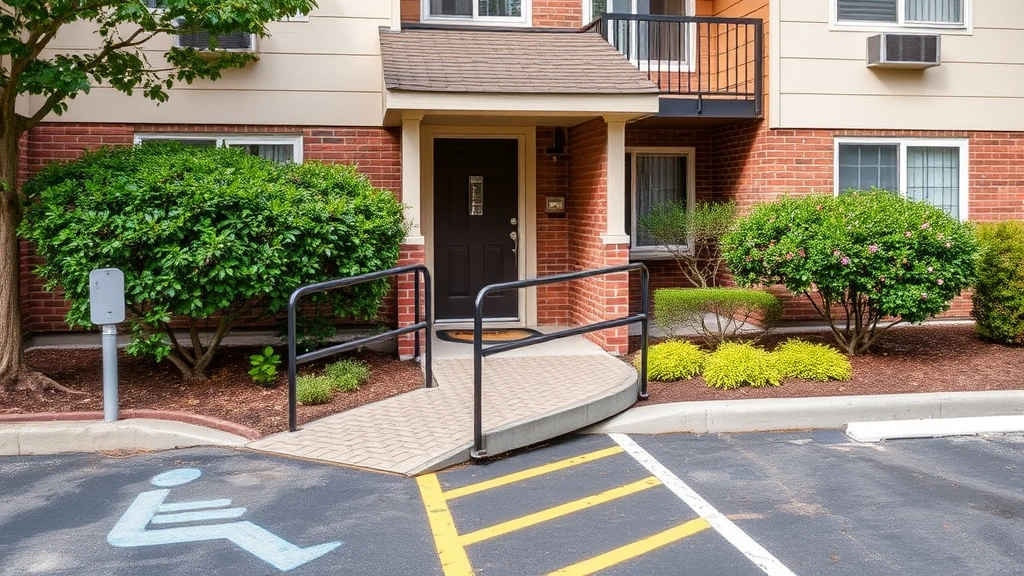
- Accessible Parking: Tenants with mobility disabilities may request reserved, accessible parking spaces close to their unit. Your letter should document your mobility limitations and explain why standard parking is not accessible.
- Unit Modifications: Some accommodations involve physical modifications, such as grab bars in bathrooms, lever-style door handles, or ramps. Your doctor’s letter should explain the specific functional limitations that necessitate each modification.
- Lease Modifications: Some accommodations involve changes to lease terms, such as allowing service animals, permitting additional breaks for medical appointments, or allowing early lease termination due to medical relocation needs.
- Emotional Support Animal Accommodation: If you have a disability-related need for an emotional support animal, your doctor-signed letter should confirm your disability and explain how the animal mitigates your symptoms. For more information, see our guide on legitimate emotional support animal letters.
Each accommodation request should be tailored to your specific medical needs. The more clearly you can connect your disability to your accommodation need, the more likely your landlord is to approve it.
Understanding the relationship between your medical condition and housing accessibility is crucial. For example, if you have a diagnosis that affects your functional ability to climb stairs, your request for a ground floor unit is clearly reasonable. If you have anxiety disorder that is alleviated by the presence of your dog, your request for an emotional support animal accommodation is medically justified.
FAQ
Can my landlord ask for my complete medical diagnosis?
No. Under fair housing laws, landlords can request documentation that you have a disability and that your accommodation is necessary, but they cannot demand your complete medical diagnosis, medical records, or detailed health information. Your doctor’s letter should provide enough information to establish the connection between your disability and your accommodation need without revealing sensitive health details.
What if my doctor refuses to write an accommodation letter?
If your doctor is unwilling or unable to write a letter, you have several options. First, try explaining fair housing requirements and the specific information the letter should contain—your doctor may simply be unfamiliar with these requests. Second, consider whether you need to establish care with a new provider who has experience with accommodation documentation. Third, explore whether another healthcare provider who treats you (a specialist, therapist, or nurse practitioner) might be willing to write the letter.
How long does a doctor-signed accommodation letter remain valid?
There’s no fixed expiration date for accommodation letters. However, if your condition changes significantly or if a substantial amount of time passes (typically more than a year or two), your landlord may request an updated letter. Keep your original letter and be prepared to request updates if necessary.
Can I use a template for my doctor’s letter?
You can provide your doctor with a template or example to guide the letter’s structure and content, but your doctor should write the letter in their own words and on their official letterhead. Templated or form letters that appear mass-produced may be less persuasive than personalized letters that address your specific situation.
What should I do if my landlord denies my accommodation request?
If your landlord denies your request despite your doctor-signed letter, document the denial in writing and request a written explanation. Then, consider filing a complaint with HUD or your state’s fair housing authority. You can also consult with a disability rights attorney or contact a legal aid organization for assistance. Many denials are actually illegal, and landlords may be liable for damages.
Do I need a specific type of doctor to write my accommodation letter?
The letter must come from a licensed healthcare provider with direct knowledge of your condition. This could be an MD, DO, nurse practitioner, physician assistant, psychologist, or other qualified professional. The provider doesn’t need to be a specialist in your condition, but they should be qualified to evaluate and treat the condition for which you’re requesting accommodation.
Can I request multiple accommodations with one letter?
Yes. If you need multiple accommodations due to related aspects of your disability, one comprehensive letter can address all of them. For example, a letter might address both your need for a ground floor unit and accessible parking, if both are necessitated by the same mobility disability. The letter should clearly explain how each accommodation addresses your specific functional limitations.
How much detail should my doctor include about my condition?
Your doctor should include enough detail to establish the connection between your disability and your accommodation need, but not so much that you’re sharing unnecessary medical information. For example: “Due to severe mobility limitations from osteoarthritis, the patient requires a ground floor unit to ensure safe and equal access to housing.” This is sufficient without disclosing your specific diagnoses, medications, or detailed medical history.