Need a Doctor’s Note for Housing? Expert Advice on Medical Accommodation Letters
Finding suitable housing that meets your medical needs is a fundamental right protected by federal law. Whether you require ground-floor accessibility due to mobility limitations, a pet for emotional support, or environmental modifications for a chronic health condition, a doctor’s letter for housing accommodation is often the essential document that opens doors—literally and figuratively.
A properly written, doctor-signed accommodation letter serves as clinical evidence of your medical condition and functional limitations, helping landlords, property managers, and housing authorities understand why specific accommodations are medically necessary. This guide walks you through everything you need to know about obtaining, understanding, and effectively using a housing accommodation letter from a licensed healthcare provider.
What Is a Doctor’s Letter for Housing Accommodation?
A doctor’s letter for housing accommodation is a clinical document written by a licensed healthcare provider that documents your medical condition and explains why you require specific housing modifications or accommodations. Unlike a general medical note, this letter is specifically formatted and detailed to serve as evidence in housing disputes or applications.
The letter essentially translates your medical diagnosis and symptoms into functional limitations—what you can and cannot do—and then connects those limitations directly to the accommodations you need. For example, rather than simply stating “patient has arthritis,” an effective letter explains how arthritis affects your ability to climb stairs and therefore necessitates ground-floor housing.
This document is legally recognized under federal housing law and carries significant weight when presented to landlords, property managers, and housing authorities. A well-crafted letter from a legitimate medical professional can be the difference between securing accessible housing and facing discrimination or denial.
Legal Framework and Your Rights
Your right to housing accommodations is protected by several landmark federal laws. The Fair Housing Act (FHA) explicitly prohibits discrimination based on disability and requires landlords to make reasonable accommodations in rules, policies, practices, and services when necessary to afford a person with a disability equal enjoyment of the housing.
The Americans with Disabilities Act (ADA) further reinforces these protections, establishing that people with disabilities have the same rights to housing as anyone else. The ADA defines disability broadly—including physical impairments, sensory disabilities, cognitive conditions, mental health disorders, and chronic illnesses—meaning a wide range of medical conditions qualify for housing accommodations.
Under these laws, you have the right to request accommodations at any point during your tenancy—before signing a lease, during the application process, or while already living in a unit. Landlords cannot legally deny your request based solely on the disability itself; they can only refuse if the accommodation poses an undue financial or administrative burden or fundamentally alters the nature of their housing business.
A doctor’s letter serves as your primary evidence that your need for accommodation is legitimate and medically necessary, making it a critical tool in asserting your legal rights. Documentation from a licensed healthcare provider carries legal weight that personal statements alone cannot match.
When You Need a Housing Accommodation Letter
You may need a doctor’s letter for housing accommodation in several common scenarios:
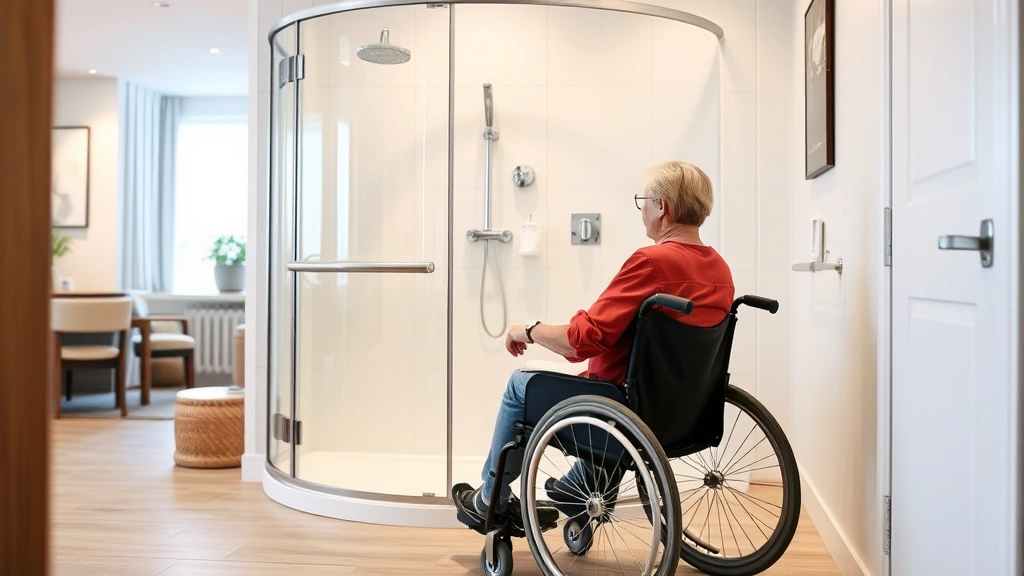
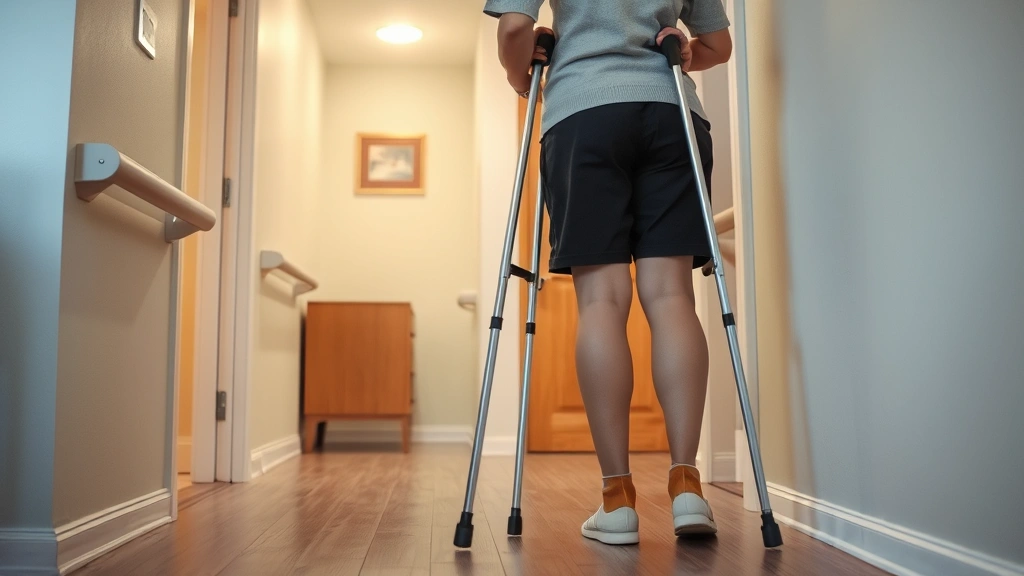
- Accessible unit modifications: If you require bathroom grab bars, wheelchair ramps, widened doorways, or other physical modifications to your rental unit
- Unit transfers: When you need to move to a ground-floor apartment, a unit near elevators, or a location closer to accessible parking
- Service or emotional support animals: To document that your animal is medically necessary rather than a pet, bypassing breed and size restrictions. (You may also want to explore our dedicated ESA letter service for comprehensive animal documentation)
- Environmental accommodations: If you need allergen-free housing, units away from environmental triggers, or specific climate control
- Lease modifications: When you require flexibility in lease terms due to medical needs, such as extended move-out timelines or modified lease termination clauses
- Parking accommodations: To secure accessible parking spaces or covered parking for medical equipment storage
- Reasonable policy exceptions: If you need exceptions to standard housing policies (such as extended guest stays for a caregiver or modified quiet hours for sleep disorders)
Even if your disability is visible or previously disclosed, having a formal letter from a doctor strengthens your position significantly. It removes ambiguity, prevents disputes about whether accommodations are truly necessary, and creates an official record that protects you legally.
Key Components of an Effective Housing Accommodation Letter
A legitimate, legally defensible doctor’s letter for housing accommodation must include specific elements. Here’s what distinguishes a strong letter from a weak one:
- Healthcare provider credentials: The letter must be on official letterhead from a licensed physician, psychiatrist, psychologist, nurse practitioner, or other qualified healthcare professional. The provider’s name, license number, contact information, and medical specialty should be clearly visible
- Patient identification: Your full name and the date the letter was written (ideally within the past year)
- Diagnosis or condition description: A clear statement of your medical condition. This doesn’t need to be overly detailed but should be specific enough to establish legitimacy
- Functional limitations: Explicit description of how your condition affects your daily functioning. This is crucial—it connects your diagnosis to why you need specific accommodations
- Direct connection to accommodation: The letter must clearly explain why each requested accommodation is medically necessary. For example: “Due to severe arthritis affecting mobility, [patient] requires ground-floor housing to safely access their residence”
- Medical necessity statement: A clear declaration that the accommodation is medically necessary, not merely preferred or convenient
- Professional signature and date: An original signature from the healthcare provider (not a photocopy or digital signature alone, though digital signatures are increasingly accepted)
- Contact information: The provider’s phone number and email so landlords can verify the letter’s authenticity if needed
Avoid letters that are vague, generic, or lacking these components. Landlords are trained to spot insufficient documentation, and a weak letter may be rejected entirely, requiring you to obtain a stronger version.
How to Obtain Your Doctor’s Letter
The process of obtaining a doctor’s letter for housing accommodation varies depending on your healthcare situation. Here are the most common pathways:
From Your Current Healthcare Provider: If you have an established relationship with a primary care physician, psychiatrist, or specialist who understands your condition, this is often the easiest route. Simply contact their office and explain that you need a housing accommodation letter. Many providers have templates or are familiar with these requests. Be specific about your accommodations and functional limitations so the provider can address them directly in the letter.
Telehealth and Online Options: If accessing your current provider is difficult, several legitimate telehealth platforms now offer accommodation letters online. These services connect you with licensed healthcare providers who can review your medical history and provide a letter. Ensure any service you use employs actual licensed medical professionals and doesn’t simply generate form letters without clinical review.
Specialty Providers: If your accommodation need relates to a specific condition (mobility, mental health, sensory disability), a specialist in that field may provide a more credible letter. For instance, a rheumatologist’s letter about arthritis-related accommodations carries more weight than a general practitioner’s letter on the same topic.
What to Prepare When Requesting: When you contact your healthcare provider, have the following ready:
- A clear list of specific accommodations you’re requesting
- A brief explanation of why each accommodation is necessary
- Your current address and any relevant housing situation details
- A timeline if you need the letter urgently
- Any previous accommodation documentation or letters
Most providers will charge a fee for writing and signing the letter—typically $50 to $200 depending on complexity and the provider’s standard fees. Some insurance plans cover this cost, though it’s not guaranteed. Ask about fees upfront to avoid surprises.
Presenting Your Letter to Your Landlord
How you present your housing accommodation letter matters significantly. Strategic presentation can smooth the process and reduce friction. Here’s a professional approach:
Timing: Present your letter as early as possible—ideally before signing a lease or at the beginning of your tenancy. If you already live in a unit and are requesting modifications, present the letter promptly after identifying your need. Waiting years and then suddenly requesting accommodations can raise questions about why you’re only now mentioning a pre-existing condition.
Format and Delivery: Provide the original signed letter (not a photocopy) in a professional manner. You can hand-deliver it, mail it certified, email it, or submit it through your landlord’s online portal. Keep a copy for your records and document the date you provided it. This creates a paper trail protecting you legally.
Accompanying Communication: Write a brief, professional cover letter or email explaining your request. Keep it factual and focused on the accommodation need, not on your disability itself. For example: “I am requesting a ground-floor unit transfer due to a medical condition documented in the attached letter from my healthcare provider. Please let me know the next steps in this process.”
Reasonable Accommodation Request Process: Some landlords have formal processes for reasonable accommodation requests. Ask if yours does and follow their procedure exactly. If they don’t have a formal process, your letter and communication serve as your official request.
Documentation: Keep every piece of correspondence related to your accommodation request. Emails, letters, notes about phone conversations, and copies of your doctor’s letter should all be organized and saved. This documentation protects you if disputes arise later.
Common Challenges and Solutions
Landlord Questions About Authenticity: Some landlords will contact your healthcare provider to verify the letter’s authenticity. This is legal and common. Ensure your provider is willing and able to confirm the letter if contacted. If your provider is unavailable or uncooperative, this can delay your request.
Requests for Too Much Medical Information: Landlords are not entitled to your full medical records, diagnosis details, or treatment history. They only need enough information to understand that your accommodation is medically necessary. If a landlord demands extensive medical documentation beyond what’s in your letter, you can politely decline and cite privacy protections under the Fair Housing Act.
Denial of Reasonable Requests: If your landlord denies a reasonable accommodation request, you have legal recourse. You can file a complaint with your local HUD office or pursue a fair housing complaint. Having a strong doctor’s letter significantly strengthens your case if litigation becomes necessary.
Generic or Weak Letters: If your healthcare provider provides a letter that’s too vague or generic, ask them to revise it with more specific details about your functional limitations and how they connect to your needed accommodations. Don’t settle for a weak letter; it may not accomplish your goal.
Cost Concerns: If your provider charges a high fee, consider seeking a doctor disability confirmation letter from an affordable provider or exploring whether community health centers in your area offer lower-cost options.
For comprehensive understanding of your accommodation rights, consult resources from the Job Accommodation Network (JAN), which also provides housing accommodation guidance, or contact your local disability rights organization.

FAQ
How long is a housing accommodation letter valid?
Most landlords accept letters written within the past year. If your condition is permanent or long-term, a letter from several years ago may still be acceptable, but a recent letter (within 12 months) is always stronger and demonstrates current medical oversight.
Can I use a letter from a nurse practitioner or physician’s assistant?
Yes. Any licensed healthcare provider can write a housing accommodation letter. Nurse practitioners, physician’s assistants, psychologists, psychiatrists, and other licensed professionals are all acceptable. The key is that they must be licensed and able to verify their credentials if asked.
Do I have to disclose my specific diagnosis to my landlord?
No. Your doctor’s letter should explain your functional limitations and why accommodations are necessary, but you’re not required to disclose your specific diagnosis. You can request that your healthcare provider use general language like “a chronic condition” or “a disability affecting mobility” if you prefer privacy.
What if my landlord says my accommodation is too expensive?
Under fair housing law, landlords cannot deny reasonable accommodations based on cost unless the accommodation imposes an undue financial burden on their business. Most standard accommodations (ground-floor transfers, parking spaces, policy modifications) do not qualify as undue burdens. If your landlord claims financial hardship, you may need legal assistance to challenge this claim.
Can I get a housing accommodation letter online?
Yes. Legitimate telehealth services now offer accommodation letters, including legitimate housing accommodation letters from licensed providers. Ensure the service employs actual healthcare professionals who review your medical situation, not automated services that simply generate form letters.
What’s the difference between a housing accommodation letter and an ESA letter?
A housing accommodation letter documents your need for physical or policy modifications (ground-floor units, parking, etc.). An ESA letter specifically documents that your animal is medically necessary for emotional support. If you need both accommodations and an ESA, you may need separate letters addressing each need.
Can I request accommodations without a doctor’s letter?
Technically, yes—you can make an oral request. However, a written letter from a healthcare provider is far more effective. Without documentation, landlords may deny your request or demand extensive medical evidence. A doctor’s letter provides the credibility and legal backing that makes your request difficult to refuse.
What if my doctor refuses to write the letter?
If your current provider is unwilling, you have options: request a different provider at the same practice, seek a letter from a specialist, or use a telehealth service. Don’t accept refusal without exploring alternatives, as your right to accommodations is legally protected.