Instant Medical Letter for Housing: Doctor Approved
Finding suitable housing that accommodates your medical needs can be challenging, especially when landlords or property managers require official documentation. A medical letter for apartment accommodation is a legally recognized document that verifies your health condition and outlines necessary housing modifications or accessibility requirements. Unlike generic letters, an instant medical letter approved by a licensed doctor carries legal weight under the Fair Housing Act and the Americans with Disabilities Act (ADA), making it an essential tool for securing the accommodations you deserve.
Whether you need a ground-floor unit due to mobility limitations, allergen-free housing for severe allergies, accessible parking, or other housing-related medical accommodations, a properly drafted medical letter from a qualified healthcare provider can expedite your request and protect your rights as a tenant. This comprehensive guide explores how to obtain an instant medical letter, what it should include, and how to use it effectively with landlords and property managers.
What Is a Medical Letter for Housing Accommodation
A medical letter for housing accommodation is an official document written by a licensed healthcare provider that confirms your medical condition and explains why specific housing modifications or accommodations are medically necessary. This letter serves as evidence that your request is not a preference but a legitimate health requirement. The letter bridges the gap between your personal health needs and your landlord’s legal obligations to provide reasonable accommodations under fair housing laws.
Unlike casual recommendations from friends or informal notes, a medical accommodation letter carries legal authority because it comes from a qualified medical professional with direct knowledge of your condition. It documents the functional limitations caused by your medical condition and directly connects those limitations to the housing accommodation you’re requesting. For example, if you have severe arthritis affecting mobility, the letter would explain why a ground-floor unit without stairs is medically necessary, not simply preferred.
The letter becomes part of your formal accommodation request and can be submitted alongside a written request to your landlord or property manager. When properly prepared and presented, it significantly increases the likelihood that your accommodation request will be approved promptly, often within days rather than weeks or months.
Legal Framework and Rights
Your right to housing accommodations is protected by several federal laws that apply regardless of where you live in the United States. Understanding these legal protections helps you confidently request accommodations and know that your landlord must respond in good faith.
The Fair Housing Act (FHA) is the primary federal law protecting renters with disabilities. It prohibits housing discrimination based on disability and requires landlords to provide reasonable accommodations in rules, policies, practices, or services when necessary to afford a person with a disability equal opportunity to use and enjoy a dwelling. The FHA applies to most rental properties, with limited exceptions for owner-occupied buildings with four or fewer units.
The Americans with Disabilities Act (ADA) provides additional protections and ensures that people with disabilities have equal access to housing and other public accommodations. When combined with the FHA, these laws create a robust framework that requires landlords to engage in an interactive process with tenants to identify and approve reasonable accommodations.
Under these laws, landlords cannot require you to disclose your diagnosis if you don’t choose to. However, they can request reliable documentation of disability that supports your accommodation request. A medical letter from a licensed doctor is considered reliable documentation. You can learn more about these protections by visiting the HUD Fair Housing website and the official ADA.gov resource.
Landlords must provide accommodations unless doing so creates an undue financial or administrative burden. In practice, most housing accommodations—such as allowing a service animal, modifying lease terms, or providing accessible parking—impose minimal burden and must be approved.
How to Get an Instant Medical Letter
Obtaining an instant medical letter for apartment accommodation has become significantly faster and more accessible through telehealth platforms and specialized medical services. You no longer need to wait weeks for an appointment with your primary care doctor or navigate complex bureaucratic processes.
Step 1: Choose Your Provider
You have several options for obtaining a medical letter. You can request one from your current healthcare provider if you have an established relationship and they’re familiar with your condition. Alternatively, you can use a licensed telehealth platform that specializes in medical accommodations. Services like Arvix Health connect you with licensed doctors who understand housing accommodation requirements and can provide letters within hours.
Step 2: Complete Your Health Assessment
Whether working with your personal doctor or a telehealth service, you’ll need to provide detailed information about your medical condition, how it affects your daily functioning, and what accommodations would help. Be specific about your limitations and how they relate to housing. For example, don’t just say “I have anxiety”—explain how it manifests (difficulty leaving home, need for quiet spaces, sensitivity to noise) and why specific housing features would help.
Step 3: Consultation with Licensed Doctor
A licensed physician will review your health information and may ask clarifying questions about your condition and accommodation needs. This ensures the medical letter is accurate, personalized, and legally defensible. The doctor will verify that your requested accommodation is medically reasonable and necessary. When using services with licensed doctors online, this consultation often happens via phone or video within hours.
Step 4: Receive Your Instant Medical Letter
Once approved, your medical letter will be prepared on official letterhead with the doctor’s credentials, signature, and contact information. Most instant services deliver the letter digitally within hours, and many can also provide certified copies. The letter is ready to submit to your landlord immediately.
What Your Medical Letter Must Include
A legally effective medical letter for housing accommodation should include specific elements that demonstrate it meets legal standards and cannot be easily dismissed by landlords.
- Doctor’s Credentials: Full name, medical license number, specialty, clinic or practice name, and contact information. This allows landlords to verify the doctor’s legitimacy.
- Your Personal Information: Full name, current address, and date of birth to establish that the letter pertains to you specifically.
- Statement of Medical Relationship: How long the doctor has known you and in what capacity. Even a single consultation is sufficient if clearly documented.
- Diagnosis and Functional Limitations: A clear explanation of your medical condition and the specific ways it limits your functioning. The letter should focus on functional limitations rather than diagnoses alone.
- Connection to Accommodation: Explicit explanation of why your specific accommodation request is medically necessary. For example: “Due to severe mobility limitations from [condition], [patient] requires ground-floor housing without stairs to safely access the unit.”
- Medical Necessity Statement: A clear statement that the accommodation is medically necessary and not merely a preference. Language like “[Patient] requires” is stronger than “[Patient] would benefit from.”
- Doctor’s Signature and Date: Original signature on official letterhead, making the document official and verifiable.
- Contact Information for Verification: Phone number where the landlord can verify the letter’s authenticity, though doctors are not required to provide extensive additional documentation.
A strong medical letter avoids vague language and doesn’t simply list diagnoses. Instead, it creates a clear logical chain: medical condition → functional limitation → specific accommodation need → why this accommodation addresses that need.
Presenting Your Letter to Landlords
How you present your medical letter matters as much as the letter itself. Proper presentation increases the likelihood of quick approval and establishes a professional record.
Submit in Writing
Always submit your accommodation request and medical letter in writing, preferably by email or certified mail. This creates a documented record of your request and the date you made it. Include a brief cover letter that clearly states what accommodation you’re requesting and references the attached medical documentation.
Know What to Expect
Landlords typically have a reasonable timeframe—usually 5-10 business days—to respond to accommodation requests. They cannot simply ignore your request or demand excessive additional documentation. If your landlord requests more information, provide it promptly, but understand that they cannot require your full medical records or diagnosis details.
Understand Your Privacy Rights
You are not required to disclose your specific diagnosis. Your medical letter should focus on functional limitations and necessary accommodations. If a landlord asks for diagnosis details beyond what’s necessary to evaluate the accommodation, you can politely decline while reaffirming that the medical letter provides sufficient information.
Keep Records
Maintain copies of all communications with your landlord, including the date and method of submission, any responses, and follow-up communications. This documentation is valuable if you need to file a fair housing complaint or seek legal assistance.
Common Housing Accommodations Supported by Medical Letters
Medical letters effectively support requests for a wide range of housing accommodations. Understanding which accommodations are commonly approved helps you articulate your needs clearly.
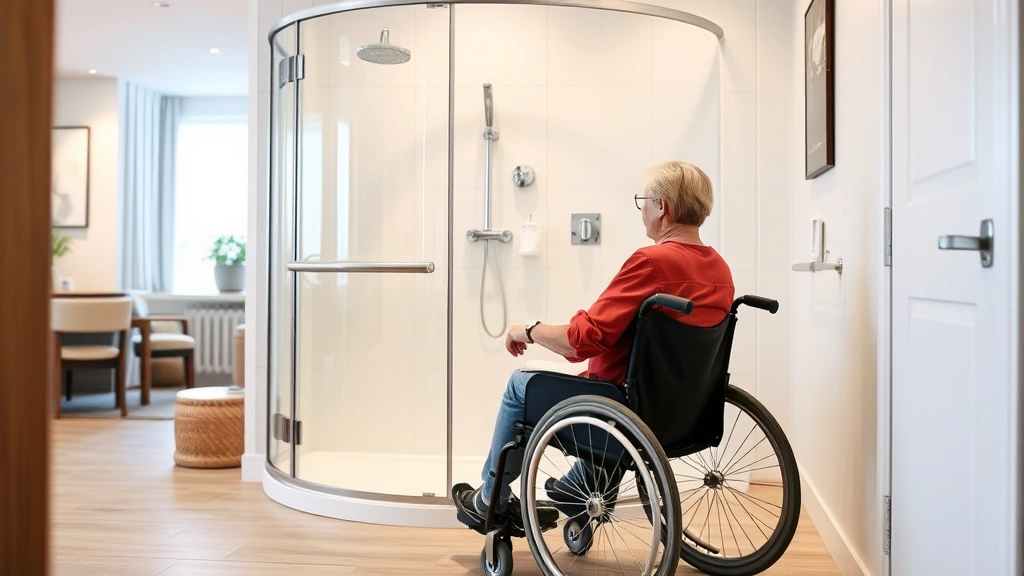
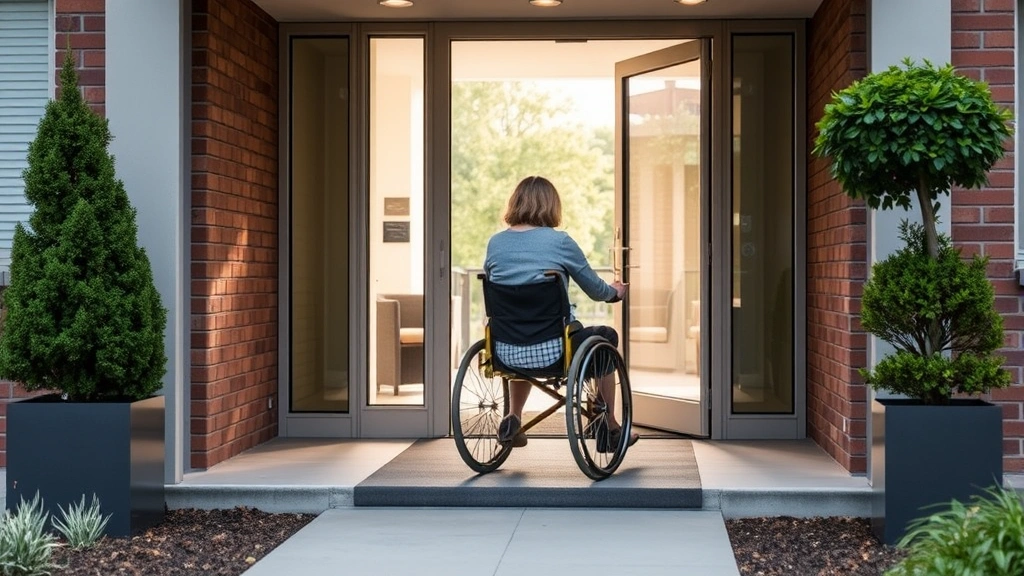
- Accessible Unit Features: Ground-floor units, units without stairs, accessible bathrooms, wider doorways, or units with elevators. Medical letters supporting mobility limitations, chronic pain, or respiratory conditions frequently result in approval.
- Service Animal Housing: Permission to keep a service animal despite “no pets” policies. A service dog letter for apartment housing is specifically designed for this purpose and is legally distinct from pet policies.
- Emotional Support Animal (ESA): Housing for emotional support animals that provide therapeutic benefit. An ESA letter from a licensed doctor documents the medical necessity of your animal.
- Allergen-Free or Low-Allergen Housing: Units in buildings without certain animals or in units that have been professionally cleaned to remove allergens. Medical letters documenting severe allergies or asthma support these requests.
- Accessible Parking: Reserved, accessible parking spaces close to your unit. Medical letters for mobility issues, chronic pain, or conditions affecting walking distance are commonly approved.
- Lease Modification: Changes to standard lease terms, such as permission to break a lease due to medical hardship or modified notice periods. A medical hardship letter supports these requests.
- Reasonable Accommodations in Building Rules: Exceptions to rules, such as permission for in-home medical equipment, modified guest policies for caregivers, or permission to install grab bars or other safety equipment.
Most accommodations require only modest modifications to existing policies and are approved regularly. Landlords understand that reasonable accommodations are legal requirements, not special favors.

The Interactive Process
Fair housing law requires landlords to engage in an “interactive process” with you to identify appropriate accommodations. This means they should ask clarifying questions, suggest alternatives if necessary, and work toward a solution. If your initial request is denied, ask why and whether alternative accommodations might work. Many denials can be resolved through continued dialogue and additional documentation.
When to Seek Legal Help
If your landlord denies a reasonable accommodation request without legitimate justification, you have options. You can file a complaint with the Department of Housing and Urban Development (HUD) or your state’s fair housing agency. Many disability rights organizations and legal aid societies offer free or low-cost assistance with housing discrimination cases. The Job Accommodation Network (JAN), while primarily focused on workplace accommodations, provides excellent resources about the interactive process that apply to housing as well.
Timeline and Expectations for Instant Medical Letters
One of the major advantages of modern medical accommodation services is speed. Understanding realistic timelines helps you plan your housing transition effectively.
Same-Day Delivery
Many telehealth platforms specializing in medical accommodations can deliver letters within 2-4 hours of your consultation. This allows you to submit your accommodation request to your landlord the same day you apply, significantly accelerating the process.
Expedited Landlord Response
Once you submit your medical letter, landlords typically respond within 5-10 business days. Some respond within 48 hours, especially when the accommodation is straightforward. Ground-floor unit requests, service animal permissions, and accessible parking are usually among the fastest to approve.
Documentation Verification
Landlords may contact your doctor to verify the letter’s authenticity, though they cannot request additional medical details without your consent. Doctors who regularly provide accommodation letters are accustomed to these verification calls and respond promptly.
Total Timeline
From deciding you need an accommodation to moving into your new unit, the entire process can often be completed in 2-4 weeks with an instant medical letter. Without proper documentation, the same process might take 2-3 months.

Avoiding Common Mistakes
Even with a solid medical letter, certain mistakes can delay or jeopardize your accommodation request.
- Vague Requests: Don’t ask for “a better unit” or “something more accessible.” Be specific about what you need and why.
- Incomplete Medical Letters: Ensure your letter includes all required elements, particularly the connection between your condition and the specific accommodation needed.
- Submitting Verbally: Always submit requests in writing. Verbal requests are easily forgotten or disputed.
- Oversharing Medical Details: Provide only the information necessary to evaluate your accommodation request. Excessive medical details can raise privacy concerns and aren’t legally required.
- Missing Deadlines: If your landlord requests additional information, provide it promptly. Delays on your part can reset the timeline.
- Not Following Up: If you don’t hear back within 10 business days, send a follow-up email confirming receipt of your request and asking for a timeline.
Many accommodation requests are denied simply because tenants didn’t follow proper procedures, not because the requests themselves were unreasonable. A well-documented, professionally presented request with a strong medical letter dramatically improves your chances of approval.
FAQ
How quickly can I get a medical letter for housing accommodation?
Instant medical letter services can typically deliver letters within 2-4 hours of your consultation with a licensed doctor. Your existing healthcare provider might take longer, depending on their scheduling and administrative processes. Most services offer same-day delivery as a standard option.
Can landlords require me to provide my diagnosis in the medical letter?
No. Landlords can require reliable documentation that you have a disability and that the accommodation is medically necessary, but they cannot require disclosure of your specific diagnosis. A well-written medical letter focuses on functional limitations rather than diagnoses. If a landlord demands diagnosis details, you can decline while reaffirming that the medical letter provides sufficient information for evaluation.
What if my landlord denies my accommodation request?
Request a written explanation of the denial. If the denial appears to violate fair housing laws—for example, denying a reasonable accommodation without legitimate justification—you can file a complaint with HUD or your state’s fair housing agency. Many cases are resolved through mediation. Legal aid organizations and disability rights groups offer free assistance with housing discrimination complaints.
Do I need to tell my landlord my specific diagnosis?
No. You are protected by privacy laws and fair housing regulations. You only need to provide documentation that you have a disability and that the accommodation is medically necessary. Your medical letter should focus on how your condition affects your functioning and why the accommodation would help, without necessarily disclosing the diagnosis itself.
Can landlords charge extra for providing accommodations?
Generally, no. Reasonable accommodations are required by law and landlords cannot charge additional rent, deposits, or fees for providing them. An exception exists if the accommodation requires significant modification that increases the landlord’s costs, but even then, the landlord must absorb reasonable costs. Charging for basic accommodations like accessible parking or permission for a service animal is illegal.
How long does it take for a landlord to respond to an accommodation request?
Landlords typically have 5-10 business days to respond. If you don’t hear back within that timeframe, send a follow-up email requesting a response. Some landlords respond within 48 hours, especially for straightforward accommodations. The timeline depends on the landlord’s administrative processes and the complexity of your request.
Is an instant medical letter legally valid?
Yes, provided it comes from a licensed healthcare provider and includes all necessary elements. The speed of delivery doesn’t affect the letter’s legal validity. What matters is that it’s written by a qualified doctor, includes proper credentials and signature, and clearly connects your medical condition to your accommodation need. Instant letters from reputable services meet all these requirements.
What if I don’t have an established relationship with a doctor?
You don’t need a long-standing relationship with a healthcare provider to obtain a medical letter. A single consultation with a licensed doctor is sufficient, as long as the doctor has adequate information about your condition and can make a professional judgment about your accommodation needs. Telehealth services specializing in accommodations make this process straightforward and fast.
Can I get a medical letter for a housing accommodation if I haven’t been officially diagnosed?
A medical letter requires a healthcare provider to confirm that you have a medical condition or disability. If you haven’t been formally diagnosed, you may need to first consult with a doctor for evaluation and diagnosis. However, many conditions don’t require extensive testing—a consultation and medical history may be sufficient. Discuss your situation with a healthcare provider to determine next steps.
How do I know if my accommodation request is reasonable?
An accommodation is generally considered reasonable if: (1) it directly addresses a functional limitation caused by your disability, (2) it doesn’t create significant financial or administrative burden for the landlord, and (3) it doesn’t fundamentally alter the nature of the housing or the landlord’s business. Most common accommodation requests—accessible units, service animal housing, accessible parking—are clearly reasonable and are approved regularly.