
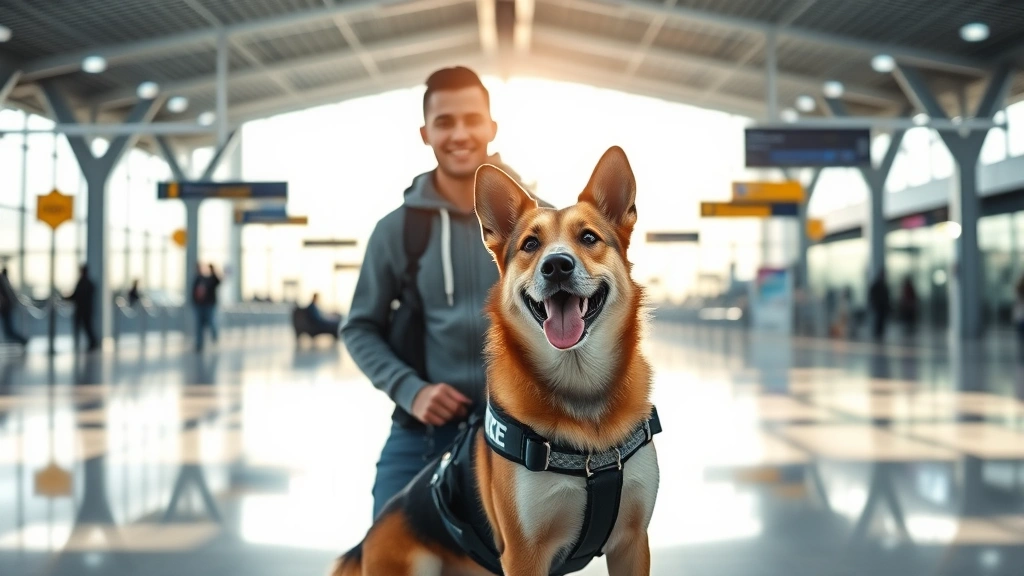
Fast Service Animal Travel Documentation: Expert Tips Inside
Traveling with a service animal requires proper documentation to ensure smooth passage through airports, hotels, and transportation hubs. Whether you’re flying across the country or taking a road trip, having the right paperwork in place can prevent delays, stress, and potential denial of access for your service animal. This comprehensive guide walks you through the fastest and most reliable ways to obtain service animal travel documentation, understand what airlines and venues actually require, and navigate common challenges with confidence.
Service animals perform critical tasks for people with disabilities—from guiding individuals who are blind to alerting those with diabetes to dangerous blood sugar levels. These animals deserve recognition and respect during travel, which is why understanding documentation requirements matters so much. The good news is that obtaining proper service animal travel documentation doesn’t have to be complicated or time-consuming when you know exactly what to do.
Understanding Service Animal Travel Requirements
The United States has clear federal regulations governing service animal travel, primarily under the Americans with Disabilities Act (ADA). Unlike emotional support animals (ESAs), legitimate service animals are specifically trained to perform tasks or do work related to a person’s disability. This distinction is crucial because it determines what documentation you’ll need and what access rights you have.
Under ADA guidelines, service animals are not considered pets. They are working animals with legal access to public spaces, including airplanes, restaurants, hotels, and public transportation. However, different venues and transportation methods have varying documentation requests. Airlines, for example, may ask for specific forms even though they cannot legally require a service animal license or certification from a national registry.
The key to fast, smooth travel is understanding what documentation is legally required versus what organizations might request. Having a service animal verification letter from a licensed healthcare provider serves as your strongest foundation. This letter should confirm your disability and the specific tasks your service animal performs.
Travel within the United States is generally straightforward if your documentation is in order. Your service animal has the same rights whether you’re traveling by plane, train, bus, or car. However, preparation is key. Starting the documentation process at least 2-4 weeks before your travel date gives you time to gather everything without rushing.
What Documentation Do You Actually Need
Many people mistakenly believe they need an official service animal ID card or government-issued certification. This is a common misconception that can lead to unnecessary delays and confusion. In reality, the ADA does not mandate a specific form of identification or certification for service animals. However, having proper documentation significantly streamlines travel.
The most important document you can have is a letter from a licensed healthcare provider confirming three things: (1) you have a disability as defined by the ADA, (2) you require a service animal to perform specific disability-related tasks, and (3) your service animal is trained to perform those tasks. This letter should be on official letterhead, dated within the last 12 months, and include the provider’s contact information.
For air travel specifically, the Department of Transportation requires airlines to accept a Department of Transportation Service Animal Relief Attestation form if you need your service animal to relieve itself during the flight. You can complete this form yourself or have your healthcare provider complete it.
Additional documentation that helps with travel includes: veterinary health certificates (required by some countries and airlines), proof of vaccinations (especially rabies), airline-specific service animal forms completed by your healthcare provider, and a clear photo of your service animal. While none of these are legally mandated under the ADA, they demonstrate professionalism and preparedness.
Getting an ESA letter online from a doctor-signed provider is different from service animal documentation, but the process of obtaining both involves licensed healthcare professionals. If you have both an ESA and a service animal, keep these documents completely separate, as they have different legal protections and requirements.
Getting Service Animal Verification Fast
Speed matters when travel is approaching. The fastest way to obtain service animal verification online is through a telehealth platform that specializes in accommodation letters. Here’s why this approach works:
- No scheduling delays: Online platforms often have availability within 24-48 hours, compared to weeks-long waits at traditional medical offices
- Streamlined process: Providers who specialize in accommodation documentation understand exactly what airlines and venues need
- Digital delivery: You receive your documentation electronically, allowing immediate printing or sharing with airlines
- Licensed professionals: Legitimate platforms connect you with licensed healthcare providers who can legally verify your disability and service animal
When seeking fast service animal verification, look for platforms that offer same-day or next-day consultations. During your consultation, the healthcare provider will ask about your disability, the specific tasks your service animal performs, how long you’ve had the animal, and any relevant medical history. Be prepared with clear, concise answers.
The most efficient approach is to gather all your information before your appointment: documentation of your disability diagnosis, records of your service animal’s training, details about the tasks the animal performs, and your travel dates. This allows the provider to complete your letter quickly and accurately during or immediately after your consultation.
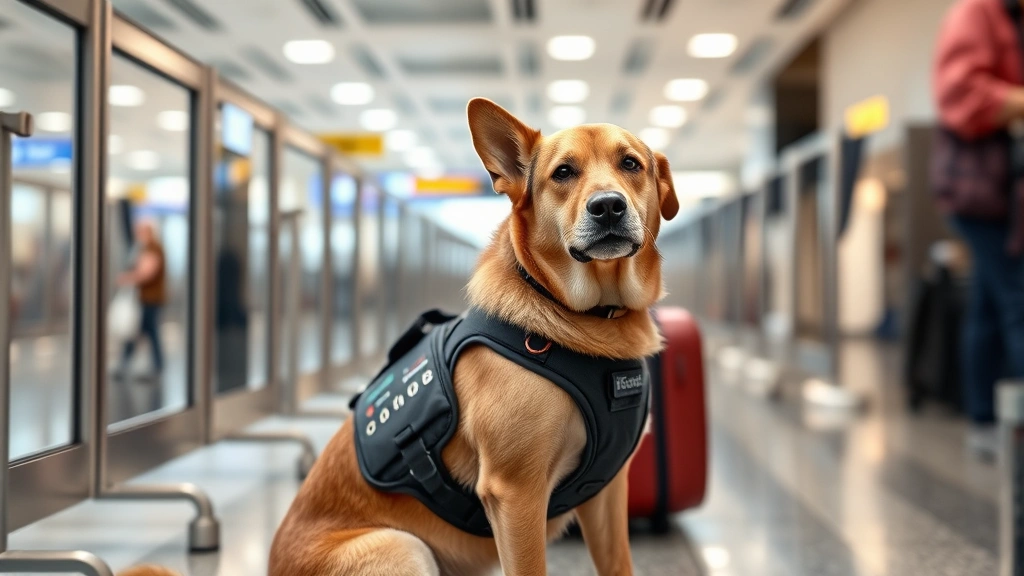
Some people worry that obtaining documentation quickly somehow makes it less legitimate. This isn’t true. What matters is that a licensed healthcare provider—whether you see them in person or via telehealth—reviews your situation and provides honest documentation. The speed of the process doesn’t affect the validity of the letter.
Airline-Specific Documentation Requirements
Each major airline has slightly different procedures for service animals, though all must comply with federal law. Here’s what you need to know about major carriers:
General Airline Requirements: Most airlines ask you to notify them at least 48 hours before travel that you’ll be flying with a service animal. Some airlines provide service animal forms on their websites that your healthcare provider can complete. These forms typically ask about your disability, the service animal’s behavior and training, and any special needs during flight.
When contacting your airline, have this information ready: your confirmation number, your service animal’s name and breed, the specific tasks it performs, and your healthcare provider’s contact information. Airlines cannot charge you to fly with a legitimate service animal, and the animal must be allowed in the cabin with you rather than in cargo.
The Department of Transportation has specific rules about service animal documentation. Airlines can ask you to complete an attestation form confirming that your animal is a service animal and not a pet. They can also ask follow-up questions if your service animal’s behavior suggests it isn’t properly trained. However, they cannot require advance documentation from a veterinarian or trainer, nor can they require a specific ID card or certification.
To make airline travel smoother, contact the airline’s service animal desk directly rather than general customer service. These specialized teams understand the regulations and can answer your questions accurately. Have your ADA disability verification letter ready to reference, even if they don’t require it in advance.
Pro tip: Arrive at the airport extra early when traveling with a service animal. This gives you time to check in, answer any questions about your animal, and get settled without rushing. TSA agents should not separate you from your service animal during security screening.
International Travel With Service Animals
Traveling internationally with a service animal is more complex because different countries have different regulations. The ADA only applies within the United States, so you’ll need to research your destination’s specific requirements well in advance.
Most countries require an international health certificate for any animal entering the country. This document, issued by a veterinarian, confirms that your service animal is healthy and vaccinated against rabies. Some countries require this certificate to be issued within a specific timeframe (often 10 days to 6 months before travel) and may need official government certification or apostille.
Several countries have specific import requirements for service animals. The United Kingdom, for example, requires advance notification and specific documentation. Australia and New Zealand have strict quarantine rules that may apply even to service animals. Canada requires health certificates and may have breed restrictions depending on the province.
The fastest way to prepare for international service animal travel is to contact your destination country’s embassy or consulate at least 8-12 weeks before your trip. Ask specifically about service animal requirements and what documentation your healthcare provider and veterinarian need to provide. Some countries recognize the concept of service animals while others don’t, which affects what documentation you’ll need.
Additionally, contact your airline about international service animal policies. International flights sometimes have different rules than domestic flights. You’ll need to provide your airline with all required documentation, including health certificates, well in advance of your departure.
Common Documentation Mistakes to Avoid
Even with the best intentions, people sometimes make mistakes with service animal documentation that can cause travel problems. Being aware of these pitfalls helps you avoid them:
Mistake 1: Confusing Service Animals With Emotional Support Animals ESAs have different legal protections and don’t have the same travel rights as service animals. Some people try to pass off an ESA as a service animal, which creates problems for legitimate service animal handlers. If you have an emotional support animal letter, keep it completely separate from your service animal documentation and understand the different legal frameworks.
Mistake 2: Using Outdated Documentation Healthcare provider letters should be dated within the last 12 months. Using old documentation can trigger questions from airlines or venue staff. If your letter is older than a year, request an updated one before traveling.
Mistake 3: Not Having the Right Contact Information Your documentation should include your healthcare provider’s name, title, license number, phone number, and address. Airlines may need to verify your information, and outdated contact details can cause delays.
Mistake 4: Providing Vague Task Descriptions Don’t just write that your service animal “provides emotional support.” Describe specific tasks: “alerts me to seizures by pawing my arm,” “retrieves dropped items,” “opens doors,” or “creates a buffer in public spaces.” Specific task descriptions demonstrate that you have a legitimate service animal.
Mistake 5: Traveling Without Backup Copies Keep multiple copies of your service animal documentation—physical copies in your luggage, wallet, and carry-on, plus digital copies on your phone and email. If one copy gets lost or damaged, you’ll have backups.
Mistake 6: Ignoring Airline-Specific Forms Even if you have solid documentation from your healthcare provider, some airlines provide their own service animal forms. Completing these forms shows cooperation and helps streamline the process. Don’t assume your existing letter is sufficient if the airline has requested their specific form.
FAQ
Can airlines legally deny my service animal access to the cabin?
No, under federal law, airlines cannot deny cabin access to a legitimate service animal. However, they can require the animal to have a harness or leash and can ask follow-up questions if the animal’s behavior suggests it isn’t properly trained. If an airline denies your service animal access, you can file a complaint with the Department of Transportation.
Do I need a service animal ID card or vest?
No, the ADA does not require service animals to wear vests or carry ID cards. However, many service animal handlers use these items to signal to the public that their animal is working. Be aware that anyone can purchase service animal vests online, so vests alone don’t prove legitimacy. Your healthcare provider’s letter is your actual legal documentation.
How much does service animal verification documentation cost?
Costs vary depending on whether you see a traditional healthcare provider or use a telehealth platform. Traditional veterinary or medical office visits might cost $100-300, while telehealth platforms specializing in accommodation letters typically charge $150-300 for a consultation and letter. Some platforms offer faster service for additional fees.
Can my service animal be denied access anywhere in the United States?
Service animals have access rights to most public spaces under the ADA, but there are exceptions. Private businesses can deny access if the animal is disruptive or poses a direct threat. Housing providers must allow service animals. Employers must accommodate service animals in the workplace. If you face denial of access, consult with a disability rights organization or attorney.
What if my service animal is denied access despite having documentation?
Document the incident (date, time, location, names of staff involved). Contact the business or venue’s management with your documentation. If they continue to deny access, file a complaint with the Equal Employment Opportunity Commission (EEOC) if it’s a workplace issue, or contact your state’s disability rights organization for other venues.
How far in advance should I notify airlines about my service animal?
Most airlines require 48 hours notice, but notifying them as early as possible—when you book your flight—is ideal. This gives them time to process your documentation and prepare their staff. Don’t wait until check-in day to inform the airline about your service animal.
Will my service animal need special documentation for hotel stays?
Hotels must allow service animals under the ADA, but they may ask for documentation. Having your healthcare provider’s letter ready demonstrates that your animal is a legitimate service animal, not a pet. Some hotels provide their own service animal confirmation forms.
What should I do if my service animal becomes ill right before travel?
Contact your veterinarian immediately. If your service animal cannot travel, you may need to postpone your trip. Having comprehensive pet insurance or emergency veterinary care coverage can help with unexpected health issues. This is another reason to have documentation ready well in advance—it gives you time to address any health concerns.
Traveling with a service animal is your right under federal law. With proper documentation obtained quickly through telehealth providers, clear communication with airlines, and understanding of your legal protections, you can travel confidently. The key is starting early, gathering complete information, and keeping organized copies of all your documentation. Whether you’re flying across the country or traveling internationally, being prepared transforms service animal travel from a potential source of stress into a manageable, straightforward part of your journey.