Instant Housing Accommodation: Doctor’s Letter Guide
Finding suitable housing that accommodates your medical needs is a fundamental right protected by federal law. Whether you require ground-floor accessibility due to mobility limitations, allergen-free units for severe asthma, or modified lease terms for health-related reasons, a doctor’s letter for housing accommodation is often the critical document that unlocks these essential modifications. This guide walks you through obtaining an instant, legally compliant accommodation letter from a licensed physician that landlords, property managers, and housing authorities recognize and respect.
A medical accommodation letter serves as official documentation that your health condition necessitates specific housing modifications or lease flexibility. Unlike casual medical notes, a formal accommodation letter carries legal weight under the Fair Housing Act and Americans with Disabilities Act (ADA). When drafted correctly by a licensed healthcare provider, it becomes a powerful tool to secure the housing adjustments you need—sometimes within days rather than months.
The urgency of housing situations demands fast action. Whether you’re facing an eviction, relocating due to health complications, or negotiating with a landlord who’s resistant to reasonable requests, understanding how to obtain an instant doctor’s letter can mean the difference between stable housing and homelessness. This comprehensive guide covers everything from understanding what makes a letter legally valid to expediting the process with qualified physicians.
What Is a Housing Accommodation Letter?
A housing accommodation letter is a formal medical document written by a licensed physician that explains your health condition and specifies the housing modifications or lease accommodations necessary to ensure equal access and safe living conditions. This letter bridges the gap between your medical reality and your landlord’s legal obligations under fair housing laws.
Unlike a simple doctor’s note stating “Patient has asthma,” an accommodation letter provides functional context: “Due to severe allergic asthma triggered by common environmental allergens, the patient requires a unit with HEPA filtration and restrictions on pet occupancy.” This specificity makes your request legally defensible and difficult for landlords to deny arbitrarily.
The letter essentially says: “This person’s disability or medical condition is real, documented, and requires housing modifications to provide equal enjoyment of the premises.” When you have documentation from a licensed doctor, landlords cannot claim ignorance or demand that you simply “tough it out” in unsuitable housing.

Legal Requirements and Fair Housing Protections
Your right to housing accommodations is protected by several federal laws. Understanding these legal frameworks strengthens your position when requesting accommodations and helps you recognize when landlords are breaking the law.
The Fair Housing Act (FHA) prohibits discrimination based on disability and requires landlords to make reasonable accommodations in rules, policies, practices, or services when necessary to afford a person with a disability equal opportunity to use and enjoy a dwelling. HUD’s Fair Housing Act overview provides comprehensive guidance on your rights.
The Americans with Disabilities Act (ADA) also protects individuals with disabilities, though the FHA is the primary statute governing residential housing. The ADA.gov website offers detailed resources on disability rights across all sectors, including housing.
A doctor’s letter serves as your evidence that you have a disability (broadly defined to include physical, mental, and emotional conditions) and that your requested accommodation is necessary. Landlords cannot refuse reasonable accommodations simply because they’re inconvenient or costly. The law is clear: disability-related accommodations are not optional.
For rental situations, your reasonable accommodation lease change request backed by medical documentation becomes your legal foundation. This documentation prevents landlords from claiming they “didn’t know” your needs were legitimate.
Key Components of an Effective Doctor’s Letter
Not all doctor’s letters are created equal. A letter that carries legal weight and compels landlord compliance must include specific elements. Here’s what makes a housing accommodation letter effective:
Physician Credentials and Contact Information: The letter must be written on official letterhead from a licensed medical doctor (MD, DO), psychologist (PhD, PsyD), or licensed clinical social worker (LCSW), depending on your condition. Include the provider’s license number, credentials, phone number, and email. This allows landlords to verify the letter’s authenticity.
Your Medical Condition (Without Excessive Detail): The letter should name your diagnosis or describe your functional limitations. You don’t need to disclose every symptom or treatment detail—only what’s relevant to housing. For example: “The patient has a documented mobility impairment that affects their ability to climb stairs” is sufficient. You don’t need to list every surgery or medication.
Functional Limitations: This is crucial. Explain how your condition affects your ability to use and enjoy housing. Examples include: difficulty with stairs, sensitivity to environmental triggers, need for proximity to medical facilities, or psychological distress in certain environments.
Specific Accommodations Requested: The letter must clearly state what accommodations you need. Be specific: “ground-floor unit,” “accessible parking space,” “allergen-free unit,” “modified lease allowing for frequent medical appointments,” or “permission for emotional support animal.” Vague requests are easier to deny.
Medical Nexus: Explain the relationship between your condition and your requested accommodation. “Due to the patient’s severe mobility limitations, a ground-floor unit is medically necessary to ensure safe and independent access to essential facilities.” This prevents landlords from claiming the accommodation is unrelated to your disability.
Physician’s Signature and Date: The letter must be personally signed by the healthcare provider (not a stamped signature or assistant’s signature). This demonstrates the provider’s direct knowledge of your condition and personal endorsement of the accommodation request.
Professional Tone and Format: The letter should be professional, concise (one page is ideal), and use medical terminology appropriately. It should not read like a personal favor note—it must sound authoritative and clinical.
How to Get an Instant Accommodation Letter
When you need a housing accommodation letter urgently, speed matters. Here’s how to expedite the process:
Step 1: Identify Your Current Healthcare Provider Start with your existing doctor, psychiatrist, therapist, or nurse practitioner. They already have your medical records and understand your condition, making the process faster. If you don’t have an established relationship with a provider, this will take longer.
Step 2: Prepare Your Request Documentation Don’t just call your doctor and ask for “a letter.” Instead, send a written request (email or in-person) that includes: your specific housing accommodation needs, a brief explanation of how your condition necessitates these accommodations, and your preferred delivery timeline. Providing context helps doctors write more effective letters faster.
Step 3: Use Telemedicine for Speed If your regular doctor is slow to respond, consider working with licensed providers through telehealth platforms that specialize in accommodation letters. Many can provide same-day or next-day service. Ensure the provider is licensed in your state and has access to your medical history or can conduct a thorough assessment during your consultation.
Step 4: Provide Clear Documentation Share your medical history, diagnoses, and any previous letters or documentation with your healthcare provider. The more information they have, the faster they can draft an accurate letter. If you’ve had recent medical appointments, imaging, or lab work, provide those records.
Step 5: Request Expedited Processing If your housing situation is urgent, explicitly ask your provider for same-day or next-day turnaround. Many practices have rush fees, but the cost is minimal compared to losing your housing. Explain the urgency: “I’m facing potential eviction” or “I need this for my lease renewal next week.”
Step 6: Confirm Letter Details Before Submission Before you submit the letter to your landlord, review it carefully. Ensure it includes all key components, is properly signed, and accurately reflects your needs. If something is missing or unclear, ask your provider to revise it immediately.
Digital Delivery Options: Request that your doctor email the letter as a PDF or provide it electronically. This eliminates mail delays. Many providers can now generate and send letters within hours of your request.
For comprehensive medical disability documentation from licensed doctors, specialized services can often provide letters faster than traditional medical offices, especially if you’re in a time-crunch situation.
Presenting Your Letter to Your Landlord
Once you have your accommodation letter, how you present it matters. Strategic presentation increases the likelihood of approval and demonstrates your professionalism.
Timing: Don’t wait until you’re in crisis. Submit your accommodation request as soon as you know you need it. If you’re entering into a new lease, include the letter with your rental application or during the signing process. If you’re already a tenant, submit it promptly when needs change.
Format: Provide a clean, professional copy. If submitting in person, include a cover letter that briefly explains your request and references the enclosed medical documentation. Keep the tone respectful but firm: “I am requesting the following reasonable accommodations to ensure equal enjoyment of the premises, as protected under the Fair Housing Act.”
Documentation Trail: Send the letter via email with read receipt, certified mail, or hand-deliver it and get a signed acknowledgment. You need proof that your landlord received the letter and the date they received it. This is critical if you later need to file a fair housing complaint.
Follow-Up: Landlords cannot simply ignore accommodation requests. Federal law requires them to engage in an interactive process. If you don’t receive a response within 5-7 business days, send a polite follow-up asking for confirmation of receipt and timeline for decision.
If Your Request Is Denied: Landlords can deny accommodations only if they can demonstrate that the accommodation would cause undue financial or administrative hardship, or that the accommodation is not genuinely related to your disability. A denial based on “policy” or “we don’t do that” is likely illegal. Document the denial in writing and consider contacting a fair housing organization or attorney.
Common Housing Scenarios and Documentation Needs
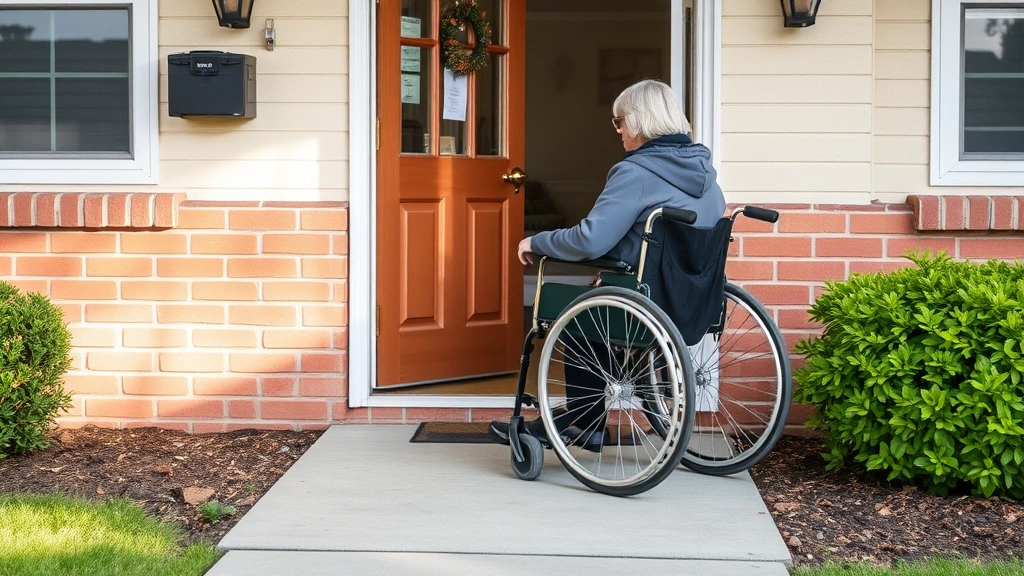
Scenario 1: Mobility Limitations and Accessibility If you have difficulty walking, climbing stairs, or using elevators, your doctor’s letter should document your functional limitations and specify the need for a ground-floor unit, accessible parking, or elevator access. This is one of the clearest cases for accommodation approval.
Scenario 2: Environmental Sensitivities and Allergies Severe asthma, chemical sensitivities, or mold allergies may require allergen-free units, restrictions on pet occupancy, or HVAC modifications. Your letter should explain the medical consequences of exposure (respiratory distress, anaphylaxis, hospitalization risk) to justify the accommodation.
Scenario 3: Mental Health and Emotional Support Animals If you need an ESA letter for depression or anxiety, your therapist or psychiatrist must document how the animal mitigates your disability. The letter must establish that the animal provides a disability-related benefit, not just that you feel better with it.
Scenario 4: Proximity to Medical Care If you have a condition requiring frequent medical appointments or emergency access, your doctor can specify the need for housing near hospitals, clinics, or dialysis centers. This is particularly relevant for cancer patients, those with severe heart disease, or individuals requiring regular treatments.
Scenario 5: Lease Modifications for Medical Leave If your condition causes periodic medical crises requiring hospitalization or extended treatment, your letter can request flexibility in lease terms, such as temporary rent reduction during recovery periods or waiver of late fees during medical emergencies.
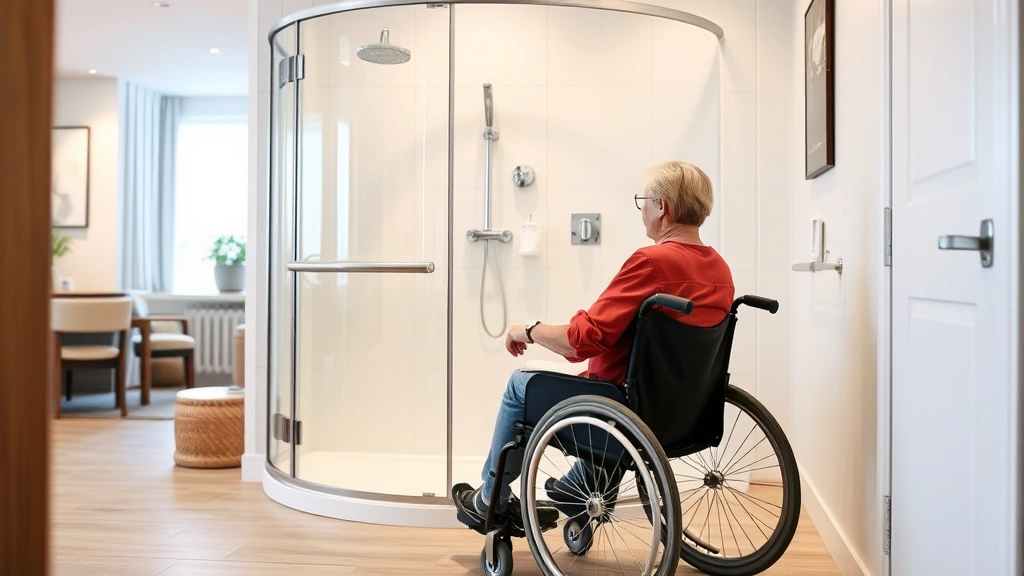
Scenario 6: Accessibility Modifications Beyond choosing an accessible unit, you may need bathroom modifications (grab bars, walk-in shower), bedroom modifications (wider doorways for wheelchairs), or kitchen adjustments. Your letter should specify which modifications are medically necessary.
FAQ
How quickly can I get a doctor’s letter for housing accommodation?
With an established healthcare provider, you can often receive a letter within 24-48 hours. If using a telehealth service specializing in accommodation letters, same-day delivery is sometimes possible. Traditional medical offices may take 5-10 business days. Plan ahead when possible, but don’t hesitate to request expedited service when facing urgent housing situations.
Do I need a specific diagnosis to request housing accommodations?
No. Fair housing law protects anyone with a disability, which includes physical conditions, mental health conditions, and even conditions in remission. Your doctor’s letter should focus on functional limitations rather than specific diagnoses. For example, “the patient experiences significant anxiety in crowded living situations” is sufficient, even if the underlying diagnosis is private.
Can my landlord request my full medical records?
No. Federal law limits what information landlords can request. A doctor’s letter stating that accommodations are medically necessary is sufficient. Landlords cannot demand access to your complete medical history, test results, or treatment details. If a landlord requests this, they’re likely violating fair housing law.
What if my doctor refuses to write an accommodation letter?
If your doctor knows you have a legitimate medical condition requiring accommodation, refusal without valid reason is concerning. Consider: (1) clarifying your request in writing with specific details about what you need, (2) asking if there are concerns about the letter’s accuracy that you can address, or (3) seeking a second opinion from another qualified provider. Don’t accept a refusal without understanding the reason.
Is an emotional support animal letter different from a service animal letter?
Yes. An service animal verification letter documents a task-trained animal that performs specific disability-related work. An ESA letter documents that an animal provides emotional support mitigating a mental health disability. Housing accommodations protect both, but the documentation differs. ESA letters focus on the therapeutic relationship; service animal letters focus on specific trained tasks.
Can I be evicted for requesting accommodations?
No. Federal law prohibits retaliation against tenants who request reasonable accommodations. If you’re evicted shortly after requesting accommodations, this may constitute illegal retaliation. Document all communication about your accommodation request and consult a tenant rights attorney if you face eviction.
What if my landlord says the accommodation is too expensive?
Landlords cannot deny accommodations based on cost unless they can demonstrate undue financial hardship. Most reasonable accommodations (ground-floor units, parking spaces, lease modifications) cost landlords little to nothing. If a landlord claims hardship, request documentation. In most cases, this argument fails under fair housing law.
How long is a doctor’s accommodation letter valid?
Accommodation letters don’t have expiration dates, but landlords may request updated letters if significant time has passed or if your condition has changed. A letter from the current year is generally unquestionable. If you’re renewing a lease after several years, consider obtaining a fresh letter to demonstrate your condition’s ongoing impact.
Can I request accommodations for a condition I haven’t formally disclosed to my landlord?
Yes. You have no obligation to disclose your disability until you request an accommodation. You can live with an undisclosed condition as long as you need no special accommodations. Once you need modifications, submit your accommodation request with medical documentation. Privacy is protected—your landlord only learns what’s necessary to understand the accommodation.